
Quick Take
- A pufferfish biting another on the belly looks like an attack, though it is actually a calculated move with a very specific purpose. See how biting fits in →
- Not all pufferfish courtship is harmless. One species takes things far enough to leave lasting injuries. Discover the aggressive species →
- Some pufferfish spend the better part of two weeks building something elaborate just to win a mate, and the female is the one who gets to decide if it's good enough. Explore the sand circle ritual →
- The exact spot where a male bites a female isn't random. There's a biological reason he targets that location. Learn why the belly matters →
Pufferfish are some of the strangest animals out there. While they are famous for puffing up, they have numerous other interesting behaviors as well. One example, these creatures are known to bite each other, and for reasons you might not expect. This Instagram post by @spottedcongo shows the unexpected behavior.
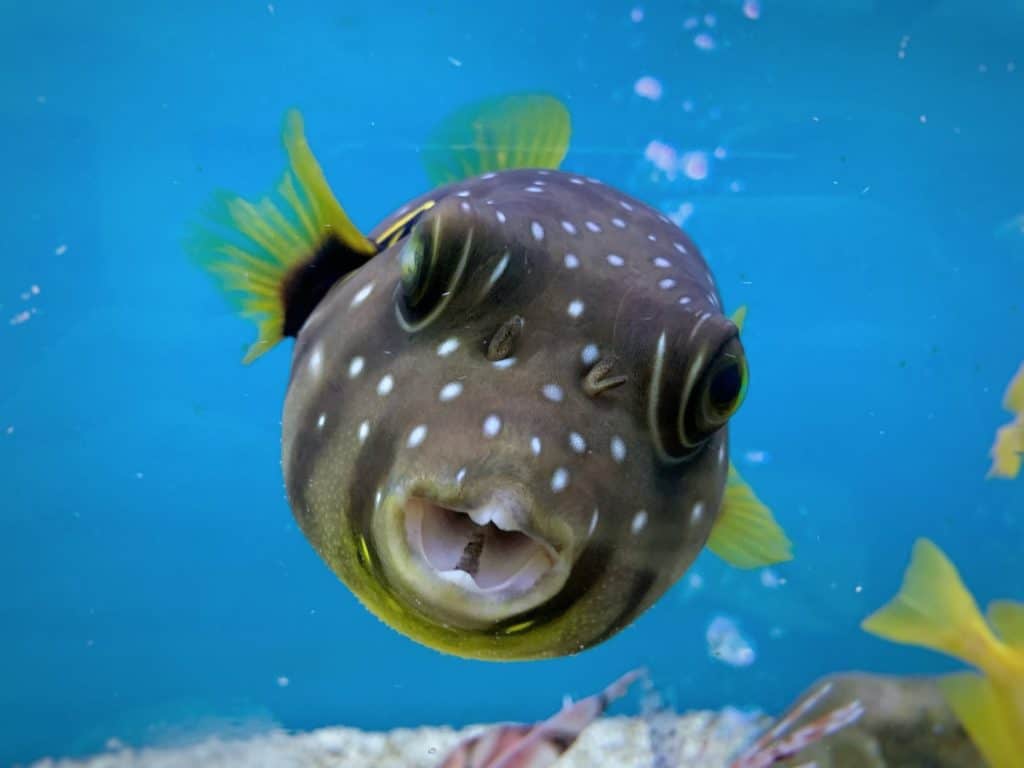
The mating rituals of pufferfish are not universal and differ greatly by species.
©Sreadya.k/Shutterstock.com
Why Pufferfish Bite Each Other
In the video, a pufferfish is biting the underside of another pufferfish and clinging onto it. While it may seem strange, this is a commonly observed behavior in nature, but its meaning can differ by species. The main purpose often relates to mating or courtship. In nature, when a male finds a female, he typically bites and grabs onto her, allowing the pair to move together towards a spawning site. This is where the eggs and sperm are released, and the two of them need to be together for it to be successful. Ultimately, this behavior is part of a complex courtship ritual.
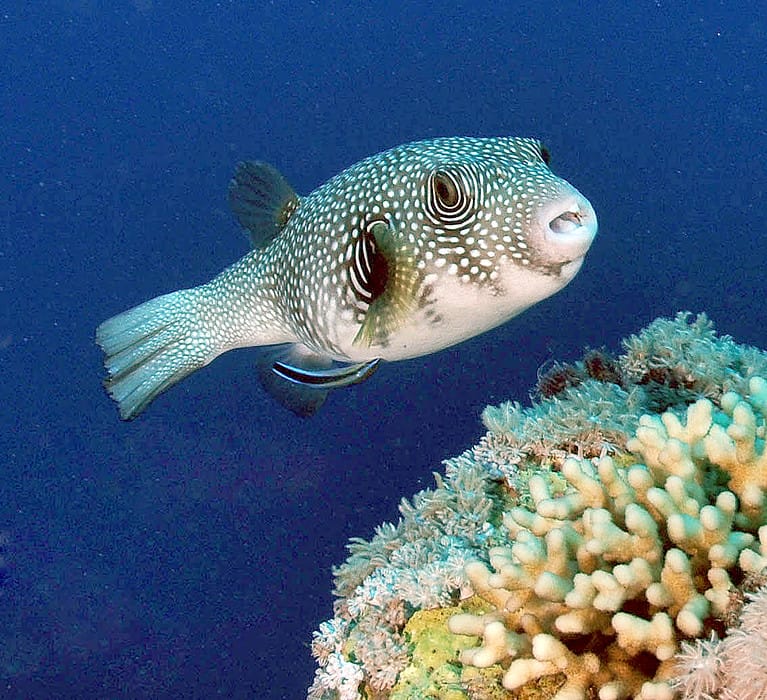
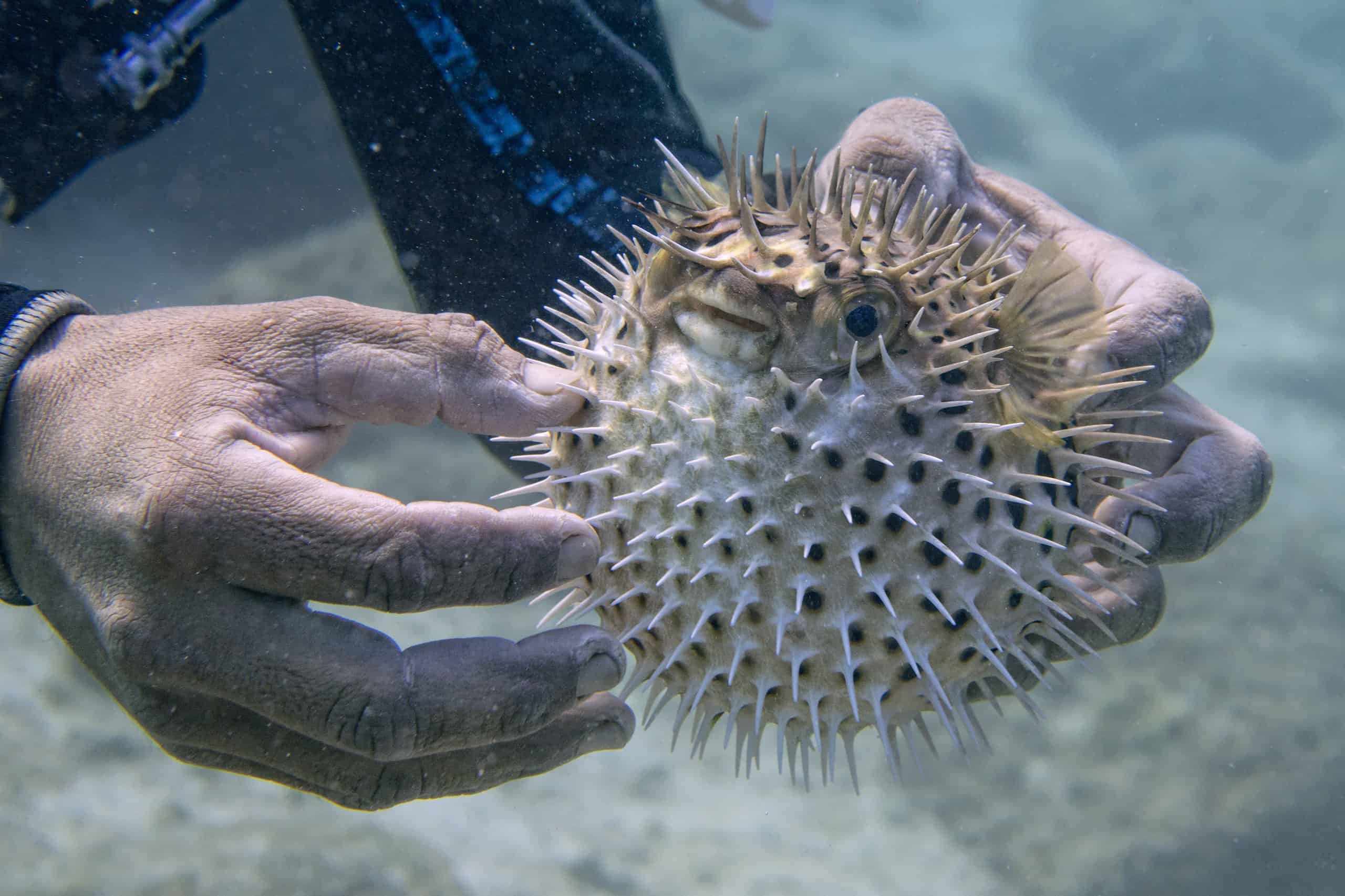
The mating and courtship rituals of pufferfish vary by species, and different species can easily be mistaken for one another. However, in general, males bite the bottom of the female’s abdomen because that is where her eggs are kept. The act is not as painful as it seems. However, other pufferfish mating can be aggressive. One example is seen in the porcupine puffer. Males often repeatedly bite females during pursuit and can actually cause injuries. Other rituals are not aggressive at all, such as those seen with the white-spotted puffer. These pufferfish spend seven to nine days creating elaborate sand circles, approximately two meters (seven feet) in diameter. Females then come to inspect the structure, and if they accept it, they spawn in the center.