
Unfortunately, a common yet deadly bleeding disease is spreading among deer in Missouri. Known as hemorrhagic disease, the illness can kill an infected animal within just a few days. Essentially, it damages their blood vessels and causes them to bleed out. The horrific illness is unfortunately quite common and can threaten deer populations across different regions. Here’s everything you should know about hemorrhagic disease, including how it spreads and why it’s showing up in Missouri deer this year.
What Is Hemorrhagic Disease?
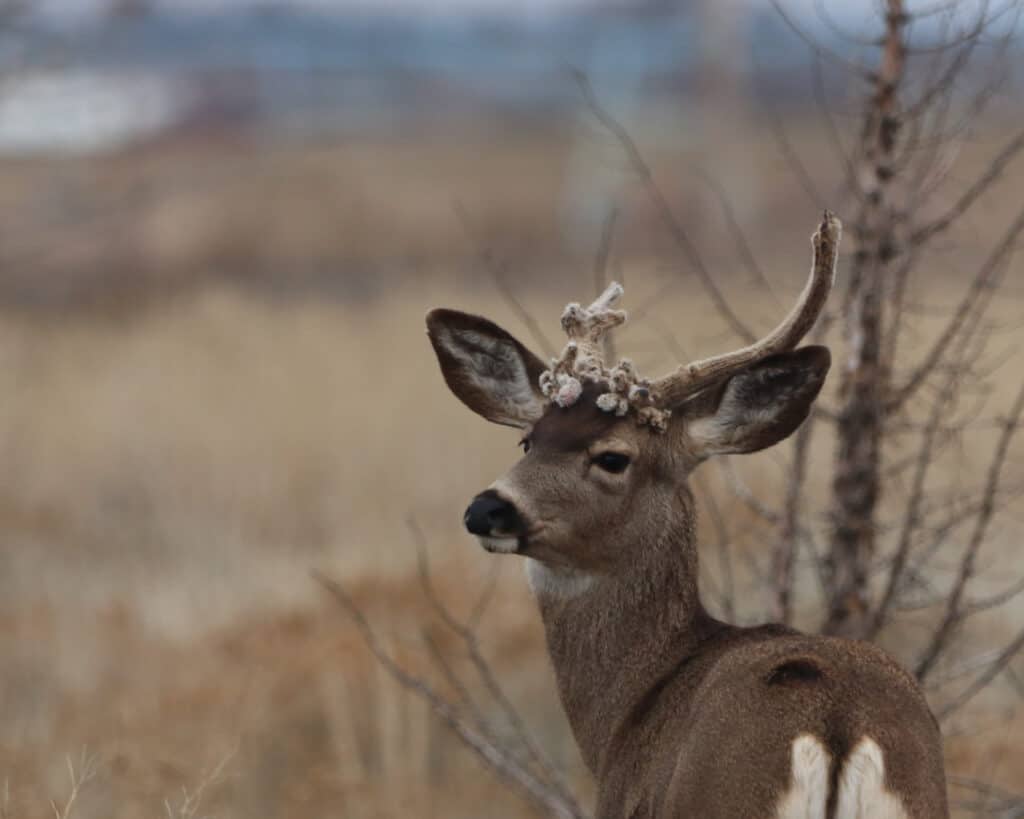
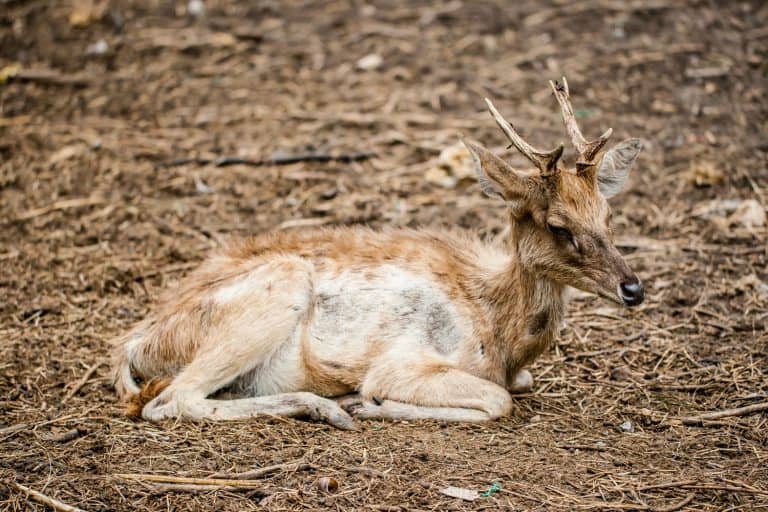
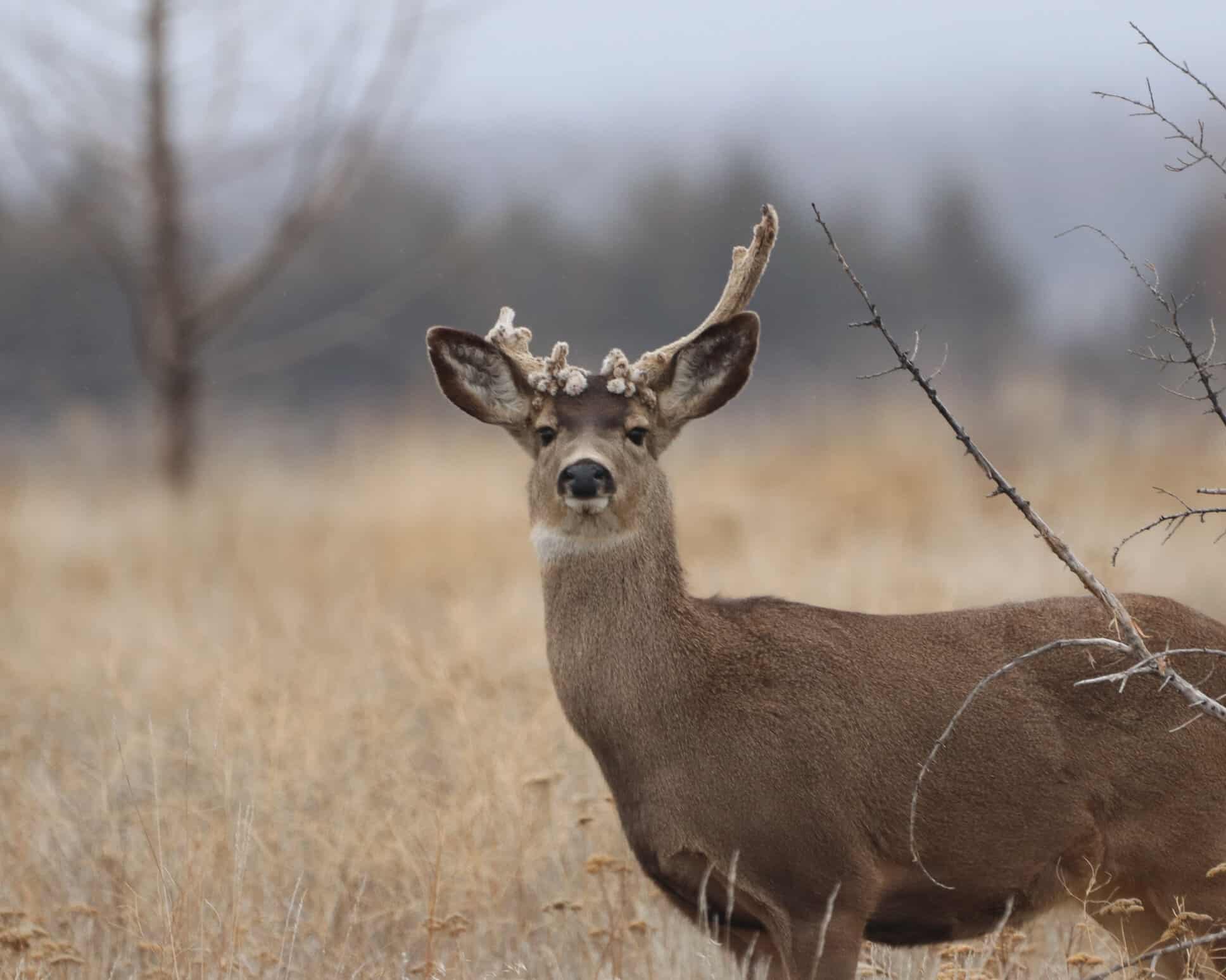
These deformed antlers are a result of epizootic hemorrhagic disease.
©iStock.com/Mickilu
Hemorrhagic disease refers to various conditions that cause heavy, often fatal bleeding. However, according to the College of Veterinary Medicine, in deer and other wildlife, the term describes any illness caused by two specific viruses: Epizootic Hemorrhagic Disease virus (EHD) and bluetongue virus (BT). This deadly disease primarily impacts white-tailed deer, but it can also affect mule deer, sheep, goats, and other ruminants. Typically, it involves a high fever and excessive bleeding. Right now, Missouri is seeing some cases of hemorrhagic disease in its deer population. In a press release by the Missouri Department of Conservation (MDC), MDC Wildlife Health Program Supervisor Deb Hudman explains more about hemorrhagic disease.
“Hemorrhagic disease is a naturally occurring virus in Missouri’s deer population,” she says. “Outbreaks are most common between July and October and typically end after a heavy frost kills the midges that spread it.”
How Is Hemorrhagic Disease Spread?
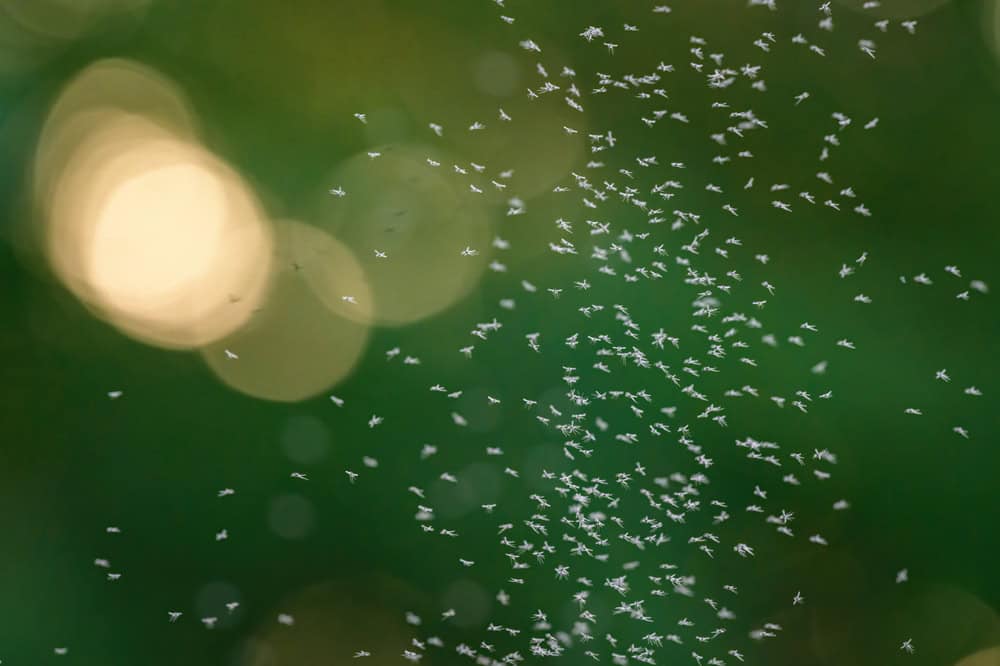
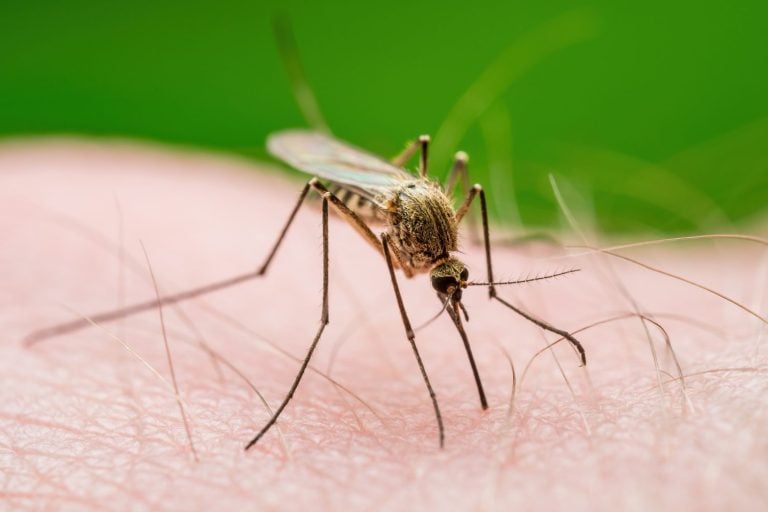
Gnats are the common culprits of hemorrhagic disease spread.
©Stephen A. Waycott/Shutterstock.com
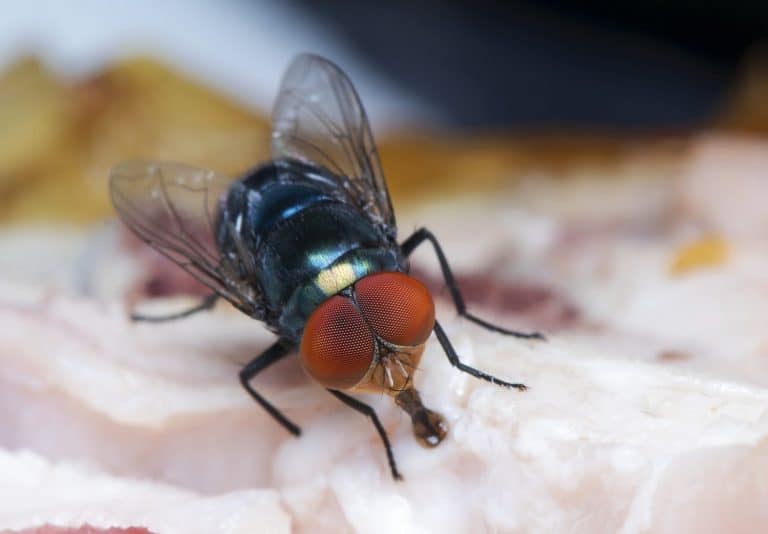
Hemorrhagic disease is not contagious between animals. In other words, an infected deer cannot pass the illness to a healthy deer. Rather, the disease spreads via infected midges carrying the virus and biting the deer. This often happens near bodies of water, where the midges (or gnats) hang out. These tiny insects carry the viruses that cause hemorrhagic disease in deer and infect the animals when they bite.
If a season (particularly summer into early autumn) is especially warm or dry, there’s often more of a chance of the disease spreading. This is because deer will find themselves spending more time around bodies of water, seeking hydration. That provides the perfect opportunity for midges to bite and infect them. Thankfully, the disease does not spread to humans.
Symptoms of Hemorrhagic Disease in Deer
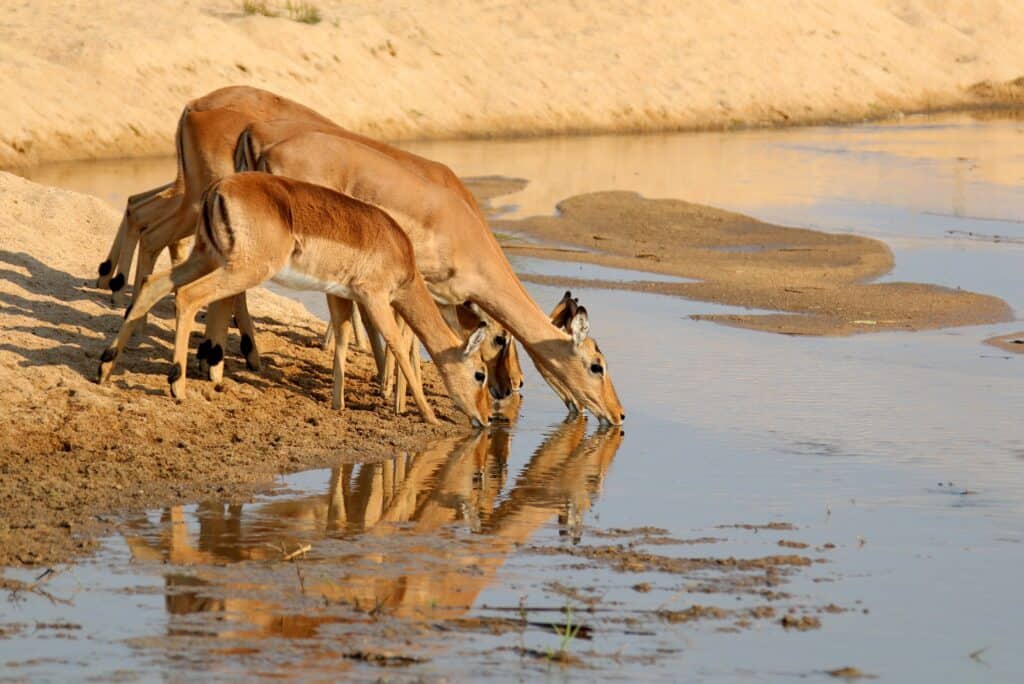
Infected deer will often gather around water for hydration.
©Khalil Ahmed/Shutterstock.com
Infected deer with hemorrhagic disease typically experience high fevers and excessive bleeding, dying within the span of just a few days. However, this isn’t always immediately noticeable from a human’s perspective, especially due to the quick progression of the virus.
As the disease advances, which takes as little as a day or two, the deer might experience swelling of the head, neck, and tongue. Additionally, the animal will often become severely dehydrated. You might notice them seeking out or spending more time by water. In fact, many end up dying near or in bodies of water.
Infected deer also often appear lethargic and may even seem fearful of other animals due to their deteriorating state. Some may even develop deformed antlers as a result of the virus. They might refuse to move or move very slowly. Some have difficulty breathing, especially in the final stages of the illness.
Why Are Missouri Deer Getting Hemorrhagic Disease?

Missouri has noticed an uptick in infected deer this season.
©Joseph Sohm/Shutterstock.com
The disease spreads through midge (or gnat) bites, which often occur near or around bodies of water. That’s why droughts often trigger the spread of the disease, as deer will gather near water for hydration. In fact, the last major outbreak in the state occurred in 2012 during a particularly severe drought. These outbreaks also often occur between the months of July and October, when it’s still warm outside. The illness itself is common among wildlife, so it’s not unheard of for small surges to occur. Despite there being reported cases, officials do not anticipate this year’s outbreak being particularly significant.
What Is Being Done to Stop the Disease?
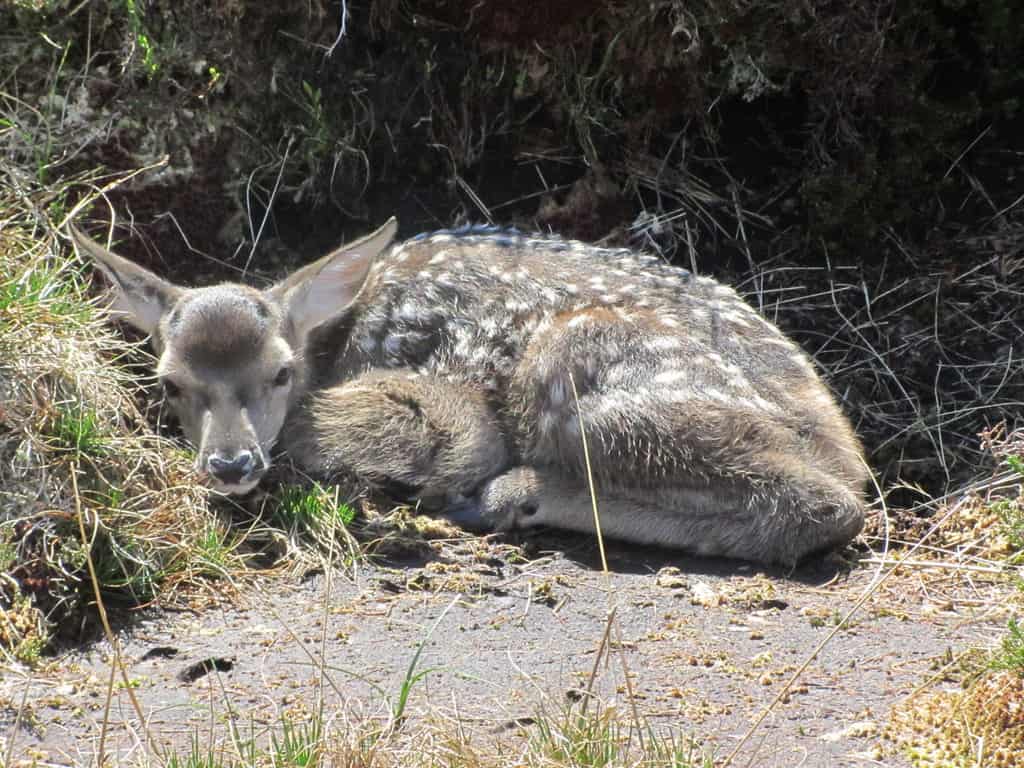
Missouri is asking residents to report any suspected cases of hemorrhagic disease.
The MDC is currently trying to track the number of hemorrhagic disease cases in the state’s deer population. That way, they can understand the extent of the outbreak and its potential impact on susceptible wildlife. As a result, they’re requesting that the public report any signs of sick deer.
“We care deeply about Missouri deer and deer hunting,” Hudman said in the press release. “By reporting suspected cases of HD, members of the public can help us track where the disease is occurring and how it’s affecting deer numbers in specific areas.”
Referencing the signs and symptoms section above, you can determine whether a deer might be infected with hemorrhagic disease. Alert local authorities if you suspect the illness is spreading in a certain area.