
Quick Take
- Hundreds of river dolphins in the Amazon basin in Brazil were found dead in 2023.
- The combination of a severe drought and rising water temperatures due to climate change contributed to these deaths.
- Researchers are studying to learn more and hopefully prevent a future occurrence.
Most people enjoy spotting dolphins on vacation, but if you visited Brazil in 2023, you would not have wanted to see the dolphins there. Locals witnessed a devastating scene: hundreds of dead dolphins washing up on shore. Rising temperatures, which created inhospitable living conditions, are responsible for this tragic event. New research reveals exactly what happened to these beautiful pink river dolphins, so we can help prevent it from happening again.
A Grim Discovery
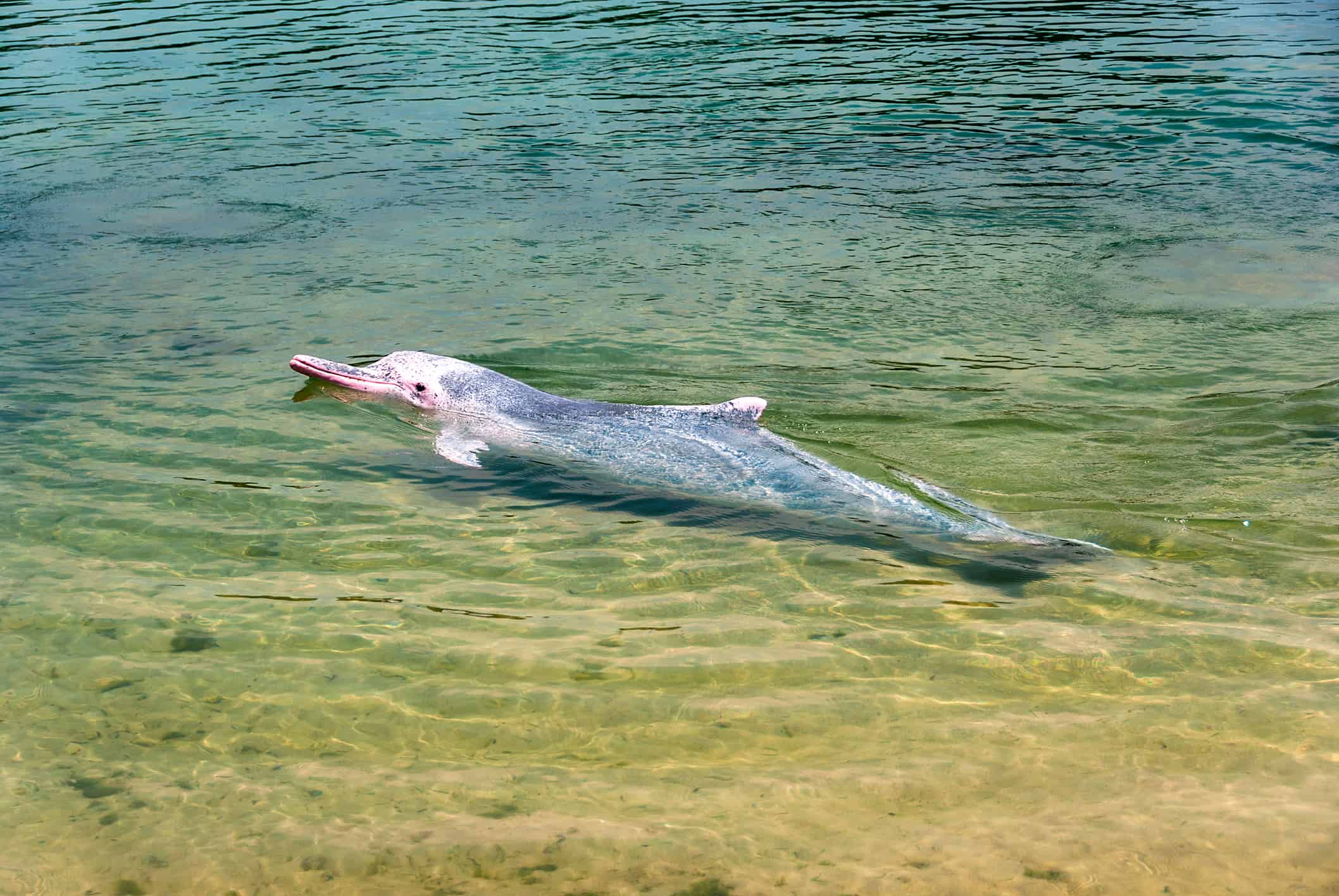
Pink dolphins died in Brazil due to a severe drought and fatally high water temperatures.
©Kushan Nirmal 369/Shutterstock.com
According to CBS News, more than 150 dolphin carcasses were found in Lake Tefé in Brazil’s Amazon state in September 2023, representing approximately 10 percent of the local dolphin population. These included 130 pink dolphins and 23 tucuxi dolphins, according to the World Wildlife Fund, both of which are listed as endangered on the IUCN Red List.
Hydrologist Ayan Fleischmann and colleagues studied 10 lakes in the area and found that five had exceptionally high daytime water temperatures. In one large lake, the entire 2-meter-deep water column reached up to 105.8 degrees Fahrenheit (41 degrees Celsius), according to research published in Science. For reference, hot tub temperatures usually range from 100-104 degrees Fahrenheit (37-40 degrees Celsius).
“We couldn’t even put our fingers in the water. It was really hot, not just in the top bit, but right down to the bottom,” researcher Fleischmann, from the Mamirauá Institute for Sustainable Development, said in a statement, per The Guardian. “You put your finger in and remove it instantaneously; it’s unbearable.” He explained that not only do these lakes house river dolphins and fish, but they are also essential for the food security of local communities.
Fleischmann added, “[Seeing this] was completely surreal and really scary.”
Climate Change Is Responsible
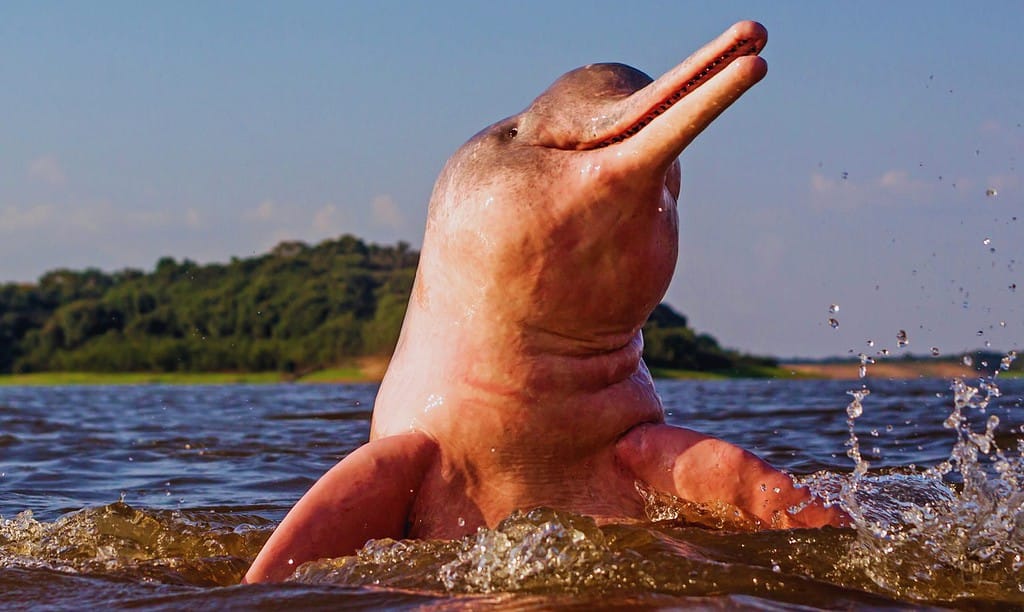
The biggest reason for these deaths was hot water not compatible with life.
©Ivan Sgualdini/Shutterstock.com
Fleischmann and his research team attributed the warmer water to the simultaneous occurrence of a severe drought and a heat wave. Weather models found that high solar radiation, reduced water depth and wind speed, and turbid waters were the main drivers of the elevated water temperatures, which were too hot for river dolphins and other fish to survive.
“This extreme heating of Amazon waters follows a long-term increase of 0.6°C/decade revealed by satellite estimates across the region’s lakes between 1990 and 2023,” study authors stated. “With ongoing climate change, temperatures that approach or exceed thermal tolerances for aquatic life are likely to become more common in tropical aquatic systems.”
The hot water temperatures are due to climate change, which shows a direct correlation between rising temperatures and dolphin mortality, per WWF.
“What is happening in Lake Tefé is appalling. The impact of the loss of these animals is enormous and affects the entire local ecosystem,” Mariana Paschoalini Frias, Conservation Analyst at WWF-Brazil, said in a statement. “Dolphins are considered ‘sentinels.’ That is, they are indicators of the health of the environment where they live. What happens to them is reflected in other species that live around them, including humans.”
During the 2023 drought, Lake Tefé lost about 75 percent of its surface area, per The Guardian.
More About River Dolphins
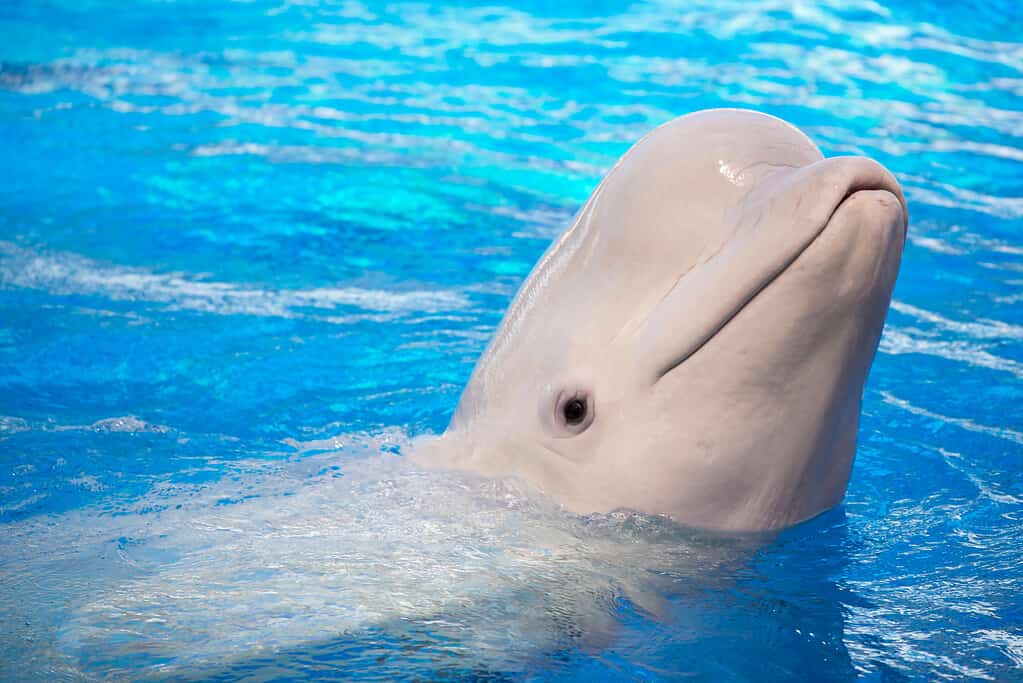
Many grey dolphins also did not survive.
©Aleksei Verhovski/Shutterstock.com
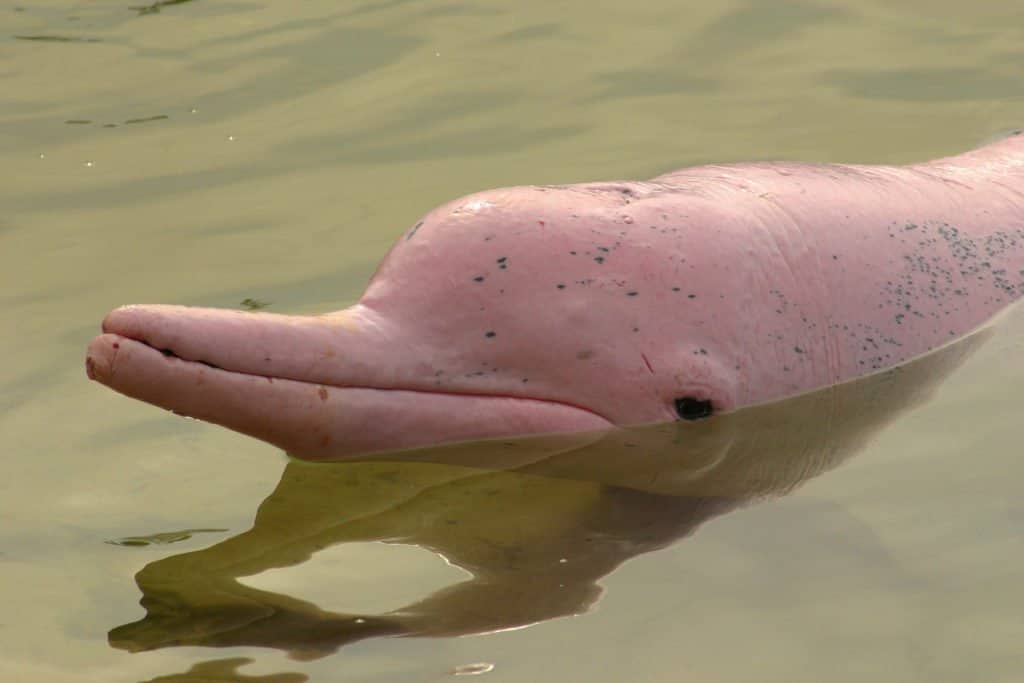
Amazon river dolphins (Inia geoffrensis), also known as pink dolphins, are considered the largest and most intelligent freshwater dolphins. They live in warm, shallow waters in the Amazon and in countries such as Bolivia, Colombia, Ecuador, Brazil, Venezuela, and Peru.
The tucuxi dolphin (Sotalia fluviatilis), or gray dolphin, is also found in the Amazon River. According to RiverDolphins.org, these dolphins are considered symbols of good luck because they avoid rocky and shallow sections, helping river guides navigate their boats safely around these parts of the river.
These dolphins are affected by human development and farming, which alter the ecology of waterways and impact their habitats. Overfishing can reduce their food supply, and pollution can also harm them.
What Can We Do to Save the Dolphins?
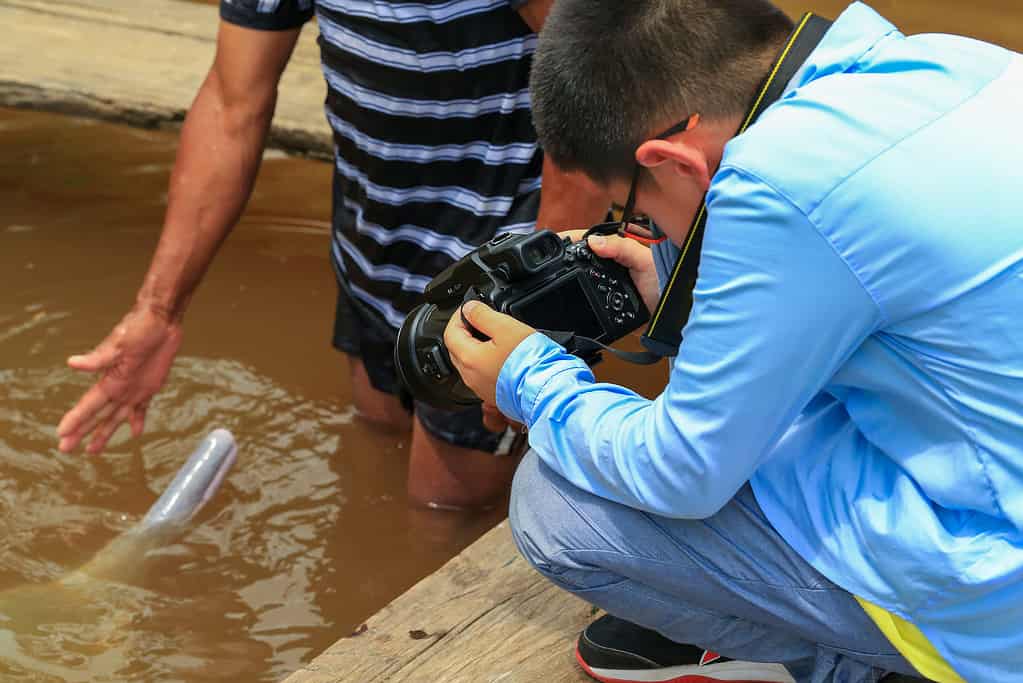
Researchers are monitoring and advocating for these Brazilian water dolphins.
©Jenhung Huang/iStock via Getty Images
“The climate emergency is here—there is no doubt about it,” Fleischmann said, according to CBS. He stated he would be attending the COP30 summit in November to advocate for long-term monitoring of the Amazon’s lakes and to continue to research the implications of drought and extreme heat on local wildlife populations.
WWF-Brazil and other organizations have collected dolphin carcasses, monitored live animals in critical areas, and gathered local samples to support further research.