
Mark your calendars! October 2 is World Farmed Animals Day, when advocates, veterinarians, policy experts, and everyday eaters examine how our food system treats animals. We spoke with Annette Manusevich, Farming Campaign Manager at World Animal Protection (U.S.), to learn more about what the day is, why it matters (especially right now), how people observe it, and the practical ways we can keep our awareness (and action!) going strong all year.
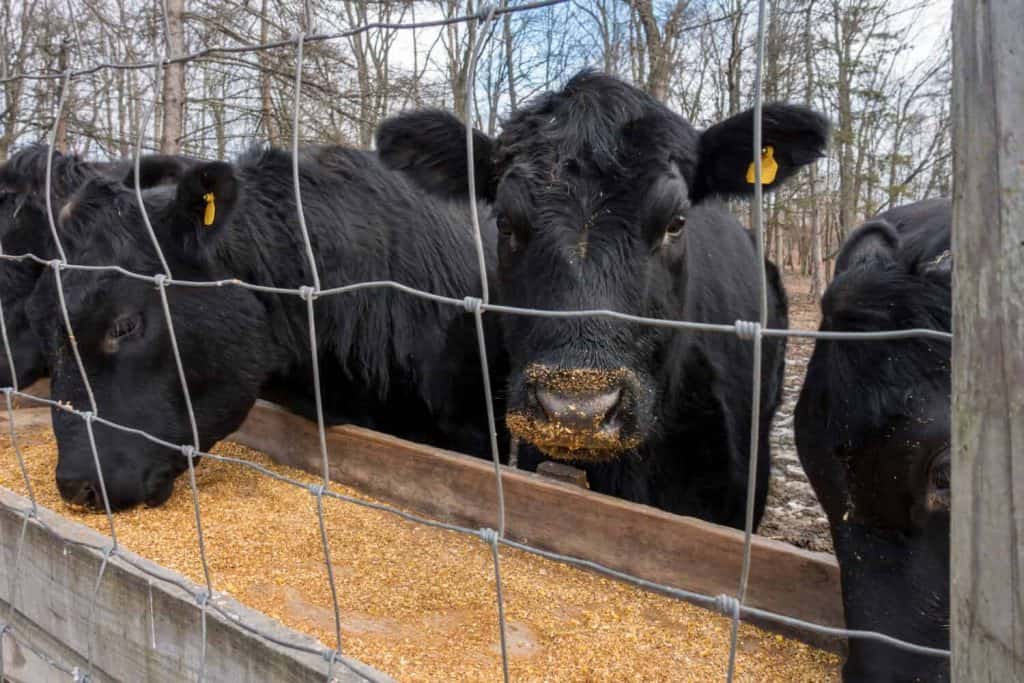
From cattle to pigs and even farmed fish, October 2 puts farmed animals on our radar.
©Brandt Bolding/Shutterstock.com
What is World Farmed Animals Day?
World Farmed Animals Day invites us to pause at the table (for every meal) and recognize the animals our habits touch.
Observed on October 2, the date nods to Mahatma Gandhi’s birthday and his oft-quoted line, “The greatness of a nation and its moral progress can be judged by the way its animals are treated.” It’s a reminder that compassion isn’t abstract; it shows up in everyday decisions and the systems we support.
“World Farmed Animals Day is an annual day of awareness that shines a light on the billions of animals raised and killed for food each year,” Annette tells us. She adds that the day challenges us to move away from cruel, industrialized systems like factory farming and toward choices that reflect our values.
Ethics is at the heart of the day, but it’s not the only reason it resonates. Scale, climate, public health, and economics all collide here, and those are what make observing it feel especially urgent.

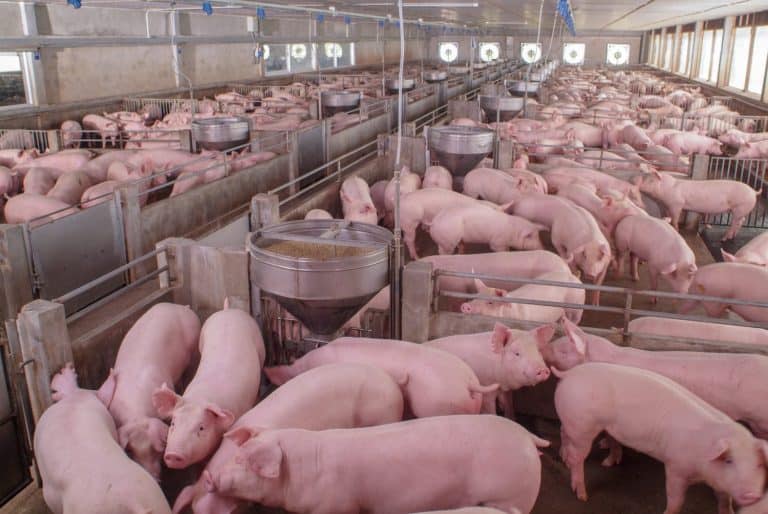
Packed into tight pens, these pigs show the reality World Farmed Animals Day puts in focus, and the change advocates are pushing for.
©Dusan Petkovic/Shutterstock.com
By the Numbers: Why World Farmed Animals Day Demands Attention
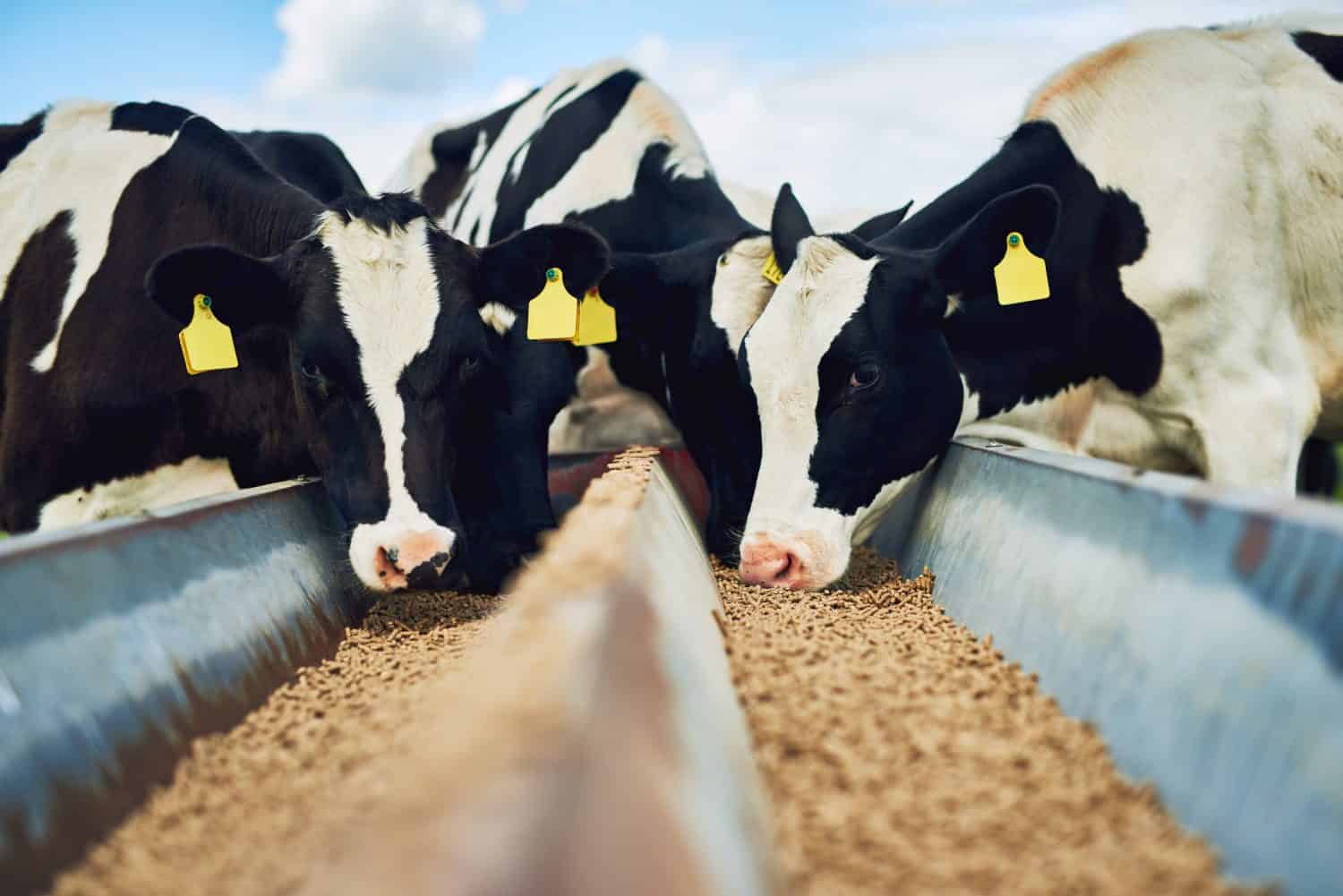
When it comes to the math, the scale is staggering, and that’s part of why World Farmed Animals Day exists. “Globally, more than 92 billion land animals are slaughtered yearly for food, most on factory farms,” explains Annette. “In the U.S. alone, around 10 billion farmed animals are killed annually. Chickens, pigs, and cows are confined in cramped, barren environments where they can’t engage in natural behaviors. Beyond animal suffering, factory farming is also a top driver of climate change, accounting for about 14.5% of global greenhouse gas emissions, more than all cars, trucks, and planes combined. It’s also a leading cause of deforestation, water pollution, and biodiversity loss.”
The greatness of a nation and its moral progress can be judged by the way its animals are treated.
Mahatma Gandhi
Those numbers feel heavy, but they also point to opportunity, particularly in a year when public interest and policy conversations are widening. “2025 feels like a turning point,” explains Annette. “Public opinion is shifting. People are more aware of the climate and health costs of factory farming, and younger generations are leading the charge toward plant-based eating.”
But There’s More…
Policy conversations are opening up more, too. “We’re seeing legislation on farmed animal welfare and discussions about redirecting agricultural subsidies,” Annette shares. “On the corporate side, while some food companies have made strong climate commitments, others have walked them back in favor of short-term profits. That short-sightedness is risky. Companies that keep an eye on the longer-term, big picture will likely see real benefits from shifting toward plant-based foods and procurement, as factory farming is becoming more exposed as environmentally unsustainable, reputationally risky, and vulnerable to regulation.”
From there, Annette points to recent investigative reports on major meat producers as a warning sign. And also a hint of where things are heading. She says World Farmed Animals Day gives us a chance to “connect these threads: animal welfare, climate risk, ethics, and corporate accountability.”
In plain terms, moving away from factory farming isn’t just about being kind to animals anymore. It’s quickly becoming a climate must-do and the kind of shift companies and policymakers can’t shrug off.

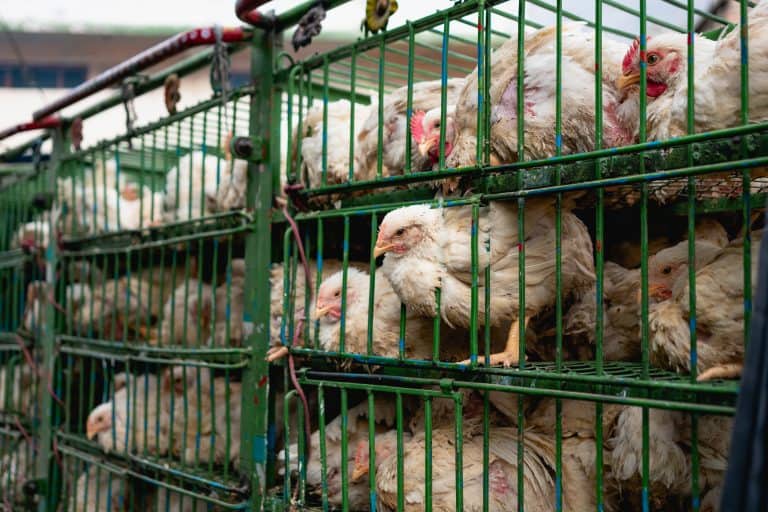
“In the U.S. alone, around 10 billion farmed animals are killed annually. Chickens, pigs, and cows are confined in cramped, barren environments where they can’t engage in natural behaviors,” says Annette.
©Humane World for Animals
What Happens on World Farmed Animals Day?
To picture what October 2 actually looks like, think local meetups and digital momentum, all designed to make the invisible visible. “You’ll see a mix of grassroots and digital actions worldwide: vigils outside slaughterhouses, social media campaigns amplifying the voices of animals, film screenings, community events, and plant-based food fairs,” explains Annette.
“At World Animal Protection, we support online advocacy and in-person events,” she adds. “We encourage people to use our toolkits, write to companies and policymakers, and participate in awareness-raising activities. We’re also encouraging people to go fully vegan for the entire day. It’s a powerful way to try out animal-free meals, discover plant-based options you might not have explored before, and see firsthand how accessible these choices can be.”
And part of the day’s purpose is myth-busting. World Animal Protection is doing its best to clear up the stories we’ve been told about what it takes to “feed the world.”
Beyond animal suffering, factory farming is also a top driver of climate change, accounting for about 14.5% of global greenhouse gas emissions, more than all cars, trucks, and planes combined.
Annette Manusevich, Farming Campaign Manager at World Animal Protection
“One of the biggest misconceptions is that factory farming is necessary to ‘feed the world,'” she says. “It’s an inefficient system that diverts crops and land to animals instead of people, driving climate breakdown.”
Annette also adds, “Another misconception is that animals on farms are treated ‘humanely’ by default. The truth is that most spend their lives confined, mutilated, and denied basic needs. World Farmed Animals Day helps break through the marketing myths and shows the reality behind the products on our plates.”
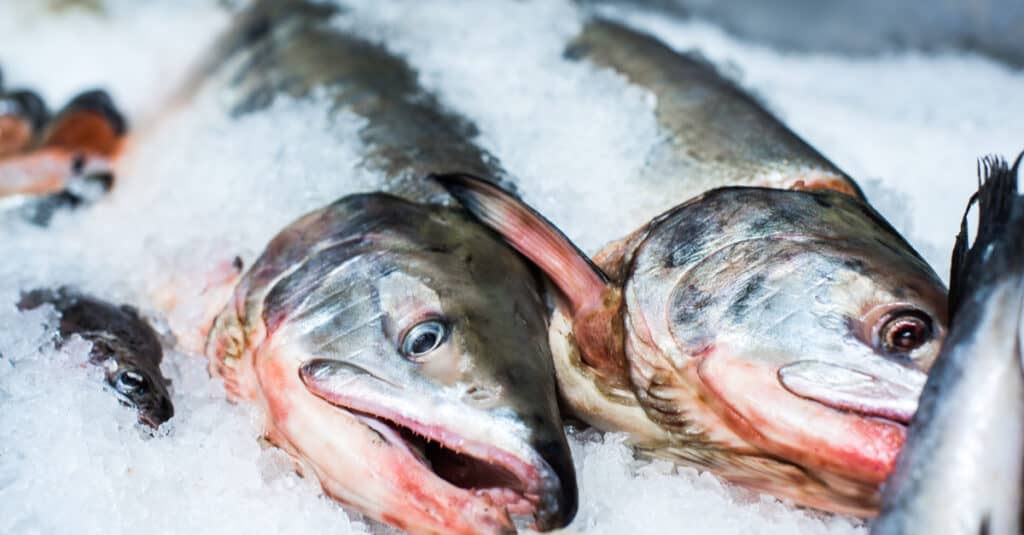
World Farmed Animals Day asks us to rethink what’s on our plate.
©ZinaidaSopina/Shutterstock.com
Where Can We Start?
If October 2 is new to you, start small. Try a plant-based meal, share a post, sign a petition, or swing by a local event. Little moves add up, and they matter.
“The most powerful step is choosing more plant-based meals,” Annette says. From there, boost a post, join an advocacy action, or back policies that phase out the worst factory-farmed practices.
Want your impact to last past one day? Consider your habits. “Change happens when awareness turns into consistent action,” Annette explains. Maybe it’s Meatless Monday. Maybe it’s supporting campaigns that push companies to shift menus and sourcing, or helping farmers transition to better systems. She also points to World Animal Protection’s Moving the Menu work. It’s proof that a single menu change can ripple across millions of meals.
On the organization side, Annette is clear about the ultimate goal: “Our work focuses on ending factory farming altogether.” That shows up as corporate pressure to expand plant-based options, policy reforms (including bans on the worst confinement practices and smarter subsidies), public education, and partnerships with innovators working on humane, sustainable alternatives.
Ready to plug in? Visit worldanimalprotection.us to sign up for updates, follow along on social, or join an advocacy community. Volunteering, donating, and backing corporate or legislative campaigns are all on-ramps, too.
Big picture, this isn’t just about animals (though it is very much about animals). As Annette puts it, factory farming is “not just an animal welfare issue — it’s a climate, health, and justice issue.”