
The gorgeous little western hognose snake in the clip is doing something strange to a blanket. Using its nose, it looks like it is attempting to root or burrow into the soft fabric. What is this strange behavior, and why is it doing it? Let’s take a closer look at how western hognose snakes live and find out.
About Western Hognose Snake Behavior
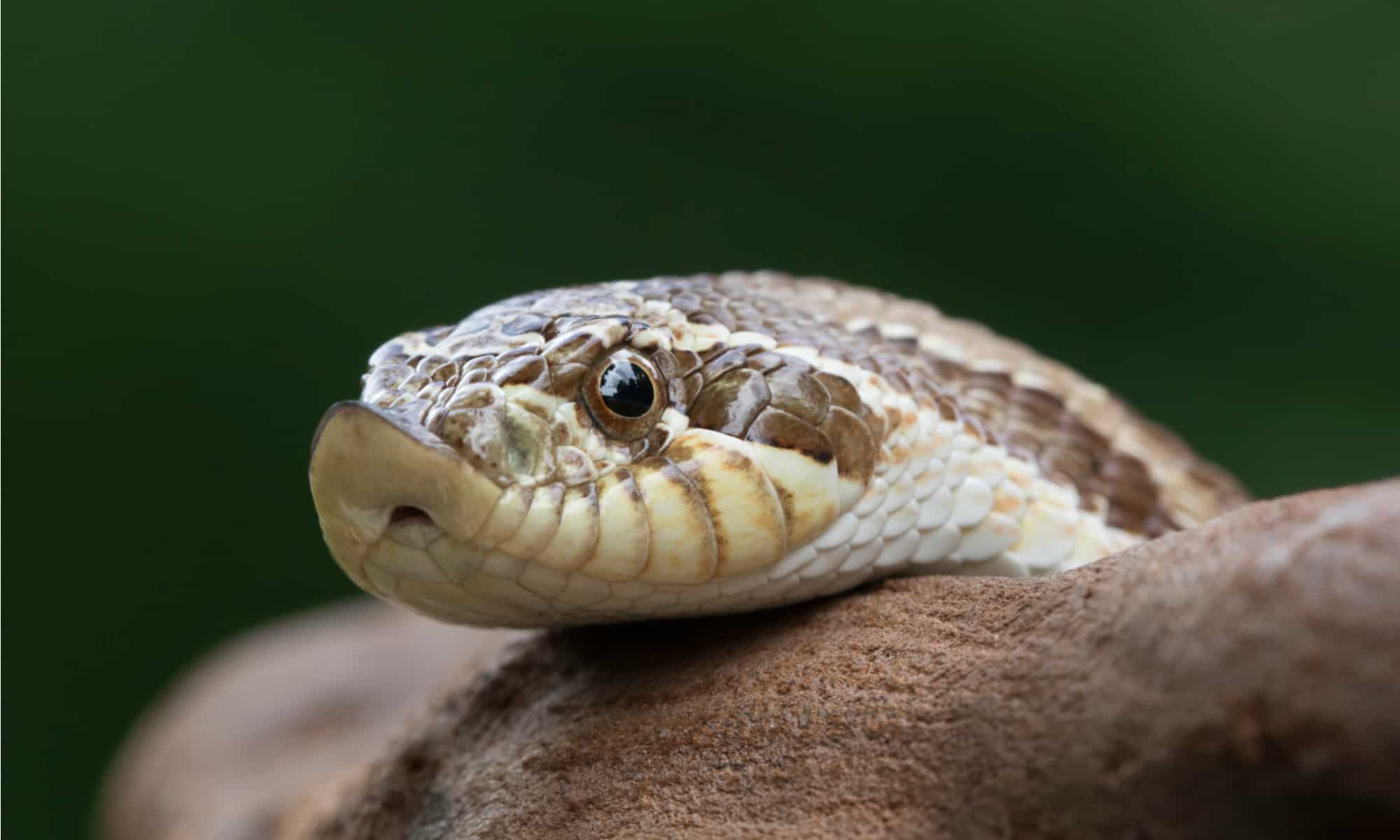
Western hognose snakes (Heterodon nasicus) are found from southern Canada to northern Mexico. Their range extends from Colorado and Wyoming in the west to Illinois in the east. Their preferred habitat gives us the first clue about this behavior. They are found in shortgrass prairies, dry rocky lands, and coastal islands. More importantly, they prefer dry, sandy environments such as sandy prairies, floodplains, and sand dunes. This means sandy prairies, sandy flood plains, and sand dunes. The snakes are experts at burrowing into the soft substrate, head first, using their upturned, stumpy nose. This distinctive nose is adapted for burrowing and is the reason for their common name.
Why Do They Burrow?
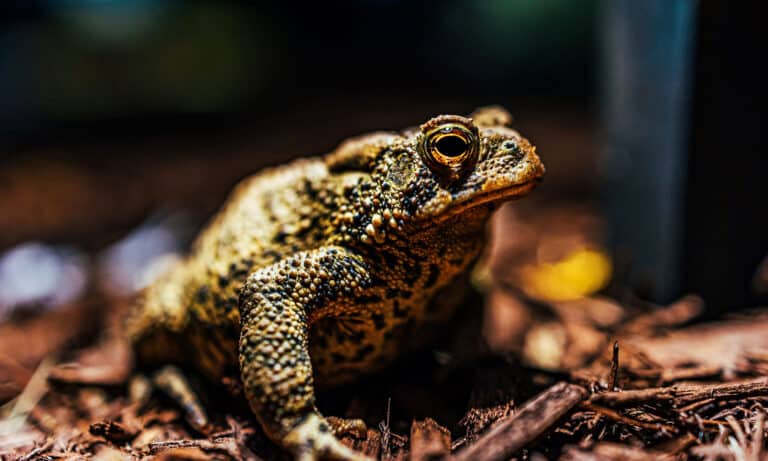
There are two reasons for this burrowing behavior. Firstly, they retreat into the sandy substrate to rest. It helps them to regulate their body temperature. They may also find a small mammal burrow to rest up in. Secondly, they do it to find food. They are carnivores and feed on small mammals, amphibians, reptiles, and eggs, all of which can be found below the surface. Typically, they search for toads buried in the sand using their noses. Toads make up nearly 80 percent of their diet in some regions, so finding them is an important skill.
Western Hognose Snakes as Pets
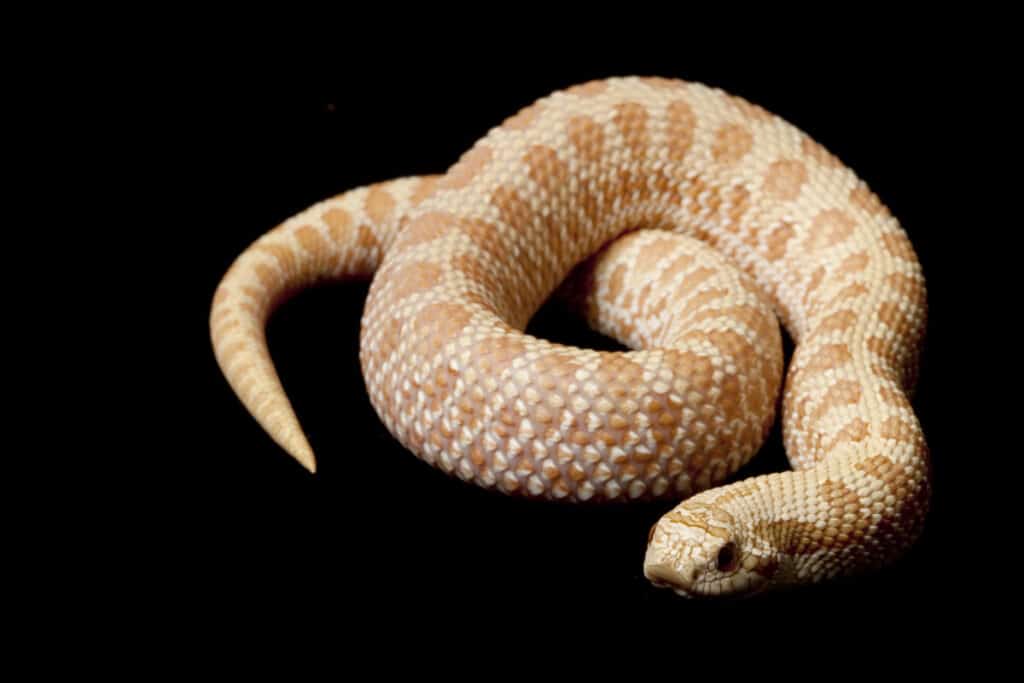
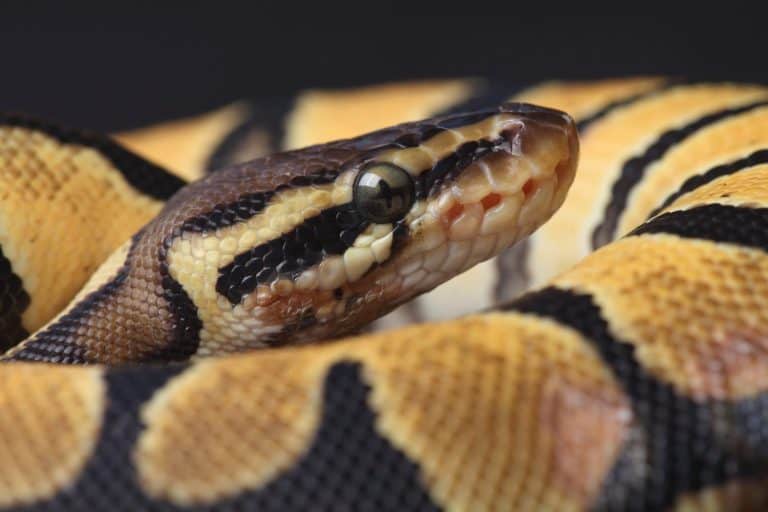
Western hognose snakes make great pets.
©fivespots/Shutterstock.com
These snakes tend to be timid and easy to look after, so they are popular as pets. Even inexperienced snake owners can successfully look after one as long as they do their research. They are safe to handle and are unlikely to bite. Even if they do bite you, their venom is not harmful to humans.
Most adults do not grow longer than 2 feet, but females can reach up to 3 feet in length. They can live for up to 20 years in captivity. You need to bear their need to burrow in mind when choosing a tank and prioritize floor space over height. You must also provide them with a few inches of sand mixed with an organic, reptile-safe soil that is free of perlite and contains no added fertilizers or chemicals. This will give them the opportunity to burrow and hide, which is essential for their well-being.