
If you’re a homeowner with a yard, the chances are good that you’ve seen a few furry friends out your back window from time to time. Be it squirrels hopping your fence looking for nuts or deer looking for their way home, odds are that you’ll see some animals back there from time to time. It’s a wonderful experience to see a cute critter within arm’s reach. You may even be tempted to feed it, but avoid doing so.
Feeding animals may provide some temporary happiness. However, over time, many of the common backyard animals you see may cause more harm than good. Here is a list of animals you’re likely to see and the reasons why it’s best to leave them be.
Raccoons
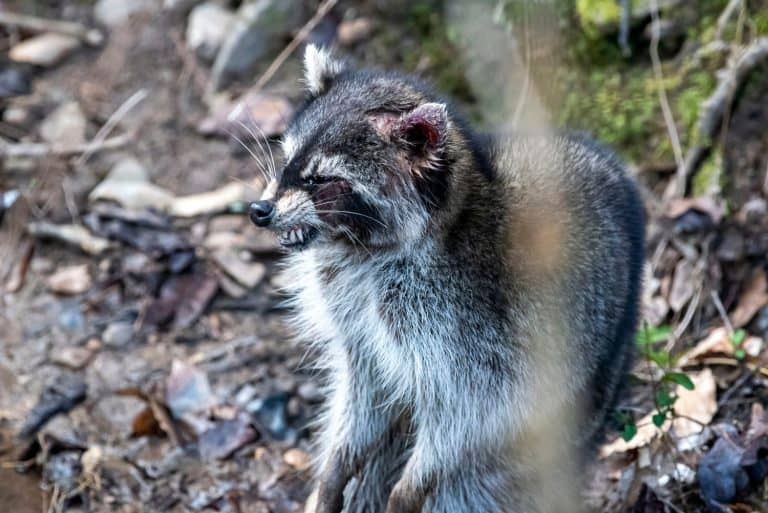
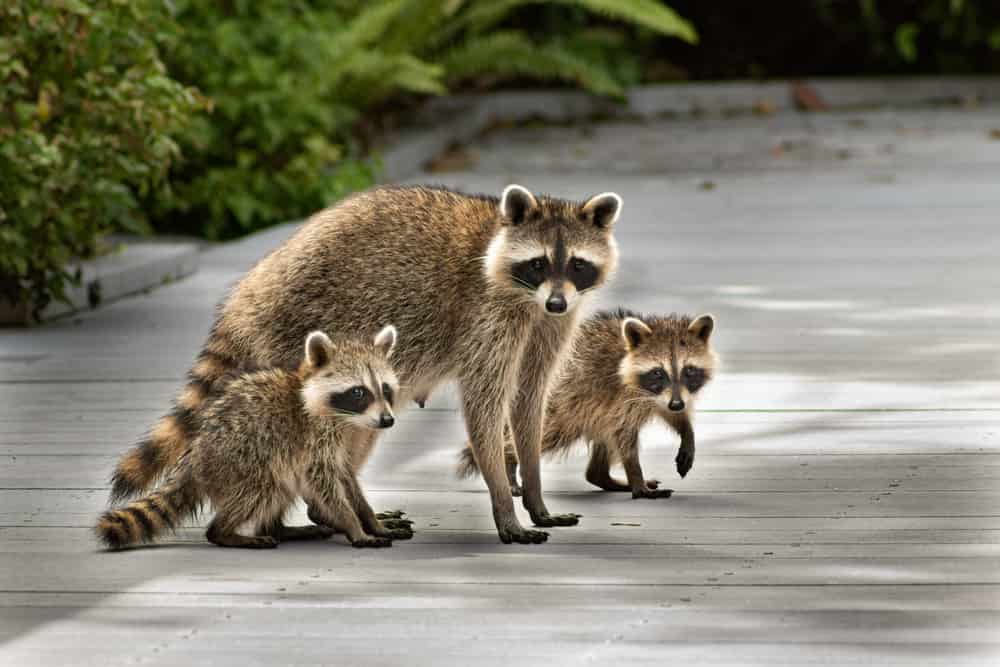
On top of the list of common backyard animals you’re likely to encounter is the raccoon, a nocturnal scavenger. You may even see them in groups in the yard, hanging around the trash cans or otherwise exploring the area. Many people find raccoons to be quite adorable. Some may be tempted to feed them to encourage them to keep coming around night after night, but avoid doing so.
One reason is that raccoons can be scared easily, and if you get too close, they may bite you. It would hurt, and you’d then be required to visit a medical provider for at least one rabies shot to avoid further injury. This is especially dangerous if you have children. In addition to rabies, raccoons can carry other dangerous diseases, from giardiasis, which can cause gastrointestinal issues, to Baylisascaris procyonis, which can lead to issues with your central nervous system.
The other reason why you should avoid feeding raccoons is that they could become accustomed to the food you’re providing. As a result, they could try to nest around your home, which often involves tearing into roofing materials, potentially leading to other household damage.
Squirrels
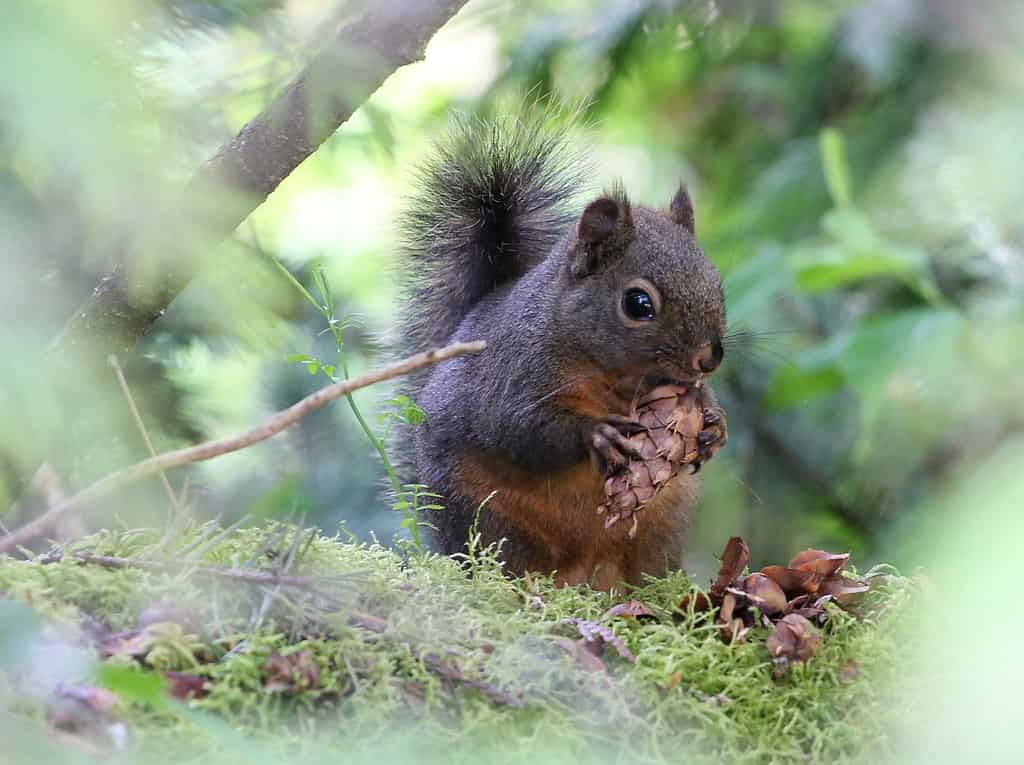
Though they are cute, if squirrels become scared and bite or scratch you, it could result in disease or illness.
©Randy Bjorklund/Shutterstock.com
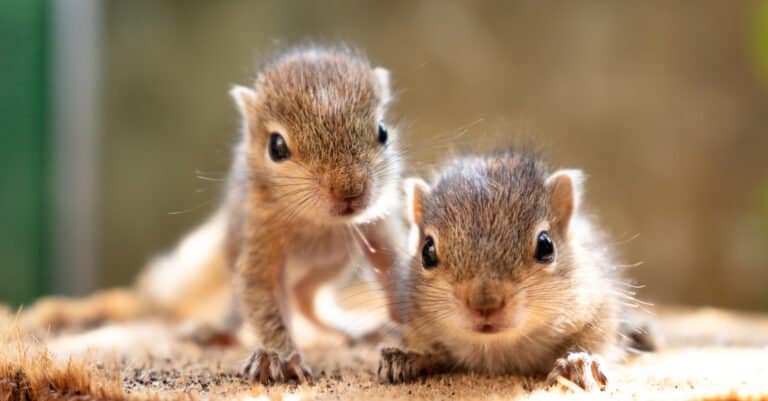
Squirrels are very common in most places throughout America, so you’ve likely seen many in your yard. Most squirrels are pretty cute, and they can also be quite friendly. You may be tempted to feed them so they come around more often. But you may find that to be a bad idea.
First, just like raccoons and many other common backyard animals on this list, if you keep feeding them, then they may lose their fear of humans, come around more often, and potentially bite or scratch you. A bite can hurt, and while it’s less likely than with other animals, squirrels can transmit diseases, from rabies to Lyme disease. Additionally, continuing to feed squirrels can attract more of them. Large numbers could damage your yard, bother your pets, and potentially lead to increased aggression.
Another issue is that most commercial animal food is not suitable for squirrels. Like most animals, squirrels will likely try to eat any food you give them. However, eating too much can lead to malnutrition, disease, and potentially death. You don’t want to be responsible if that happens.
Rabbits
Many people consider rabbits and bunnies to be among the cutest of the common backyard animals. You may even be tempted to try to keep one as a pet. However, while feeding rabbits is not as bad as feeding some of the other animals on this list because they don’t spread many diseases and don’t typically bite, these furry creatures are famous for tearing up gardens and eating the food within. So, if you keep drawing rabbits to your yard, they may keep coming, and that can be bad news for your property or a neighbor’s garden. Plus, if you put out food to attract rabbits, you may also attract other less desirable creatures.
Deer
The chances of seeing deer in your backyard depend on the state where you live and the type of community you call home. Deer are very majestic creatures, so many homeowners want them to come back day after day. Just be careful doing so. A big reason why this is frowned upon is that overfeeding deer corn and other food can result in a dangerous disease called enterotoxaemia, also known as grain overload. Symptoms can include abdominal pain, diarrhea, and possibly sudden death. It’s not going to happen every time, but it’s not worth the risk of hurting the deer.
There are other issues as well. When deer leave their natural habitat to continue coming to your yard, they could be at risk of crossing the road and being struck by traffic. Also, coming out in the open increases the risk of attacks by other predators, from coyotes to domestic dogs.
Skunk
While most people will try to avoid skunks, others are excited when one enters their yard and may try to feed them or at least leave food out for them. Feed a skunk once or twice, and they may get used to your generosity and keep coming back for more. This reliance on human food could cause other issues for your family and your pets. Like with raccoons, skunks may bite you if they feel threatened, and then they can spread disease, including rabies. Even their urine and feces can spread disease, so it’s best to be careful.
Ducks
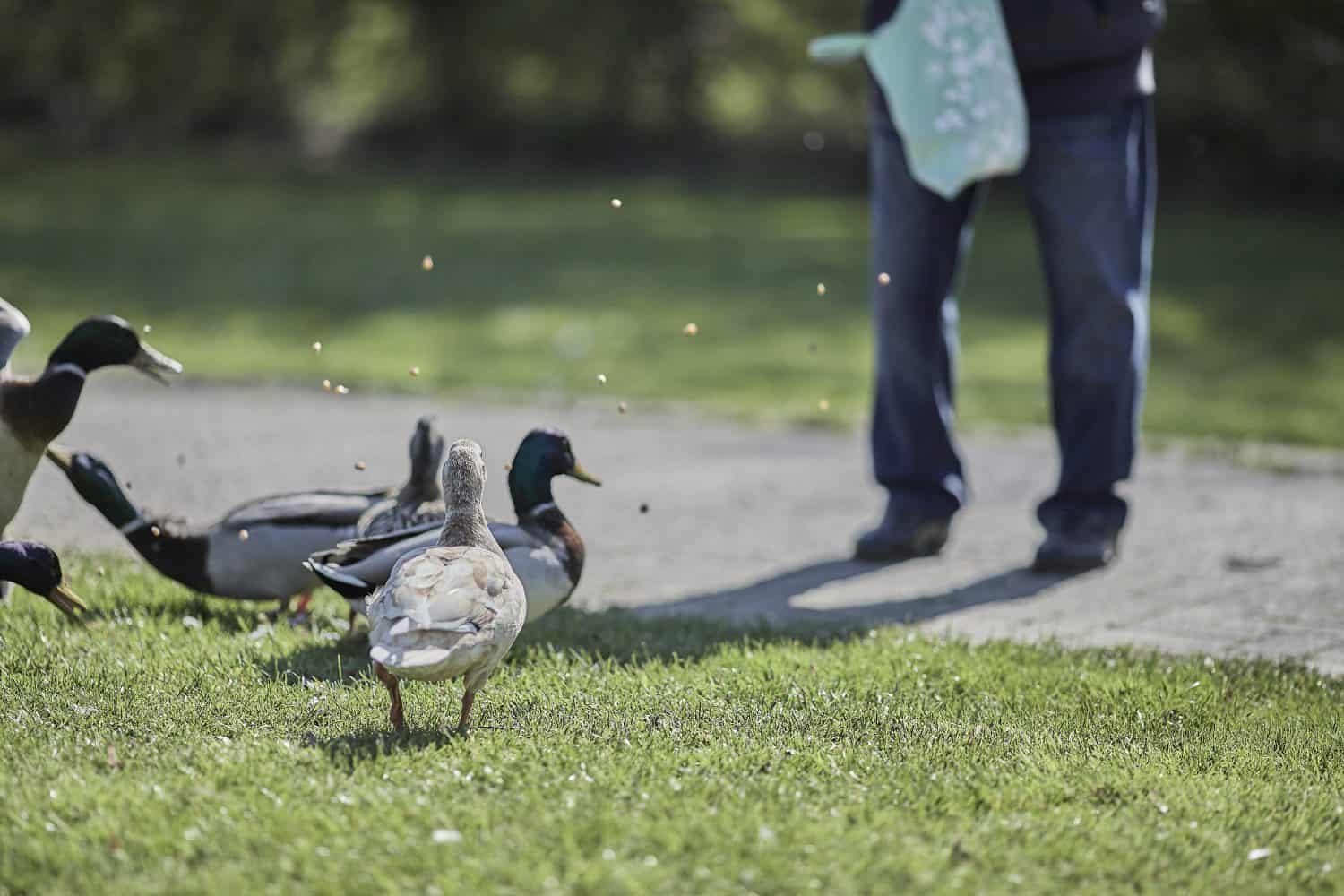
It’s always tempting to feed the ducks, but doing so could hurt them in the long term.
©Wirestock Creators/Shutterstock.com
If you have a yard that’s near a water source, it’s possible that you may have ducks pass through your property. It’s tempting to feed them, but doing so can cause many issues.
One of them is that if you continue to feed the ducks, they may consider that to be a dependable food source. As a result, they may stay in places where they shouldn’t. As a result, there may not be enough food to support large concentrations of waterfowl. If you’re not providing enough food for every duck, competition for food can cause the birds to become stressed, making them more susceptible to disease.
Finally, like many other animals on this list, a healthy fear of humans is what helps ducks to survive. When they leave their natural habitat and lose this fear, it could become easier for them to be consumed by predators, be hit by vehicles, and face other, potentially lethal issues.
Cats
Cats are among the most common backyard animals, especially in many urban areas. However, as cute as many of them may be, it’s important to avoid feeding them. First and foremost, as is the case with many animals, stray cats are not domesticated and aren’t acclimated to humans or other animals, such as your pets. If cornered, confined, or otherwise threatened, a cat could lash out and scratch or bite, which can be very painful. Additionally, depending on their previous exposure, cats can harbor a variety of diseases and parasites, including rabies, fleas, ticks, viruses, and feline leukemia. So, it’s better to be safe than sorry.
Wild cats can also cause damage to property. Stray cats often congregate, defecate, and urinate in buildings, creating unsanitary conditions. Bringing cats around also increases the chances of them being struck by vehicles and being negatively impacted by other environmental issues. Finally, most stray cats have not been spayed or neutered. So, bringing them around may result in more cats and more issues.
Foxes
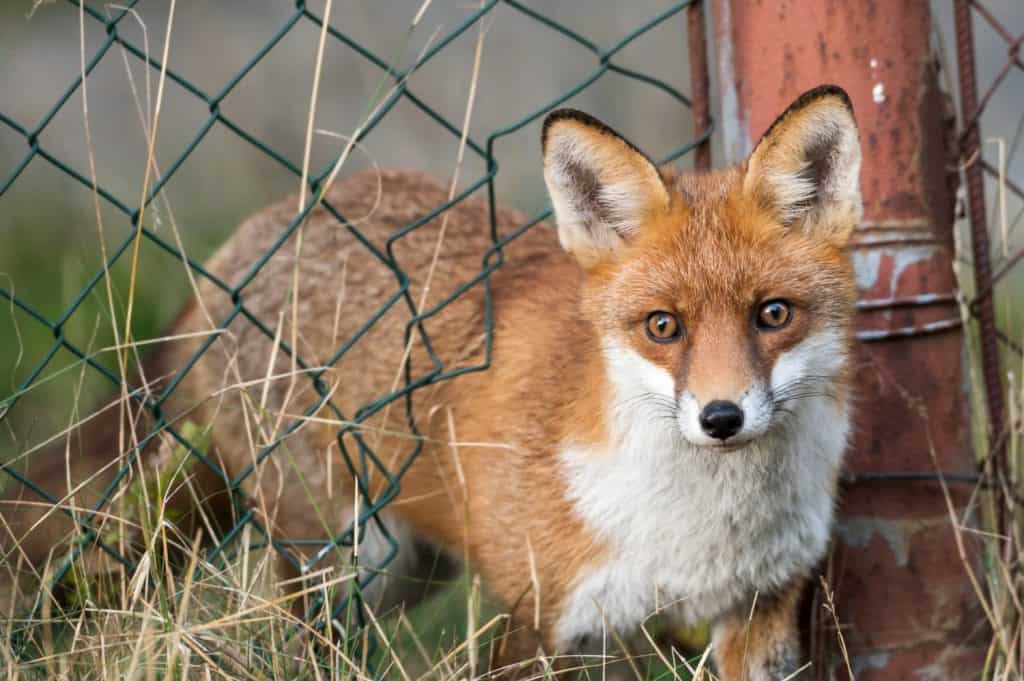
Encouraging foxes and other animals to come out of their natural environment could lead to health risks from predator attacks to traffic accidents.
©Ronald Rampsch/Shutterstock.com
While most people won’t go up to grey foxes, red foxes, and other fox breeds and feed them, many people see foxes as being like dogs, and so they’ll leave out dog food for the foxes that come into their backyard. Humans and foxes generally stay out of each other’s way. That’s a good thing because animals need a healthy fear of humans. If they come around your home and your town, they could be struck by vehicles, they could eat potentially poisonous substances, and even be trapped by other humans with more nefarious intentions.
It’s also important to avoid feeding foxes for the benefit of you and your pets. There have been stories of foxes making their way into homes through open doors, windows, and cat flaps. If they do, the life of a child or a pet may be in danger. Many foxes may also want to live near your food source and burrow under sheds and make a home there. That can cause more issues down the road.
Muskrat
If you live near lakes, ponds, and other bodies of water, you may see muskrats milling around your property. Even if you don’t feed muskrats directly, if you have corn, wheat, grain, soybeans, and other crops on your property, you may attract these critters. If you notice these common backyard animals around, be cautious.
For starters, there’s the risk of rabies. If a muskrat bites your dog and gets rabies, it can transfer the disease to you. Over time, muskrats can also cause damage to your property and the surrounding areas. In addition to destroying gardens, muskrats excel at creating tunnels. Their tunneling efforts can weaken water barriers over time, potentially leading to flooding.
Leave Animals Alone
In conclusion, it’s best to leave wild animals alone. Many of these critters are bound to grace your backyard, but you don’t need to give them a reason to come back again. As tempting as it may be to feed these often-adorable animals, enjoy the natural world from a distance. You’ll likely be doing yourself, your family, and your pets a favor.