
Quick Take
- Successful winter survival requires deer to ignore human handouts despite extreme weather conditions.
- The Michigan wildlife disease program links high-carbohydrate food to 2 types of fatal digestive conditions in wild deer.
- Providing food for deer makes them significantly less likely to survive the winter, given diseases and their delicate digestive systems.
- Careful habitat management is required to stop deer from yarding up near dangerous roads.
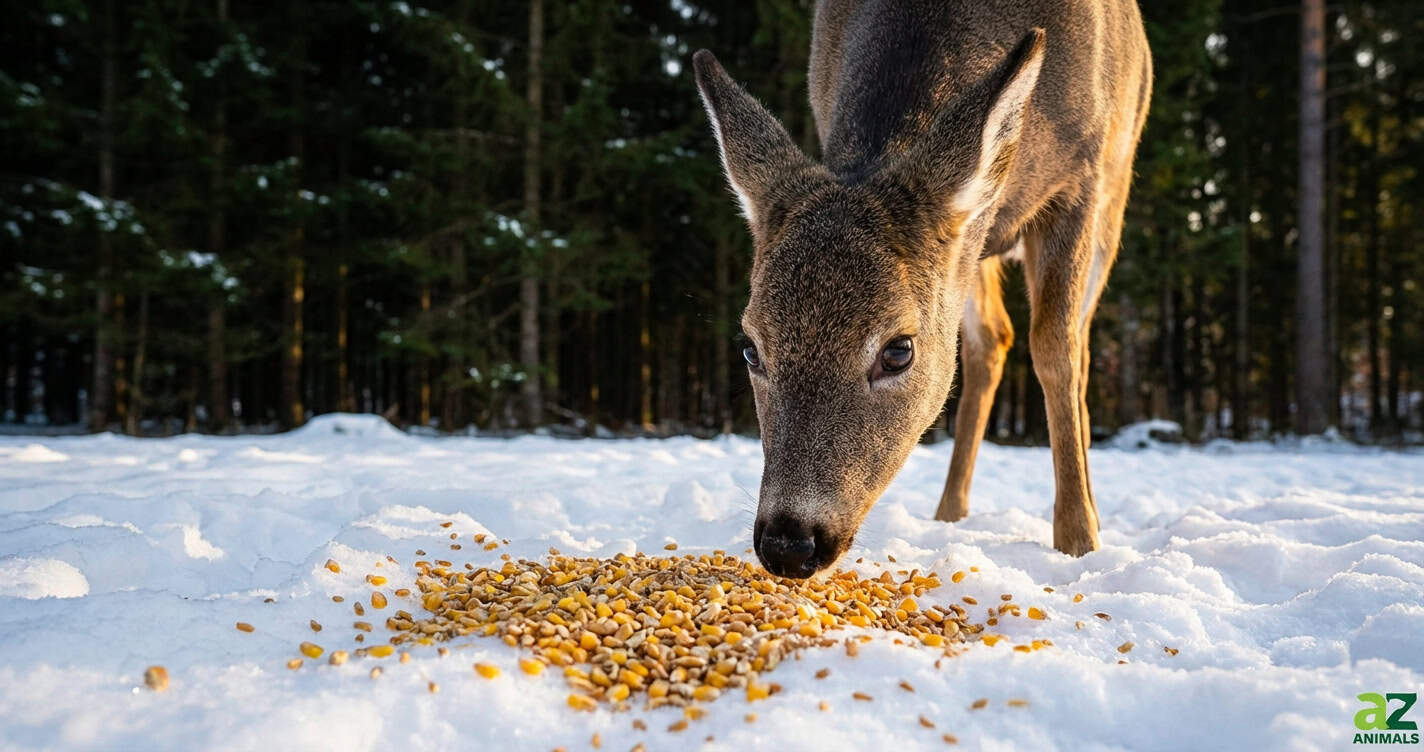
When deer start showing up in backyards, it’s easy to feel like you should help them, particularly in winter. Even just a bit of food can’t hurt, right? Well, wildlife agencies discourage this behavior for a reason: winter feeding has the potential to create the exact conditions that make deer less likely to survive.
Regardless of how much you’d like to help them, deer are adapted for winter. Although feeding may seem helpful at first, feed piles can actually draw deer away from valuable cover and introduce foods their stomachs aren’t prepared to digest. Additionally, feeding wild animals can increase the risk of disease. So, what can you do to help your local wildlife without feeding them?
If you want to support deer this season, here’s how. We’ll explain how deer behave and why feeding them during winter may not be the best idea. Here’s everything you need to know about keeping your wild deer population safe, without offering them free food.
How Deer Operate in Wintertime
Like many animals, deer behave very differently in winter compared to other times of the year. They build fat in fall, then opt to conserve energy in winter by moving less and relying heavily on stored reserves. Deer can reduce food intake during winter regardless of what’s available, and may rely on fat reserves for a large share of their daily energy needs.
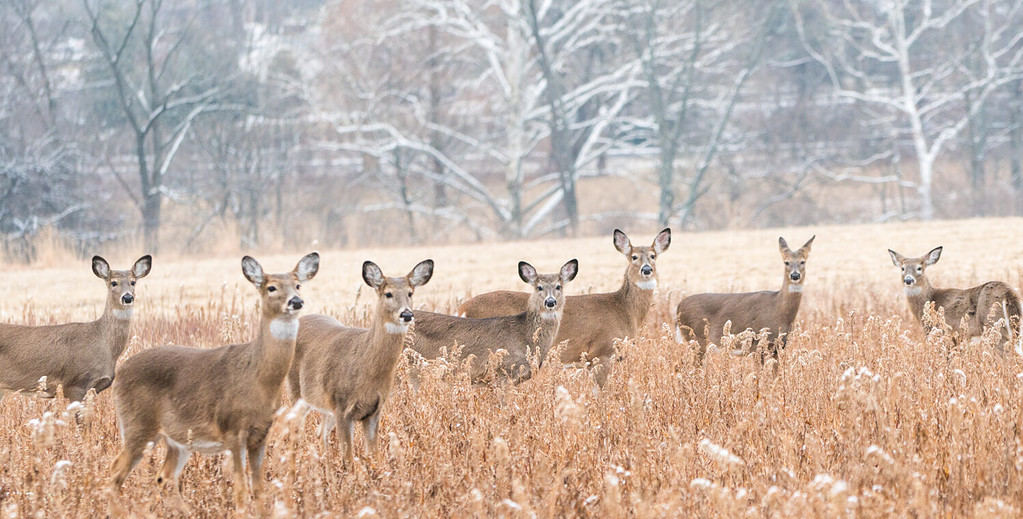
While it may seem helpful to feed deer during winter, their metabolisms can’t handle it.
©Amy Lutz/Shutterstock.com
When allowed to gorge on free food, a deer’s metabolism can be altered in a season when they need the most consistency. Plus, there’s also their unique digestive system to contend with. A deer’s rumen is a fermentation system powered by microbes, microbes that shift with the seasons as their diet shifts gradually.
This means that eating grain or hay when running on a winter-adapted system can slow digestion or push the rumen into a dangerously acidic state. Deer can literally starve with a full stomach if what they eat can’t be processed properly, which is just one of the many dangers that can come from feeding deer in winter.
Reasons Why You Shouldn’t Feed Deer in Winter
Now that you have an overview of how much deer change during the wintertime, these are the key reasons why feeding them during this season in particular can do far more harm than good.
Diet Changes
Deer can’t eat just anything at any time; their diet depends heavily on the season and food availability.
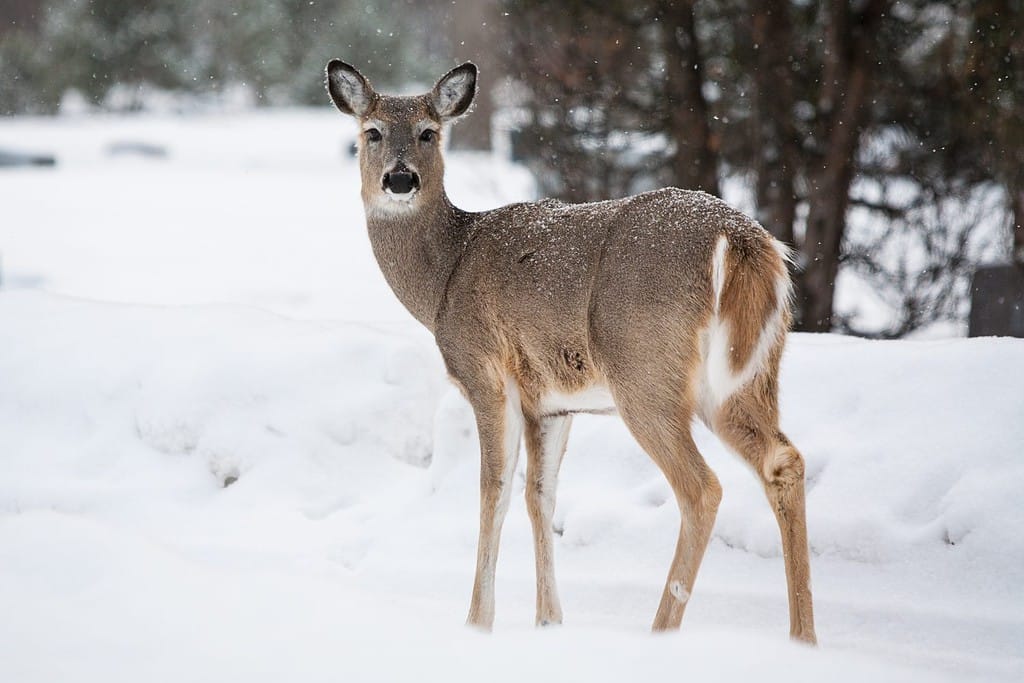
Too many deer gathered in one place can easily spread disease.
©FiledIMAGE/Shutterstock.com
For example, Michigan’s wildlife disease program describes that sudden access to high-carbohydrate foods can trigger acute, often fatal conditions in deer, such as acidosis (grain overload) and enterotoxemia (also simply known as overeating disease). These can kill deer quickly, even in animals that looked healthy just hours earlier.
Additionally, offering grains or hay after deer have switched to their woody winter diet can destroy the beneficial microorganisms in their rumen and lead to death, even though deer will readily eat these foods. That’s why it’s so important not to offer them anything outside of their current seasonal diet.
Disease
Even if the food doesn’t cause digestive issues, feeding by humans can change deer behavior in ways that promote disease, such as causing them to gather in large groups.
Chronic wasting disease is a fatal disease affecting deer-family species. Transmission can occur through direct contact with saliva, urine, and feces, and also indirectly through contaminated environmental surfaces. This kind of risk is created by repeat visits to feed piles, and the contagion will remain until deer stop returning.
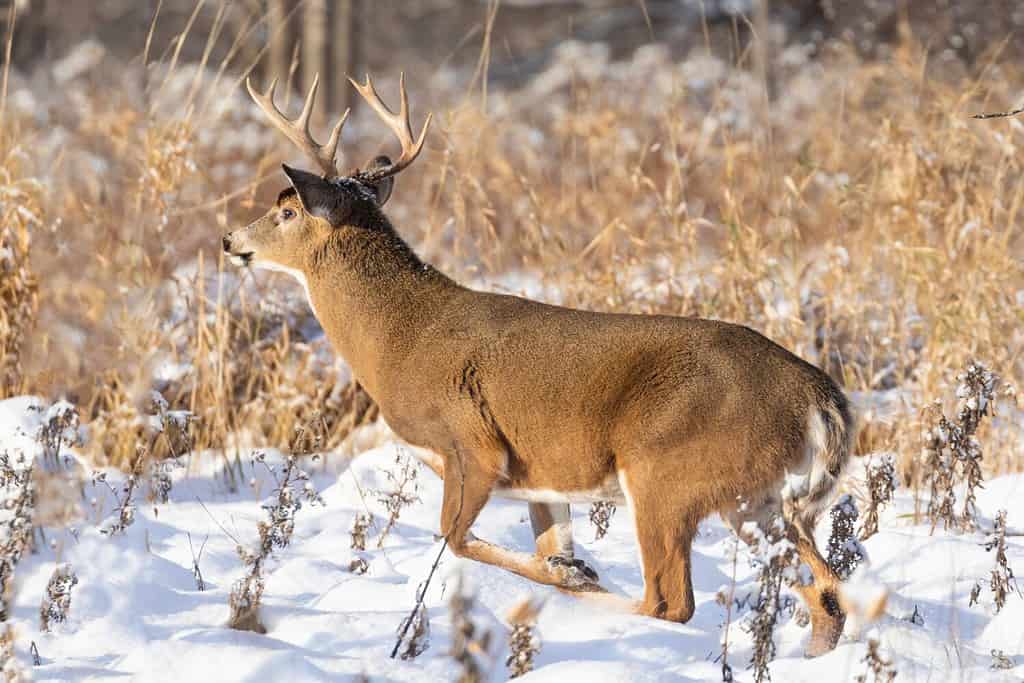
Deer may continue to eat available food sources, which can lead to overgrazing, habitat degradation, and increased risk of malnutrition or starvation.
©Mircea Costina/Shutterstock.com
States where CWD has been detected often respond by restricting or banning the baiting and feeding of wild animals, especially deer. These bans help reduce congregation and slow the spread of diseases, which can easily spread when many deer gather in the same place over time.
Collisions
When deer are drawn to more populated areas, the risk of collisions and traffic accidents increases. Deer-vehicle collisions are common around feeding sites, especially when deer are drawn near recently plowed roads or into suburban neighborhoods. While feeding your neighborhood deer may seem like an innocuous decision, it can shift deer travel patterns and increase roadway crossings during a season when driving is already perilous.
Behavior Changes
While it’s normal for deer to hang out in neighborhoods naturally in some wintering conditions, artificial feeding can concentrate them more tightly than normal, increasing aggression and stress within the herd. During an already demanding season, this stress can weaken animals and make them more vulnerable to disease and other issues.

Deer that grow accustomed to free food are more at risk for vehicle collisions or other human conflicts.
©Carol Hamilton/Shutterstock.com
Another issue is habituation, where wild animals become accustomed to being near people. This increases the risk of conflict and keeps deer near roads and pets, leading to more problems in the future. Some states have laws against feeding wildlife and may fine people who do so, highlighting the importance of avoiding this practice.
A Deer’s Ideal Winter Habitat
If you want to help deer in winter, especially in areas with high deer populations, the best option is to avoid feeding them and instead support the natural habitat they rely on. By maintaining and managing high-quality winter cover and improving browse availability, you can help deer much more effectively than by simply providing them with hay.
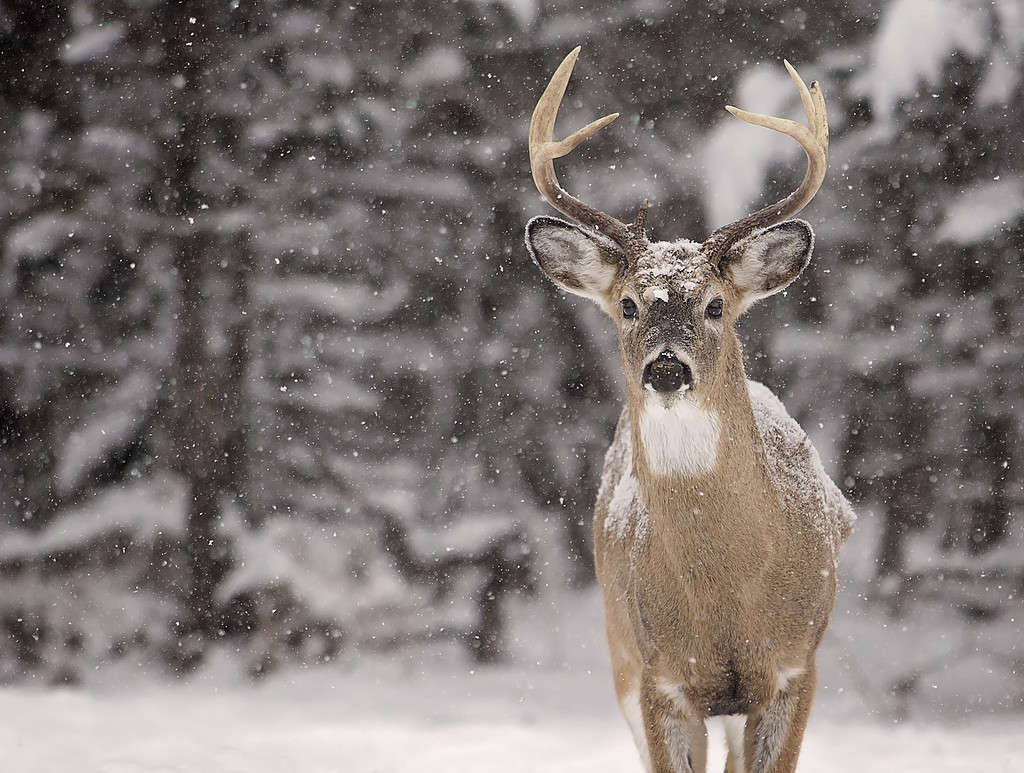
Leaving your natural cover alone during the wintertime offers deer more places to take shelter.
©Lynn_Bystrom/iStock via Getty Images
Practical options for you to consider include:
- Leaving natural cover alone in winter. Dense softwood cover and brush reduce energy loss from wind and deep snow, and deer actively seek that shelter.
- Managing woods for browse. Where appropriate and legal, selective cutting and timing forest work can make treetops and woody browse more available in winter.
- Planting native browse and winter cover. Native shrubs and conifers suited to your region can help deer find valuable food, and keeping them spread out will help prevent disease.
- Securing any food attractants. Something as simple as unprotected livestock feed or spilled bird seed can function like feeding stations for deer, so it’s worth cleaning those up during winter.
What to Do to Truly Help Deer in Winter
If you already have your neighborhood deer showing up in your yard for food, there are some options for you to consider. Take these steps to help your local deer stay safe this winter:
- Don’t start a feed pile; if one already exists, don’t expand it. Wildlife agencies warn that, once feeding starts, it can be next to impossible to stop without disrupting deer behavior, and diseases can spread either way.
- Keep deer away from roads. Avoid anything that draws deer across plowed driveways or toward highway edges, which includes feeding or comfortable shelter opportunities.
- Support habitat work over the long term. The most effective way to help deer is to improve their winter cover and browse availability, which can be achieved through careful woodland management if you own property.
- Check your state’s rules. Feeding restrictions vary widely and may change by county when certain diseases are detected, so always be aware of what’s legal in your state.
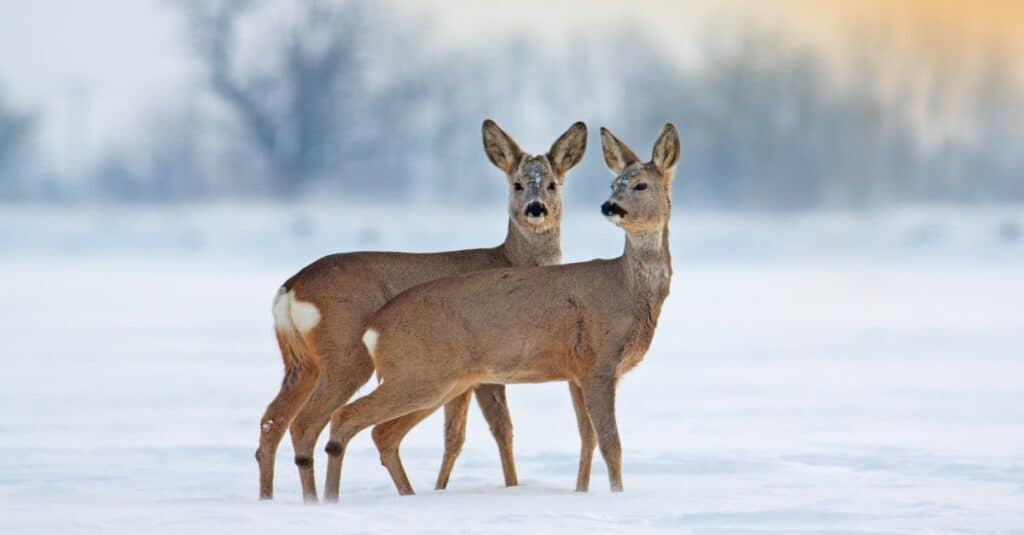
While deer may seem hungry during the wintertime, it’s best not to feed them.
©iStock.com/JMrocek
Deer may look vulnerable in winter, but feeding them isn’t the answer. The best approach is to allow deer to follow their natural behaviors: conserving energy, using cover, browsing naturally, and avoiding unnecessary crowding or human interaction. Don’t feed your local deer; opt to support them in other, less obvious ways.