
New Zealand is home to some impressive and sometimes scary creatures. Thanks to its isolation from other locations, animals have evolved to become unlike any others on the planet. These endemic creatures, as well as the plant life in the country, have made New Zealand a biodiversity hotspot. Therefore, it is not surprising that if a new species were to be found, it would likely be discovered in New Zealand. However, in 2024, a truly remarkable discovery was made. According to a new study published in the New Zealand Journal of Zoology, a new genus of jumping spider was discovered in New Zealand. Under this genus, 12 new species of spiders were identified, marking an incredible find by biologists.
Ourea Jumping Spiders Have Been Discovered In New Zealand
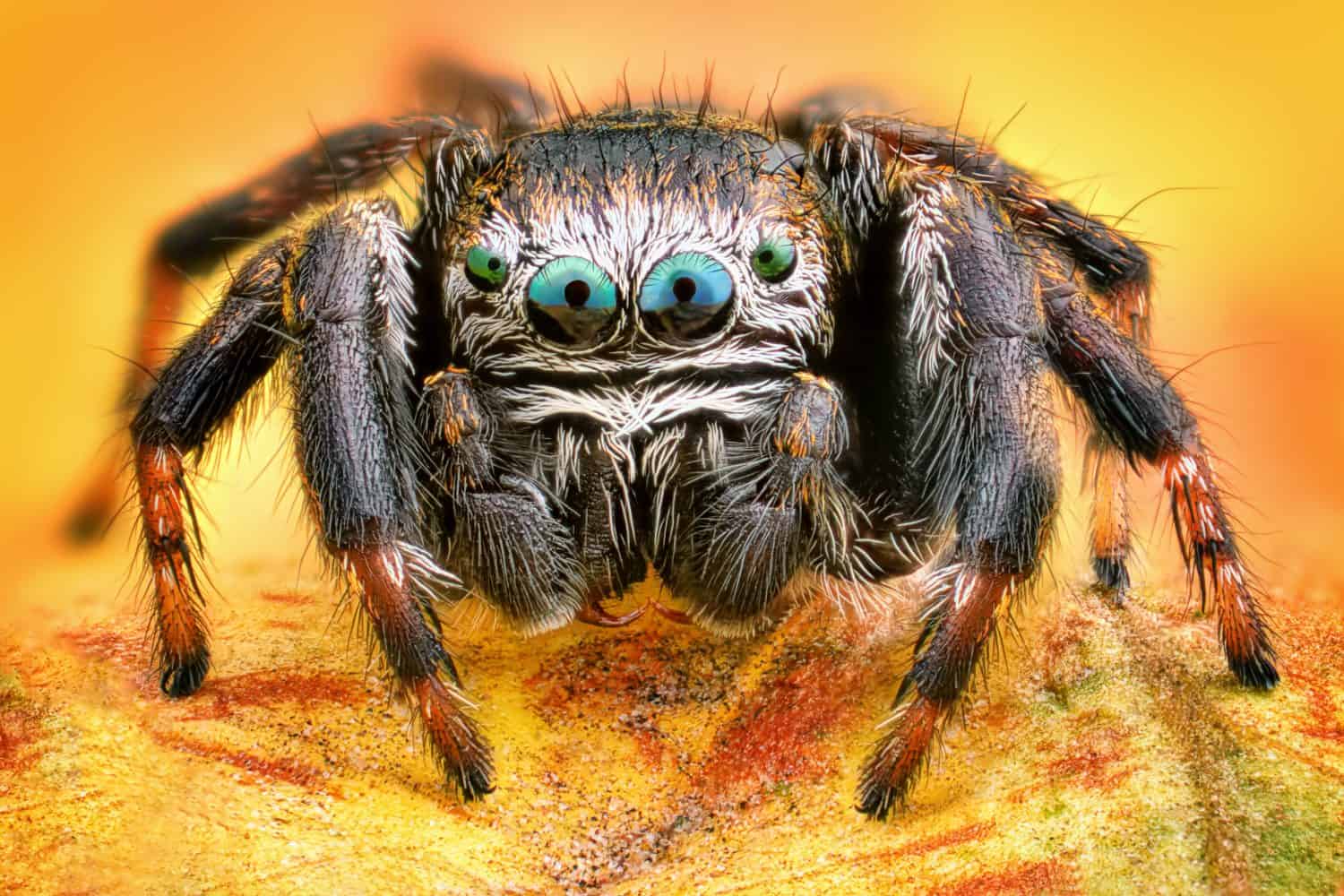
A new genus and 12 new species of jumping spiders, similar to this one, were discovered in the alpine zone in New Zealand.
©Lukas Jonaitis/Shutterstock.com
New Zealand is known for its lush landscapes and incredibly pristine beaches. However, there is a region of the country, called the alpine zone, where trees do not grow. This area is below the permanent snowpack, meaning that the animals living there do not have to contend with snow year-round. However, with conditions ranging from 5°F to 80°F and winds that can reach 112 miles per hour, the conditions are still harsh.
In 2024, biologists Robin Long, Cor Vink, and Adrian Paterson, from Lincoln University in New Zealand, took to the alpine zone on the South Island to determine what, if any, jumping spiders were capable of living in this type of habitat. What they discovered was truly monumental.
It is estimated that there are up to 200 species of jumping spiders in New Zealand, but only about 50 have been formally described so far. This estimate changed slightly after the biologists’ expedition, during which they identified a new genus and 12 new species of jumping spiders. The new genus of jumping spider was named Ourea after the primordial gods in Greek Mythology. This was done given the altitude at which the spiders live. Of the 12 new species discovered, 10 live exclusively in the alpine zone. The other two were found both in the alpine zone and within the tree line. The new species of spiders discovered include:
| Species | Location Found |
| Ourea petroides | Lake Sylvester, Mt. Faust, Temple Basin, Mt. Owen, Altimarloch |
| Ourea otagoensis | Remarkables Ski Field, Rock & Pillar Range, Old Man Range |
| Ourea striatops | Dobson Ski Field |
| Ourea alpinus | Ohau Ski Field |
| Ourea paparoa | Buckland Peaks |
| Ourea occidentalis | Mt. Adams |
| Ourea kowhai | Martyr Spur |
| Ourea marmoratus | Gertrude Saddle |
| Ourea cyanfemorus | Sealy Tarns |
| Ourea mauka | Mt. Burns |
| Ourea kohatu | Denniston Plateau, Martyr Spur |
| Ourea saffroclypeus | Remarkables Double Cone |
The biologists identified one additional species of spider, but because it was only found at sea level and not in the alpine zone, it was not included in the study. Therefore, while 13 new species were discovered, only 12 from the alpine zone were described.
Ourea Jumping Spiders Use Impressive Camouflage
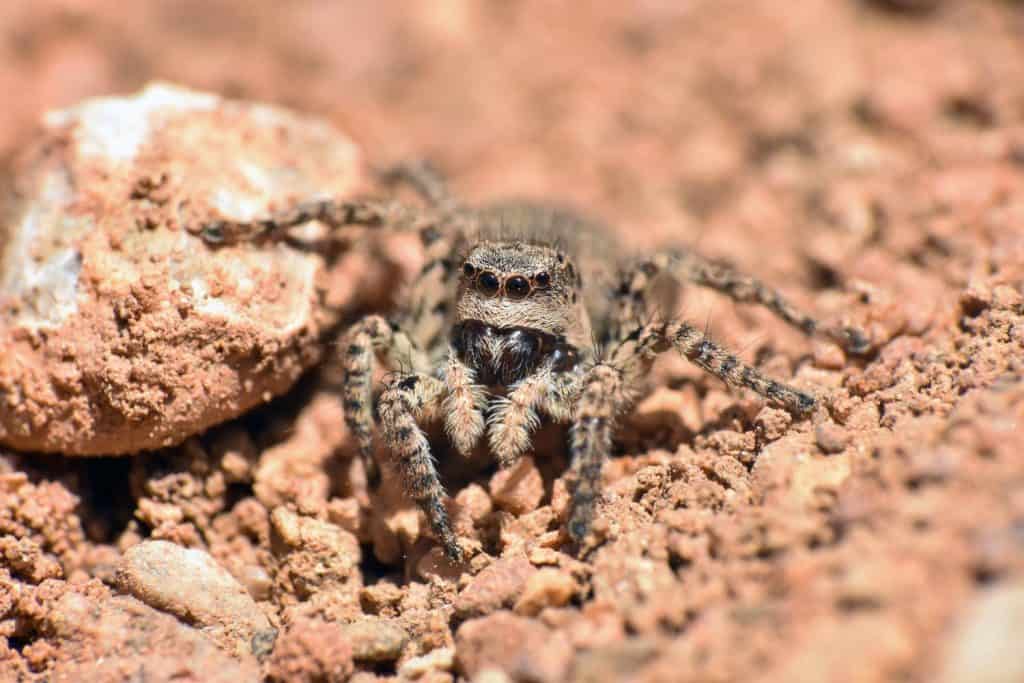
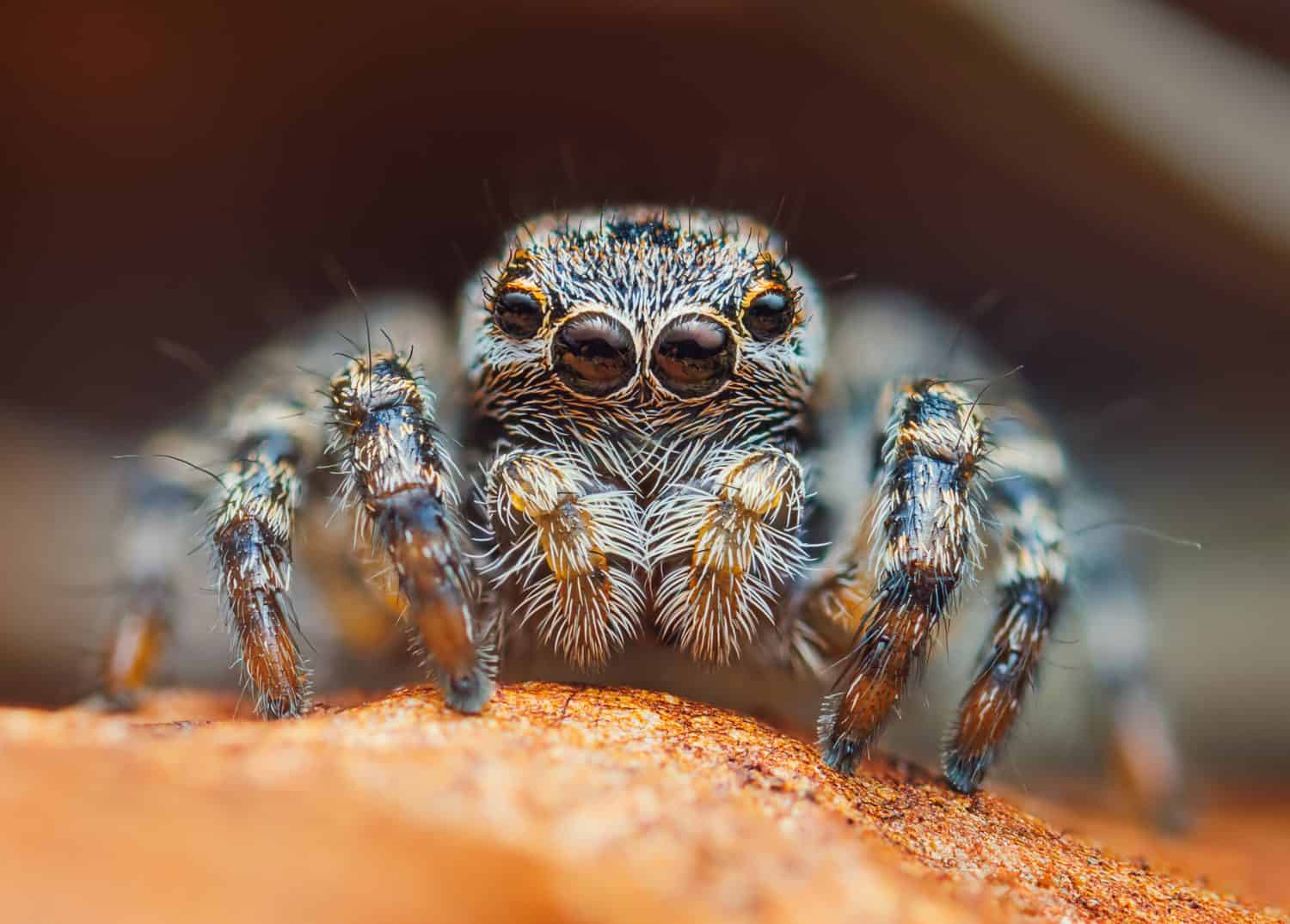
The jumping spiders found in New Zealand’s alpine zone, similar to this one, were so well camouflaged that unless they moved, they were not seen.
©Ivan Marjanovic/Shutterstock.com
One of the most incredible things about the new species of spiders is their remarkable camouflage. Regardless of where they were found in the New Zealand alpine zone, the Ourea jumping spiders matched their habitats. The coloration was so impressive, according to the study, that biologists often did not know a spider was in front of them unless it moved.
“These undescribed spiders exhibit a highly cryptic morphology, appearing remarkably similar to the rocky substrates they live upon, and occur in many mountain ranges…” the biologists explain in their study.
Biologists go on to say, “The camouflage of Ourea gen. nov. in their natural habitat was remarkable, and they were extremely difficult to see unless they moved.”
The new species of jumping spiders completely matched their rocky habitats, with hair colors that were combinations of whites, blacks, and browns. This impressive camouflage is not only what helps these spiders from becoming prey but also factors into why the Ourea jumping spiders have remained undetected for so long.
Ourea Jumping Spiders Proved Difficult to Catch
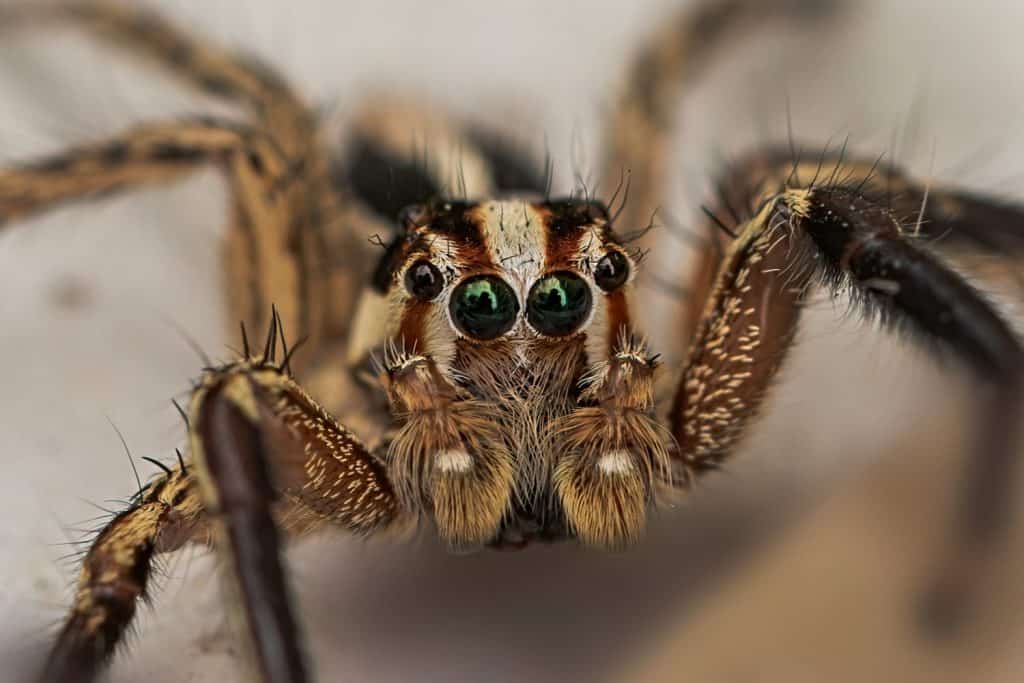
Jumping spiders are capable of jumping 50 times their body length.
©Silent Shoot/Shutterstock.com
Jumping spiders are known for their agility and ability to jump quickly. As a result, biologists struggled to capture some of the spiders in the New Zealand alpine zone. As part of their defensive skills, jumping spiders can jump 50 times their body length. In mountainous environments high above the tree line, even a small jump could put the spiders out of reach for collection. The biologists who discovered the new species of spiders admitted that at least one escaped after collection. However, the number of individuals not captured due to their jumping skills was not disclosed.
Why the Jumping Spiders Went Unidentified for So Long
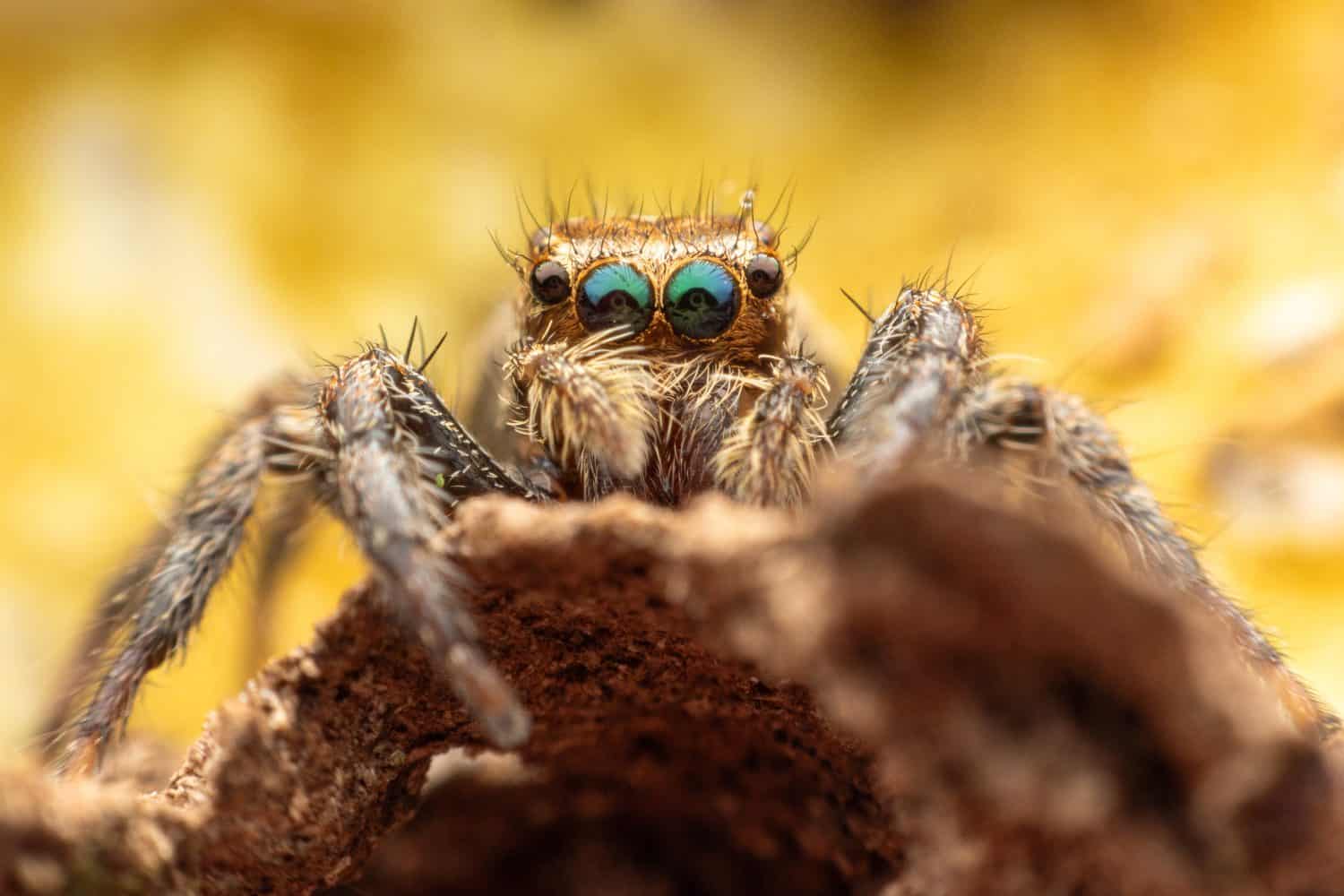
The Ourea genus of spiders, similar to this one, went unidentified for so long because of their remote location in the alpine zone.
©khlungcenter/Shutterstock.com
Now that the Ourea jumping spiders have been identified, with 12 new species of spiders falling under the genus, a question that continues to be asked is why it took so long for the spiders to be discovered. The answer is quite simple. The spiders live in an environment that is popular for hiking enthusiasts, but not very habitable for animal life.
The animals that call the New Zealand alpine zone home, such as several species of birds, lizards, and invertebrates, all have their own ways of adapting to the harsh temperatures. However, among the animals discovered to date, none are as elusive as the jumping spiders. They were both difficult to catch and masters of disguise, according to the study, using both camouflage and hiding within their “shelters.”
“Spiders were either captured from the ground surface, with difficulty due to their swiftness, or from silken tent-like shelters that they build under rocks,” the biologists write in the study.
The spiders often went overlooked, thanks to their ability to blend in with their environment. The spiders were only noticed when they moved. Therefore, the high altitude, the spiders’ patterns that closely resembled their rocky habitats, and their jumping skills all contributed to why this genus and these species of jumping spiders were not discovered until now.
Biologists Believe More Jumping Spiders Are Waiting to Be Discovered
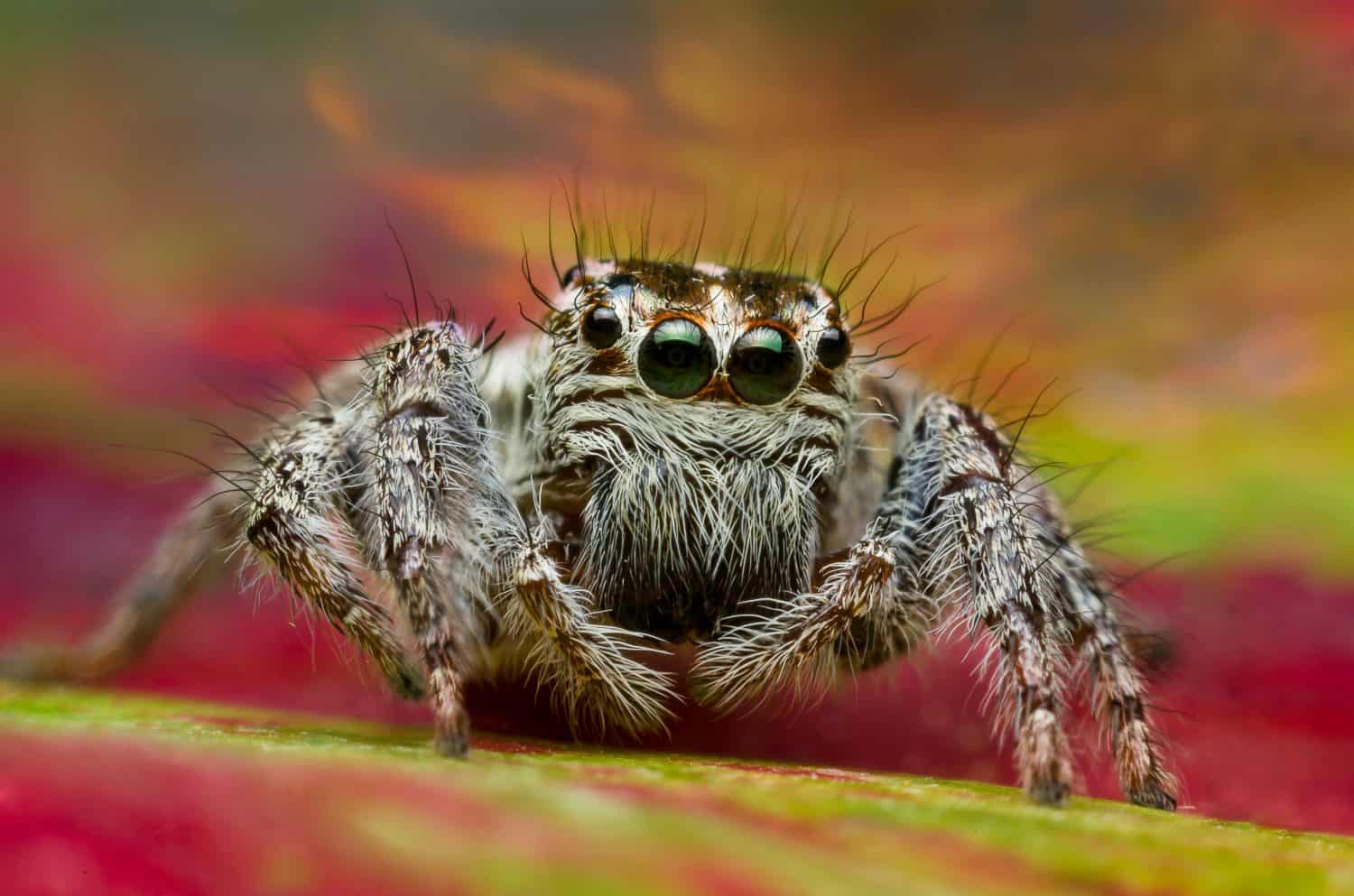
It is believed there are 200 jumping spiders in New Zealand, of which only 50 have been discovered.
©common human/Shutterstock.com
Before the Ourea spiders were discovered in the mountains of New Zealand, it was believed throughout the scientific community that there were at least 200 different species of jumping spiders in the country. However, to date, only 50 of those have been identified. The fact that 12 new species of spiders were uncovered during an expedition through the alpine zone of New Zealand is proof that there is still more arachnid life to be discovered.
Given that the alpine zone experiences some of the harshest weather and temperatures in New Zealand, only the hardiest creatures can survive there. The spiders collected were both fast and great at camouflage. Therefore, it stands to reason that while 170 specimens of spiders were collected, there are still more waiting to be discovered. More spiders likely went unseen, and the biologists admitted that some spiders they encountered managed to escape.
This study highlights how much of the natural world remains to be discovered. Whether it be the extreme regions of New Zealand or the depths of the oceans around the world, there is still so much that biologists have yet to uncover. Where the next jumping spiders will be found in the country remains to be seen, but this study proves they are out there—perhaps just hiding in plain sight.