
Quick Take
- One dragonfly species lays eggs through a behavior so bizarre it looks accidental, yet it is actually one of the most precise reproductive strategies in the insect world. See the pogoing technique →
- Most dragonflies use a faster egg-laying method, but it comes with a hidden cost the tiger spiketail's strange technique quietly solves. Discover the egg-laying tradeoff →
- This dragonfly is among North America's largest, and yet almost nobody ever sees one despite a look that couldn't be more conspicuous. Check the key facts →
- The same tail feature that gives this dragonfly its name turns out to be critical to how it reproduces, though not for the reason you'd expect. Explore the tail's role →
Dragonflies comprise a diverse variety of species, each with its own special traits. One example is the tiger spiketail dragonfly. In addition to its striking name, this dragonfly has a highly distinctive way of laying eggs. This Instagram post by @mybackyardbirding shows the process of the dragonfly bouncing up and down on top of a body of water. Read here to learn more.
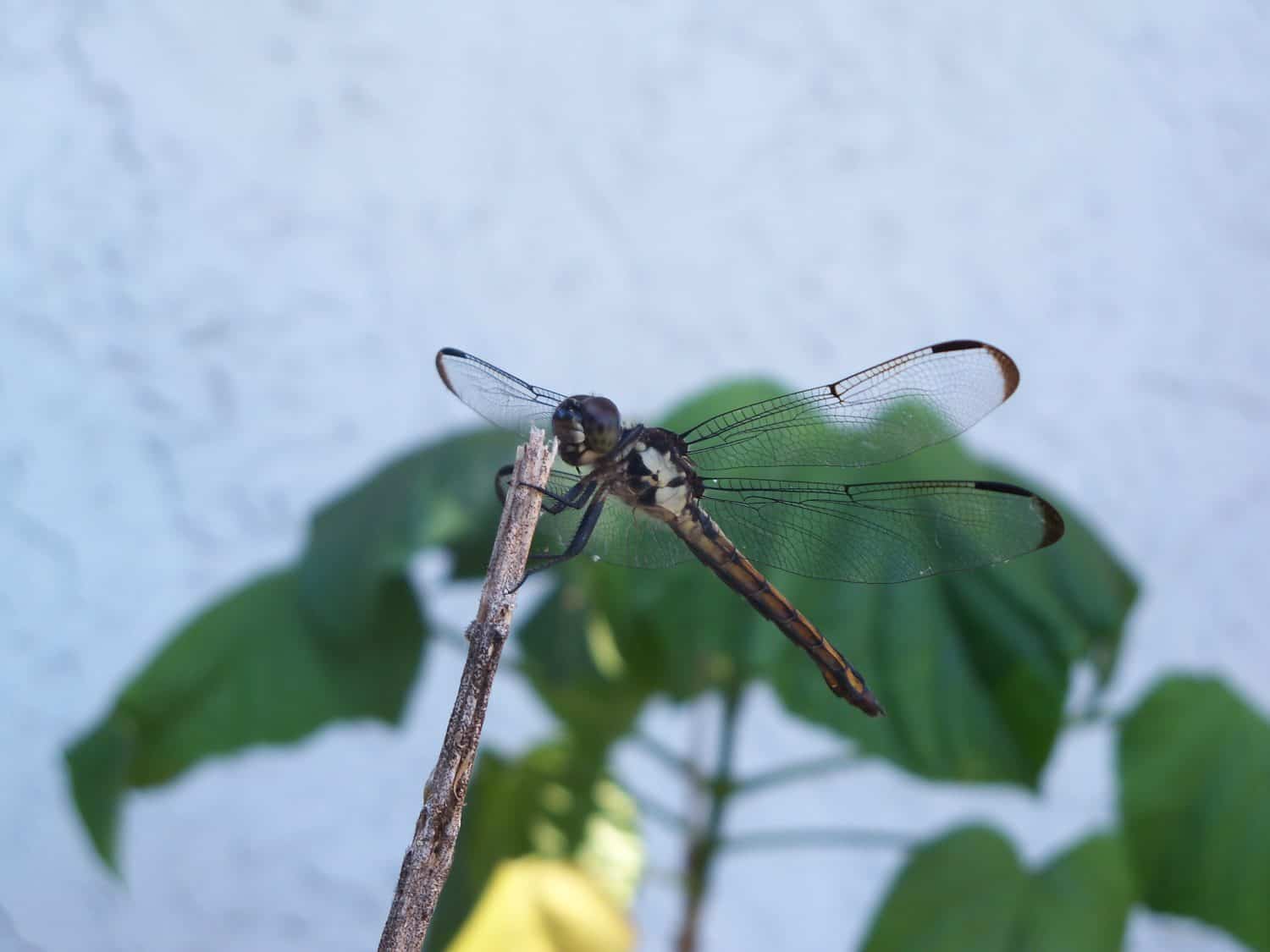
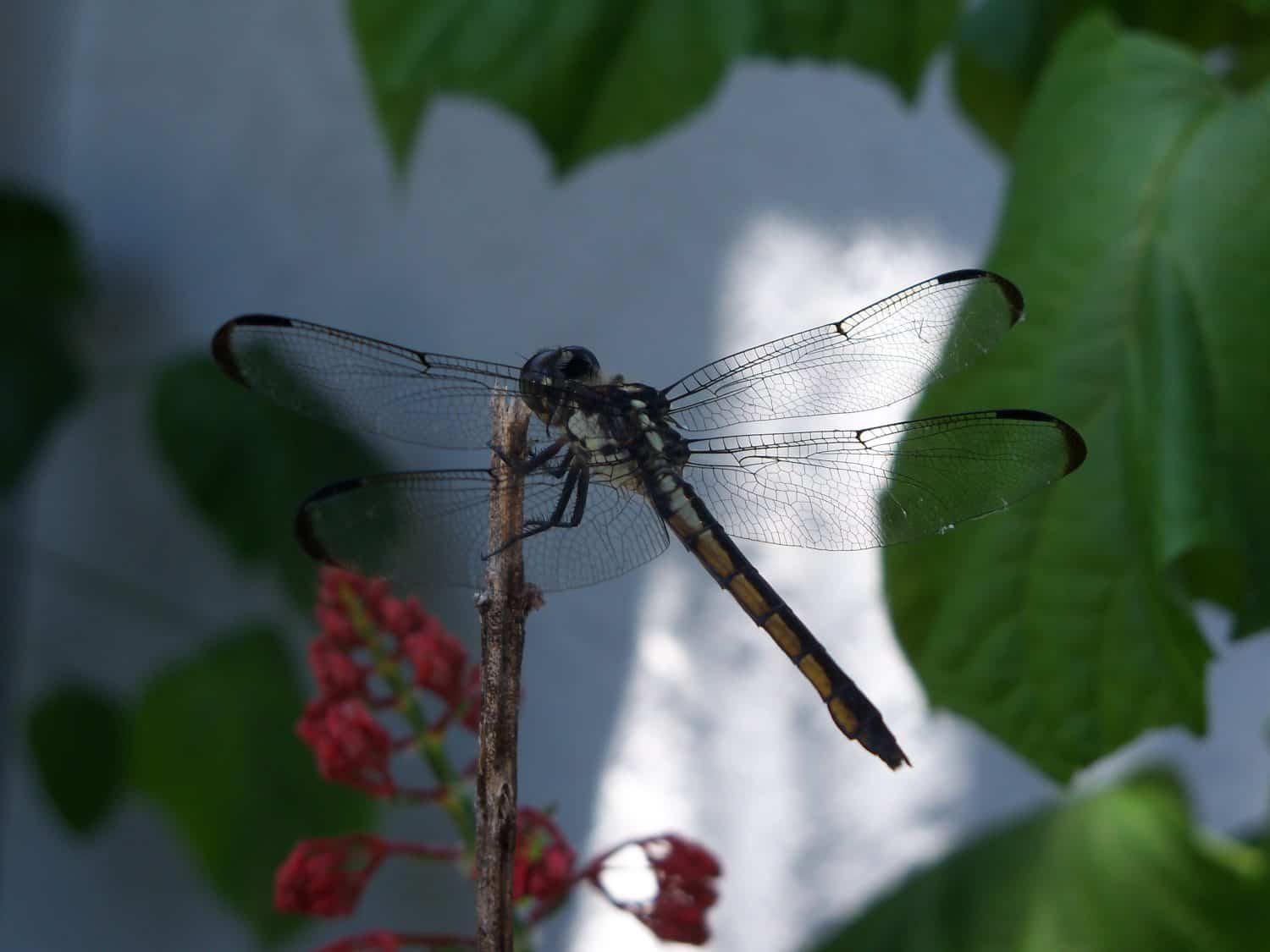
The tiger spiketail dragonfly’s spiky tail is unique amongst dragonflies due to its special use in laying eggs.
©Norma Stamp at Sunny Daze/Shutterstock.com
The Elusive Tiger Spiketail Dragonfly
The tiger spiketail dragonfly is among the largest species in North America, yet it is still fairly elusive. Tiger spiketail dragonflies grow to around three inches long and live for only a few months as adults. These dragonflies range throughout the eastern United States and live in cool forests, specifically around spring-fed streams. Around these streams, they feed on mosquitoes, flies, moths, and other small insects. They use their legs and speed to catch prey in midair. Tiger spiketail dragonflies can reach speeds of 22 to 34 miles per hour, and their compound eyes give them nearly 360-degree vision. Their remote habitats make them difficult to spot, which is why the video above is particularly special. However, their contrasting black-and-yellow striped abdomen and bright green eyes make them unmistakable when spotted.
One of the most unique features of these dragonflies is the way they lay eggs. Most dragonfly species lay their eggs by dropping or flicking them onto water or other aquatic vegetation while flying. This method is quick, but it often leaves the eggs exposed to fish and insects. This is what makes tiger spiketail dragonflies special. Rather than scattering their eggs, they lay them individually by inserting them into the streambed through a process called oviposition. This behavior, known as pogoing because it resembles the action of a pogo stick, involves inserting their eggs directly into the muddy bottoms of streams. This method is important for several reasons. For one, it protects the eggs from being washed away by the currents. It also helps to reduce the risk of predation compared to eggs on the surface. Although this behavior may appear unusual, it is essential for the survival and reproduction of these dragonflies.