
Quick Take
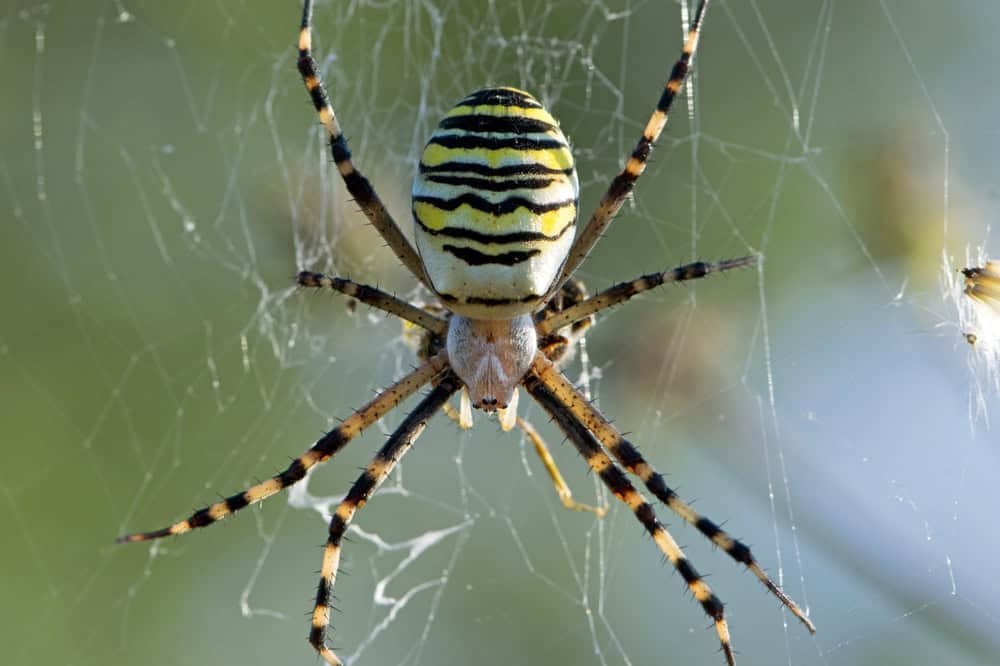
- Wendy looks terrifying, though her bite might surprise you in an unexpected way. See her striking appearance →
- Male wasp spiders face a brutal gamble just to get close to a female, and most of them lose. Discover the mating risks →
- Her arrival in Cheshire is being celebrated and feared at the same time, and experts have a complicated message about it. Read the experts' warning →
- Wasp spiders have been quietly marching north for over a century, yet only now has something changed enough to alarm scientists. Trace their northward spread →
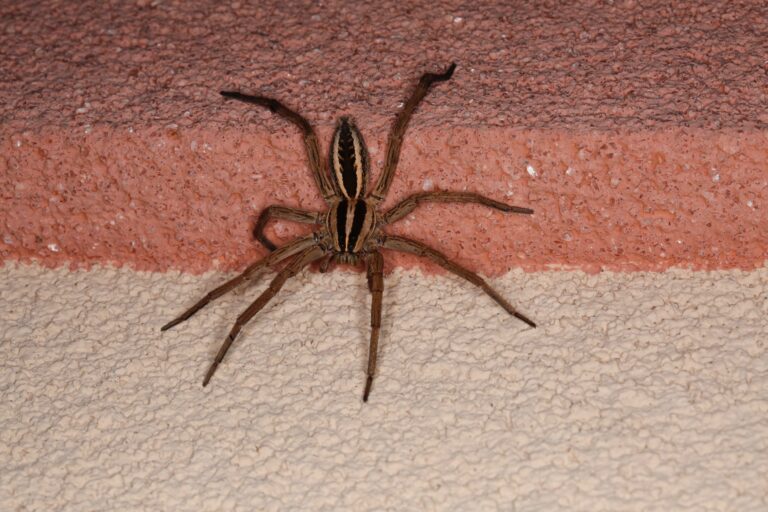
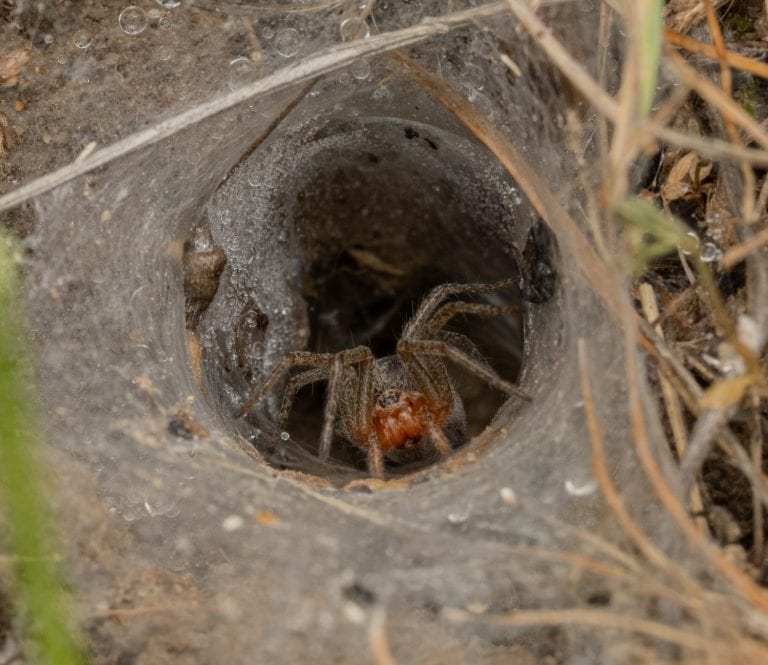
A visually distinctive spider that looks like a combination of a wasp and an arachnid has been grabbing UK headlines. The female was found during a biodiversity study on the Chester Zoo estate. This is the first time that the species has been found this far North in the UK, having previously been limited to the south of the country. Various media headlines have dubbed her a ‘climate refugee,’ but her common name is the ‘wasp spider.’ The people who work at the zoo call her Wendy!
The Lowdown on Wasp Spiders
The identify of the spider spotted at Chester Zoo was confirmed by the British Arachnological Society. In truth, it is hard to mistake these spiders for any other species. They have a striking wasp-like coloring with black and yellow bands primarily on their abdomen. This coloring has likely evolved as a warning to would-be predators.
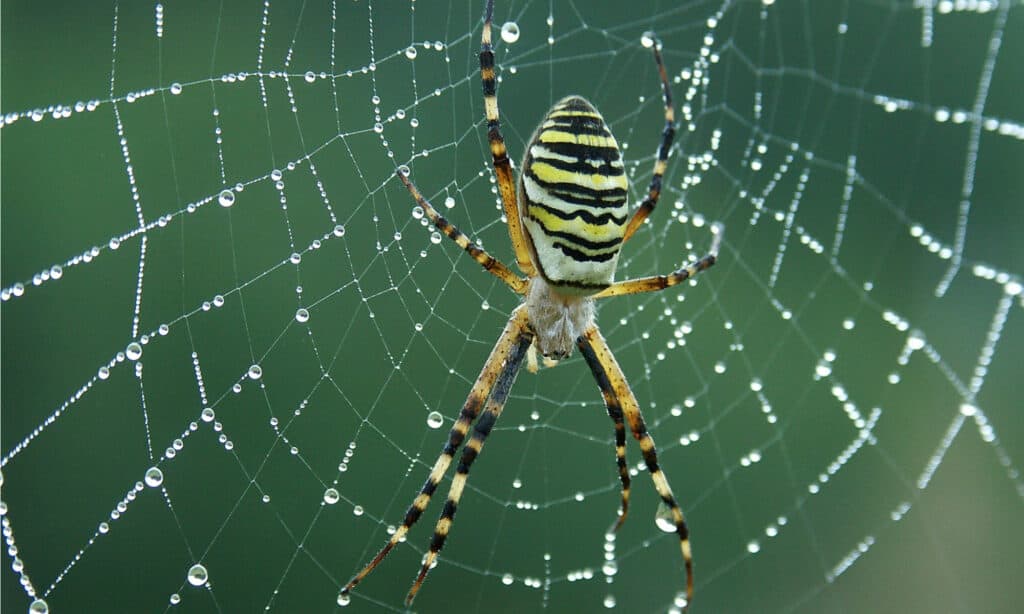
Wasp spiders warn predators with their coloring.
©Violart/Shutterstock.com
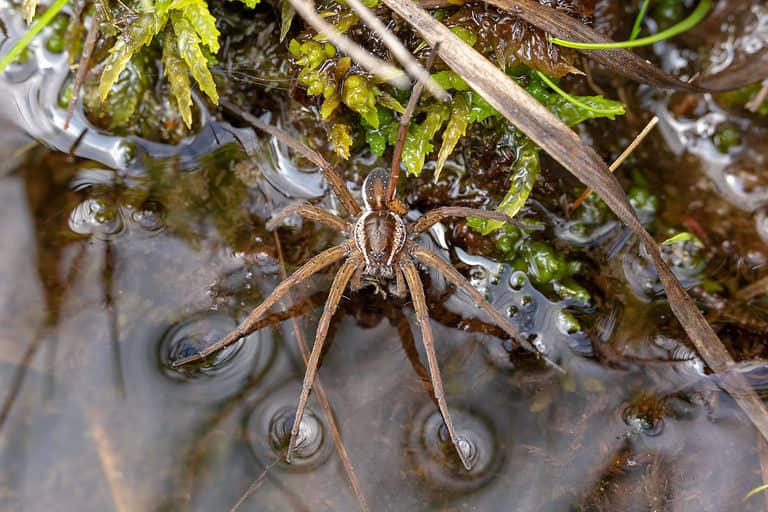
Wasp spiders (Argiope bruennichi) are large spiders, and females can have a body length of up to around 0.78 inches. This makes them one of the largest spider species found in the UK and a little bigger than the house spiders that already cause a lot of concern to Brits! The males, however, are much smaller and are often spotted dangling on a thread near to a female’s web.
Wendy was found on the zoo’s estate, which is 205 hectares of mixed habitats including grasslands, woodlands, and orchards.
Are Wasp Spiders Dangerous?
If you are a human, then the answer is probably no. They can bite but will only bite a human if you disturb or frighten them. They can inject venom, but it is no more painful than a nettle sting, and for most people it causes no serious harm.
If you are a small insect trapped in their web, they are deadly. The females spin webs that can span 12 inches. She sits at the hub waiting for small insects to get stuck. Crickets and grasshoppers are her ideal prey.
Male wasp spiders also have something to fear from Wendy and her sisters! First of all, he has to pluck up the courage to trespass onto her web to try to seduce her. As he mates with her, she may wrap him in silk and eat him — though some males manage to escape, sexual cannibalism occurs in the majority of encounters. This gives her valuable protein as she is producing her eggs. She goes on to lay her eggs in a flask-shaped, brown egg sac hung from vegetation near her web. Her young emerge from the egg sac in the spring.
Wasp Spiders Moving North
Wendy has been called a climate refugee because the movement of her species northward has been brought about by climate change. These are a Mediterranean spider where they live in open grassland habitats. The temperatures in their traditional ranges are becoming too warm for them. Sadly, these temperatures are rising too quickly for them to adapt. As Scott Wilson, Head of Field Programmes at Chester Zoo, explained in this Press Release, “It’s exciting to see new species like Wendy on site, but her arrival is part of a broader, more worrying trend. Our conservationists work across the world, and we are witnessing the impacts of climate change in real time, from droughts in Chile to floods in Indonesia. It is a major threat to biodiversity.”
Chester Zoo estate is home to many native UK species.
©Haydn Lloyd- Neilson/Shutterstock.com
Wasp spiders were first recorded in East Sussex in Britain in 1922. Since then, they have become widespread in southern England and have started spreading Northwards. Up until now, there had only been a few sightings in the Midlands. Now it has reached Cheshire. This species requires a minimum of three months of warm weather and a mild winter to breed. Increasingly, this is exactly what many parts of the UK are experiencing.
While some humans may be distressed by Wendy’s arrival in their neighborhood, experts at Chester Zoo urge them to make room for this new species. After all, these spiders are having to change their homes because of what we have done to the climate.
Concern for Local Wildlife
There is concern over what the wasp spider’s arrival means for local wildlife. UK wildlife is already under considerable strain from habitat loss and climate change. The arrival of ‘climate refugee’ species from mainland Europe could put local species under even more pressure.
It is also worrying that the arrival of Wendy in the North of the UK is part of a bigger picture. Other invasive non-native species, such as the Asian hornet, may be able to spread northwards in the future. Will it outcompete native species? And what about the species that cannot migrate north to escape the effects of climate change? How will they survive?
So, while we celebrate the arrival of Wendy in Cheshire, we should also be concerned about the circumstances that led to her being there.