
Quick Take
- Half the mosquito population never bites, so why does the other half need blood?
- Thousands of mosquito species exist, yet only one small group carries this killer.
- A newly invasive mosquito is pushing an old rural disease into cities and shrugging off nets and sprays.
- New vaccines stop the parasite before it ever becomes a disease, and the article explains the trick.
For many people, the only good mosquito is a dead one, due to their irritating bites and the dangerous diseases they spread. However, not all mosquitoes bite; only females feed on blood. And one genus is responsible for killing more people than any other animal. That genus is Anopheles.
Female Mosquitoes, Not Males, Are Responsible for Bites
When it comes to bites, the blame falls squarely on one gender of mosquitoes: females.
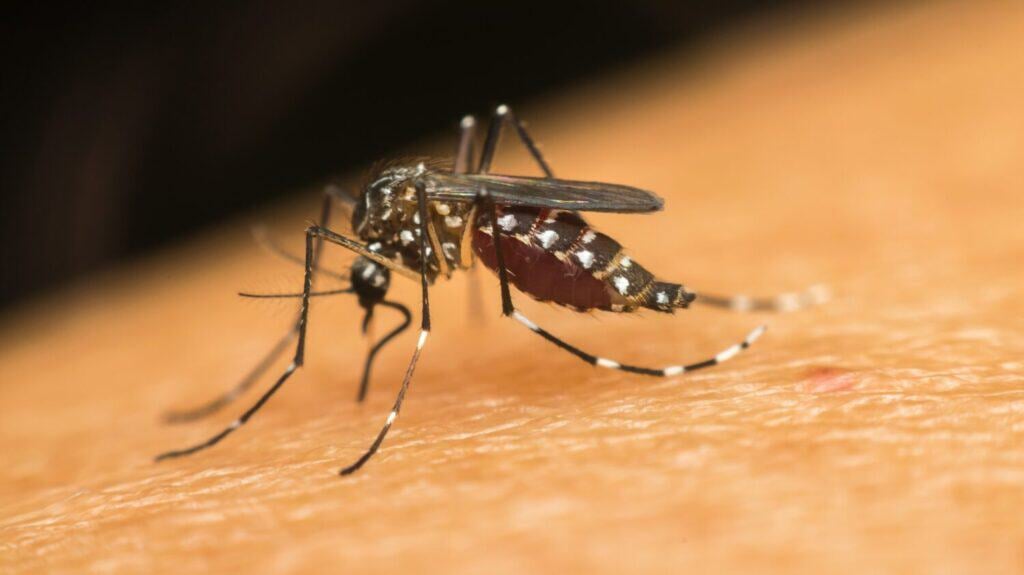
Only female mosquitoes bite. Males do not.
©PongMoji/Shutterstock.com
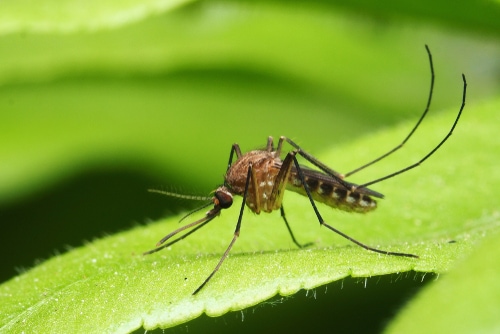
Male mosquitoes will not bite people or animals. Instead, they feed only on nectar and plant sap for energy. They use this energy for mating, flying, and day-to-day activities.
Female mosquitoes, on the other hand, bite both people and animals. Typically, they bite and feed every two to three days during their life cycle. However, some species can go up to two weeks between blood feedings. The frequency depends on the hosts available and the specific weather conditions.
Why Do Female Mosquitoes Need to Bite?
Female mosquitoes do not consume blood for energy. Like male mosquitoes, females feed on nectar for that purpose. Instead, a blood meal is necessary to continue the mosquito life cycle.
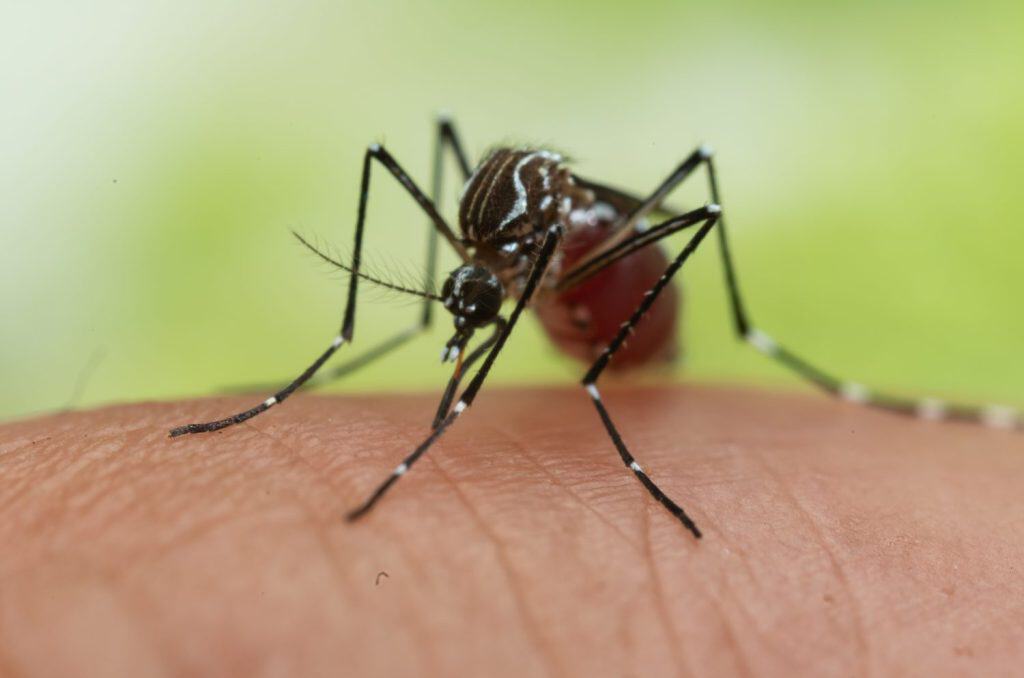
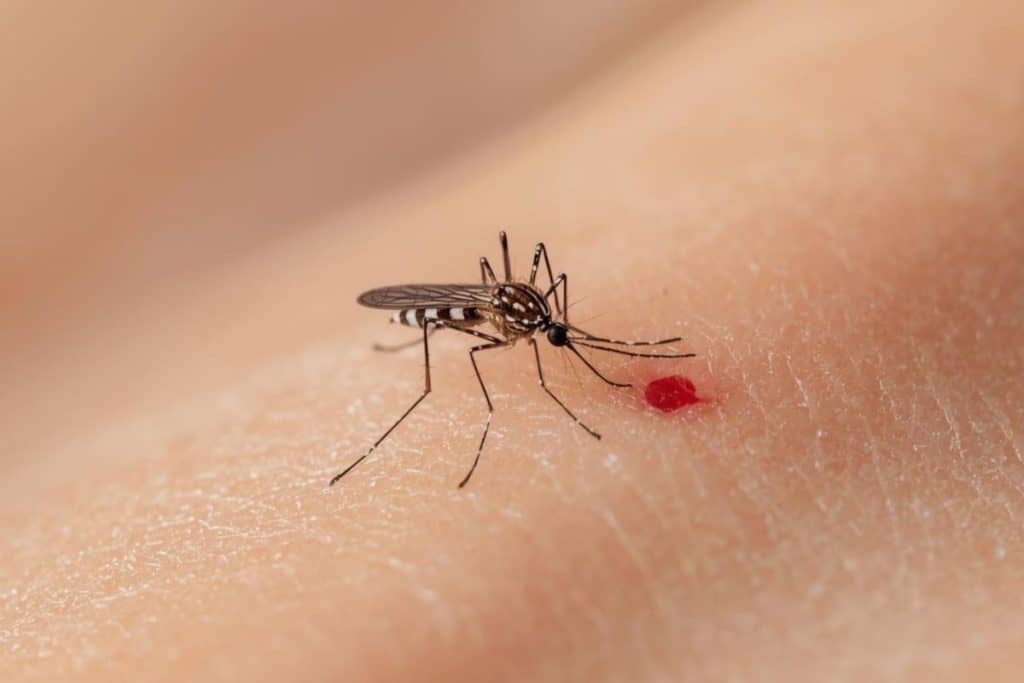
Female mosquitoes bite to obtain blood to produce viable eggs and continue the mosquito life cycle.
©frank60/Shutterstock.com
When female mosquitoes mate, they require a blood meal to sustain egg production. Without the protein and iron from blood, eggs will not be viable. This is why female mosquitoes have a much stronger proboscis (mouthpiece) than males do. The mouth part is necessary to pierce skin and draw blood from animals and people.
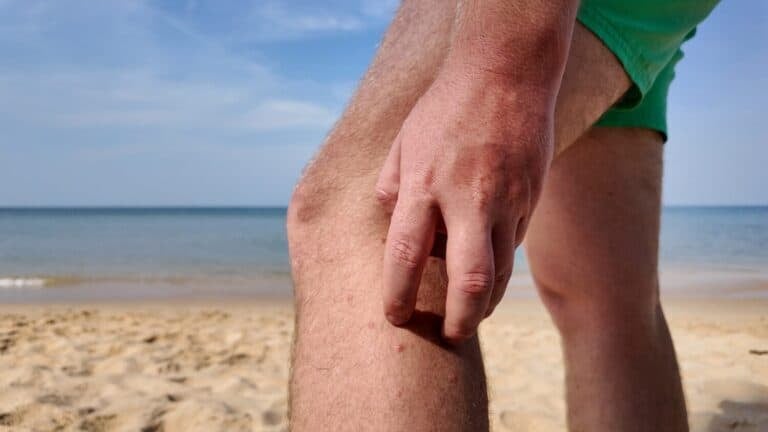
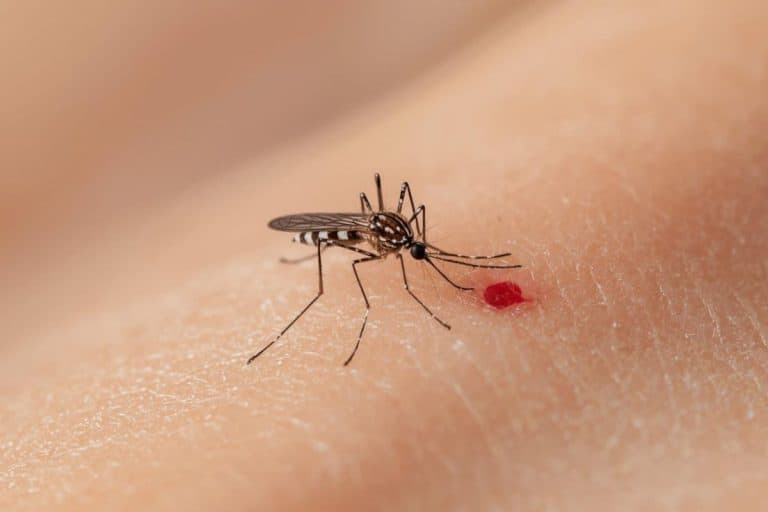
To locate a suitable host to feed on, female mosquitoes look for cues such as sweat, odors, carbon dioxide, and body heat. Once found, the mosquitoes land and feed, leaving behind their signature red marks.
Only One Type of Mosquito is Responsible for Transmitting Malaria
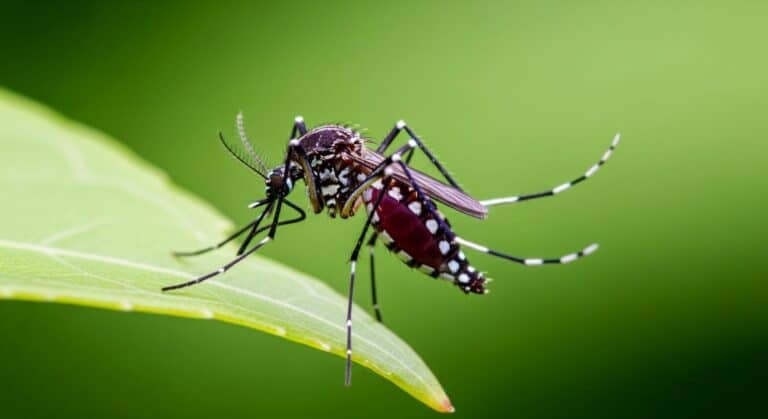
Worldwide, there are between 3,500 and 3,600 different species of mosquitoes. However, of all these species, only one genus spreads malaria. That genus is Anopheles.
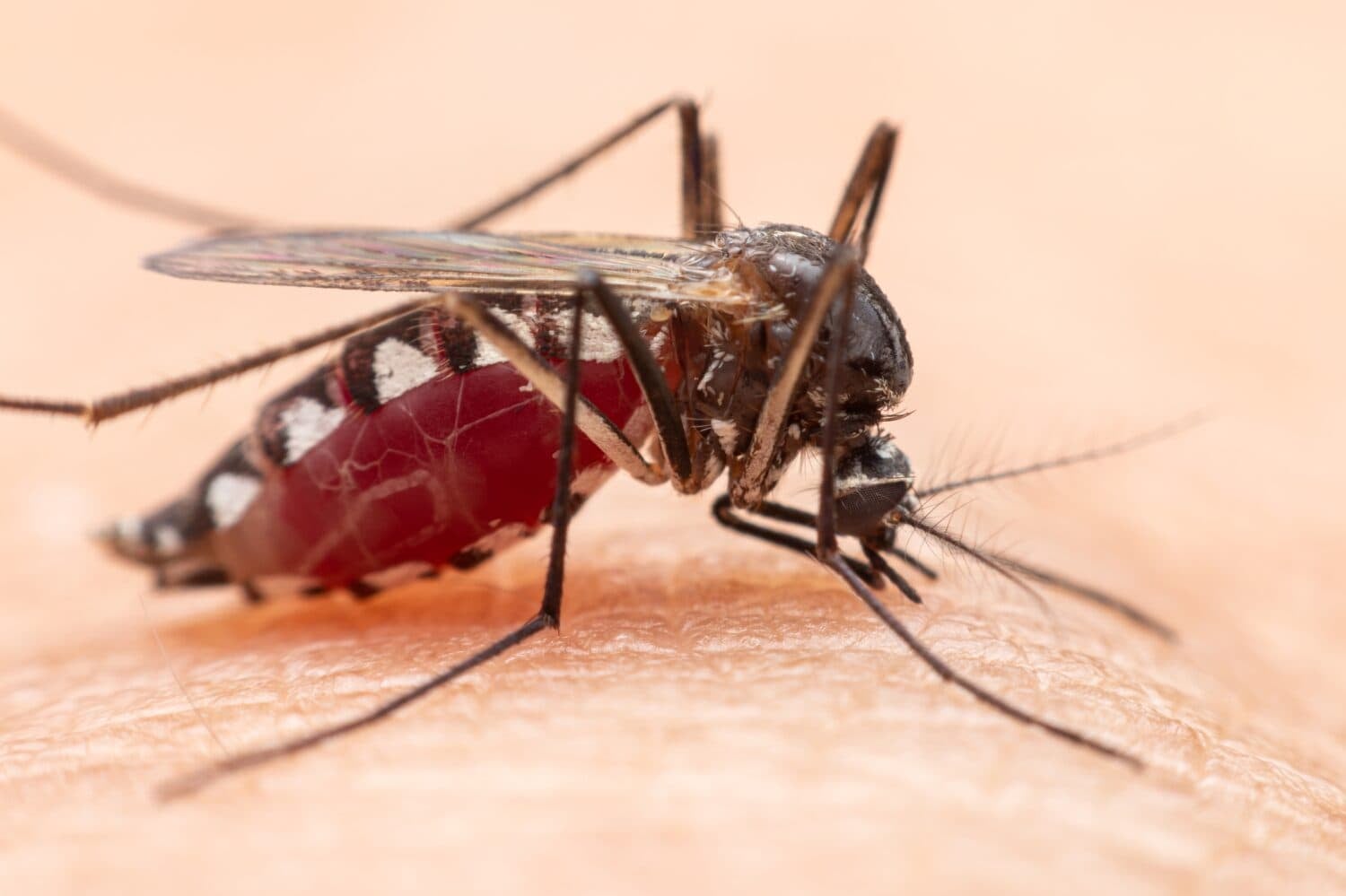
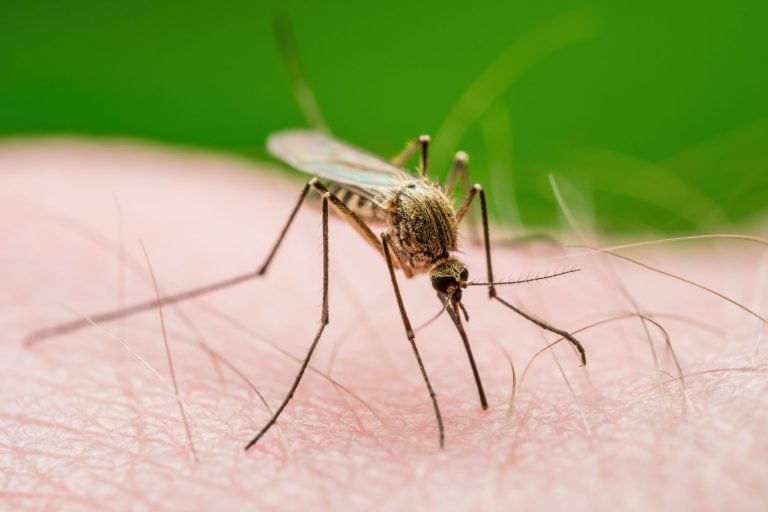
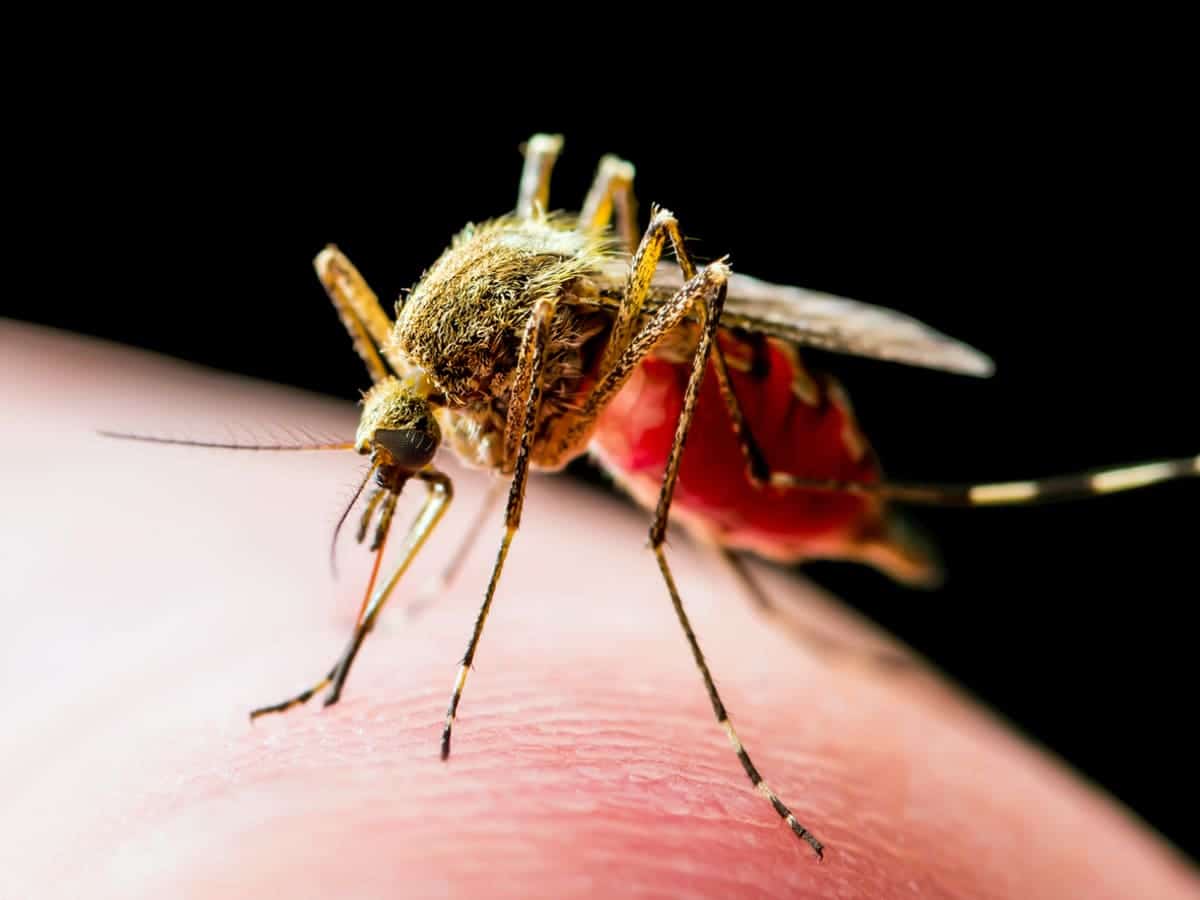
Anopheles mosquitoes are those responsible for spreading malaria.
©khlungcenter/Shutterstock.com
Of the total number of mosquito species, Anopheles makes up approximately 480 of them. These mosquito species can be found worldwide. However, they prefer subtropical and tropical regions. This, not coincidentally, is where the majority of malaria cases occur.
What Malaria Is
Malaria is a life-threatening parasitic disease. Because only female mosquitoes bite, only female Anopheles mosquitoes spread malaria.
The female mosquito injects the parasite into the body in the form of sporozoites, or the spore-like stage of the parasite. These sporozoites travel to the liver, where they turn into cells that rapidly multiply.
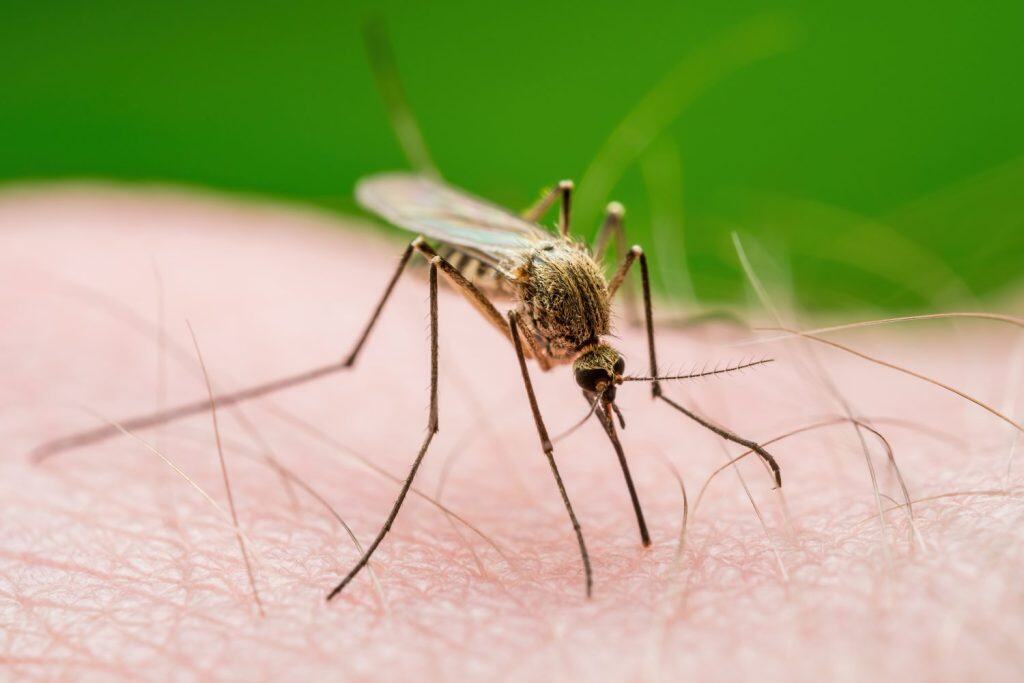
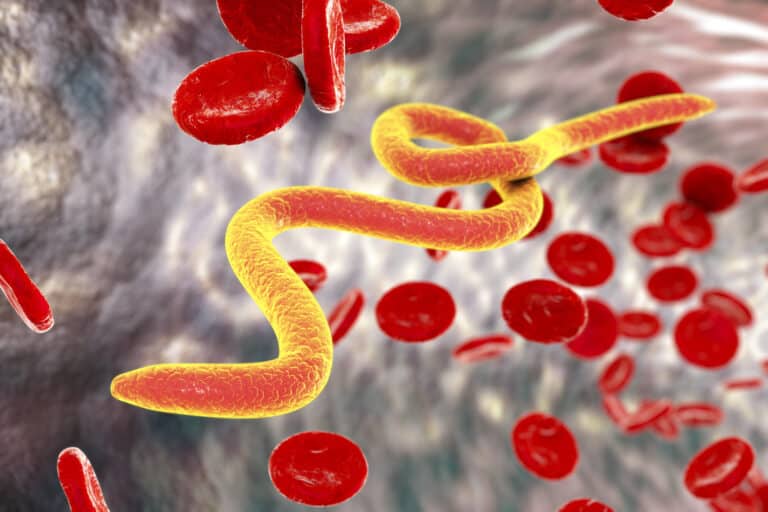
Malaria is a parasitic disease that destroys red blood cells.
©nechaevkon/Shutterstock.com
As the cells multiply, they eventually rupture. When this happens, the parasites invade red blood cells. The parasite forms ring-stage trophozoites within the red blood cell, ultimately killing it. When too many of these blood cells are killed, anemia and low hemoglobin levels occur, resulting in death of those infected with malaria.
How malaria parasites destroy red blood cells
- Sporozoites injected The female mosquito injects the parasite in the form of sporozoites.
- Travel to the liver The sporozoites turn into cells that rapidly multiply.
- Cells rupture As the cells multiply, they eventually rupture.
- Red blood cells invaded The parasites invade red blood cells.
- Ring-stage trophozoites form The parasite ultimately kills the red blood cell.
How is Malaria Spread by Mosquitoes?
Malaria is not a parasite that mosquitoes naturally carry, so not all mosquito bites result in malaria infection. The mosquito must become infected with the parasite before it can pass it on and spread the disease.
For malaria to spread, a mosquito needs to feed on a person who has malaria. After it feeds on an infected host, the next person the mosquito bites will become infected. The parasite is spread through saliva injected at the bite site, typically one week after the previous feeding.
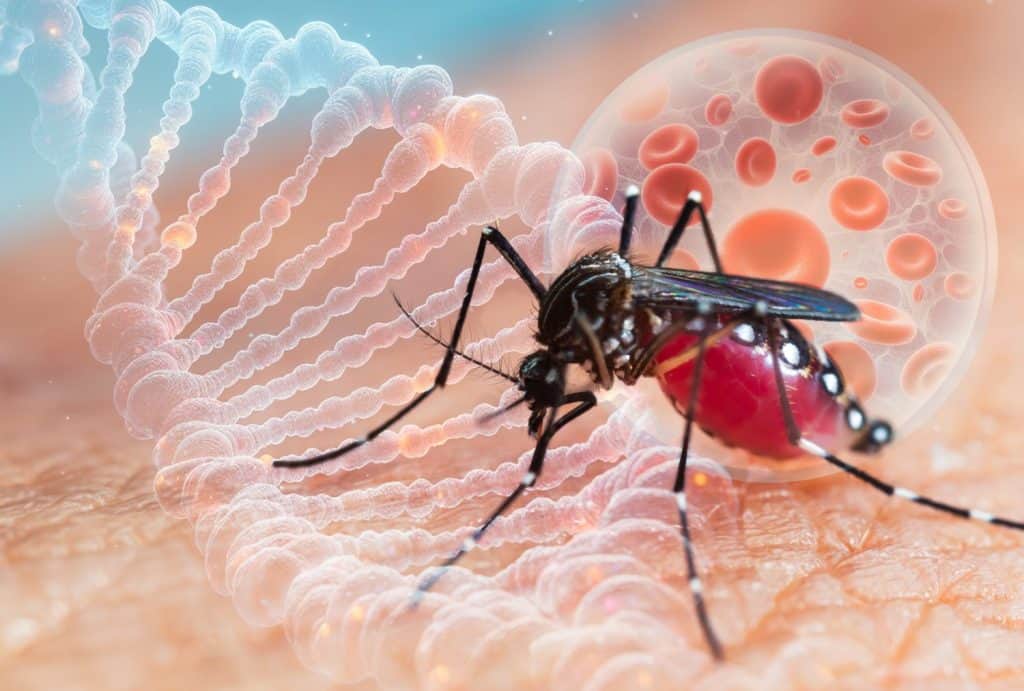
Malaria is spread when an infected mosquito bites a host and injects the parasite into the body via its saliva.
©frank60/Shutterstock.com
The more mosquitoes there are in a region with a high rate of malaria cases, the more easily malaria spreads.
According to the CDC, in rare cases, malaria is spread by means other than mosquito bites. Malaria can also be spread via sharing needles with a person infected with the parasite, blood transfusions, or from a mother to an unborn baby before or during labor.
Malaria cannot be spread by casual contact with an infected person.
Most Recent Malaria Statistics
Malaria is typically not vaccinated against in the U.S. given that the number of people who contract it annually is so small. The latest statistics from 2022 show that 1,999 people in the U.S. were diagnosed with malaria. Of those, the majority contracted it as a result of traveling outside of the country. Consequently, malaria has been considered an “eliminated native disease” in the U.S. for a significant number of decades.
The same cannot be said for the rest of the world. According to the WHO, globally, there were 282 million malaria cases in 2024. Of those cases, 610,000 resulted in death.
There are 282 million cases of malaria worldwide.
©jiade/Shutterstock.com
The majority of malaria cases are found in Africa. Of the global total, 265 million cases (95%) of malaria were found in Africa. The number of deaths from malaria is highest in Africa as well, with 579,000 of the 610,000 deaths occurring on the continent. Even more devastating still, children under the age of five years old made up 75% of the deaths.
Making the malaria spread even more problematic is the presence of the Anopheles stephensi mosquito. Unlike other mosquitoes, which have traditionally bred in natural pools, Anopheles stephensi breeds in man-made water containers, wells, pipelines, etc. This has turned the once-rural malaria problem into an urban issue. In some regions of Africa, the mosquito makes up to 73% of the overall mosquito population.
Anopheles stephensi has proven resistant to nets and sprays that have killed other mosquito species in the past. Consequently, Anopheles stephensi has spread through the region, along with malaria.
How Vaccines Are Helping Stop the Malaria Spread
To help combat malaria, the WHO has recommended RTS,S and R21, which prevent the parasite from reaching the liver. Since their first use in 2021 and 2023, respectively, the vaccines have successfully reduced malaria cases in Africa.
RTS,S and R21 work by specifically targeting the circumsporozoite protein on the parasite surface. The antibiotics stop the sporozoites from entering the liver. Those that do enter the liver are then combated by activated T-cells, which kill them and cause the sporozoites to vacate the liver.
Malaria vaccines are the number one way to prevent infection and death from the parasitic disease.
©iStock.com/Ambreen
Because the parasite never makes it past the sporozoite phase, it has no opportunity to develop into malaria.
Clinical cases have shown that these vaccines reduce malaria cases in children by 50% in the first year and by 75% in the second. Because of this, the WHO has recommended four doses for children beginning at approximately five months of age. Those who live in high-risk areas for malaria are recommended a fifth dose of the vaccine.
While 20 African countries have received the vaccine, another 28 have expressed interest. The vaccines are currently being distributed in the hardest-hit and highest-risk areas for malaria in Africa.