
Quick Take
- Confronting a 1,808-pound Alaskan Yukon moose requires grizzlies to prioritize safety over apex dominance.
- An 80-inch antler span creates a physical constraint that prohibits grizzlies from engaging in close-quarter combat.
- Coastal brown bears, which can exceed 1,000 pounds, are still often physically intimidated by the largest deer species on Earth.
- Scouting the summer salmon runs at Brooks River is necessary to witness this specific predatory avoidance behavior.
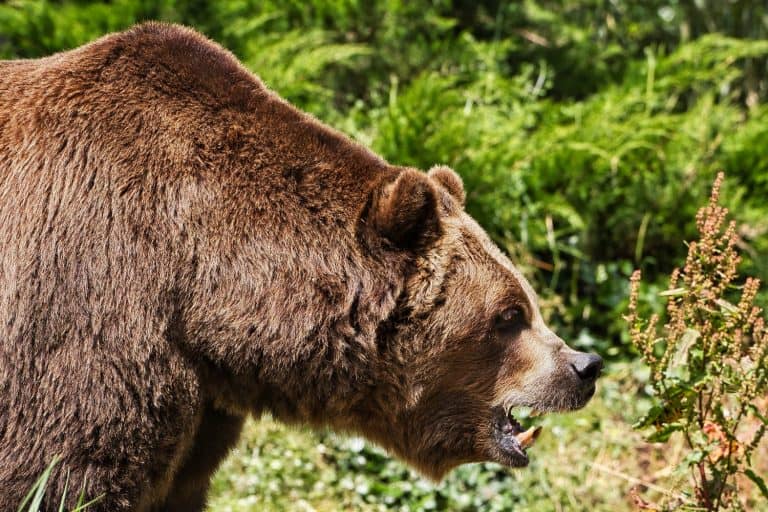
Grizzly bears are one of the few apex predators. They’re at the top of the food chain and will attack almost anything if they’re hungry enough. Brown bears are also known to be incredibly territorial. They share the wilderness with other animals, such as cougars, birds, coyotes, and more.
A real wilderness location, Katmai National Park and Preserve, is located about 260 miles southwest of Anchorage. The Valley of 10,000 Smokes’ surreal volcanic beauty attracts some visitors, but bears are the main draw.
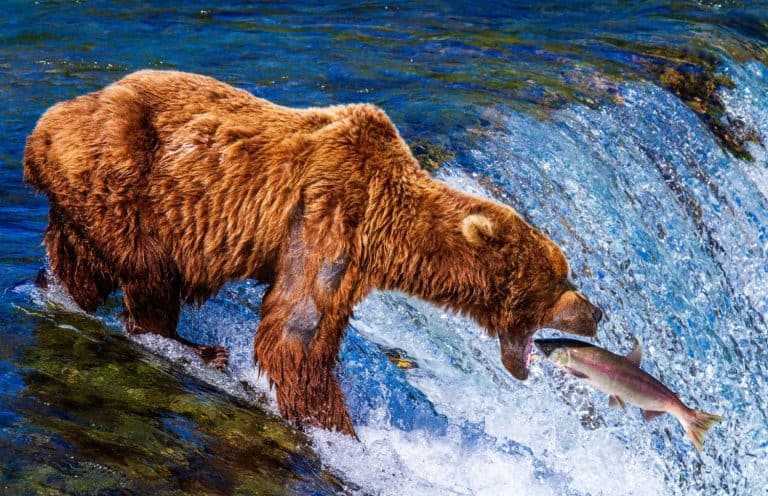
The park is home to over 2,200 brown bears, many of whom concentrate on the Brooks River to gorge on the summer salmon runs, making it one of the greatest places in Alaska to see bears. A YouTube channel by the name “Bradjosephs” was visiting the area when he saw something peculiar.
Two Grizzlies Encounter a Massive Moose
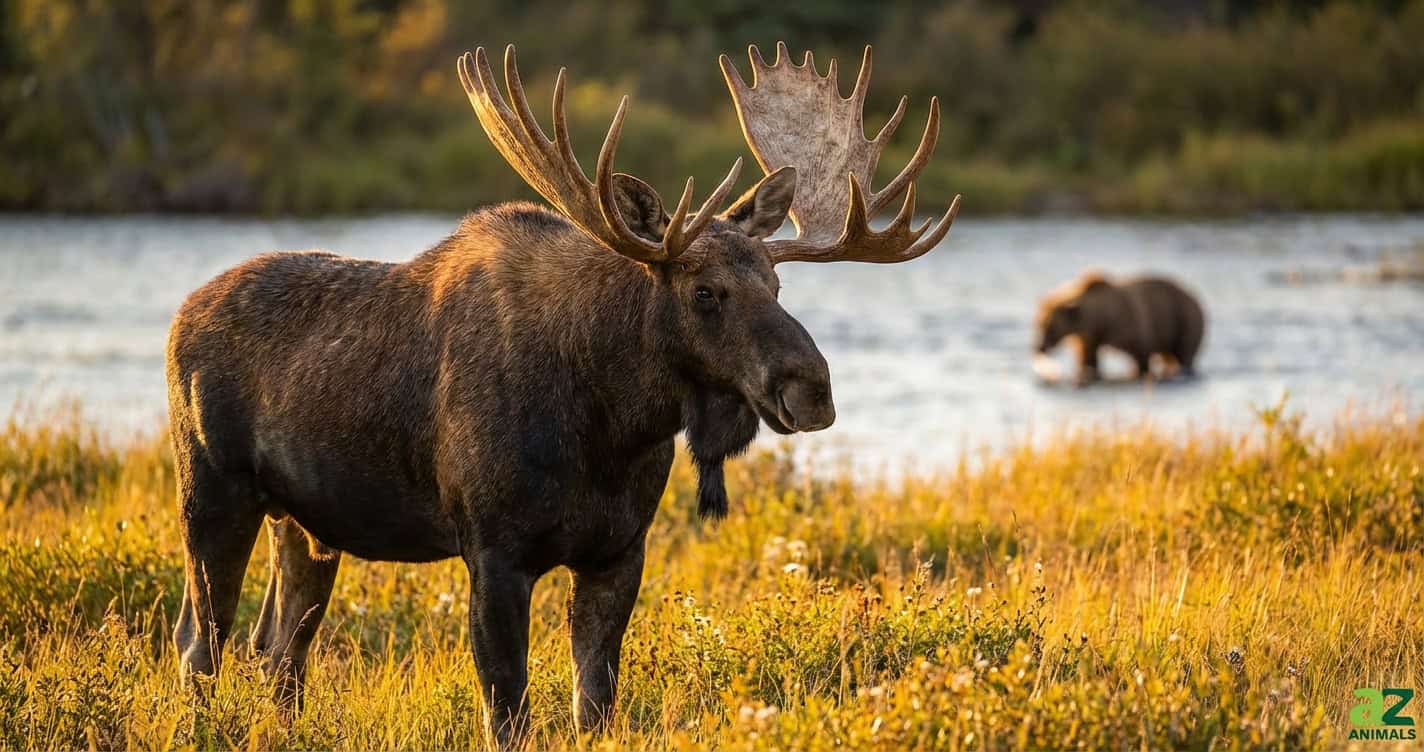
Multiple bears were foraging by the river, looking for fresh salmon to eat. In the distant meadow, a giant moose appears. Even though bears are territorial, they’ll rarely attack a moose. It’s too dangerous, even for a wild animal as ferocious as a grizzly.
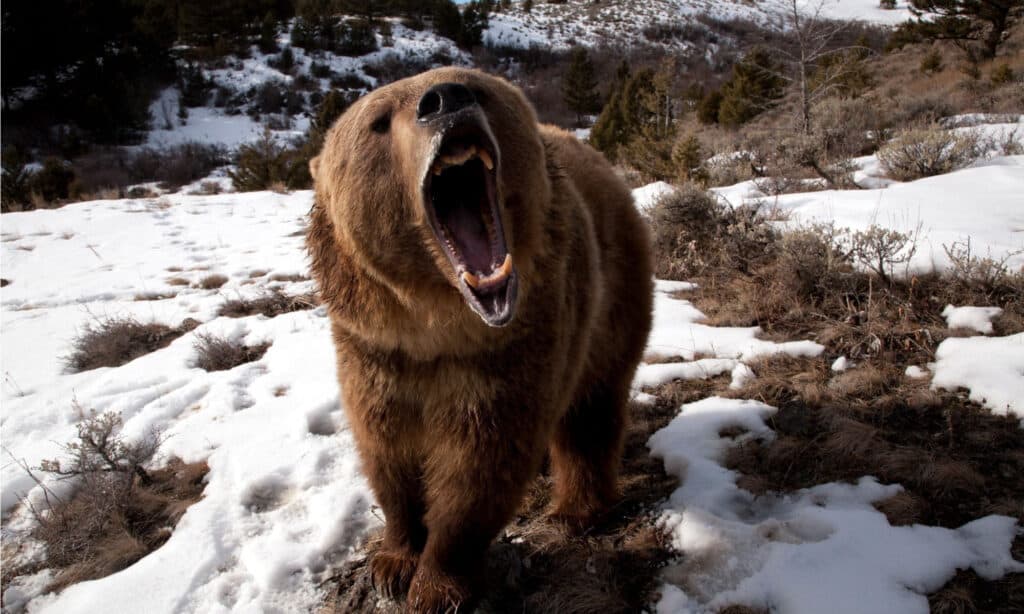
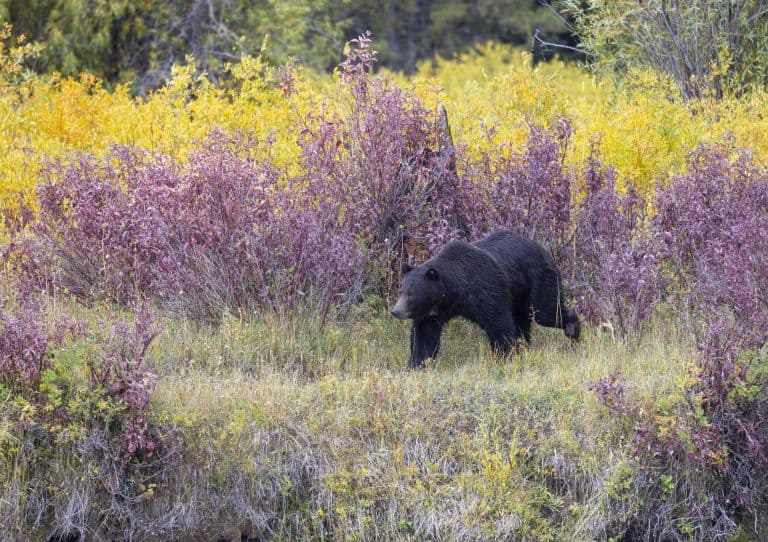
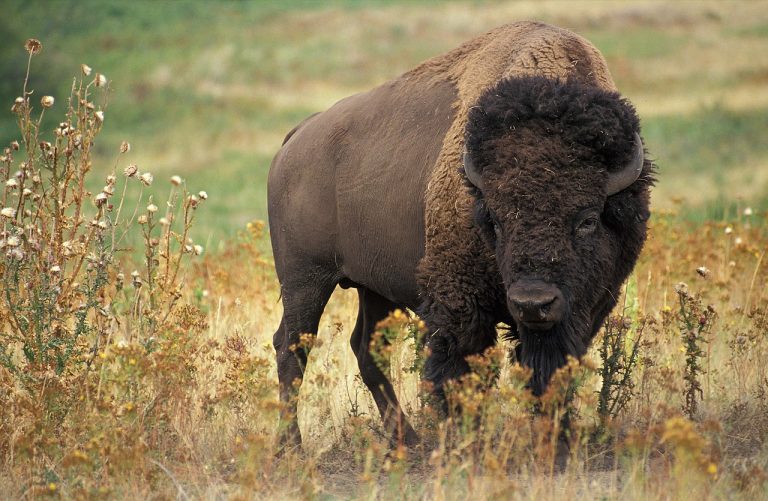
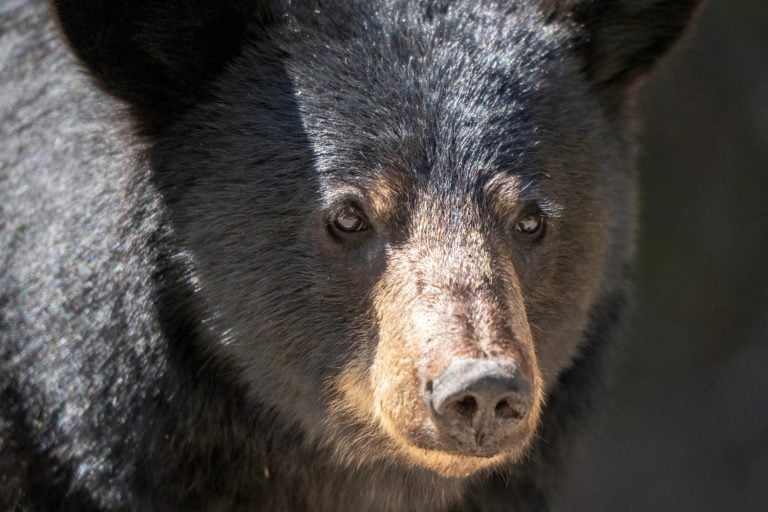
Grizzly bears are one of the largest land animals in North America.
©Falade Adewale/Shutterstock.com
The two animals walk almost side-by-side at one point, giving us viewers an idea of just how big the moose is. In Katmai, male coastal brown bears (often called grizzlies) can weigh between 600 and 1,200 pounds, making them significantly heavier than the interior grizzly subspecies.
That’s huge! Grizzly bears are one of the largest land animals alive today. But as we can see in this footage, they appear remarkably small next to a mature Alaskan Yukon moose. Female small-sized moose can weigh up to 800 pounds. Males of this size can weigh up to 1,600 pounds and grow as tall as about 6 feet.
Hunting Tactics
It’s not unheard of for a bear to attack a moose, but the bears in this video prioritize calorie-rich salmon over a high-risk hunt. They have plenty of fish to snack on while letting the moose safely pass by. It’s also not uncommon for moose to kill bears.
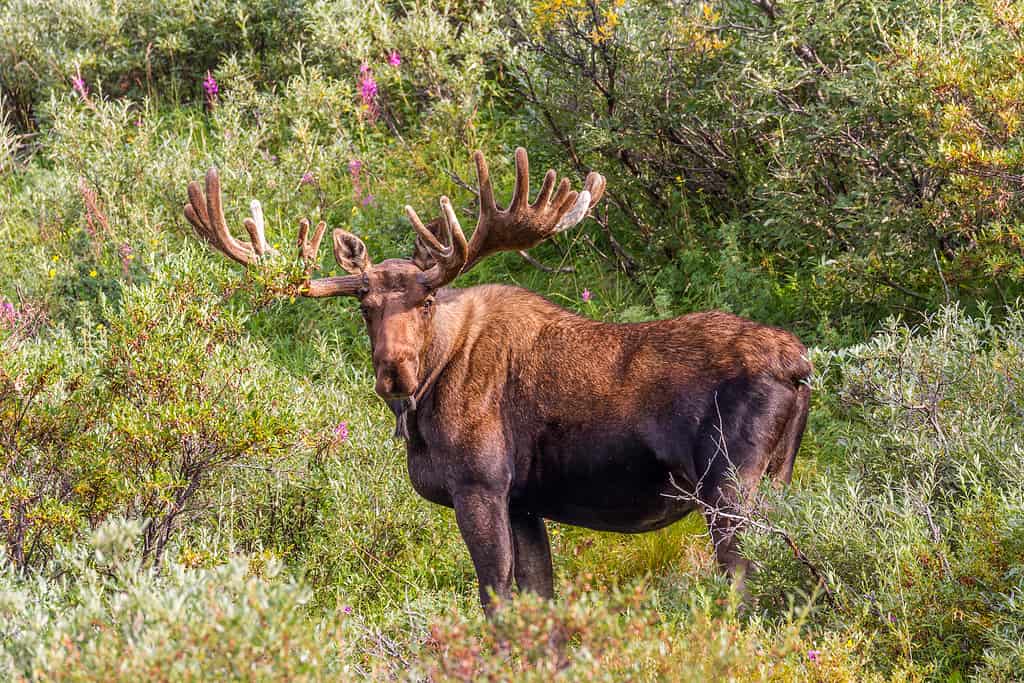
It’s not unheard of for a moose to kill a bear, especially if provoked.
©JacobLoyacano/Shutterstock.com
Moose have been known to gore bears with their antlers, trample them underfoot, or rake them with their hooves. Moose are not hostile creatures. However, they still pose a threat. They will protect themselves if threatened. While it is rare for a moose to kill an adult grizzly or polar bear, the threat of a debilitating injury, such as a broken limb or jaw, is enough to deter most predators.
Moose and bears have the capacity to be deadly to people, depending on the circumstances. However, because they are predators, whereas moose are not, bears tend to be more dangerous. If you ever find yourself in a situation like this one, be sure to keep a safe distance from any wild animal.
Is This Normal Behavior for a Grizzly to Avoid a Moose?
Yes, bears normally stay away from fully-grown moose. Moose have very large antlers, and they can easily tear a grizzly bear apart, so bears usually leave moose alone. The outcome of a fight is unpredictable; while a bear has the predatory tools to kill, a single well-placed kick from a moose can be fatal to the bear.
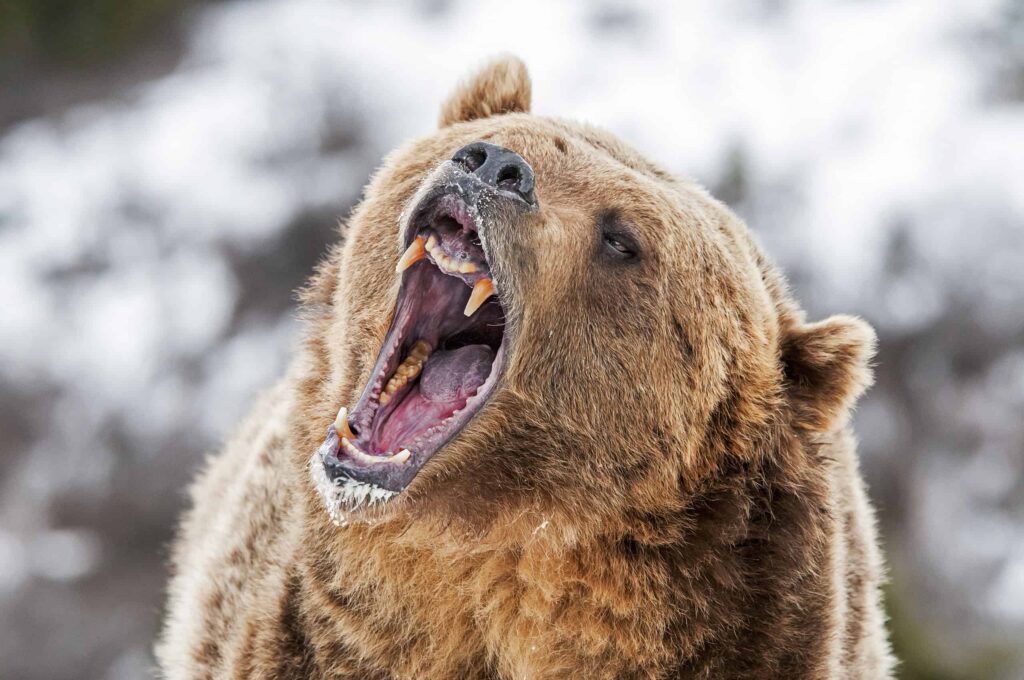
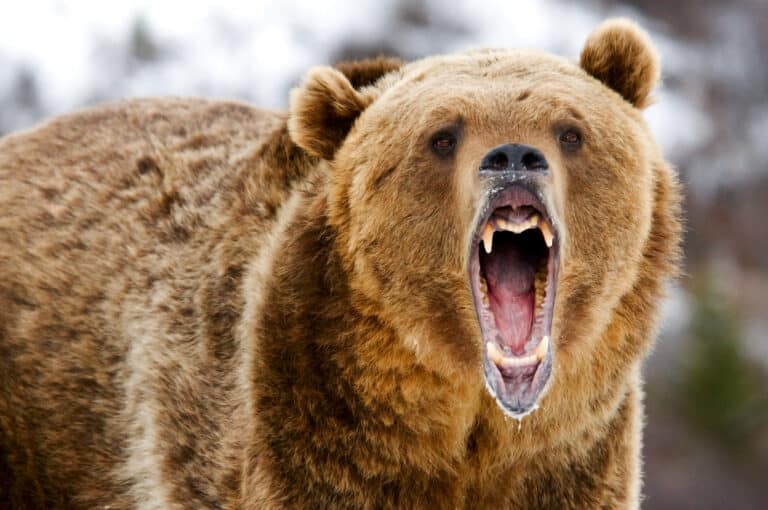
The grizzly has an advantage in its powerful bite and long, sharp teeth for tearing an opponent’s flesh.
©Scott E Read/Shutterstock.com
However, bears are commonly known to attack moose calves below the age of two months, as they do not have full-grown antlers to defend themselves.
During the spring season, when grizzly bears just come out of hibernation, they are known to ignore their own instincts and attack an isolated moose or two.
Lifespan
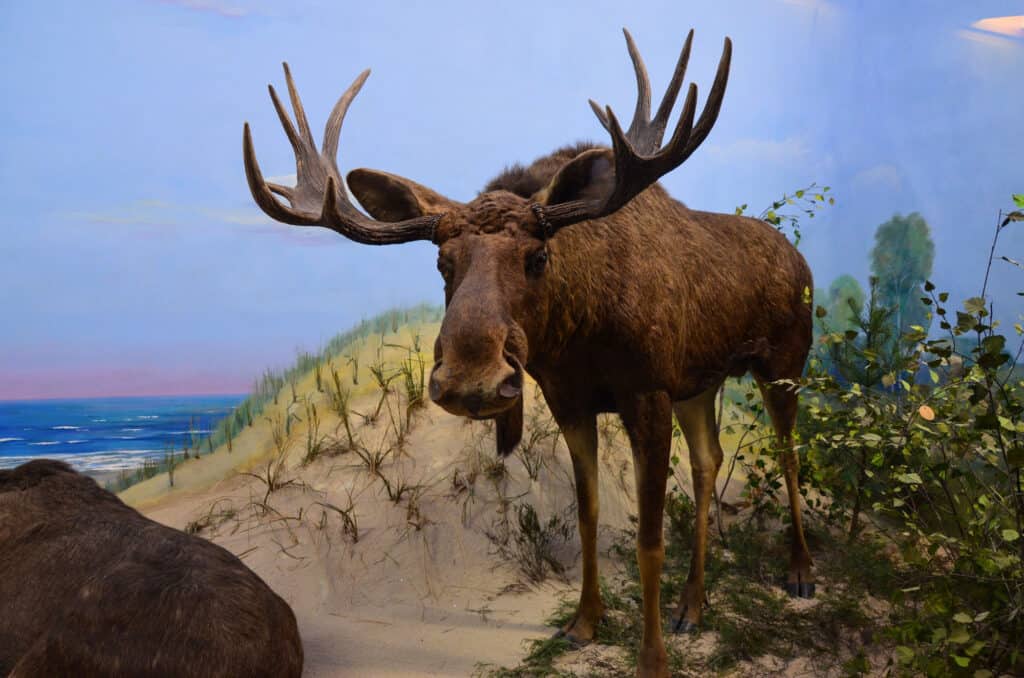
The average lifespan of a moose is 10-20 years in the wild, while bears can live up to 30 years.
©D.serra1/Shutterstock.com
Moose in the wild typically have a lifespan of about 10-20 years. Bears, on the other hand, can live for much longer and may even reach 30 years old in some cases. The main threats to their survival are human activities such as hunting and habitat destruction due to deforestation or urbanization.
Other natural predators also pose risks, especially for young moose or bear cubs, which are more vulnerable to predation than adults. Both species must also contend with environmental factors, such as harsh winters that can lead to malnutrition and disease, which can shorten their lives if not properly managed.
How Large Can a Moose Get?
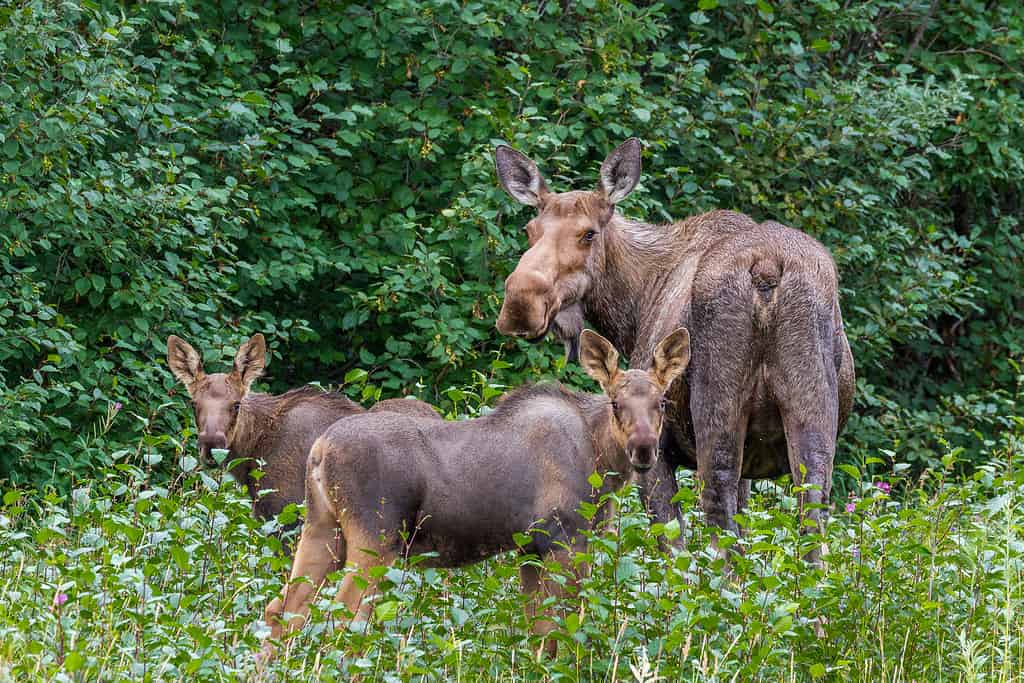
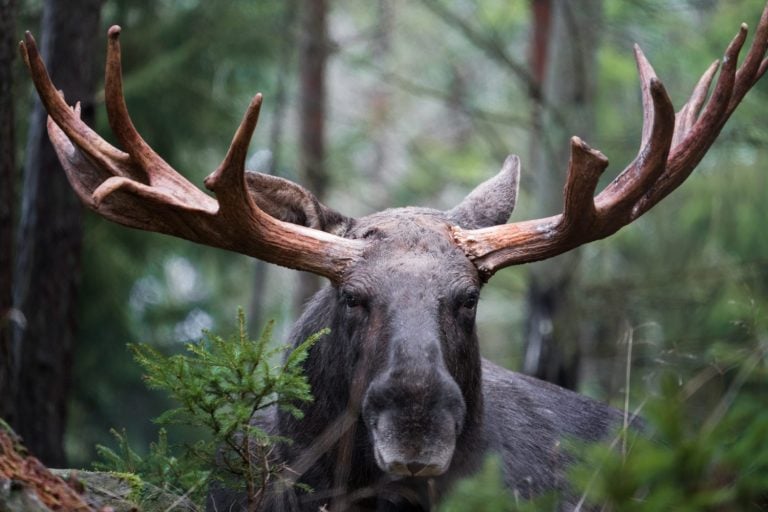
The Alaskan Yukon moose is the largest subspecies.
©JacobLoyacano/Shutterstock.com
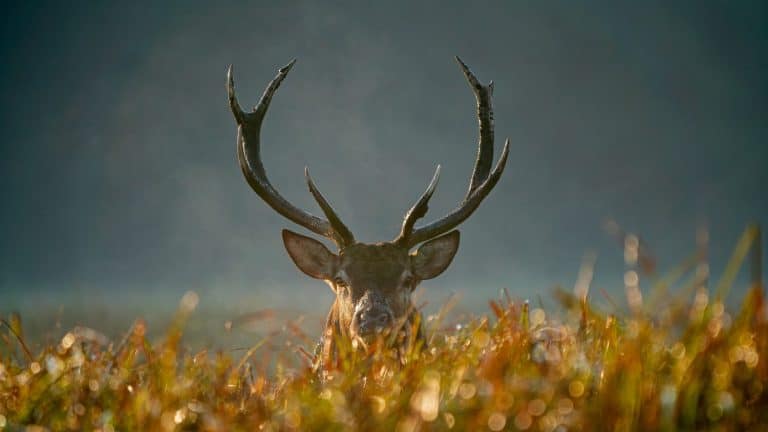
It’s no wonder grizzlies hesitate to take on a full-grown moose – they are gigantic! The Alaskan Yukon moose, the largest subspecies, can grow to a massive 1,808 pounds, stand up to 7.7 feet tall, and sport antlers more than 80 inches across. The height of a moose is measured at the shoulder, meaning that when the moose raises its head, it towers well over any human or bear in the vicinity. East Siberian moose are only slightly smaller – tipping the scales at 1,600 pounds.
Moose are the largest species of deer, with an average Yellowstone bull standing over 6 feet tall and weighing around 1,000 pounds. Females are slightly smaller and tend to weigh around 800. So, even when considering the average-sized moose and the average-sized 500-pound grizzly, it’s easy to see why these apex predators are risk-averse. For a bear, survival depends on picking fights it is guaranteed to win. Only the hungriest grizzly eating for hibernation would even consider such, much less act on it.