
Quick Take
- Symptoms can vanish for weeks, then strike again. The reason is unsettling.
- One vaccine strain meant to protect cattle is slipping into a food people think is natural, and it dodges a standard drug.
- Decades of eradication success have a loophole, and it roams free near a famous national park.
- Hunters face a startling share of cases, and a few simple habits could change their odds.
Infectious diseases are a part of everyday life, and some, like the common cold, are almost impossible to avoid. Brucellosis, however, is transmitted in very specific ways from animals that are carrying a specific type of bacteria. Consuming raw milk and feral hog hunting account for many of the reported brucellosis cases in the U.S. This is what you can do to decrease your risk of contracting the disease.
How Can You Catch Brucellosis?
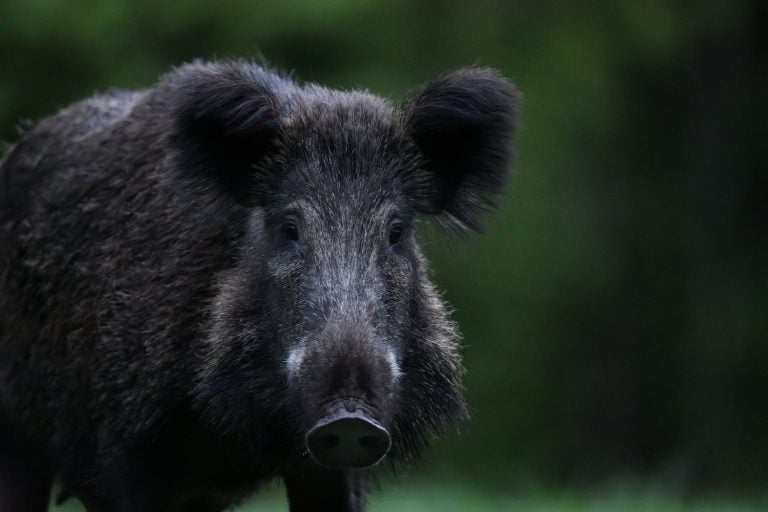
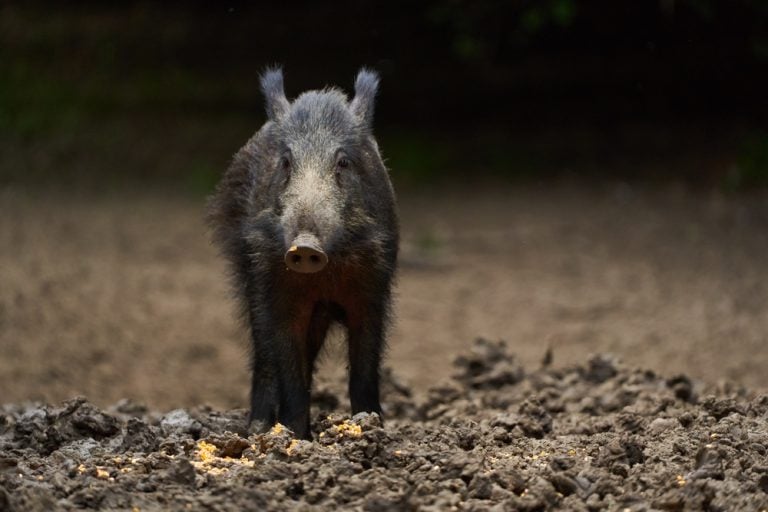
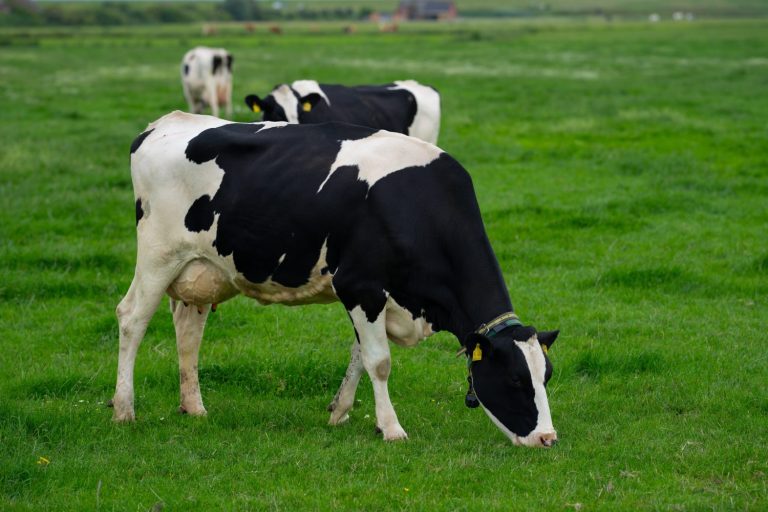
Brucellosis is caused by the Brucella genus of bacteria. There are at least 10 recognized species, and they have various animal reservoirs. For example, Brucella abortus is primarily found in cattle, and Brucella suis is mainly found in pigs, including feral hogs. Both wild and domestic animals can carry the bacteria. Humans get infected through contact with infected animals or animal products contaminated by the bacteria.
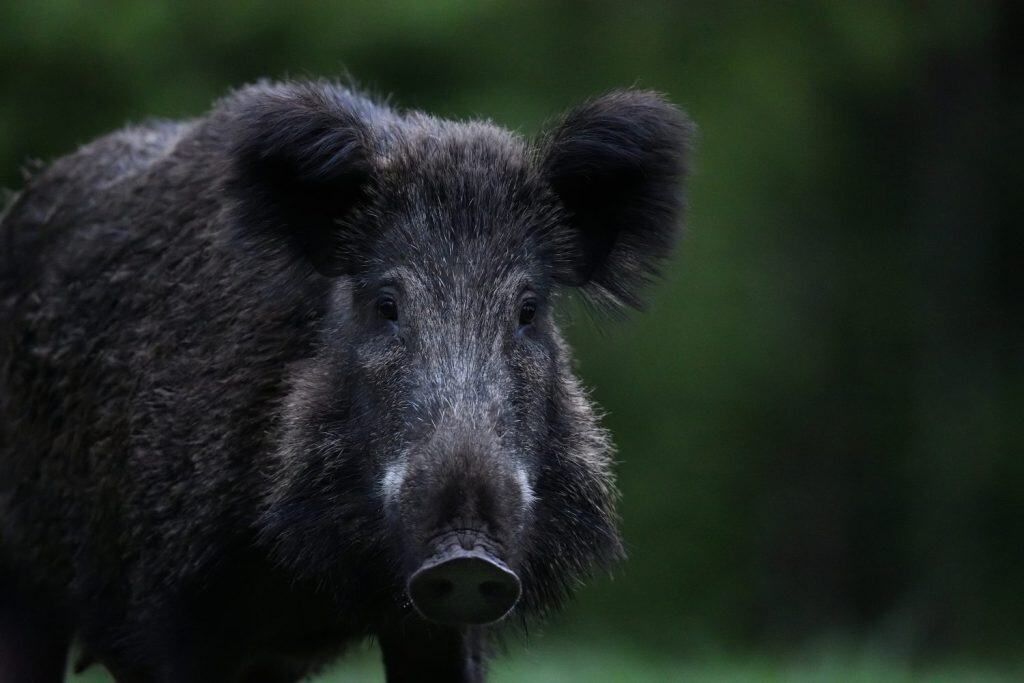
Feral hogs can carry Brucella.
©Erik Mandre/Shutterstock.com
According to the US Centers for Disease Control and Prevention (CDC), the main transmission pathways are eating undercooked meat (including game meat) and consuming unpasteurized (raw) milk or unpasteurized dairy products. You can also contract the infection from breathing in the bacteria or getting animal body fluids in your eyes, nose, or mouth. This can happen when preparing meat or hides after hunting. Other people have been infected by getting animal vaccines in their eyes, nose, mouth, or bloodstream, or from working with Brucella strains in the laboratory.
Therefore, the jobs that expose you most to the infection include slaughterhouse work, hunting, veterinary occupations, animal-contact occupations, and laboratory staff.
Symptoms – The Disease That Comes Back
Most people with brucellosis get a fever and fatigue accompanied by sweating, a headache, muscle pain, lack of appetite, and malaise. However, these symptoms may then disappear for a few weeks or even months only to return. This is because the bacteria can hide away inside your body’s immune cells where they cannot be attacked by the immune system. Periodically, they break out, causing waves of symptoms. In some cases, the disease can become chronic with recurrent fevers, arthritis, swelling of the heart (endocarditis), and spondylitis (chronic inflammatory arthritis that primarily affects the spine and sacroiliac joints) lasting for years.
The good news is that it can be treated with antibiotics (doxycycline and rifampin in combination). It’s a 6- to 8-week course, and it’s important that you finish all the pills provided to prevent the disease from becoming chronic.
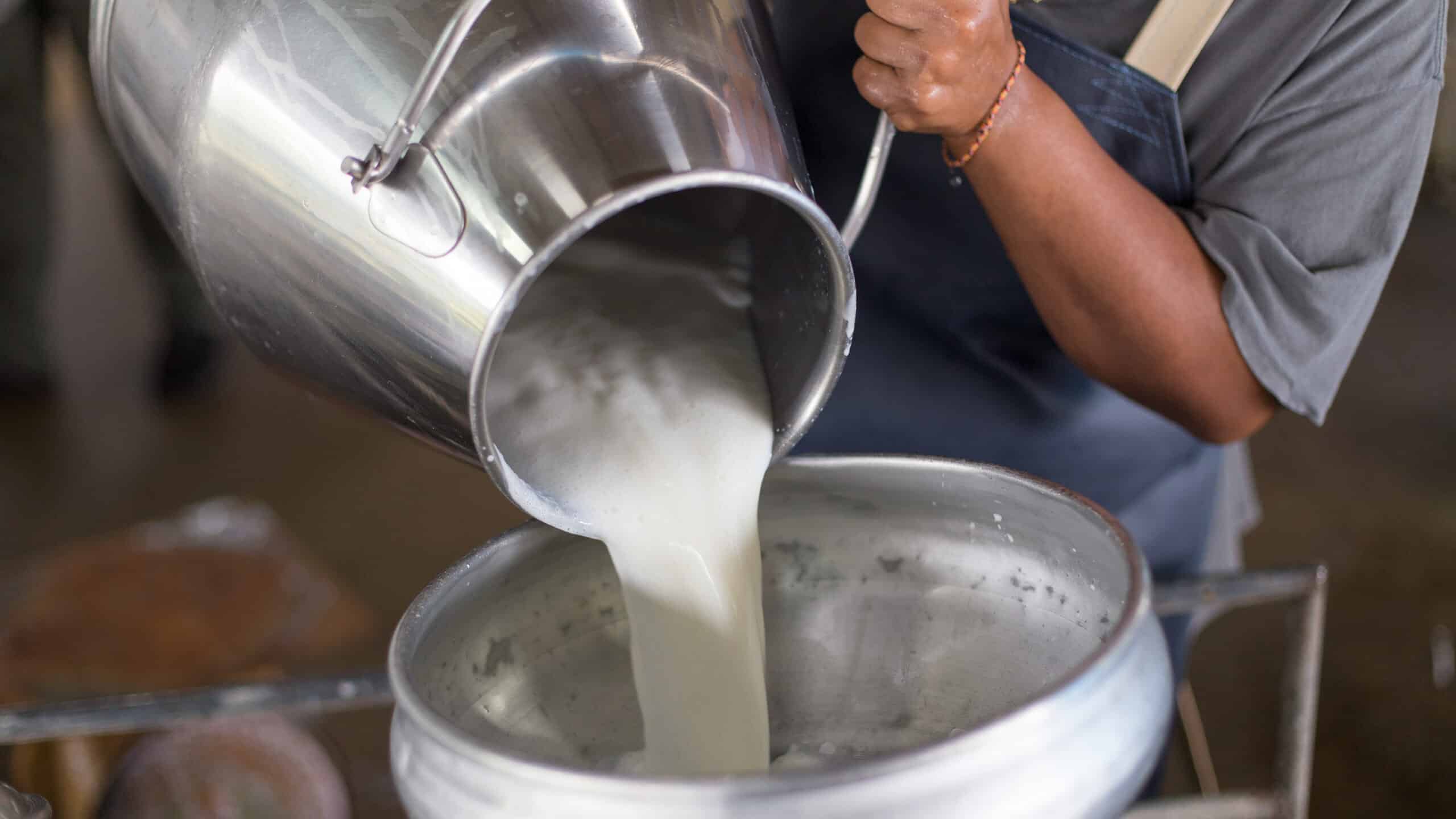
Brucella abortus RB51 Infections Associated with the Consumption of Raw Milk
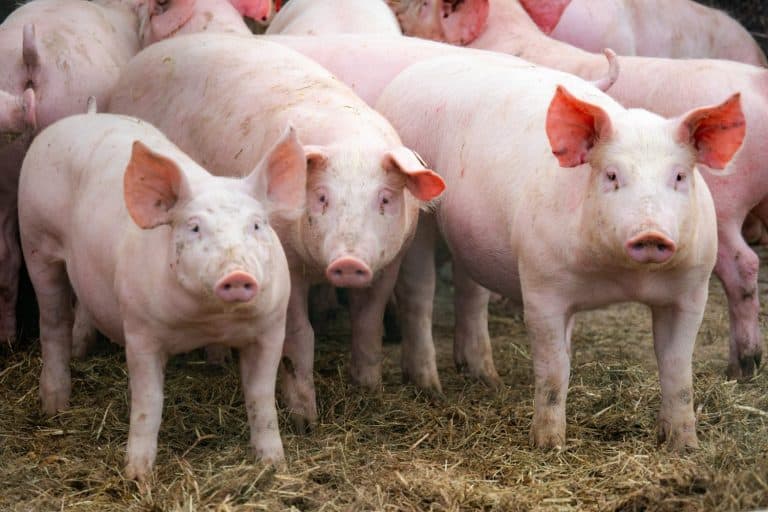
There have been a very small number of reported brucellosis cases in the US attributed to the Brucella abortus RB51 strain. This is the live attenuated vaccine strain of B. abortus used to prevent brucellosis in cattle. Normally, the vaccine strain is cleared from the cattle’s bloodstream within 3 days of vaccination. In rare cases, the cow sheds the vaccine strain in milk or other secretions. All of the reported human cases so far have been connected with the consumption of raw milk. During investigations into the cases, Brucella abortus RB51 bacteria have been isolated from raw milk samples from vaccinated cows. The USDA Animal and Plant Health Inspection Service advises that RB51 can be shed in the milk of vaccinated animals and that all milk or milk products consumed from vaccinated animals should be pasteurized for food safety purposes.

Check dairy product labels to make sure they are pasteurized.
©JPC-PROD/Shutterstock.com
What’s more, the CDC states that drinking or eating products made from raw milk can expose people to germs, including Brucella. They advise the public to choose pasteurized milk and dairy products and to read labels carefully so that they know that they are consuming a pasteurized product. Also, children under 5, adults over 65, pregnant women, and people with weakened immune systems are at a higher risk of serious illness from these germs.
If you have an infection caused by Brucella called RB51, you cannot be treated with rifampin, as this particular strain of Brucella is resistant to the drug.
US Eradication Program Success
Brucellosis has been present in the United States since the 1930s. An eradication program started in 1934, but it took more than 70 years to be successful. Since 2010, the disease has been mostly eliminated in U.S. cattle. The eradication program comprises passive and active surveillance, animal vaccination, removal of infected animals, quarantine and movement controls, and education and public awareness.
- 1930s Brucellosis is present in the United States
- 1934 Eradication program starts It took more than 70 years to be successful.
- 76 years later
- 2010 Mostly eliminated in U.S. cattle Since 2010, the disease has been mostly eliminated in U.S. cattle.
However, that is not the whole story! There is an ongoing reservoir of infection in wild bison and elk located in the Greater Yellowstone Area (GYA). As of February 2026, two cattle herds and one bison herd were affected. Ongoing surveillance identifies an annual average of 2.7 infected cattle or private bison herds per year within the GYA. The problem is that the disease can potentially be transmitted from wildlife to livestock. When wild elk or bison abort or calve near where livestock graze or are fed, the bacteria can be passed on. Also, there is a risk when a brucellosis-exposed animal is introduced into a herd.
Preventing Brucellosis
Most people can protect themselves from getting Brucellosis by not eating undercooked meat and by avoiding raw milk or dairy products made with raw milk. If you are not sure if a particular dairy product is pasteurized or not, do not eat it! Bear in mind that freezing, smoking, drying, and/or pickling will not kill the bacteria that causes brucellosis.
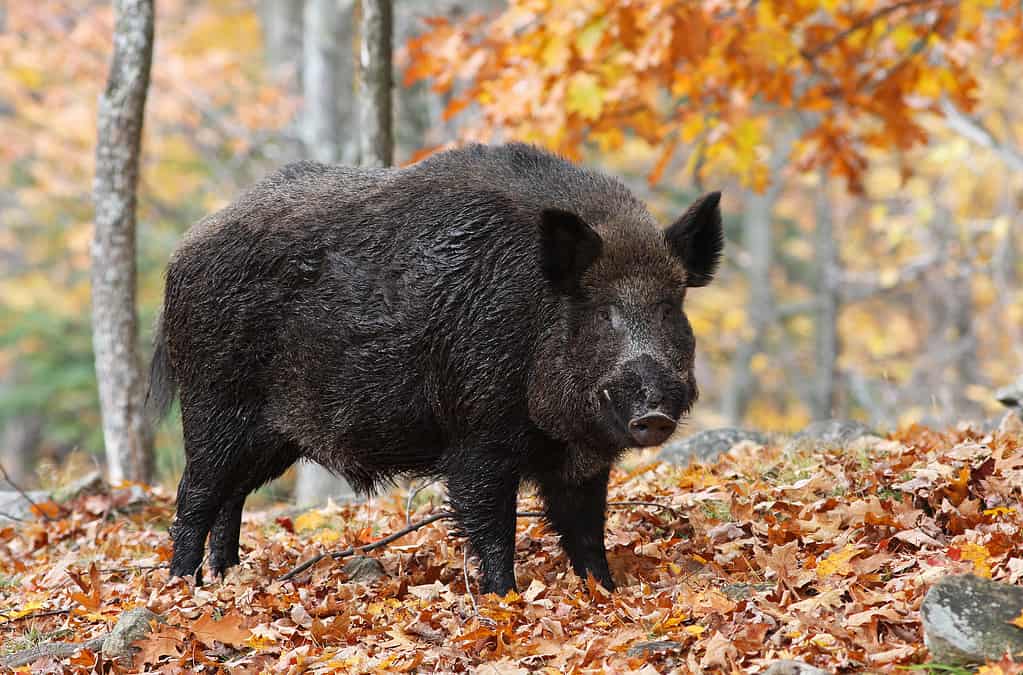
Hunters should adopt hygienic precautions when dressing hog carcasses.
©Mircea Costina/Shutterstock.com
Certain people (including hunters who field dress carcasses) are at a higher risk of infection due to exposure to animal body fluids. Wearing protective clothing such as rubber gloves, goggles, gowns, aprons, masks, and respirators can reduce the risk.
The University of Florida has shared its ‘Healthy Hunting Habits’ for feral swine hunters after CDC data indicated that between 25 percent and 30 percent of US brucellosis cases were directly linked to feral swine hunting.
There are several practical steps that hunters can take to protect themselves. Using a clean, sharp knife for butchering and field dressing is important, as is avoiding eating, drinking, or smoking when dressing carcasses. Eye protection and non-porous gloves are required, and you should clean and disinfect supplies as well as clean your hands with soap and water afterwards. Avoid direct contact with hunting dogs and do not feed the dogs part of the carcass.