Quick Take
- Feeding too many bananas doesn't just cause an upset stomach. It can trigger a chain reaction in your horse's gut that ends in serious, painful consequences. See the safe limits →
- Banana peels aren't off-limits, but there's one step most horse owners skip that makes them risky. Check the prep step →
- The banana chip you'd grab from your own pantry is probably the worst version you could give your horse. Find out which chips are safe →
- Some common fruits are quietly toxic to horses, and at least one of them might already be in your yard. See the toxic fruits list →
Horses are highly social, long-lived herd animals that thrive on a diet consisting almost entirely of forage, such as fresh pasture grass or baled hay, supplemented with water and salt. A pregnant or nursing mare may also require supplementary grain. Horses also drink large amounts of water, often 8 to 10 gallons a day, which is critical for proper digestion. Therefore, fresh, clean water must always be made available. A mineralized salt block should be provided in the pasture or stall. Salt is a crucial component of an equine diet, as it helps maintain fluid balance, restores electrolytes lost in sweat, and encourages horses to drink water. Most adult horses require about one to two ounces of salt daily, but individual needs vary based on body weight, diet, and activity level. Horses in intense work or hot weather may need significantly more, so always provide free-choice access to a salt block or loose salt. With all the hay, water, and salt in their diet, do horses ever get any tasty treats? While forage satisfies their nutritional needs, there is a wide variety of safe fruits and vegetables that horses can eat, including bananas. Continue reading to learn how to incorporate bananas into your horse’s diet.
How Many Bananas Can I Feed My Horse?
It is perfectly safe to feed a horse bananas when they are cut into bite-sized pieces. They are a healthy, sweet treat loaded with potassium and fiber. However, because they are high in sugar, they must be fed in moderation. Current guidelines suggest feeding a horse one or two bananas up to three times per week. If you wish to reward your horse every day, it is better to rotate bananas with lower-sugar alternatives like celery or cucumber slices.
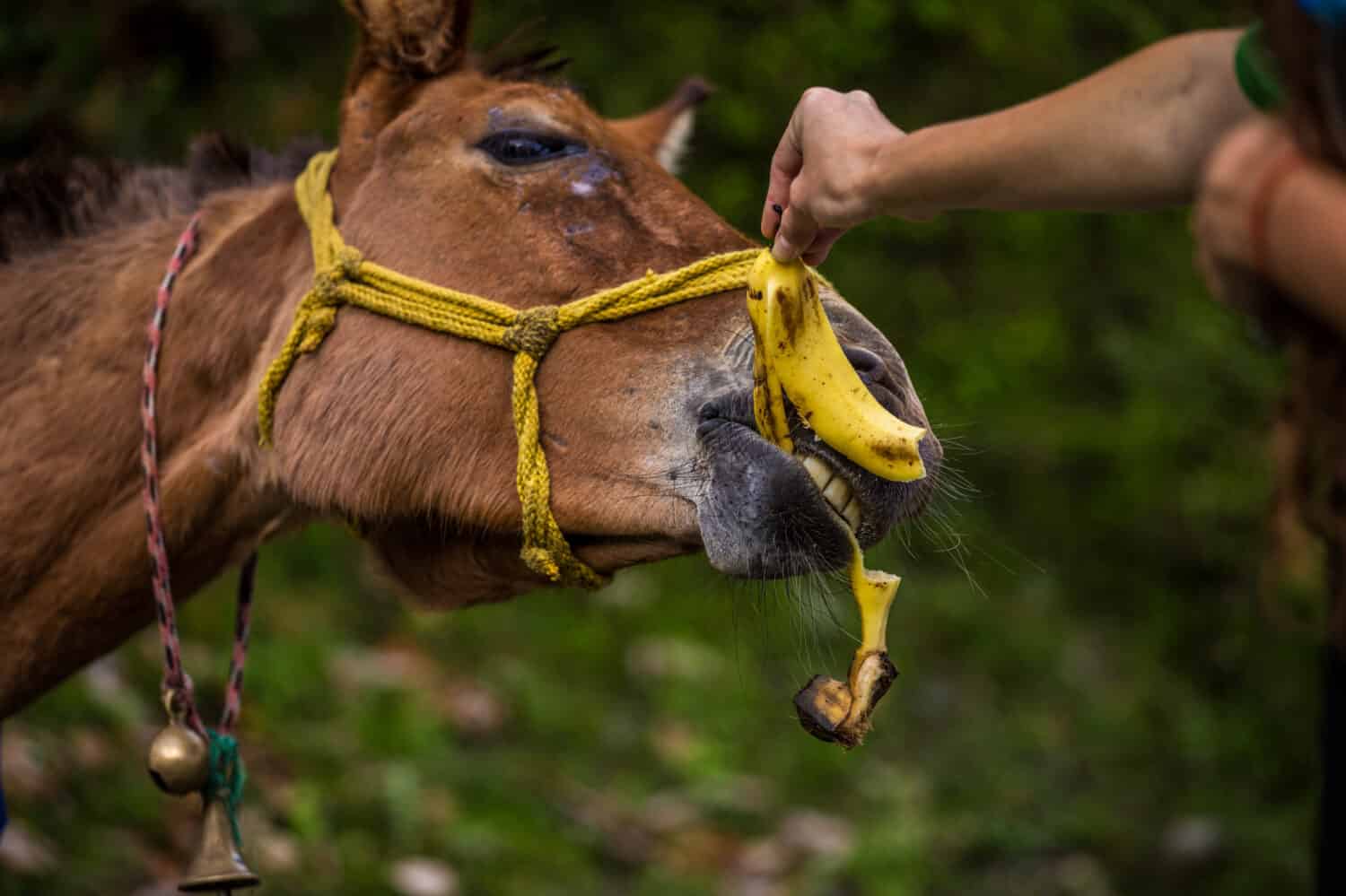
Horses can eat bananas, but should do so in moderation.
©Hippiekoala/Shutterstock.com
If you are not already feeding bananas to your horse, start with a small slice to see if your horse likes it and to monitor for any signs of stomach upset. As with most domesticated mammals, excess sugar can cause metabolic dysfunction and digestive disruption in horses.
The risk of sudden sugar overload disrupting gut bacteria and causing gas, diarrhea, or colic is particularly high in hindgut fermenters, including horses. When these animals eat too much sugar, it bypasses the stomach and rushes into the hindgut.
The local bacteria rapidly ferment the sugar, producing massive amounts of lactic acid. This acidifies the gut, kills beneficial microbes, creates dangerous gas, and causes agonizing colic, which is severe, fluctuating pain caused by spasms in the intestines.
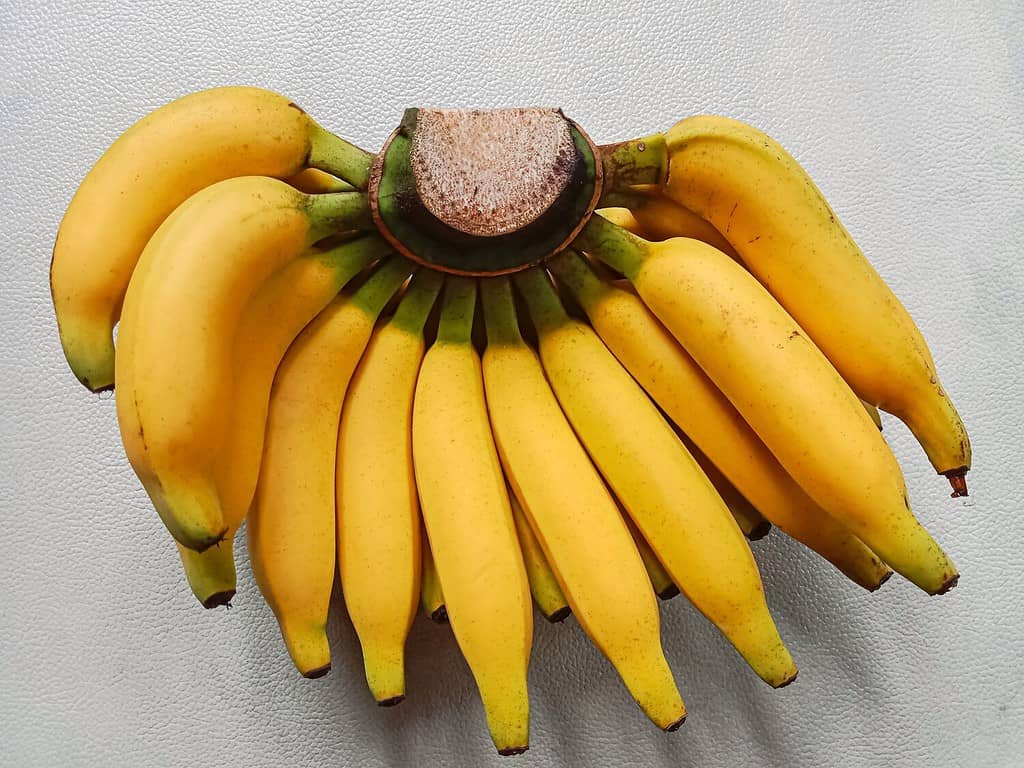
Horses should only eat a few bananas a week, at most.
©asss sssa/Shutterstock.com
Can You Feed Horses Banana Peels?
Yes, horses can eat banana peels. Some horses prefer the taste, while others find it too bitter and will only eat the fruit.
Be sure to wash the peels before feeding them to your horse. Humans don’t usually worry about washing bananas since we only eat the fruit inside, but the peel often contains pesticides.
Can You Feed Horses Banana Chips?
Horses may eat dehydrated banana chips, but only if they are unsweetened and free of added oils or preservatives. Many horses seem to prefer the crunchy texture of a banana chip over a fresh, mushy banana.
However, most banana chips meant for humans are deeply problematic for horses. They are usually deep-fried in oil and coated in added sugar or honey to make them crunchy and sweet. Horses should only be fed 100% dehydrated or freeze-dried banana slices with zero additives.
Dehydration removes water, making sugar and potassium more concentrated than in a fresh banana. Limit banana chips to just a few small pieces as an occasional treat.
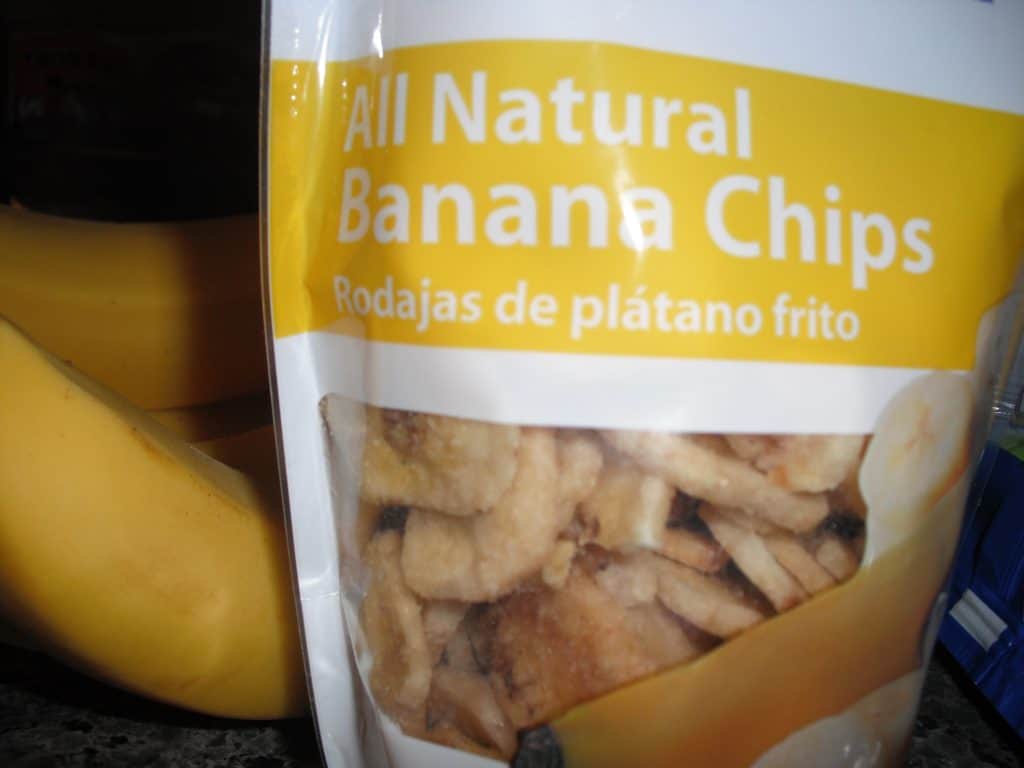
Banana chips are even higher in sugar than fresh bananas.
Which Fruits Can’t Horses Eat?
Horses can safely eat most fruits, but some are dangerous or toxic to them. Below are some fruits and fruit parts that you should never feed your horse.
- Avocado fruit, stems, and leaves are toxic to horses.
- Tomato fruits and plants are toxic to horses.
- Fruit pits, such as those from cherries or peaches, pose a choking hazard and may contain toxins.
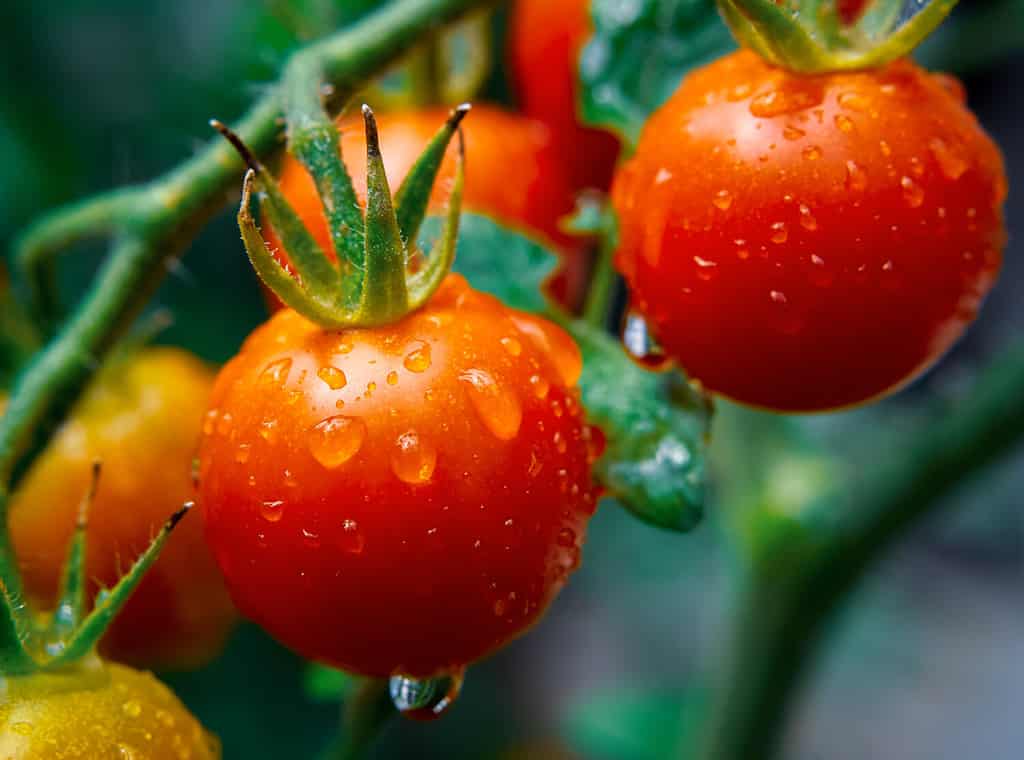
Tomatoes are toxic to horses.
©Shannon Birchler/Shutterstock.com
Always slowly introduce new foods into your horse’s diet, and consult with a veterinarian if you’re unsure about offering a new treat. If your horse gets ill after eating a new food, even one that is typically horse-safe, please call a veterinarian for help.