
Rattlesnakes are pit vipers that reserve in North America, South America, and Central America. They are extremely venomous. Get too close, and you might hear the rattlesnake’s warning: the shaking rattle sound of its tail. In contrast, another pit viper, the cottonmouth, only lives in North America’s wet, swampy areas and warns predators to stay away by emitting a strong musky scent. Cottonmouths also have deadly venom. There are quite a few significant differences between the two snakes – but whichever one you come across, it is usually best to stay far out of the way. However, since both of these snakes have powerful venom and share some similarities, you might wonder: which would win in a fight?
This article will compare the relative strengths of each of the two snakes, how they protect themselves, and their fighting ability. Let’s jump in now!
About Cottonmouths and Rattlesnakes
Before deciding which snake would likely win in a fight, let’s review some of the key attributes of both cottonmouths and rattlesnakes.
| Quality | Cottonmouth | Rattlesnake |
|---|---|---|
| Size | 2-4 feet long on average (depending on the species) | 3-6 feet long on average (depending on the species) |
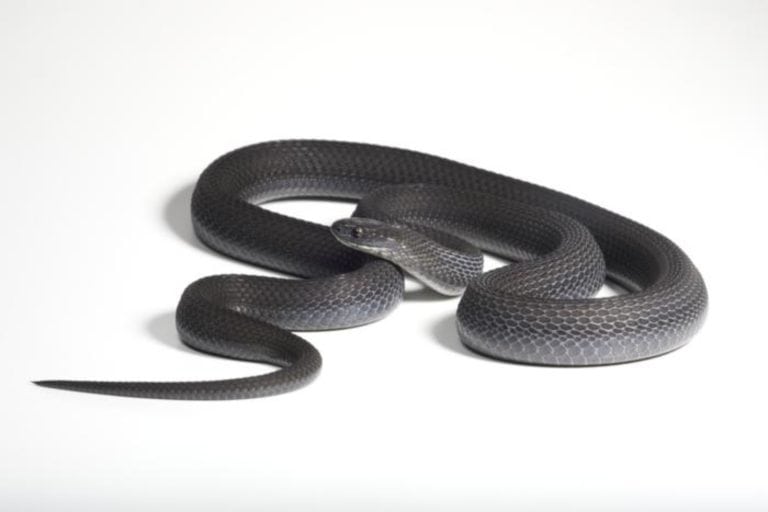
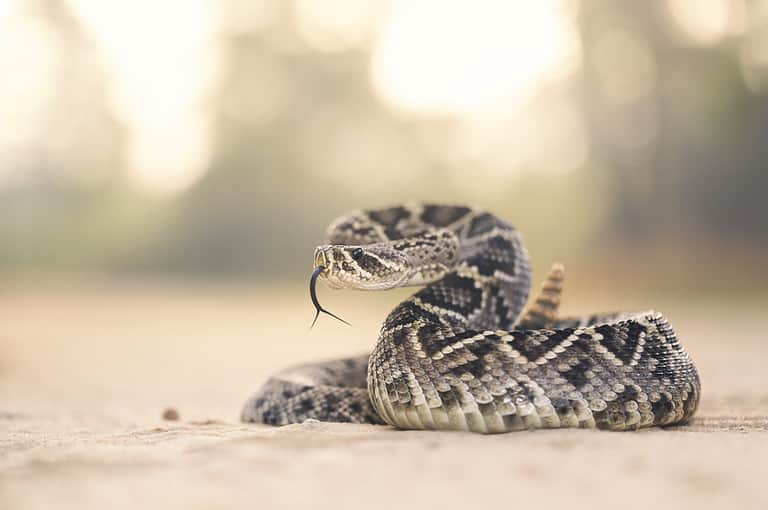
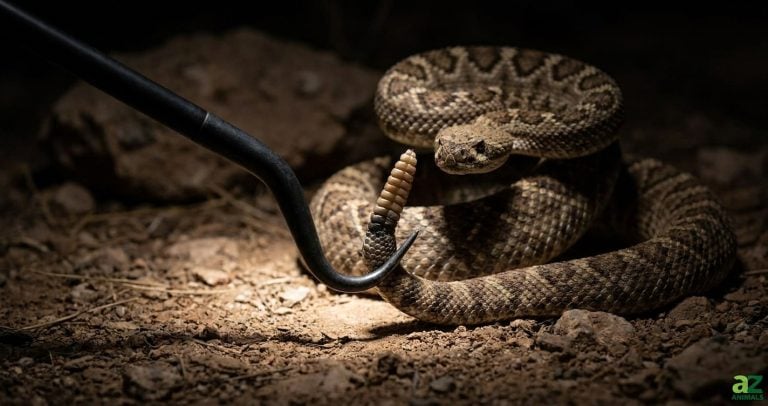
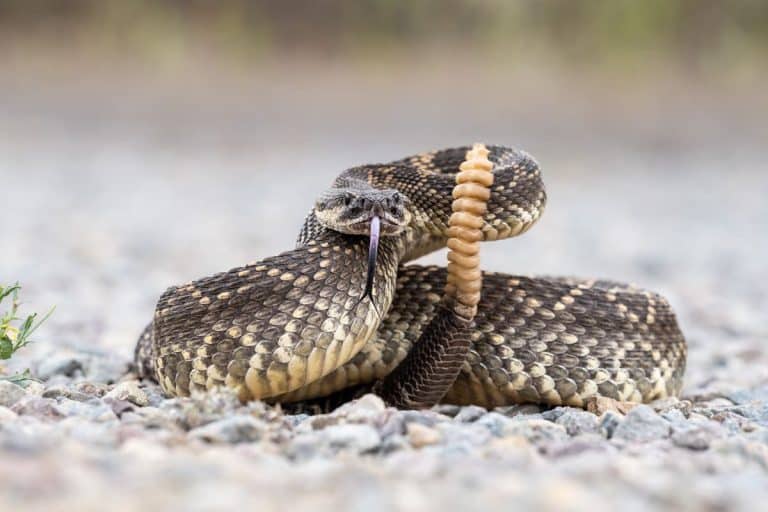
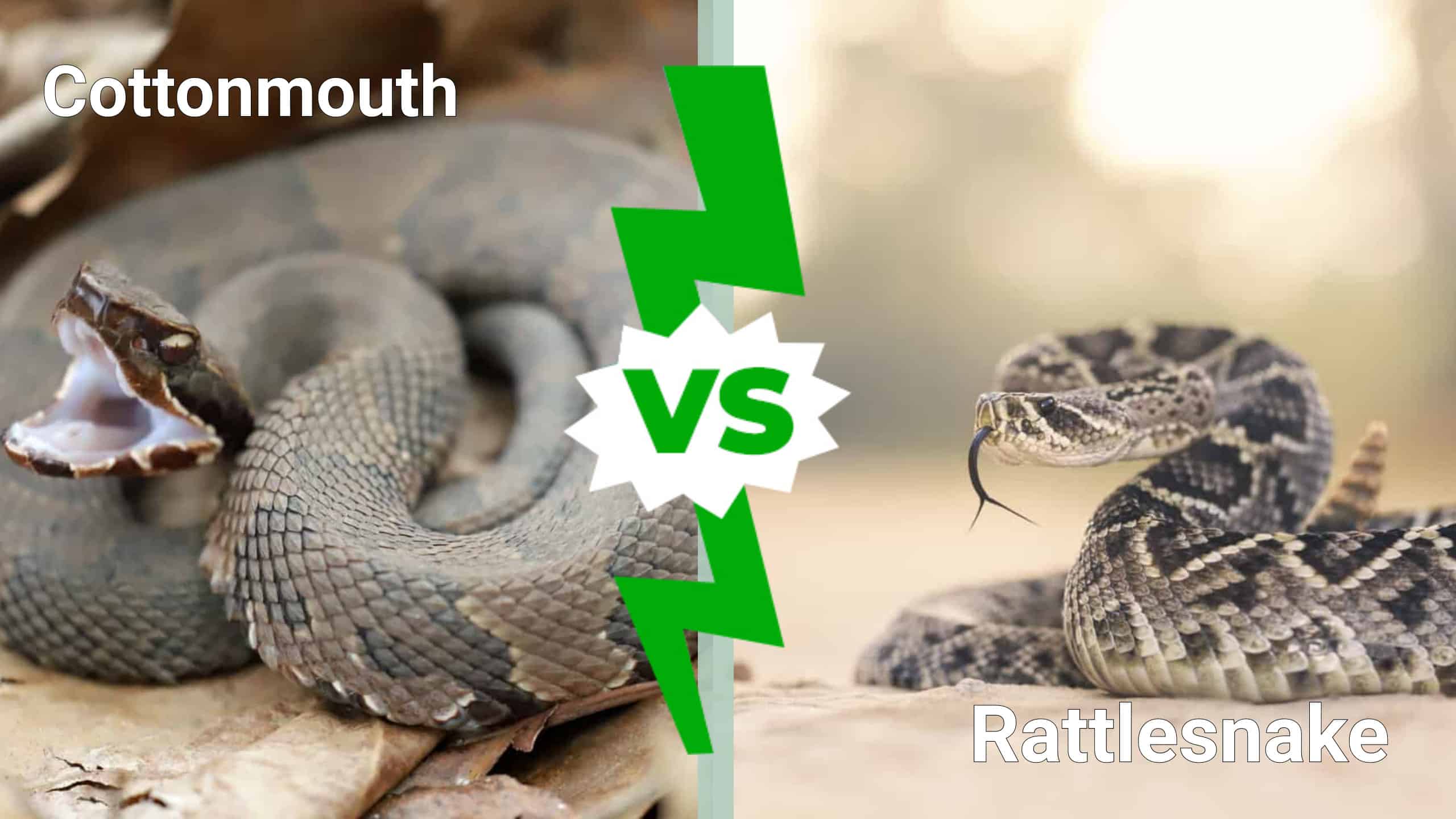
| Appearance | Cottonmouths are dark in color, usually black, brown or grayish. Their bodies are thick and stout and they have broad heads that are flat and often wider than their necks. They have elliptical, cat-like pupils in the eyes. When they open their mouths, the skin inside is cotton-colored white. | Rattlesnake coloring varies with its habitat. They generally have long bodies, triangle-shaped heads, vertical pupils, and a diamond pattern of raised scales covering their bodies. Their tails have a rattle at the ends, which look a little bit like off-white beads, but which are actually hollow scales. |
| Location and Habitat | North America, in wetland, forest, and marsh areas | North, Central, and South America, in a variety of terrains including desert, mountain, and grassland mountains, deserts, grassy areas |
| Behavior | Defensive by nature, avoids predators, and avoids biting people unless they are stepped on or bothered, will coil its body and open its mouth wide to provide a warning signal to predators | Defensive by nature, avoids people but is a stealthy predator of other animals, may go straight into an attack but only strikes from a coiled posture |
| Diet | Fish, rodents, frogs, birds, insects, and eggs | Rodents, insects, reptiles |
| Lifespan | 15-20 years | 10-25 years |
Differences Between Cottonmouths and Rattlesnakes
The greatest differences between a cottonmouth and a rattlesnake include their appearance, their diet, and their habitats. Cottonmouths are smaller and shorter than the diversity of rattlesnake breeds, though both snakes have thick bodies. Cottonmouths tend to have dark brown or black scales, while rattlesnakes have a distinct diamond pattern on their bodies. Additionally, cottonmouths have the distinct white mouth skin when they open their mouths, while rattlesnakes do not. Additionally, rattlesnakes have the iconic rattle at the end of their tails, while cottonmouths do not.
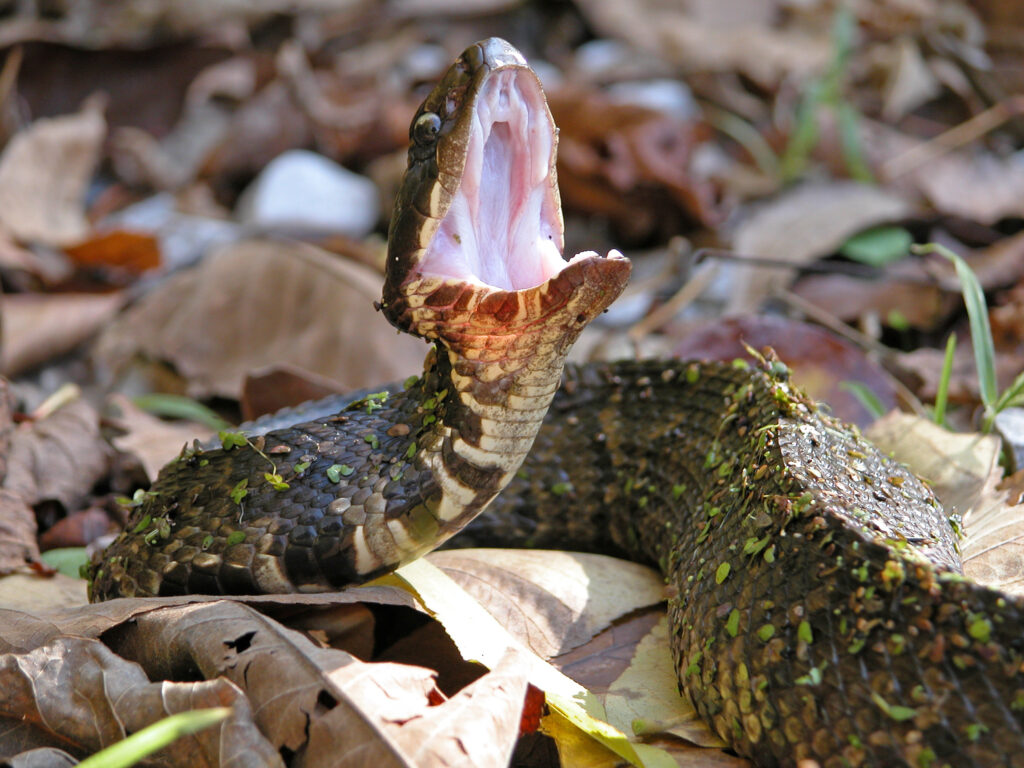
The cottonmouth has distinctive white-colored mouth skin.
©iStock.com/Gerald DeBoer
While rattlesnakes live across multiple continents and different habitats, from deserts to forests, cottonmouths rarely venture outside of their native wetland marshes in North America, especially in the southeast. Rattlesnakes swim out of necessity and prefer to be on land, while cottonmouths enjoy living in their native wetland homes and are competent swimmers.
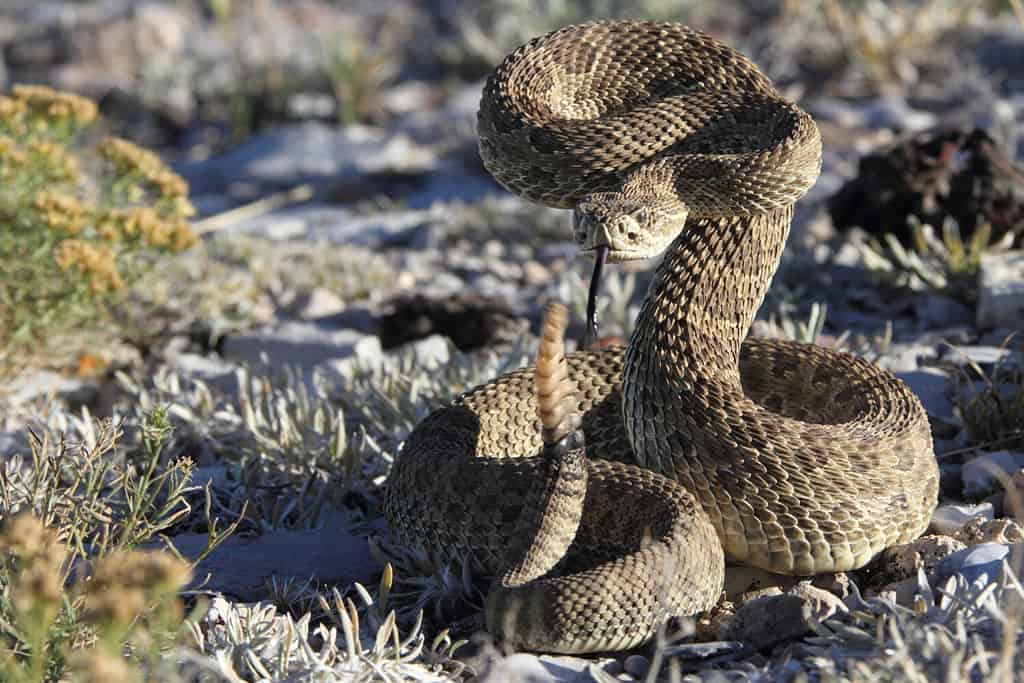
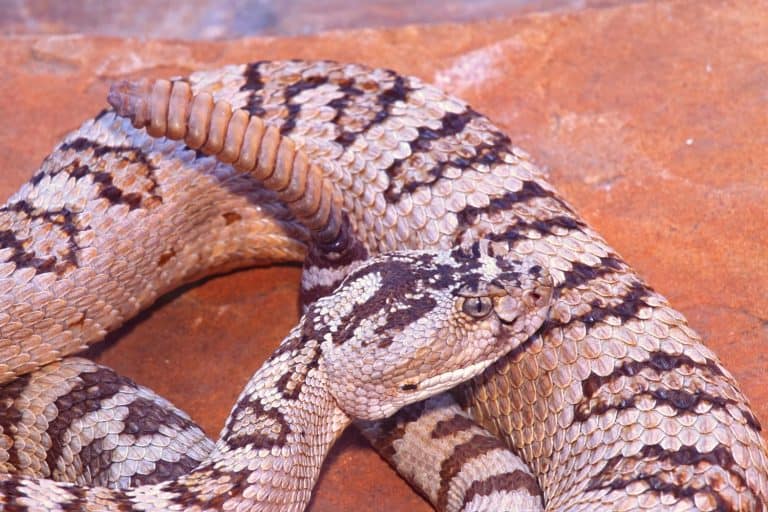
Look out for a rattlesnake’s diamond scale pattern and rattle at the end of the tail.
©Harris Motion Photo/Shutterstock.com
Key Factors
Both cottonmouths and rattlesnakes are venomous and have been found preying on the other species. Since both are pit vipers, they have the ability to sense heat and track their prey by following small variations in temperature. While both cottonmouths and rattlesnakes are predators, it is relatively rare for snakes to actually engage in a fight. These creatures are not territorial and typically do not fight over anything other than the right to mate with a female. That said, some snakes do eat other snakes. There are several snake species known for hunting snakes in their own species or of another. Which would win in an epic battle? Let’s review some of the factors at play.
Comparing Cottonmouths vs. Rattlesnakes: Size
In general, rattlesnakes tend to grow bigger than cottonmouths. However, if a small rattlesnake crosses the path of a cottonmouth, the result could be deadly. Whichever snake can get a deadly bite first could be successful. In fact, though it can be challenging for a snake to devour another one that is the same size or larger, it is possible. Snakes eat prey by using strong esophageal muscles to gradually consume the animal, folding it inside of them in waves.
Comparing Cottonmouths vs. Rattlesnakes: Aggression and Prey
Cottonmouths are opportunistic predators. Since these snakes are carnivores, they will eat a variety of creatures including birds, lizards, amphibians, and other small snakes. In comparison, rattlesnakes are efficient and effective specialized killers and stalk prey. They mainly hunt small mammals such as rats and mice. This means that they typically would not seek to eat a cottonmouth, though a cottonmouth might eat a rattlesnake smaller than itself.
Since cottonmouths and rattlesnakes do inhabit some shared environments, it is not impossible that a cottonmouth could eat a rattlesnake, and vice versa. Again, it is unlikely that a rattlesnake would seek to eat a cottonmouth, but could if desperate. However, a cottonmouth could certainly devour an unsuspecting rattlesnake, especially one that is smaller than itself.
Both the cottonmouth and the rattlesnake have paralyzing venom, which is hemotoxic and can cause a fatal situation with just one bite, immobilizing the victim.
Conclusion
In conclusion, while it is fairly unusual to find these snakes engaged in a fight or eating one of each other, it is possible. Though a fight to the death could go either way, cottonmouths may be more likely to seek out rattlesnakes as prey and strike a deadly blow.