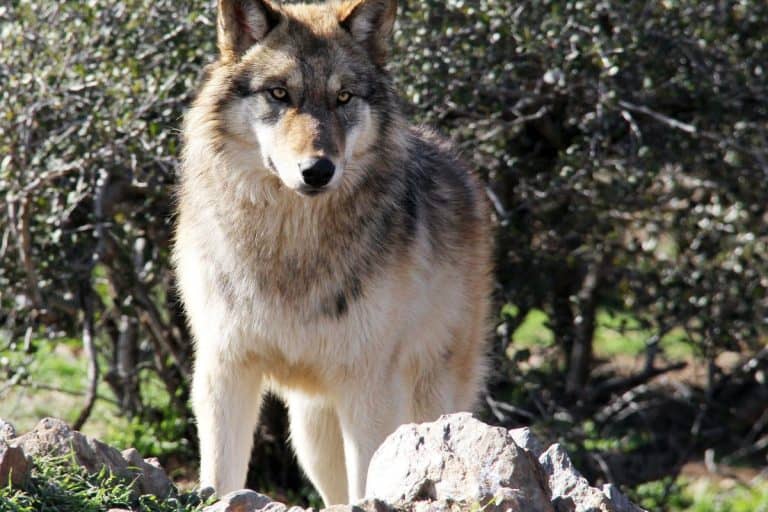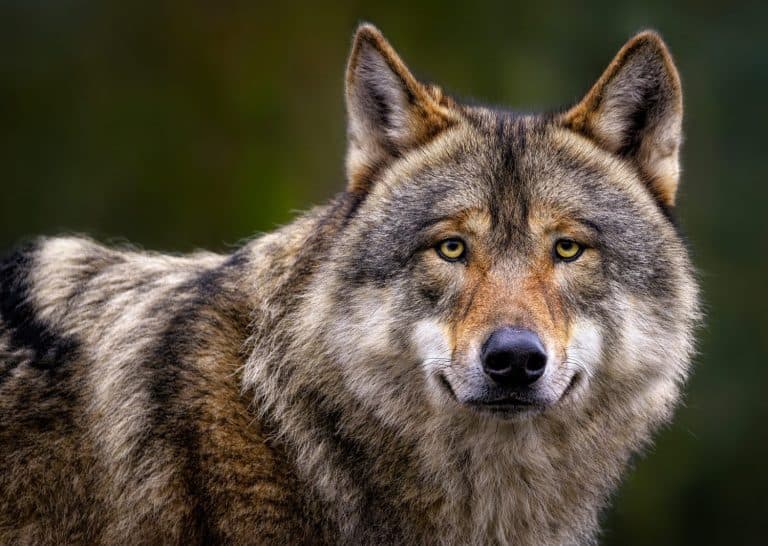

There are two types of wild dogs in Texas, coyotes and packs of wild or neglected domestic dogs. However, Texas was once home to two wolf species, the gray wolf and the red wolf, but sadly, they were hunted to extinction in the Lone Star State. Coyotes can become pests in urban and suburban areas because they rummage through people’s rubbish and kill their pets. Therefore, residents in Texas have to take extra precautions with their fur babies to ensure their safety.
Coyotes Are One Type of Wild Dog In Texas
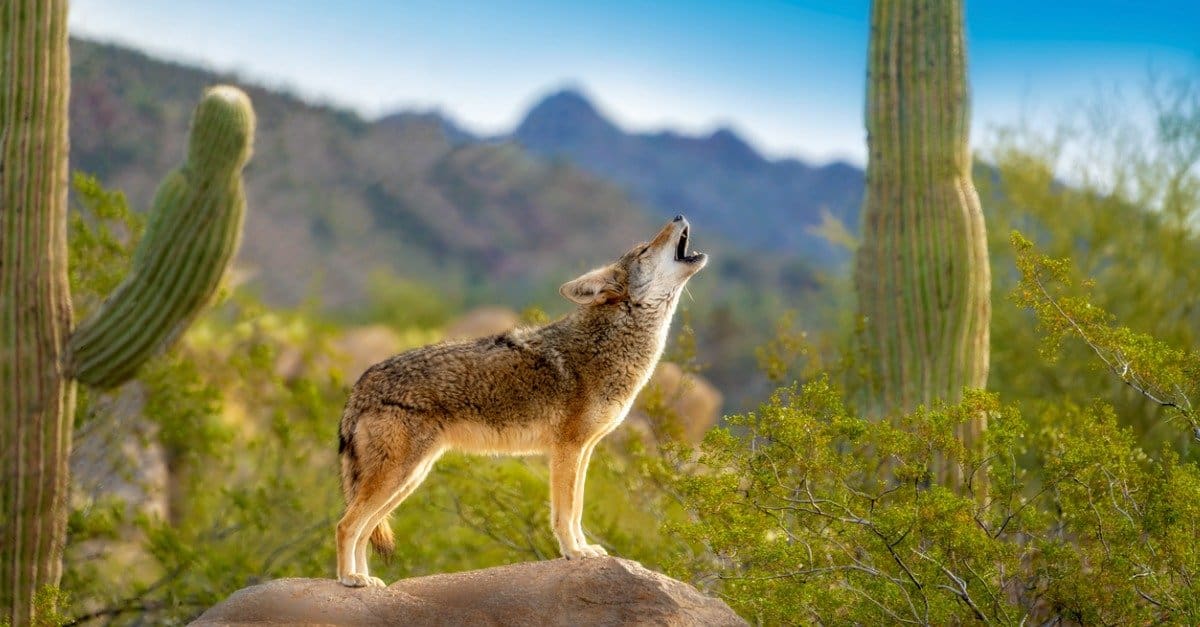
Coyotes have survived in Texas because they can adapt to human expansion and wander into suburban and urban areas when there’s no one around. These types of wild dogs have a wide range across the USA and have happily filled the void left by the ever-declining wolf population. For example, in Texas, they are found throughout the entire state. Due to their incredible way of adapting, it’s tough to identify a preferred habitat, but they often occur in brushy areas in the East and open plains in the West. These wild dogs are opportunistic feeders, taking full advantage of the ever-changing environment.
Coyotes generally eat:
- Meat
- Vegetables
- Fish
- Berries
- Garbage
However, their natural diet consists of carrion, rabbits, and rodents. They are scared of humans but can become habituated if fed. But, having a wild animal with no fear of humans around is never a good idea, as that makes them even more dangerous. Therefore, you should never ever feed them. Additionally, never leave your pets or their food outside at night, secure the lids of your garbage cans, and ensure to protect your livestock by getting a guard dog or having appropriate fences. While they are not a threat to larger livestock, they do target offspring or poultry.
Coyotes are notorious for their calls. For example, they emit bone-chilling howls and series of short, high-pitched yaps. They use these sounds to communicate with other coyotes. Additionally, they have incredible vision, smell, and hearing. They can also run really fast, up to 40 mph.
Pack of Wild Canines in Texas
While many wild canines are running around Texas, a team of Princeton University researchers stumbled upon an incredible discovery. They found that the genes of a pack of wild dogs in Galveston Island, Texas, carry elements of the red wolf’s DNA. This discovery could secure these wolves’ future because their numbers are severely declining. In addition, their findings include “ghost alleles” that have disappeared from the genetic record.
Red wolves were once abundant throughout the southeastern United States, inhabiting multiple states, including:
- Texas
- West Virginia
- Florida
Sadly, by the 1970s, these wolves were killed and hunted until their numbers completely vanished from these states; the only red wolves left are in captive breeding programs.
History of Wolves in Texas
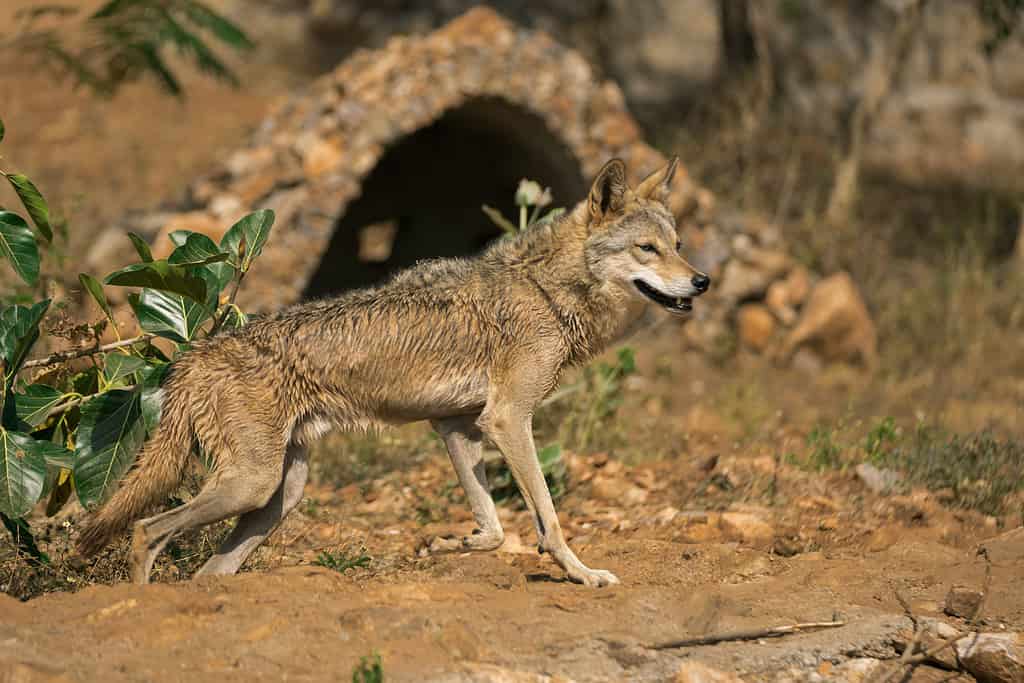
Red wolves were hunted to extinction in Texas.
©creator88/Shutterstock.com
There used to be two wolf species roaming throughout Texas, the gray wolf (Canis lupus) and the southeastern red wolf (Canis rufus). However, there was also a subspecies of the gray wolf in Texas, the Mexican gray wolf (Canis lupus baileyi). In addition, they were also found in northern Mexico, New Mexico, and Arizona. But, after years of trapping, poisonings, persecution, and terrible ignorance, these wolves were last seen in these states in the 1970s. The last known Mexican wolves in Texas were killed in December 1970. They were killed in Brewster County, close to Big Bend National Park.
When wolves were abundant in Texas, they fed on various prey, but deer made up most of their diets. However, they were not fussy and would also hunt squirrels, rabbits, reptiles, and birds. When their normal diet wasn’t available, they would attack livestock, which is one of the reasons they were hunted. But, this was out of desperation and not a common occurrence.
Not many people know this, but Texas was notorious for wolves, just as much as they are known for armadillos. However, the armadillo population is flourishing while the wolf numbers suffer. For example, Mexican wolves were released in Arizona and New Mexico in the late 90s. But they aren’t doing very well, struggling to survive for several reasons, including residents who are against their return.
So it seems there’s not much hope for these poor canines in Texas. But people don’t realize that because the wolf populations have vanished in the state, it provides coyotes with the space and resources to thrive. Therefore, residents and farmers now have major issues with coyotes killing their smaller livestock, pets, and even children.