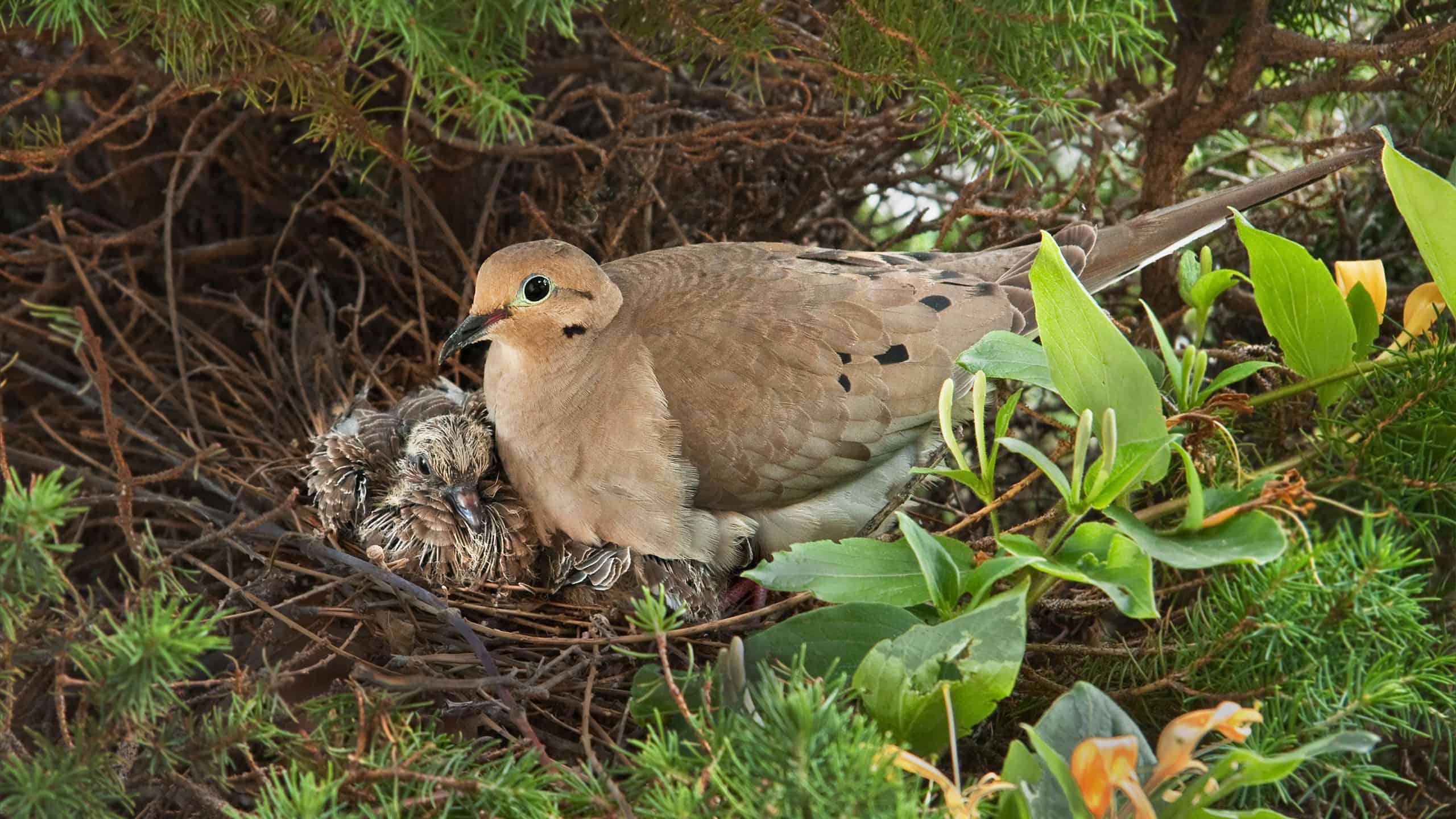

Dove hunting in Alabama is a bit more complicated than in other states. You need to have a license, and you need to follow many rules and regulations. Plus, the season dates can be a bit complicated.
Luckily, we’ve outlined the basics below. This information should help you get started and avoid breaking major regulations.
However, you should always look for updates from the state and re-read the official handbook each year. Rules change all the time – sometimes in the middle of a season. New information on the dove population can change a lot.
Dove Season Timing in Alabama
Dove hunting in Alabama takes place in three different zones: North, South, and Special Opportunity Area. These all have their own dates (and even differ on other regulations). It’s important to know exactly where you’re hunting.
The North Zone opens at noon on opening day, usually early in September. Then, the season closes later in October, providing over a month of shooting. Typically, you may shoot from one-half hour before sunrise to sunset. However, the first day usually doesn’t open until noon.
The South Zone opens just a bit later than the North Zone, usually on a Saturday. The season closes a week or so after the North Zone. So, you can hunt for about the same period in each zone. The timing is just a bit different.
There are four Special Opportunity Area Hunts scheduled every year (or just about four; the exact number can change). These hunts are limited quota hunts and require registration. Usually, they occur throughout the year in areas that aren’t typically open for hunting.
License Requirements in Alabama
To hunt dove in Alabama, you do have to follow certain license requirements. You must purchase an all-game or small-game hunting license. These licenses allow you to hunt a range of different animals in Alabama, including doves.
You must also have a Harvest Information Program Certificate, which is completely free. This program helps the Alabama Department of Wildlife and Conservation track the harvest of wild game, which helps them determine the population. You can get your HIP online or from a licensed vendor.
If you’re hunting in a WMA, you must purchase a free map permit. As the name suggests, this is free. However, it provides you with necessary information about the area, including a map.
Alabama Bag Limits
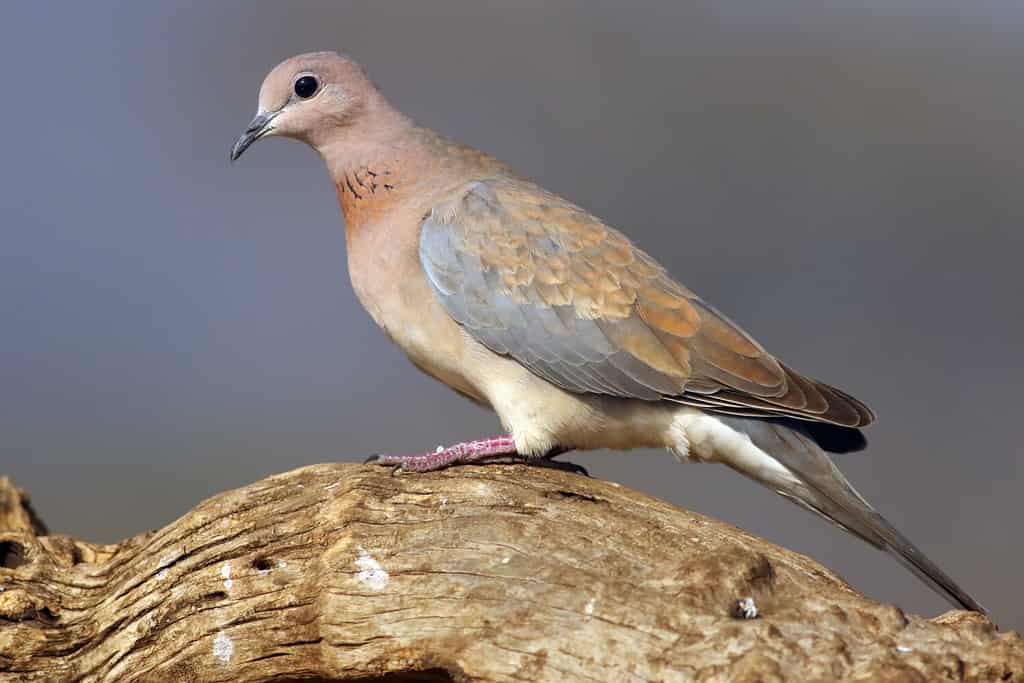
If you hunt doves in Alabama, you must follow local bag limits.
©Karel Bartik/Shutterstock.com
You may only take a certain number of doves in Alabama. You may hunt 15 doves per day, though the possession limit is 30 doves per hunter. In other words, you may only keep two days worth of doves on you at any time.
There are a few exceptions to these bag limits. For example, you can shoot and keep an unlimited number of Eurasian collared doves. Eurasian collared doves are an introduced species that is not native to Alabama.
You are also allowed to shoot and keep more than the daily bag limit if you are hunting in a Wildlife Management Area (WMA). However, you must report your harvest to the Alabama Department of Wildlife and Conservation.
Bag limits change every year as the state gets more information on the dove population. It’s important to always check the bag limit before you start hunting.
Other Important Information
There are also many other regulations that are important to know before you start hunting. For instance, shooting hours are one-half hour before sunrise to sunset. Be sure to check the official sunrise and sunset times before you start hunting. These are the times officials will use to determine if you’re breaking this regulation or not.
There is a 10-gauge shotgun limit, as well. This means you can only use a shotgun with a bore diameter of .729 inches or less.
You may use dogs when hunting, but they must be under your control at all times. This doesn’t necessarily mean leashed, but you must be able to command your dog back at all times.
Popular Places to Hunt
There are several popular places to hunt in Alabama. If you have private property, you may hunt on it. However, you still must follow regulations and bag limits. If you want to hunt elsewhere, be sure to check for local regulations. Some national forests and other areas have special regulations that you must follow when hunting there.
Here are some of the more popular public areas to hunt in:
- Choctawhatchee National Forest: This forest is located in the state’s southwest corner. There are many dove-hunting areas within it, allowing you to make use of many different habitats.
- Conecuh National Forest: This forest is also located in the southwest part of the state. It’s known for its abundant wildlife and has a plethora of doves. Therefore, it can be a very productive place to hunt.
- Wheeler National Wildlife Refuge: This wildlife area is in the central part of the state. It is a popular place for dove hunting, though it can have separate regulations and bag limits in place.
- Tombigbee Wildlife Management Area: This area is particularly known for its excellent dove hunting. It’s located in the southwest corner of the state.