
Quick Take
- Giant lemurs and humans coexisted peacefully for thousands of years, which makes it all the more puzzling that the lemurs suddenly vanished. Explore the extinction pressures →
- Ancient cattle bones are rewriting what scientists thought they knew about how extinctions actually happen. See the cattle bone research →
- Cattle didn't just eat grass. They quietly dismantled an entire ecosystem in a way nobody predicted. See how cattle reshaped Madagascar →
- Has livestock introduction ever actually helped native wildlife? The answer might surprise you. Find out the surprising answer →
An incredible number of species are no longer on the planet due to European colonization. Most often, the blame falls squarely on explorers and colonists who exploited the land and animals, driving them to extinction. While this analysis is fair, it is not the only factor behind the demise of so many species. In fact, the arrival of livestock may have helped doom Madagascar’s giant lemurs and may be a factor for other species as well.
Livestock May Not Have Caused Giant Lemurs to Go Extinct, But Their Presence Contributed
For decades, researchers believed overhunting drove the giant lemurs’ extinction. However, this is far too simplistic an explanation. Thanks to a collection of ancient cattle bone samples from Madagascar, researchers have realized that cattle played a significant role in the giant lemurs’ demise.
According to a new study published in Proceedings of Royal Society B, overhunting was not the single, driving factor that led to the extinction of giant lemurs. Researchers examined the timing of the extinction, which occurred approximately 1,000 years ago. Giant lemurs and people lived side by side for thousands of years. It was not until the introduction of cattle that they began to rapidly disappear.
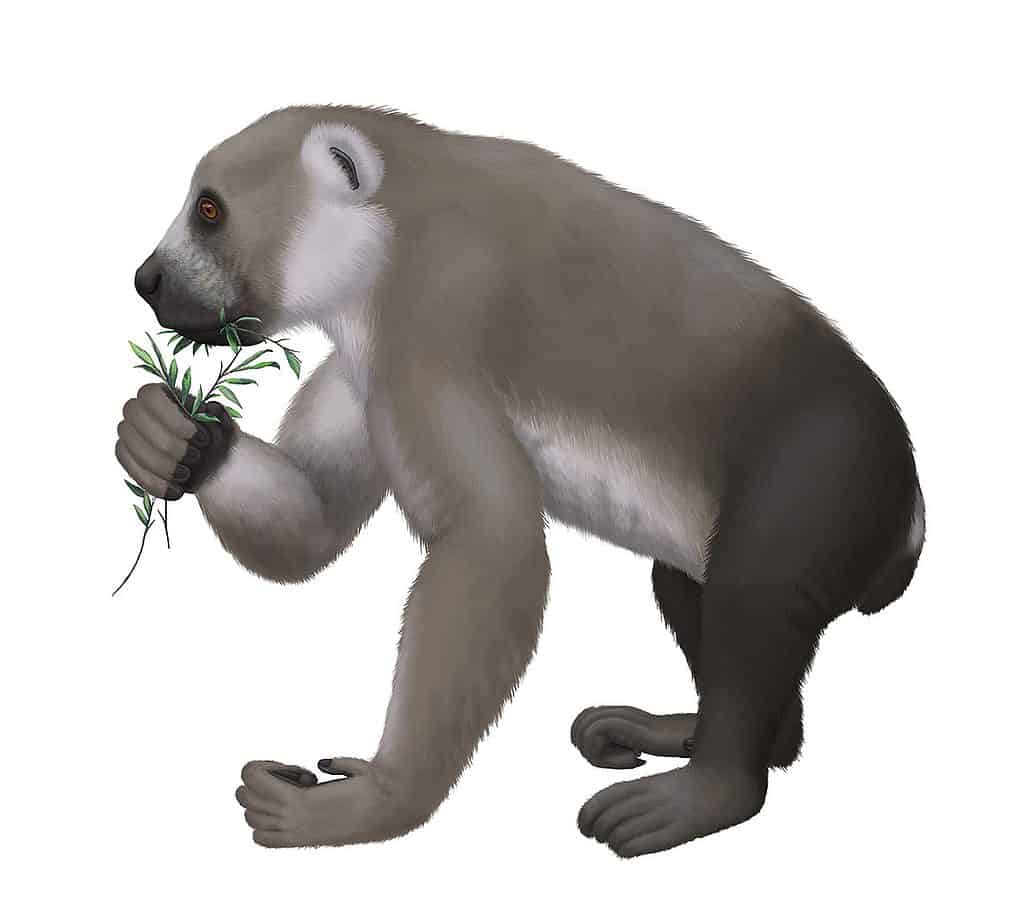
Livestock introduction was a driving factor in giant lemurs, like Archaeoindris, going extinct.
Sean Hixon, a postdoctoral researcher at Oregon State University in the College of Science and co-study leader, recognized that after sheep and cattle were brought to Madagascar, their grazing patterns spread rapidly across the island. “Large herbivores disappeared around the time that livestock… came to the island,” showing there is a link between the introduction of these domesticated animals and those endemic to Madagascar.
“Over the past five years, we brought together the largest collection to date of ancient, introduced livestock bone samples from across Madagascar for radiocarbon and stable isotope analysis,” Hixon explained in a press release. “The data confirm that livestock rapidly spread across the island about 1,200 years ago, approximately coinciding with the disappearance of animals like elephant birds and pygmy hippos.”
Therefore, while hunting large animals accelerated the extinction of species like the giant lemur, it was not the driving force behind their extinction.
How Did the Spread of Cattle Across Madagascar Change the Landscape?
When cattle arrived in Madagascar, their impact was felt nearly immediately. The cattle wasted no time grazing on every part of the island, which would change Madagascar’s landscape and animal inhabitants forever.
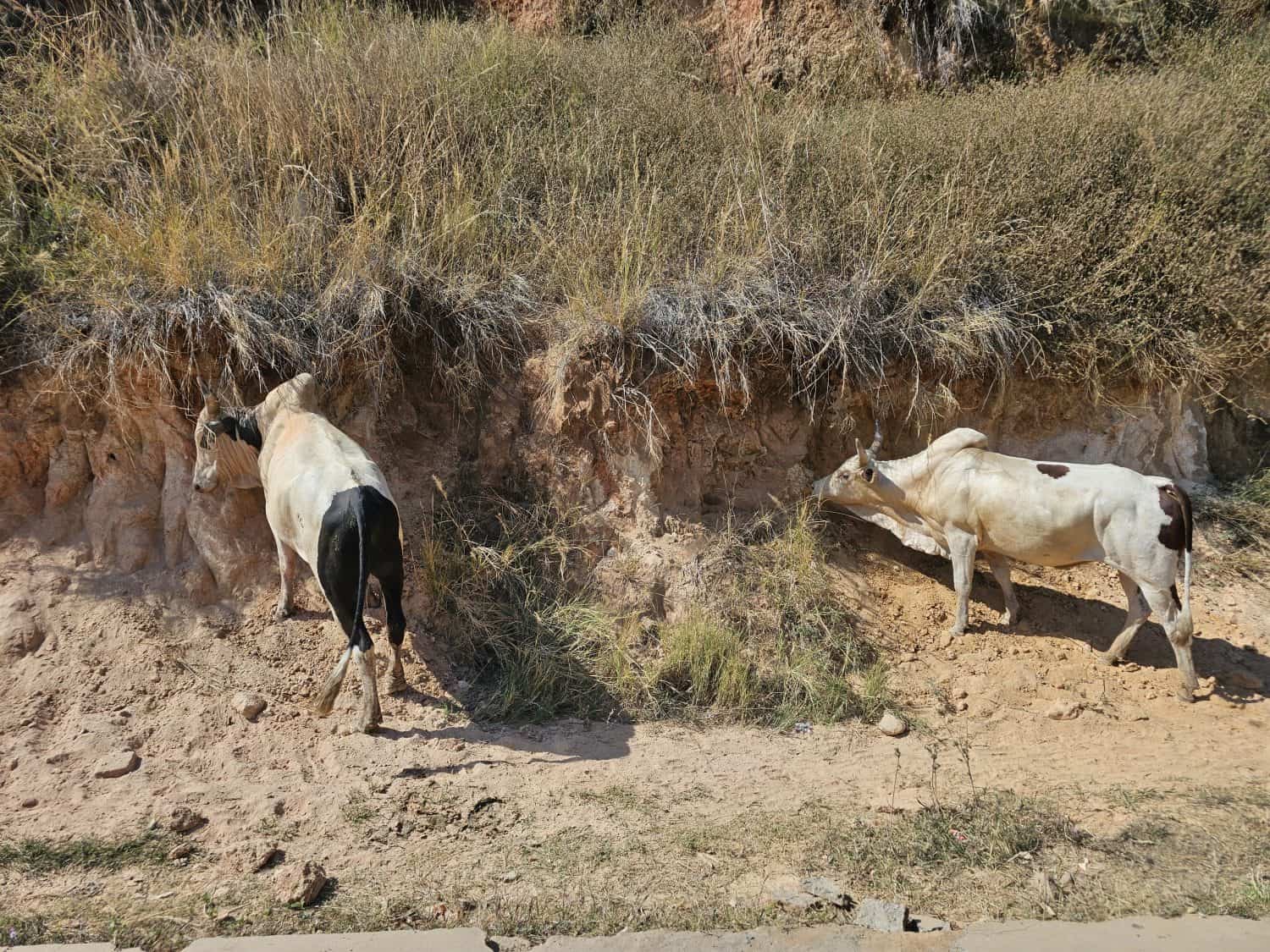
The introduction of livestock to Madagascar changed the island’s landscape, harming many forest-dwelling animals, including the giant lemur.
©Corpsbride/Shutterstock.com
As cattle were left to graze in Madagascar’s grasslands, they began consuming grasses that thrived in open, dry habitats. The more the cattle grazed, the more they introduced these grass species to parts of the island where they had not previously existed. Doing so caused forested regions to turn into grazing lands. This reduced tree cover on the island, allowing more light in and more grasses to grow.
As forestlands disappeared, what remained was fragmented. Forest microclimates were forever changed. Giant lemurs and other tree-dwelling creatures struggled to survive as the massive megafauna they relied on went extinct. Not long after this forest alteration, giant lemurs vanished from the planet permanently.
Pressures That Caused Giant Lemurs to Go Extinct
Livestock was clearly a major factor in the extinction of the giant lemurs. However, domestic animals were not the only factor that contributed to the massive lemurs’ extinction centuries ago. Other pressures also led to their eventual demise.
Over the last several thousand years, Madagascar experienced several megadroughts. These droughts could last for centuries. However, fossil evidence shows that large animal species, including giant lemurs, endured these droughts. While some species may have suffered losses as resources became scarce, species as a whole survived.
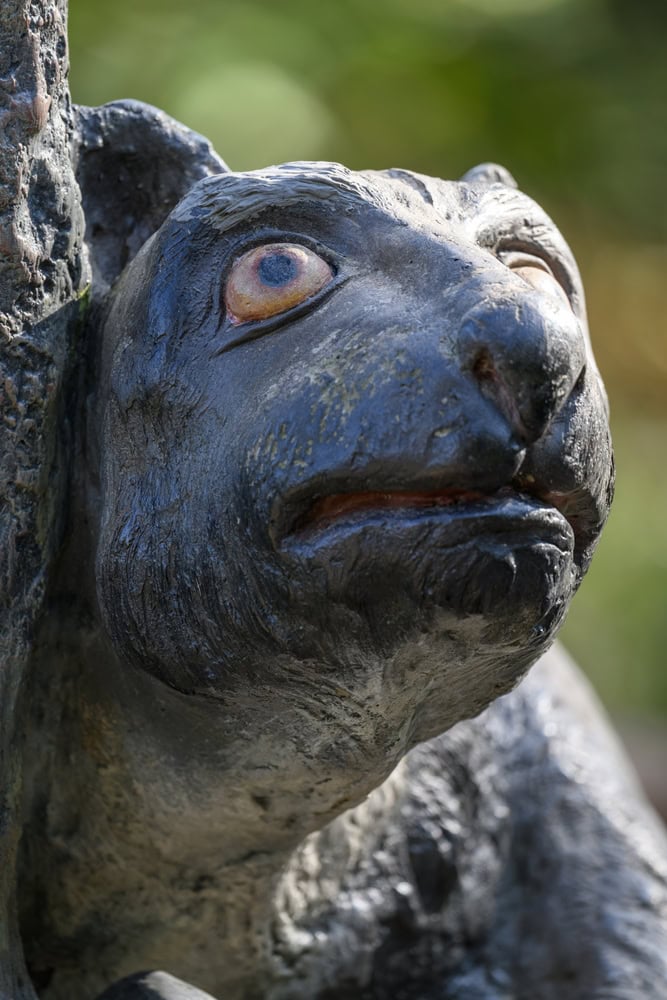
Giant lemurs faced massive droughts and were even hunted. Giant lemurs went extinct only after the colonization of Madagascar.
©Lapis2380/Shutterstock.com
Only after permanent human colonization of Madagascar did the large animals that once roamed the country begin to suffer. These animals were overhunted, had their habitats taken, and were exposed to diseases their immune systems were not equipped to handle.
These factors, along with another massive drought in the late Holocene, made it nearly impossible for large animals in Madagascar to survive. Consequently, once-resilient creatures such as the giant lemurs went extinct, collapsing ecosystems in the process.
Has the Introduction of Livestock Ever Been Positive to a Native Species?
When livestock are introduced to a region where they have never lived before, their presence often creates negative effects. In many instances, as with the giant lemur, the attitude toward livestock, and specifically cattle, is warranted. But are there any instances where introducing livestock has had a positive influence on a country? Unfortunately, the answer is no.
Some may argue that livestock has helped clear and create open habitats for animals that need this landscape to hunt and spot prey. They also changed habitats, making it easier for herbivores and scavengers to locate food sources. Livestock waste even acted as fertilizer for some plants, allowing them to grow more robustly.
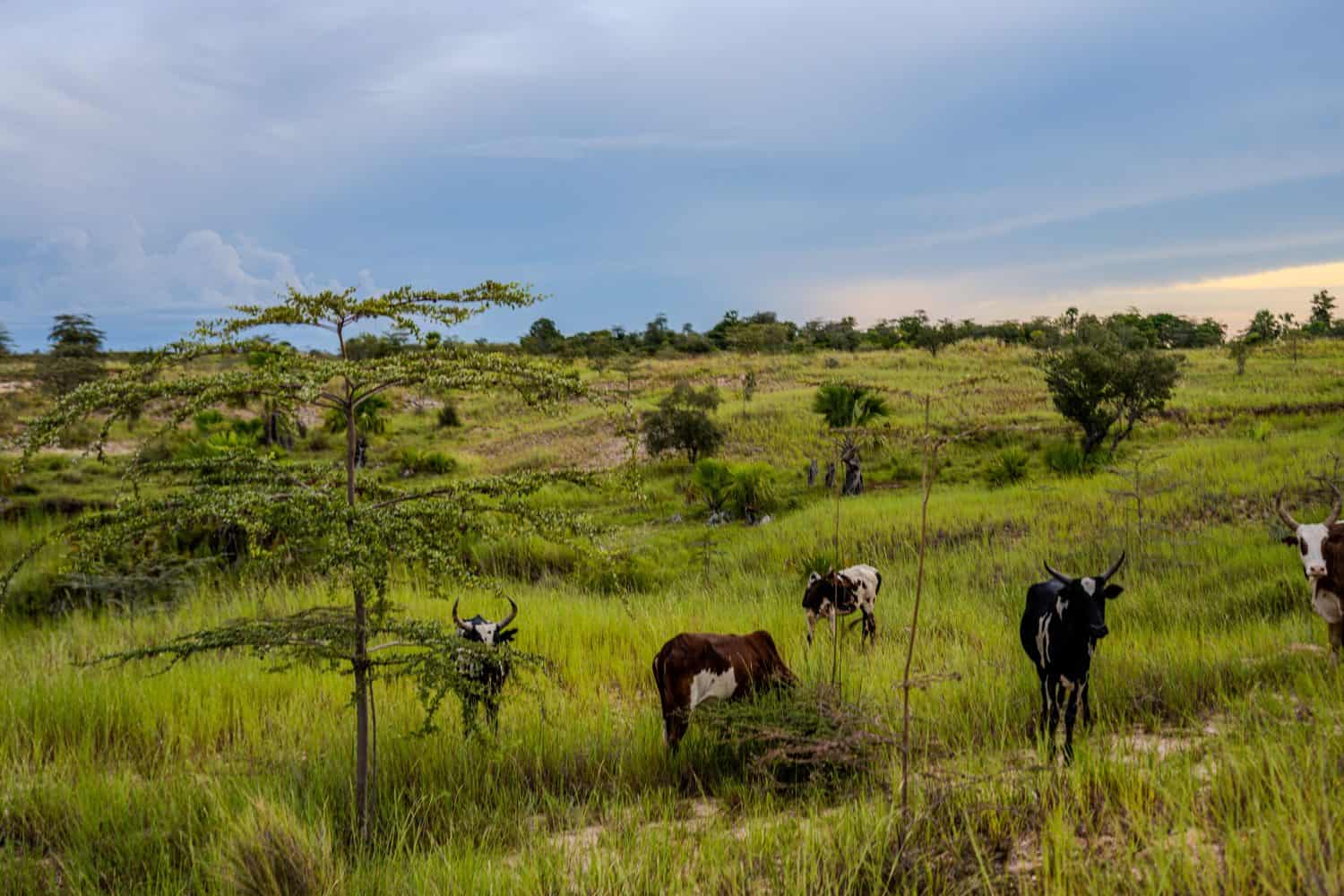
The introduction of cattle was a detriment to the flora and fauna of Madagascar.
©Emad Aljumah/Shutterstock.com
While all of these factors are true, they are the exception (and a short-term one at that), not the rule. The fact is that, for any good that livestock brought, there was far more harm. When livestock are introduced to an ecosystem where they have never been present, they bring disease, competition for resources, and landscape alteration. None of these factors benefit native flora and fauna.
The unfortunate truth is that livestock benefited the people who brought them. Meanwhile, the animals that lived there suffered from the presence of livestock and, in cases like the giant lemur, eventually went extinct.