
Quick Take
- The bite isn't the real danger, and what happens afterward can go unnoticed for decades.
- Nearly 300,000 Americans carry this disease, yet most never caught it here. So where did it come from?
- Your instinct to squash the bug could backfire badly.
- Some harmless look-alikes get blamed constantly. Do you know how to tell the real culprit apart?
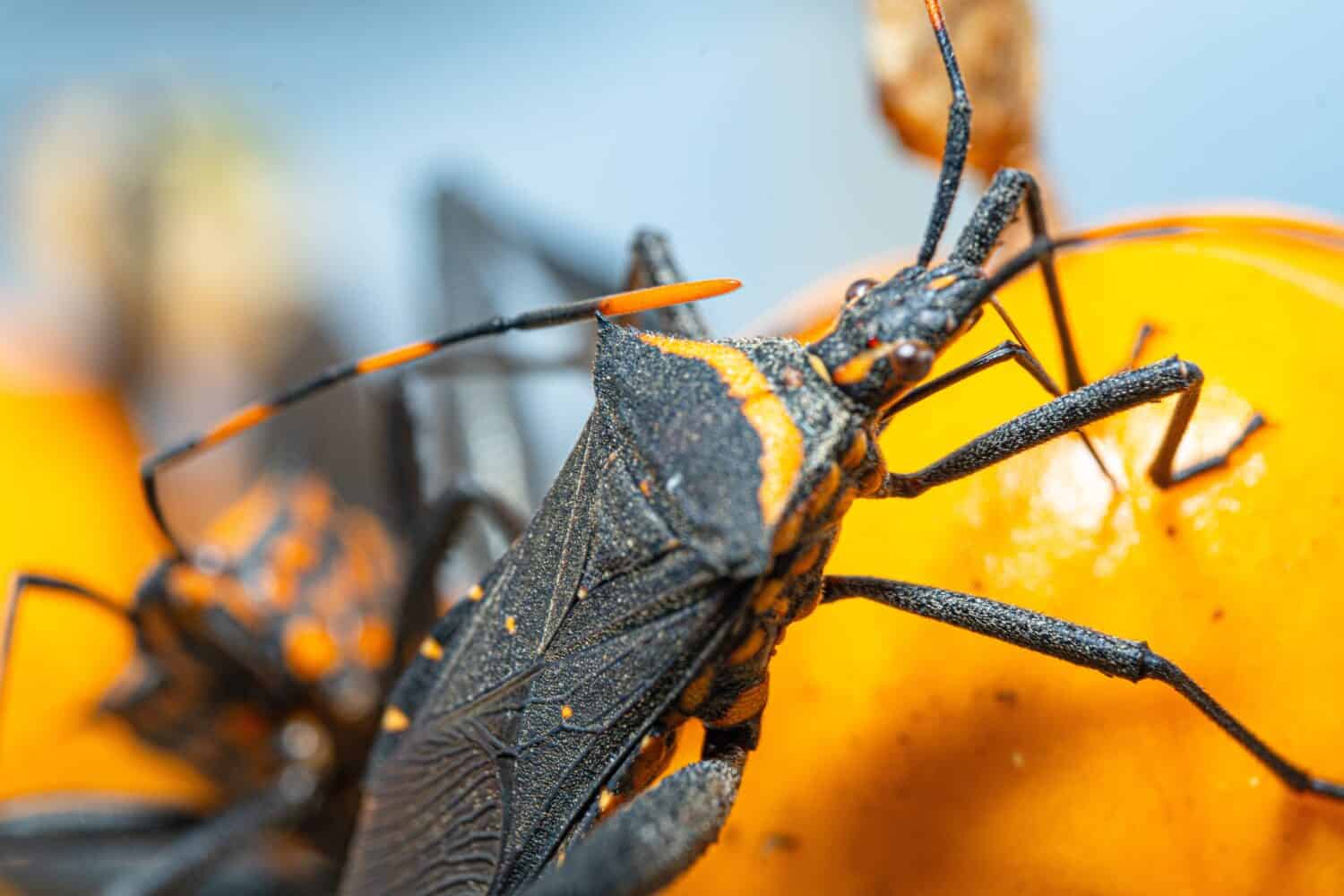
Triatoma, or kissing bugs, have a harmless sounding common name. However, these insects bite people near their lips as they sleep, making them sick. It is not the kiss that causes illness, but what happens near the bite site that can lead to a lifetime of chronic disease.
Kissing Bugs Transmit Chagas Disease, Making People Sick
Though kissing bugs sound cute and cuddly, they are anything but. These bugs have the potential to spread disease that can become debilitating if left untreated. But with early symptoms being non-existent or mimicking other common illnesses, early detection is not always possible.
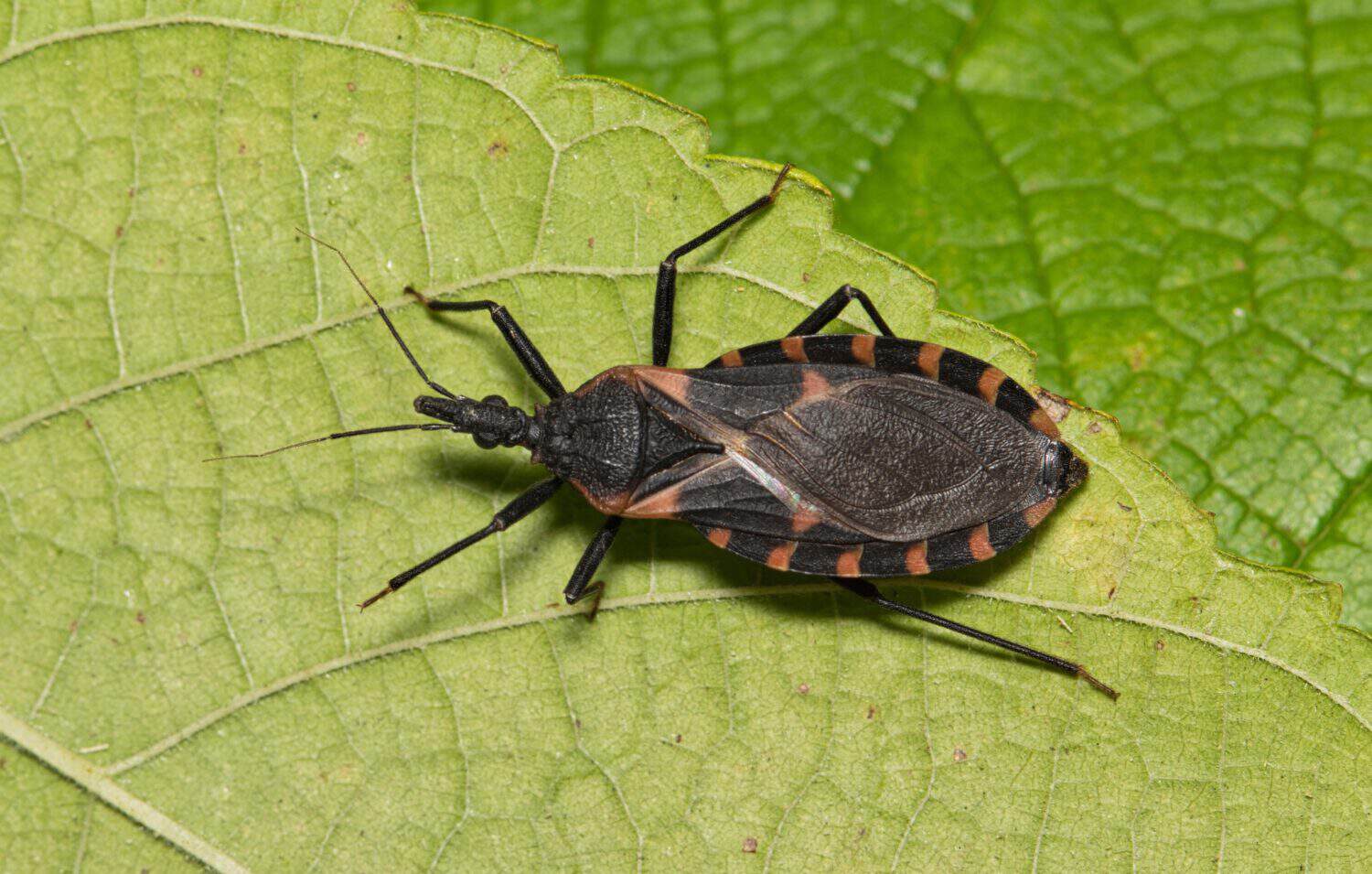
Kissing bug fecal matter left near bite sites causes Chagas disease.
©Brett Hondow/Shutterstock.com
Kissing bugs transmit Chagas disease. Interestingly enough, it is not their bite that transmits the disease. Instead, it is their feces that infect the bite sites and spread Chagas. Once a person is infected, they can spread the disease to others via blood transfusions, organ transplants, and even congenital transmission.
The kissing bug’s feces contain the parasite Trypanosoma cruzi, which causes Chagas disease to develop in those infected. Most infected people live in Latin America. However, more cases are being identified worldwide, including in the United States.
Number of Identified Types of Kissing Bugs in the U.S.
In total, 11 different species of kissing bug have been identified in the United States. All can spread Chagas disease. However, kissing bugs do not call all 50 states home.
The latest statistics show that kissing bugs have been noted in 32 states. In the Eastern U.S., only two species have been identified: Triatoma sanguisuga and Paratriatoma lectularia. These two species are also the most common kissing bugs in the nation.
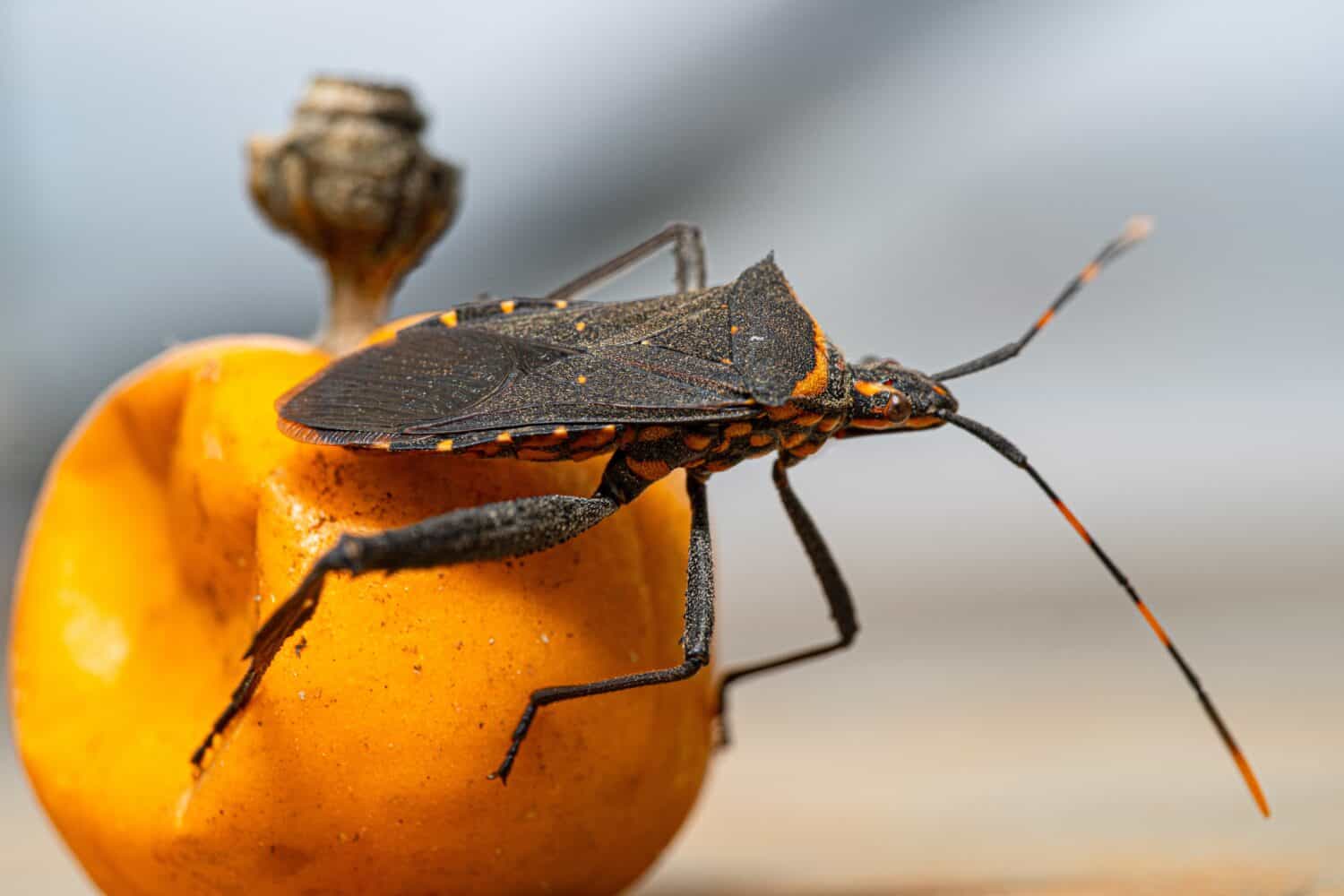
11 different kissing bug species have been identified in the U.S.
©Oktavianus Mulyadi/Shutterstock.com
Texas and Arizona have the highest number of kissing bug species. Texas has eight species, while Arizona has seven.
Most kissing bugs are found in warm-climate states. Their range extends through the southern U.S., as well as California and the Midwest, where more kissing bugs are being observed. This has led the Centers for Disease Control to identify Chagas disease as endemic, but that does not necessarily mean more people in the U.S. are contracting the disease.
What Are the Total Number of People Living in the U.S. With Chagas Disease?
The latest figures from the CDC state that approximately 300,000 people in the U.S. are infected with Chagas disease. While this sounds like an incredible number of infections, the figure only tells part of the story. Although there are hundreds of thousands in America with the disease, the vast majority contracted the illness in other countries.
10,000
approximately cases of Chagas disease in the U.S. contracted from kissing bugs living in the country, out of nearly 300,000 infected
Of those in the U.S. living with Chagas disease, the majority are immigrants from Latin America. Of the nearly 300,000 cases, it is suspected that 288,000 cases were contracted outside of the U.S. Approximately 10,000 cases were contracted from kissing bugs living in the country.
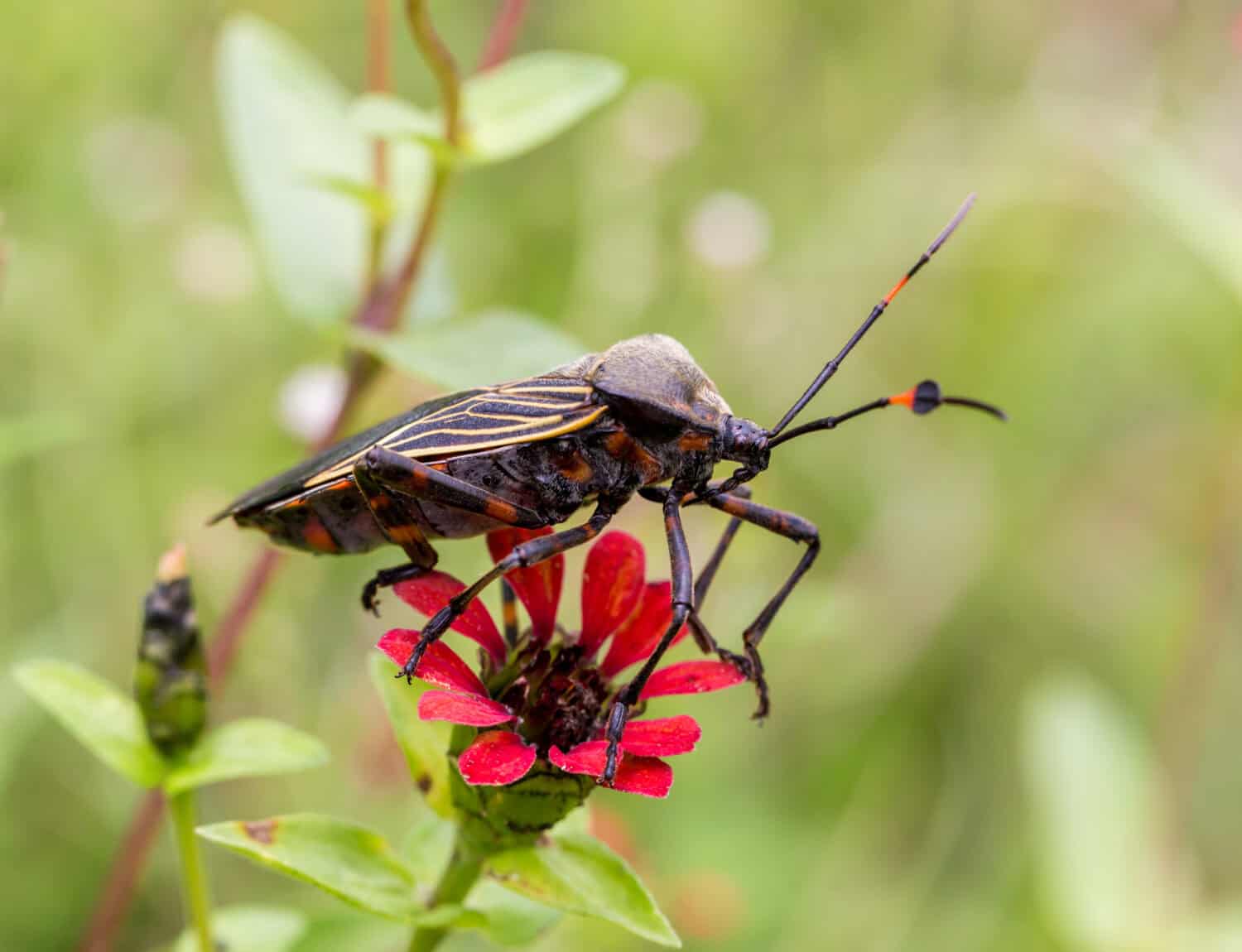
Nearly 300,000 people living in the U.S. have been identified as carrying Chagas disease, but the majority of them contracted it in Latin America.
©Glass and Nature/Shutterstock.com
While it is positive news that kissing bugs are not infecting people in the U.S. at an alarming rate, many people do not know that kissing bugs can spread Chagas disease. Consequently, fewer than 1% of Americans are ever tested for it. The lack of testing comes from the fact that most infected people are asymptomatic. This means we need to be more vigilant about spotting the bugs. When kissing bugs are identified and disposed of properly, the chance of spreading Chagas disease decreases, and fewer people are at risk for developing what can ultimately be a debilitating illness.
Recognizing the Acute Symptoms of Chagas Disease
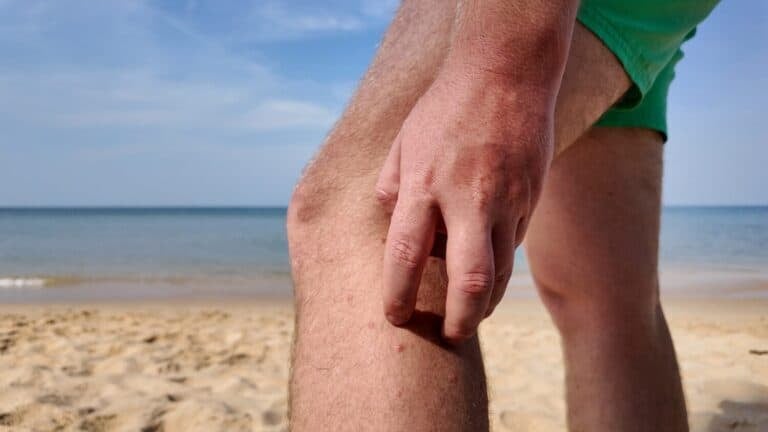
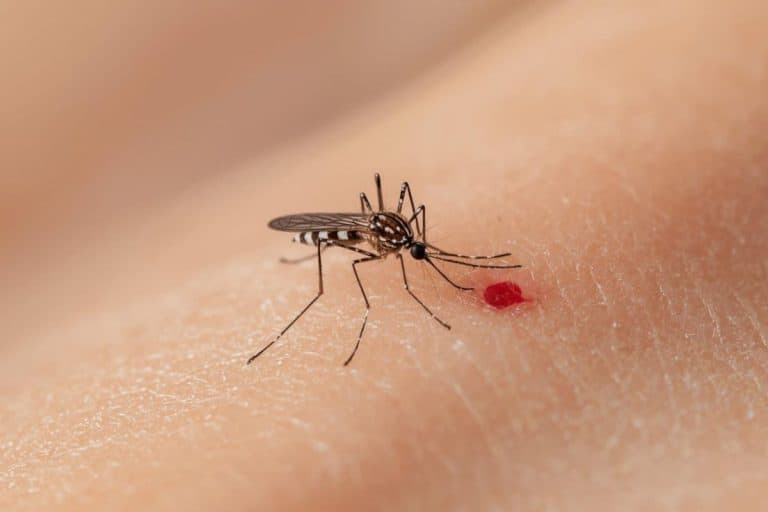
After a kissing bug bite, a person may see a small red bump at the bite site. However, if Chagas disease is transmitted, signs will not appear right away. Symptoms may take weeks to months to appear. This is why Chagas disease is so frustrating to treat, given that early detection and treatment are recommended for the best outcome.
Acute Chagas disease symptoms range from fever to rash, Romaña’s sign, muscle pain, and more.
©NugrahithaAditya/Shutterstock.com
The acute signs and symptoms of Chagas disease include:
- Fever
- Fatigue
- Swelling at the site of the bite, leading to a boil
- Romaña’s sign, or swelling of one eyelid
- Rash
- Appetite loss
- Diarrhea
- Vomiting
- Swollen lymph nodes
- Muscle pain
The symptoms that appear can be mild. Consequently, they are often mistaken for other common illnesses like a cold or the flu. However, if these symptoms accompany a bite to the face, it is necessary to make an appointment with a healthcare professional so that proper testing can be done to diagnose or rule out Chagas disease at the earliest possible stage.
What Are the Chronic Symptoms of Chagas Disease?
After experiencing symptoms from the acute phase, many people with Chagas disease do not appear sick. They can remain asymptomatic for decades. However, within 10 to 30 years after contracting the disease, 20% to 40% will develop chronic symptoms. These symptoms target the digestive system, cardiac system, and more.
Chronic Chagas disease symptoms include cardiomyopathy, cardiac arrest, difficulty swallowing, and more.
©Oktavianus Mulyadi/Shutterstock.com
The most common chronic symptoms of Chagas disease include:
- Cardiomyopathy, or weakened heart muscle
- Arrhythmia
- Heart failure
- Cardiac arrest
- Enlarged heart
- Difficulty swallowing
- Constipation
- Enlarged colon
- Enlarged spleen
- Nerve damage
It can be difficult to remember a kissing bug bite from decades before symptoms appear. However, people living in areas known to have kissing bugs should be tested for Chagas disease as soon as symptoms like these present. The earlier they are detected, the better the outcome, and the slower the spread of the disease.
Identifying Kissing Bugs and How to Eliminate Them
Once a kissing bug is identified, elimination must be done properly to ensure the parasite that causes Chagas disease is not inadvertently released.
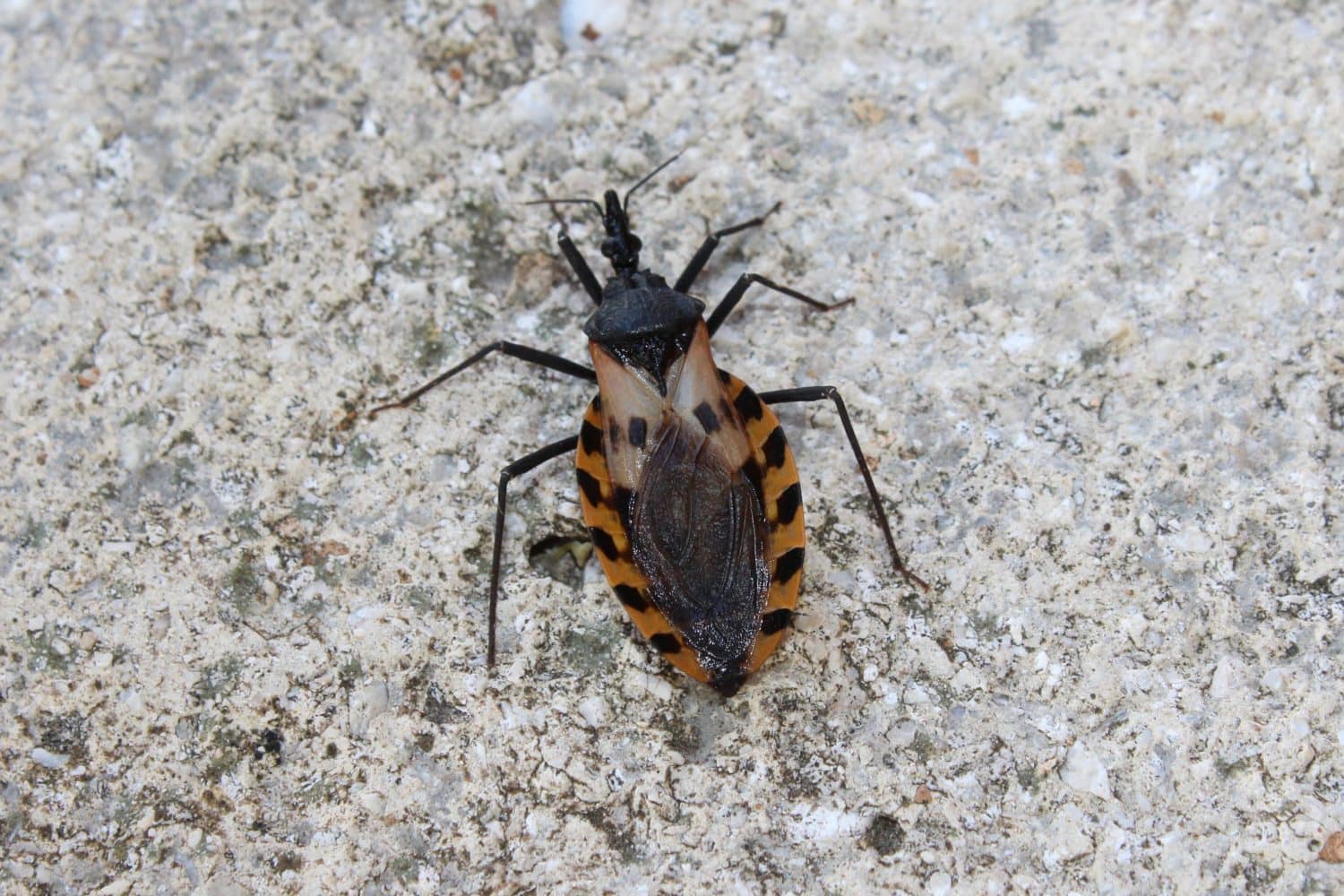
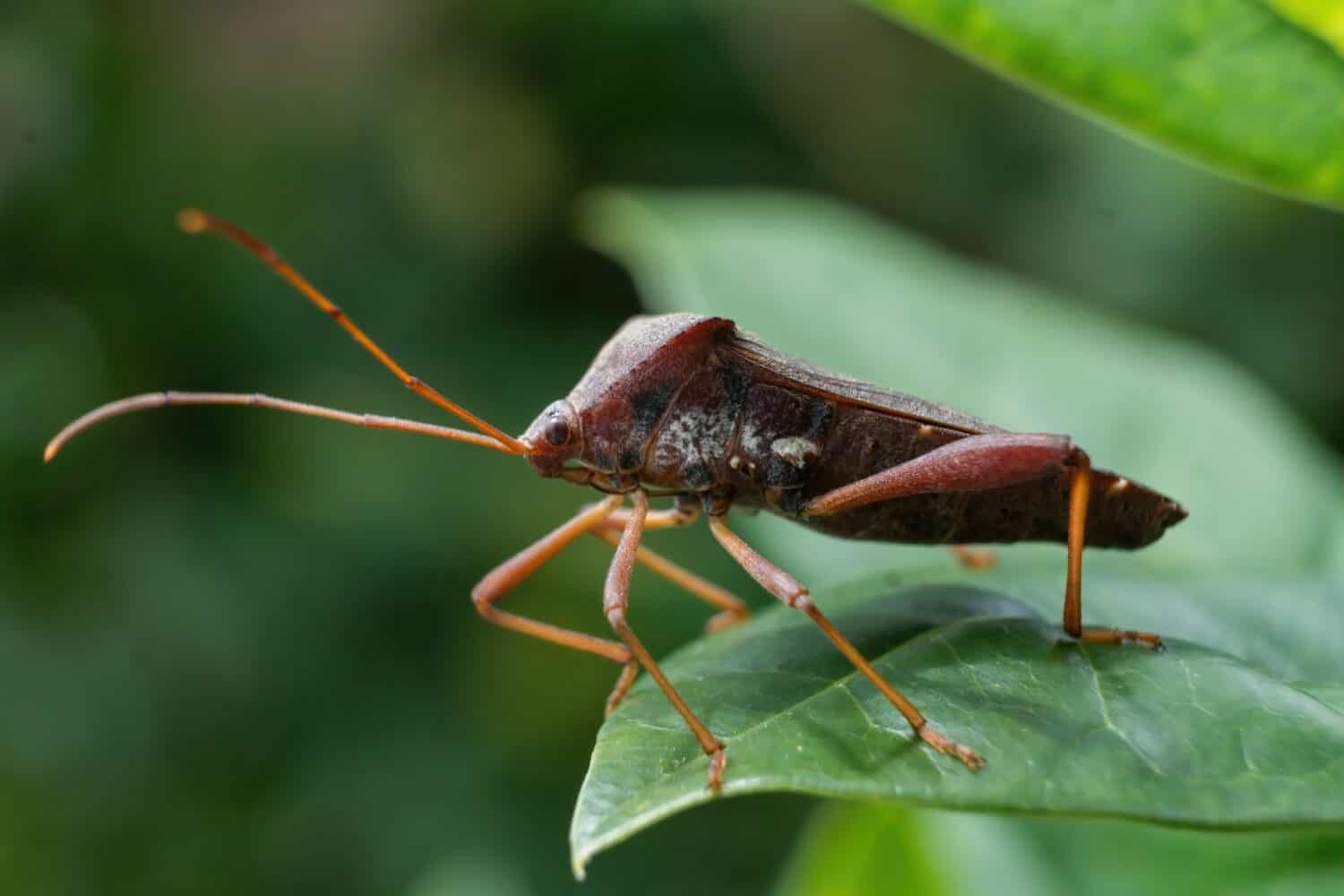
First and foremost, properly identifying kissing bugs is essential. Look-alike bugs, like leaf-footed bugs and wheel bugs, are often misidentified as kissing bugs. They do not carry disease, although wheel bugs can deliver a painful bite if handled.
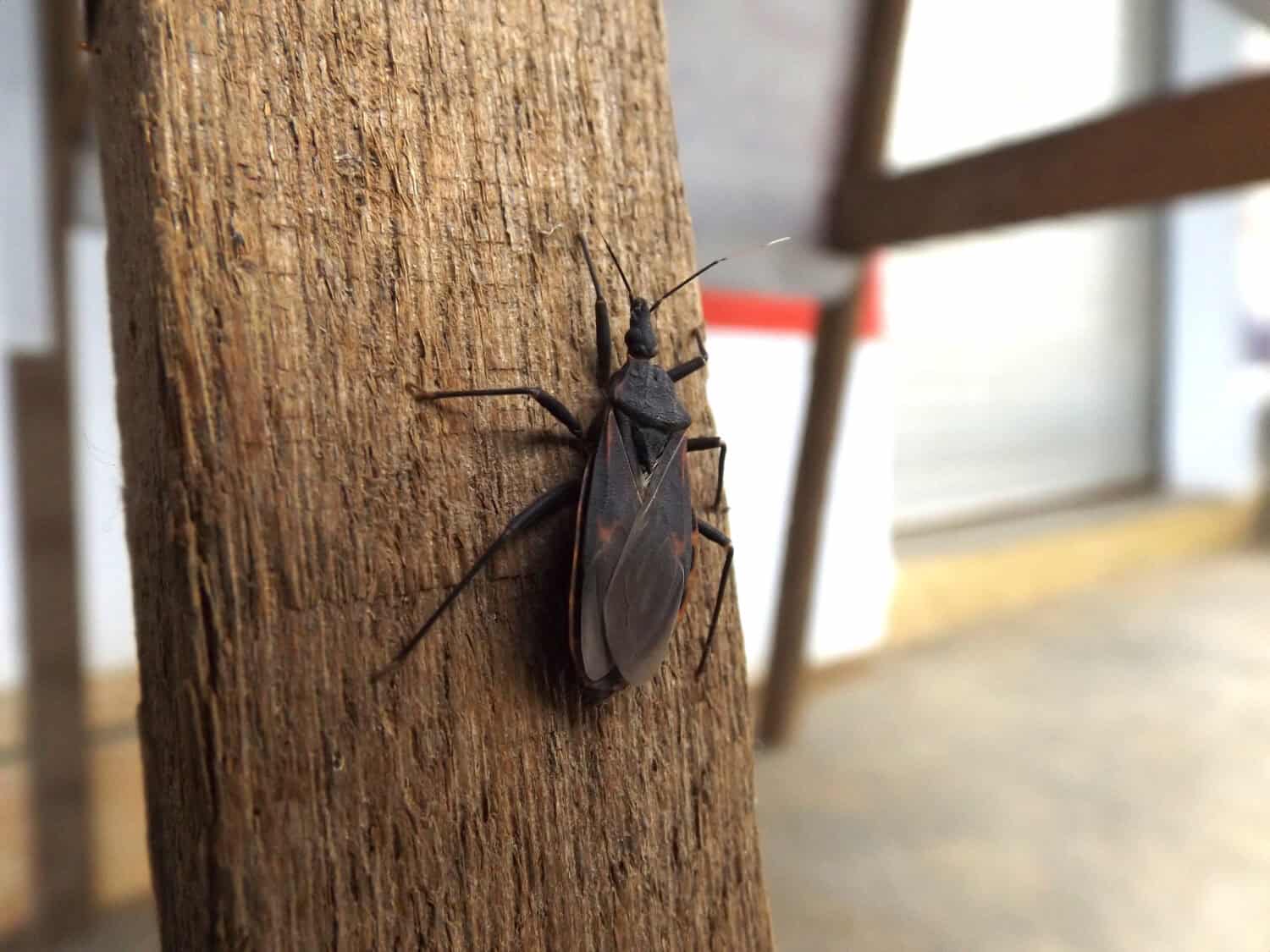
Properly identifying true kissing bugs is necessary to eradicate them before they have the opportunity to bite.
©otongodi/Shutterstock.com
To identify a kissing bug, look for the following characteristics:
- Approximately the size of a penny to a quarter
- Oval shaped and flat
- Long beak (proboscis) only seen when in use
- Black or dark brown coloration
- Two pairs of wings
- Red, yellow, or orange striping pattern on the outside of the midsection
- Six legs
Additionally, kissing bugs are most active at night. Other bugs that are similar looking tend to be active during the day.
If a kissing bug is identified, it is not to be smashed. Doing so risks releasing the parasite that causes Chagas disease. Instead, proper ways to eliminate kissing bugs include:
- Capture the kissing bug in a container, add rubbing alcohol, and seal the container
- Yellow light traps can be used to lure kissing bugs into soapy water
- Commercial pesticides can be used to eradicate kissing bugs, but ensure directions are followed properly
If DIY and pesticides do not work, calling an exterminator may be the best option, especially if an infestation has occurred.
Currently, Chagas disease is less common in the U.S. than in Latin America, but it has shifted from a nonendemic to an endemic disease, particularly in southern states. Knowing what kissing bugs are and how to protect the home from infestations is key to fighting the disease. Remember, it is the feces the bugs leave behind that causes disease. Therefore, if eradication is handled properly, the bugs will disappear and, with them, the disease-carrying parasite.