
Quick Take
- A staggering share of all sandhill cranes in North America converge on one surprisingly narrow stretch of river, and the location is not where most people would guess. Discover the river gathering →
- There's a tight window to witness the crane migration at its peak. Miss it by a few weeks and you'll see only a fraction of the spectacle. Plan your visit timing →
- Sandhill cranes perform an elaborate mating ritual that looks nothing like what you'd expect from a bird this size. See their dancing behavior →
- These birds are far older than most wildlife you'll ever encounter, with a fossil record that stretches back in a way that reframes what 'ancient' really means. Explore their fossil record →
- Sandhill crane chicks do something within hours of hatching that most animals take weeks or months to accomplish. Learn about chick independence →
Kearney, Nebraska, is the sandhill crane capital of the world. This is because every year, more than half a million sandhill cranes visit the Platte River Valley on their way to Canada and Alaska. These birds are seen particularly in Kearney, which rests in the middle of this river valley. This sandhill crane migration is greatly celebrated, and there is even a crane festival held in honor of these amazing birds. Let’s look at Kearney on a map to get a better idea of its location.
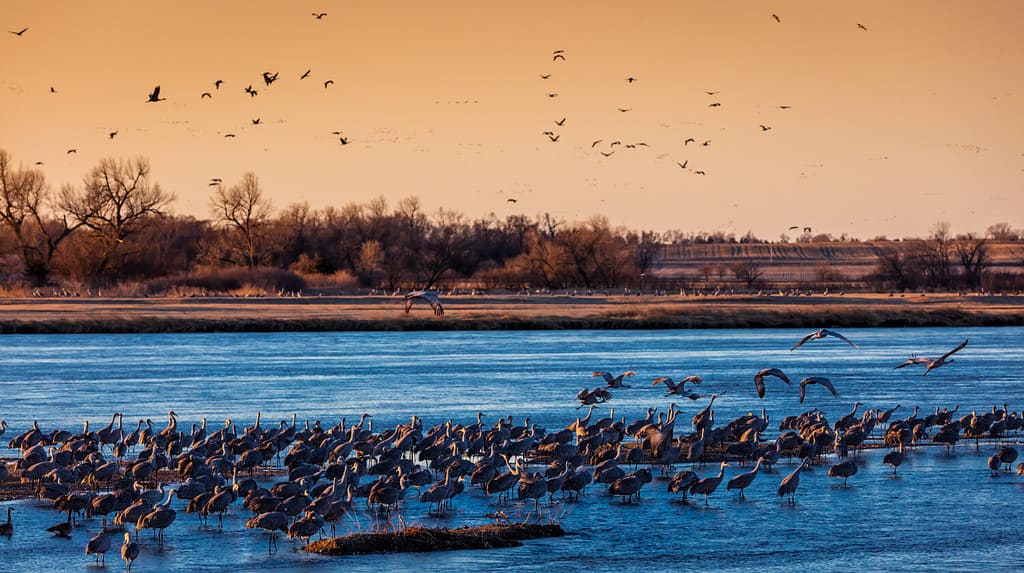
The city of Kearney is known as the sandhill crane capital of the world because they are visited by more than half a million of these large birds during their yearly migration.
©Joseph Sohm/Shutterstock.com
All About Sandhill Cranes
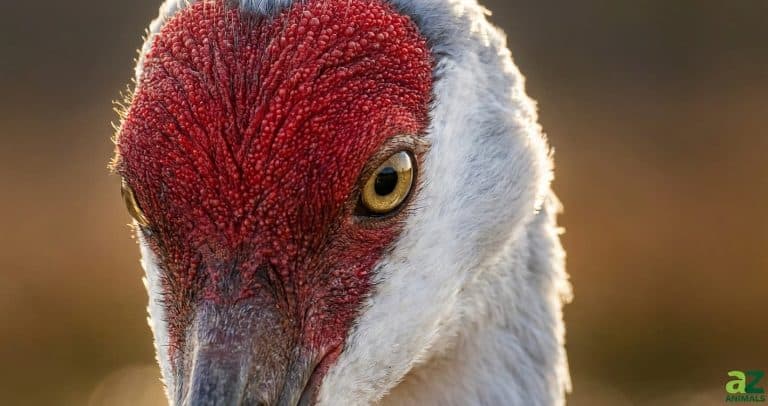
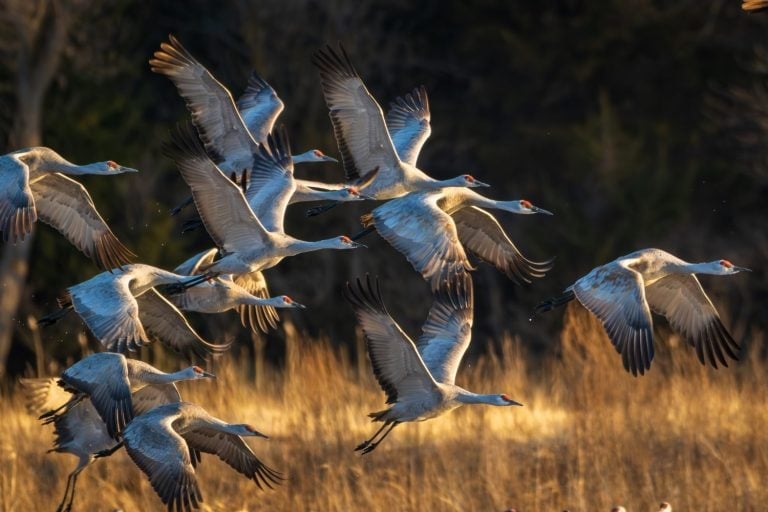
Sandhill cranes are large and ancient birds that inhabit Central America, Eurasia, and North America. They are particularly famous in North America, both for their distinctive appearance and for their distinctive calls.
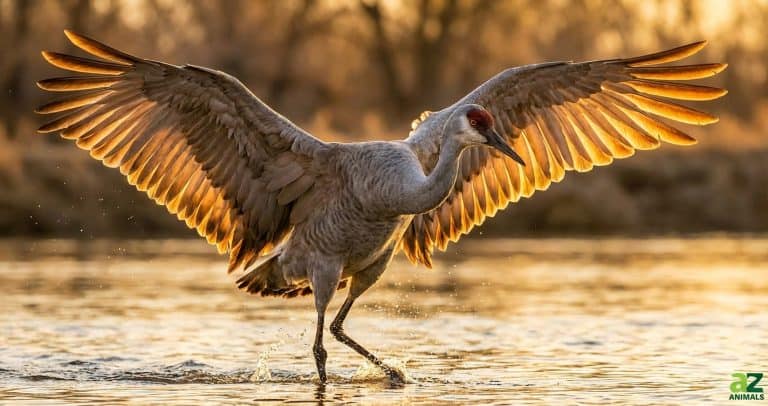
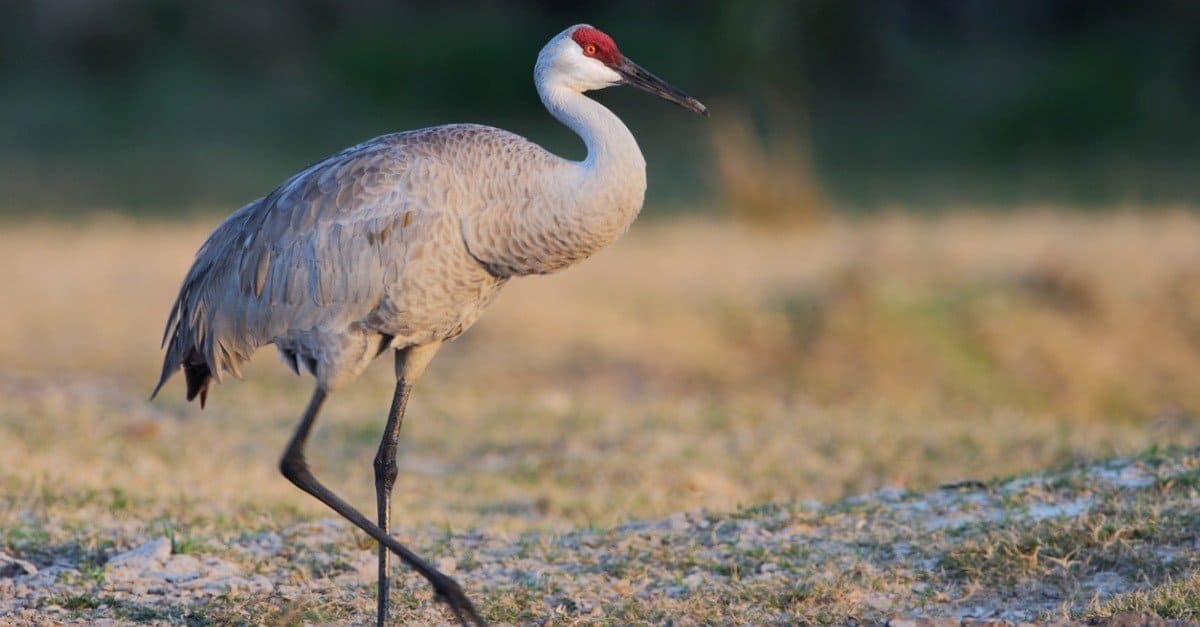
These birds grow to 3-4 feet in height and spend most of their time in isolated wetlands. They reach an average weight of 7-11 pounds and have lifespans of around 20 years. These omnivores are flock animals, which means they travel and live in groups. Adult sandhill cranes are slate gray in color, with some rusty colorations atop the gray. Their heads are adorned with a crown of red skin.
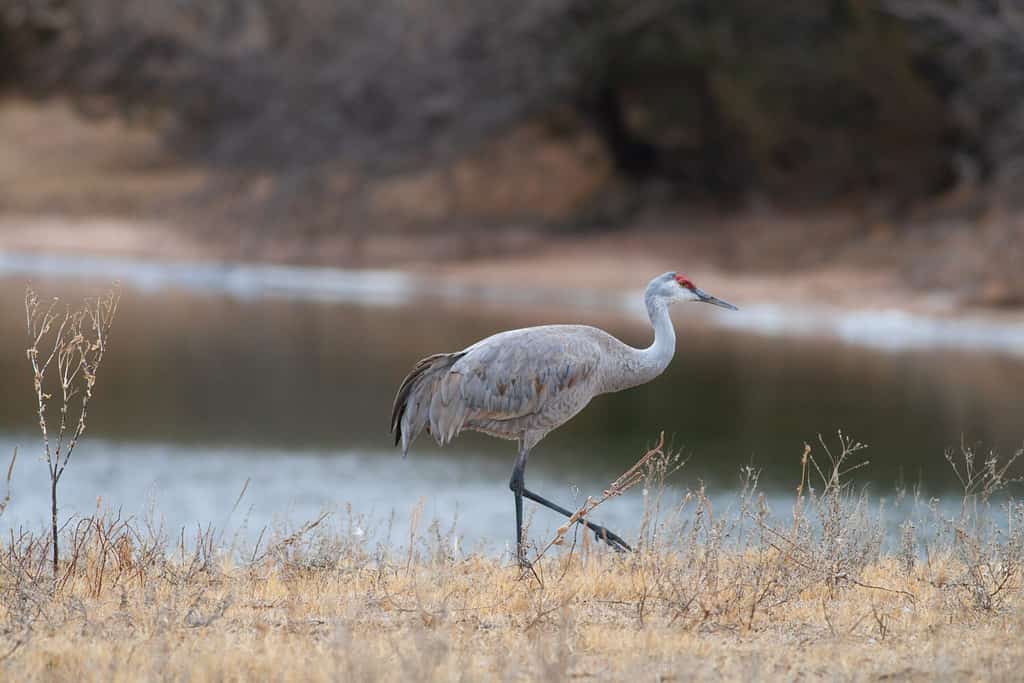
These beautiful birds have been around for millions of years.
©Benjamin Tillotson/Shutterstock.com
When to See Sandhill Cranes in Kearney
We’ve included a wonderful informational video by Visit Kearney Nebraska that shows you some parts of the crane migration and tells you more about why they’ve chosen this area.
According to The Nature Conservancy, sandhill cranes begin their northern migration in early spring, taking them through several states, but the site estimates that 80 percent of all sandhill cranes in North America end up in the same place during the spring season. This is a 75-mile stretch of the Platte River, centered on Kearney. They arrive in late February and stay until April. The Platte River is a perfect place for them to prepare themselves for the rest of their northern migration. That means that the best time to see sandhill cranes in Kearney is during this period. The Nebraska Game Parks website says that the number of sandhill cranes in the area peaks around the third week of March.
The Kearney website has an annual Crane Watch Guide that will help you find the right times and places to see the cranes as they stop in the area for their migration. When you visit, remember to keep a safe distance from these birds and don’t feed or disturb them.
Fun Facts About Sandhill Cranes
Let’s finish up with some interesting information about sandhill cranes. We’ve composed a list of neat facts about these amazing birds. Learning more about animals often gives us a greater sense of wonder and appreciation for them.
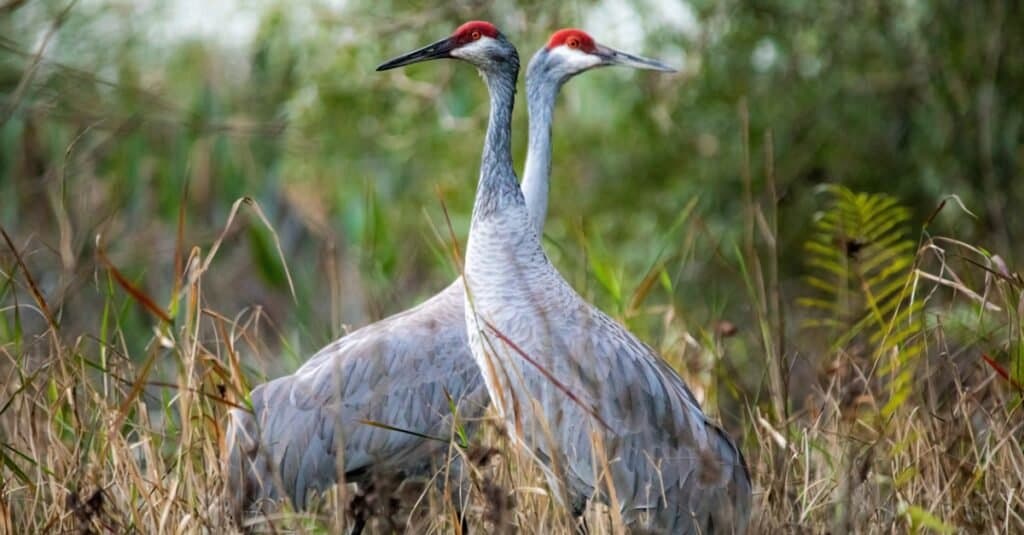
Sandhill cranes mate for life.
©iStock.com/GummyBone
- Sandhill cranes feed opportunistically. This means that their diet shifts to accommodate food availability. They prefer plants and grains, but will also eat amphibians, reptiles, invertebrates, and some small mammals.
- There are three subspecies of sandhill cranes that do not migrate. Two of these subspecies – the Mississippi sandhill crane and the Cuban sandhill crane – are federally listed as an endangered species.
- Sandhill cranes mate for life, but after a crane’s mate passes, it will seek a new life partner.
- Sandhill cranes dance during their mating season. This dance includes several movements, including bowing, jumping, throwing sticks and plants in the air, and wing-flapping.
- Sandhill cranes are ancient. Experts estimate that the oldest fossil of one of these birds is about 2.5 million years old. It was found in Florida. A fossil from a closely related bird was found in Nebraska, and this fossil dates back 10 million years.
- Baby cranes are able to leave the nest as little as eight hours after they hatch.