
Quick Take
- A rooster's crow is louder than most people realize, and it does not stop at dawn. See the noise drawbacks →
- Fertilized eggs and edible eggs aren't as different as you think, though timing is everything. Understand egg management →
- Keeping the wrong ratio of hens to roosters can make your flock miserable, and your rooster will suffer as well. Get the ratio guidance →
- There's a place you can take an unwanted rooster that most chicken keepers overlook entirely. Discover the farm option →
What happens if you bring home a rooster when you meant to keep only hens? Occasionally, this can happen, especially if you’re raising chicks from your home flock. But what should you do if you don’t wish to keep the rooster? While roosters offer some advantages, there are also disadvantages to consider. In many cases, it’s a personal choice. Continue reading to discover what your options are if you wind up with a rooster.
Why Would You Wind Up with a Rooster?
You might end up with a rooster for a couple of reasons. First, if you order pullets from a hatchery or breeder, sometimes a rooster is included by mistake. Second, if you buy chicks from a local feed or pet store, you may get a rooster or two because chicks can’t be sexed until they are about 6 to 8 weeks old.
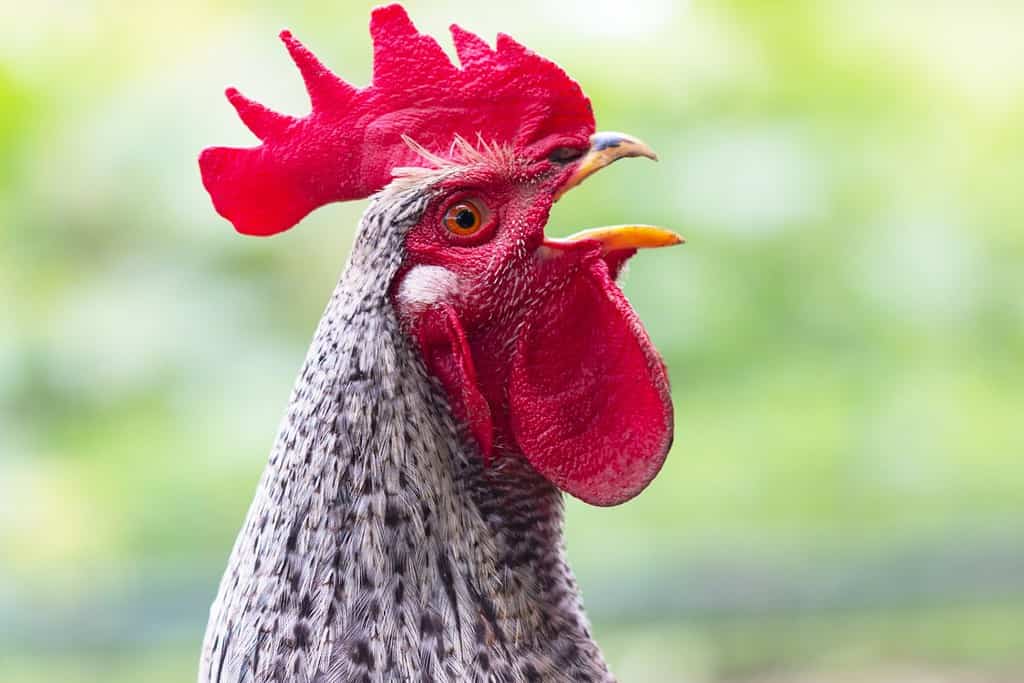
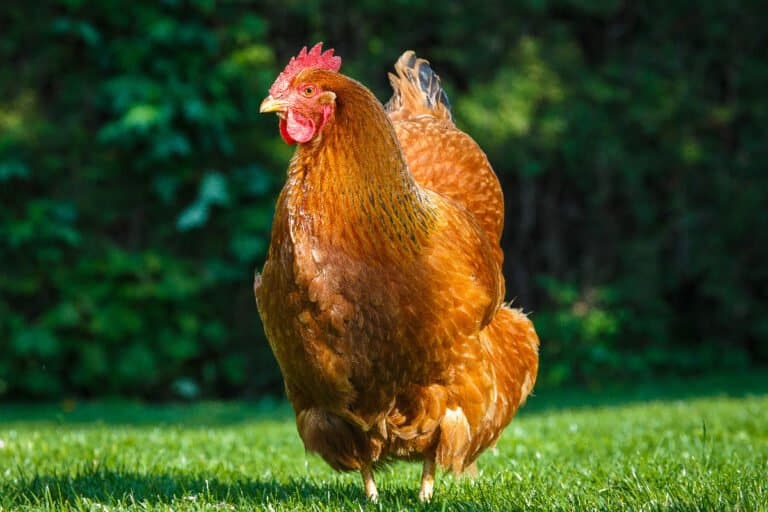
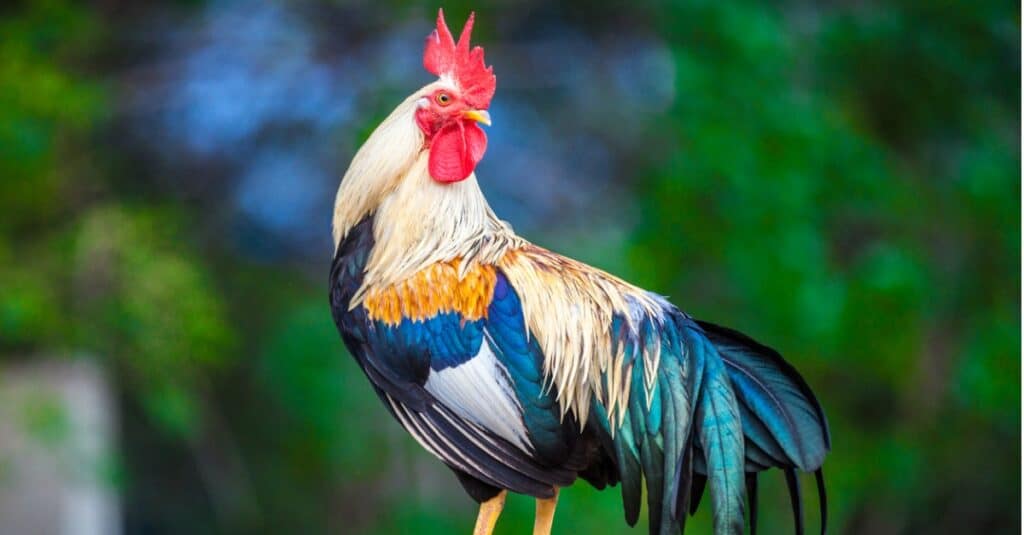
Roosters can be noisy and territorial.
©Wizard Goodvin/Shutterstock.com
Advantages To Owning a Rooster
Roosters have a bad reputation for crowing, but there are definitely some advantages to keeping them, including:
- They offer protection to the hens. Roosters protect their flock, even if it means getting in harm’s way themselves.
- Roosters help keep flocks in order. They typically help by directing the hens back to the coop at night for safety.
- Roosters fertilize eggs, so you won’t need to purchase chicks or pullets each year to keep your flock growing.
- They may provide extra income. Sell the fertilized eggs or chicks for some side earnings.
- Roosters will help guide hens to food if they’re struggling to find it while roaming.
- Roosters can make good pets, when properly cared for.
Disadvantages to Owning a Rooster
Roosters can be wonderful in many ways, but for some people, the negatives outweigh the positives, including:
- Roosters can be noisy. They don’t just crow at dawn, either. While they famously crow to welcome the morning, they also crow throughout the day to announce their territory, call their hens, and sound alarms.
- A rooster’s crow can reach up to 130 decibels. At close range, that’s about as loud as a jet engine or a rock concert.
- Roosters are territorial. They are the guardians of the flock. They will defend their hens and territory from predators and may sometimes become aggressive toward humans they perceive as a threat.
- Roosters can present a danger to other birds, pets, and kids.
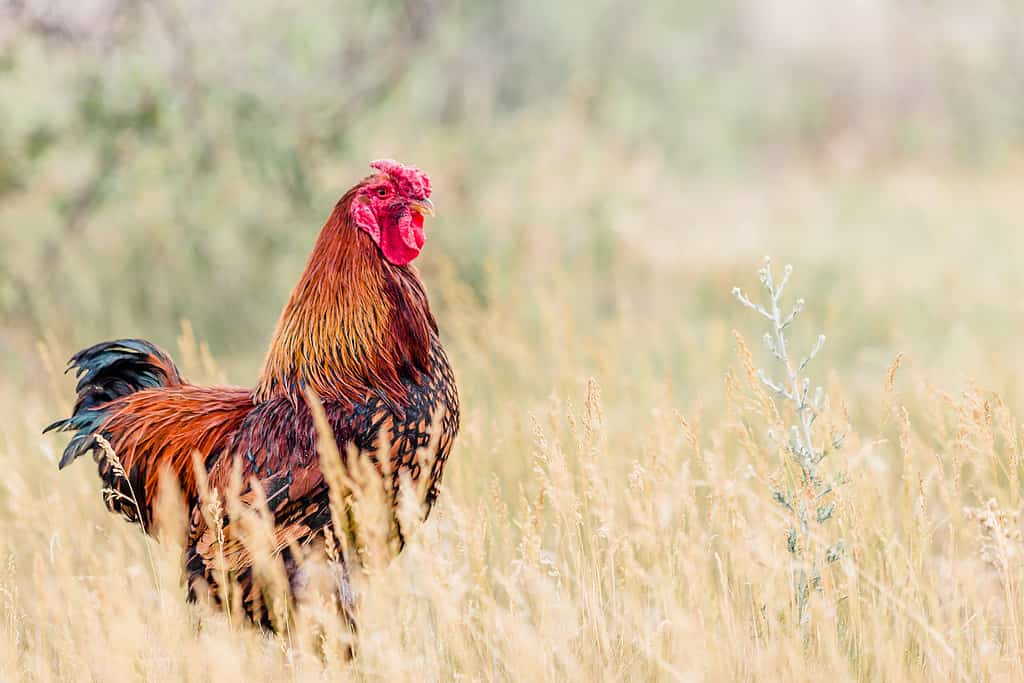
Many roosters are absolutely gorgeous, like this golden-laced Wyandotte rooster.
©Cavan Images/ via Getty Images
Option 1: Keep the Rooster
The first option when you end up with an unexpected rooster is to keep it. The key is being able to meet the rooster’s needs while also caring for your hens properly.
You can keep hens and a rooster together in the same coop and run. However, you must manage your egg collection carefully if you wish to eat the eggs and are not interested in growing your flock.
Fertilized eggs are perfectly safe and delicious. A fertilized egg will not develop into a chick unless a hen sits on it constantly for over 24 hours. Gathering eggs every morning will prevent development and keep them fresh. Refrigerating the eggs immediately stops embryo development.
One rooster is generally recommended for every 8 to 10 hens. If you have fewer hens, consider rehoming the rooster or keeping him with other roosters (if they are raised together), rather than isolating him completely, as roosters are flock animals and can become stressed or aggressive if left alone.
Many chicken keepers build a separate coop just for multiple roosters, which works well if there are no hens nearby to fight over.
©iStock.com/IsaacRuiz
You can house him with another rooster (if they are raised together), a couple of dedicated breeder hens, or even a different animal, such as a duck or a goat.
If you have the correct ratio of hens to roosters, your hens may be happier with a rooster around. However, hens don’t require roosters to live full, happy lives.
Option 2: Re-home the Rooster
There are many ways to find a new home for your rooster, such as posting the bird on Craigslist or in a niche chat group, contacting local family-owned farms and feed stores, networking through regional poultry swaps, or surrendering him to a dedicated farm sanctuary.

If you’re not sure what to do with a rooster you didn’t plan on, you can re-home it pretty easily.
©cynoclub/Shutterstock.com
Animals often find new homes through social media. You can post on your own social media channels, such as Facebook or Instagram, or on sites like Freecycle, Craigslist, or Petfinder.
If you feel uncomfortable casting a wide net, ask people you know personally. Don’t hesitate to ask your friends and neighbors, even if they don’t already keep chickens. You never know who might be up for a new pet.
If there’s one nearby, an animal shelter might be the right choice for your rooster. Not all shelters are equipped to care for chickens, so be sure to check in advance before bringing him over.
Option 3: Find a Farm
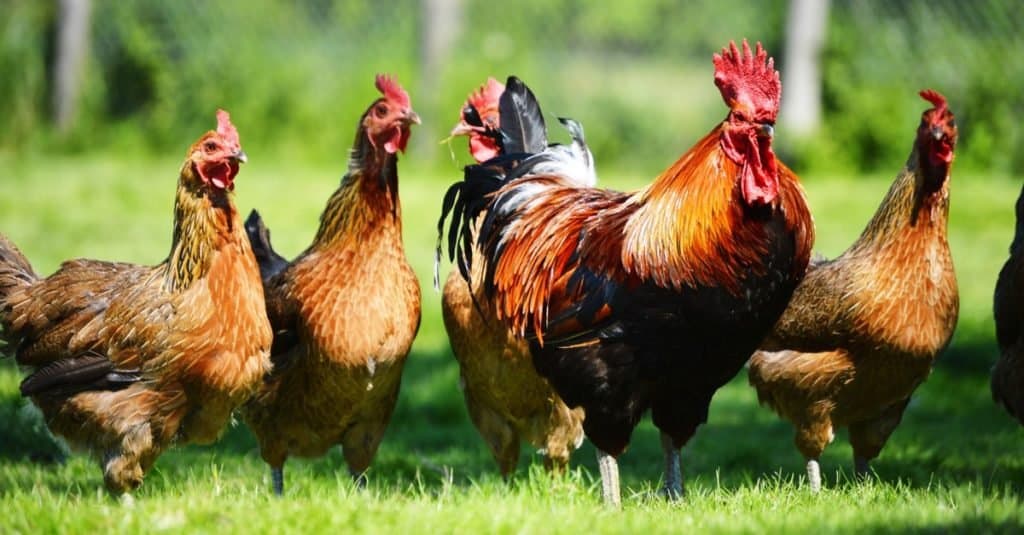
If you don’t know what to do with a rooster, sometimes, your best option is finding a farm for your feathery pal.
©monticello/Shutterstock.com