Quick Take
- Safe from predators, thousands of birds still abandon their hideout every dawn. What forces them out? Why birds leave at dawn →
- Arrive at the wrong moment and you'll miss the whole show. The article pins down the window. Check the migration window →
- One refuge spot puts you right beneath the takeoff. Which one beats the rest? Compare refuge viewing spots →
- Some watchers aren't here for the cranes at all. They're watching the watchers.
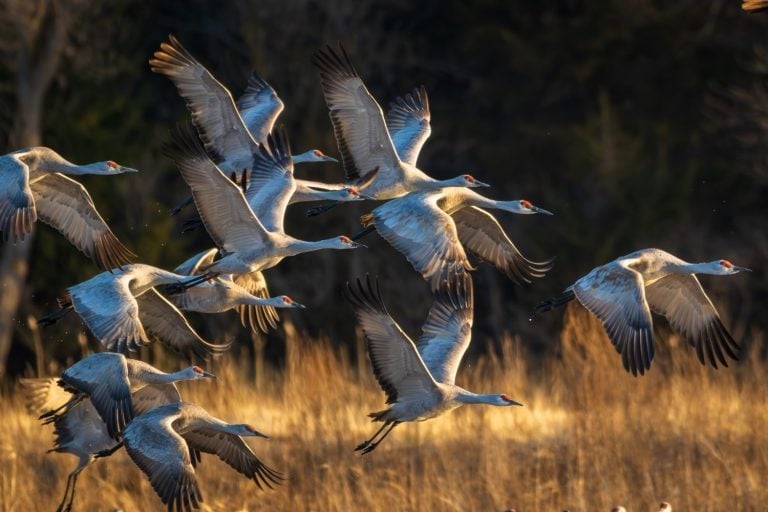
For thousands of years, Rio Grande, New Mexico, has witnessed an extraordinary natural event. Between fall and winter, thousands of birds take flight at sunrise. As they erupt into a blazing sky, the sound is deafening. The air fills with flapping wings, and those on the ground stare in awe as they observe each bird’s grace and agility.
The emergence of sandhill cranes and snow geese from the Bosque del Apache Refuge wetlands is called an “avian avalanche.” It’s disorienting, thrilling, and beautiful all at once. Few people get to experience it in their lifetimes, but Socoro celebrates it annually—and that’s worth the road trip.
An Explosion of Feathers and Fury
The wetlands at Bosque del Apache Refuge provide ideal shelter for New Mexico’s migrating birds. In its floodplains, waterfowl are protected from predators’ searching eyes. The refuge is home to many top predators, including bobcats, mountain lions, and coyotes. But deep in the marshes, sandhill cranes and snow geese remain hidden, using reeds and foliage to hide.
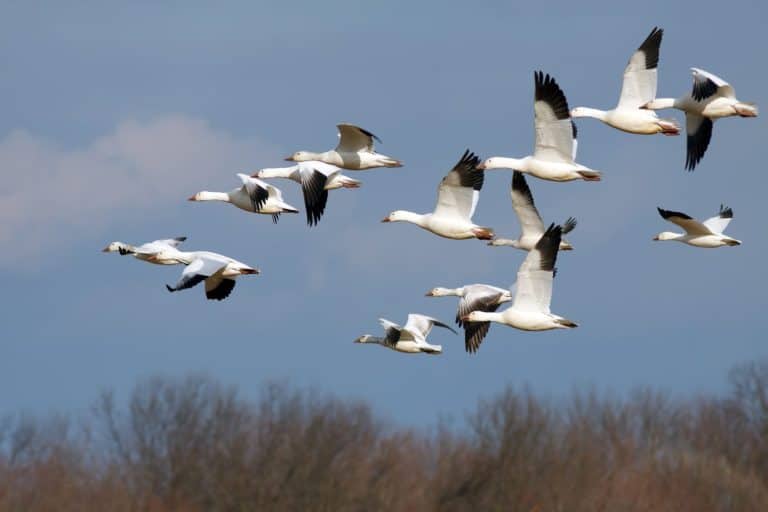
But while the wetlands provide essential shelter and a mild climate, they can’t always provide enough food. Waterfowl must leave the safety of the floodplains to hunt. This pattern is predictable and occurs from late October through mid-February. At first light, snow geese take flight to search for plants and tubers. Tens of thousands scour nearby fields and meadows, hoping to find a meal as the weather cools.
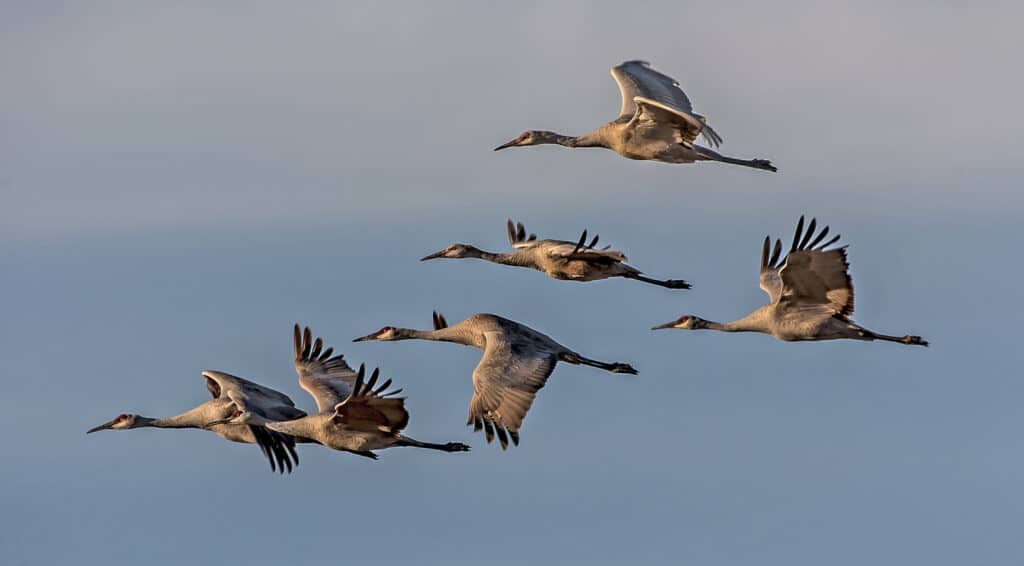
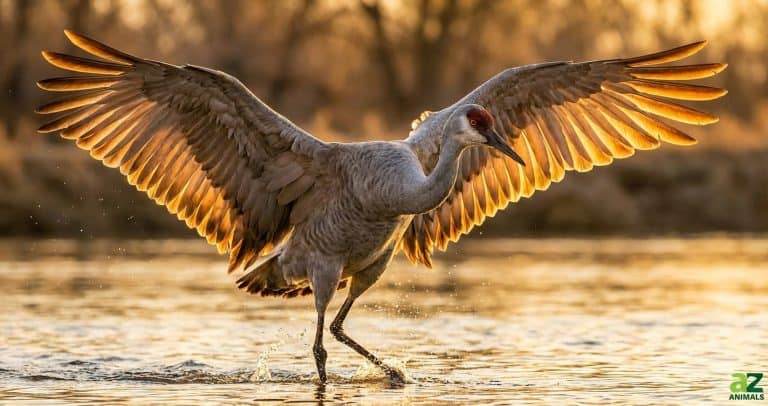
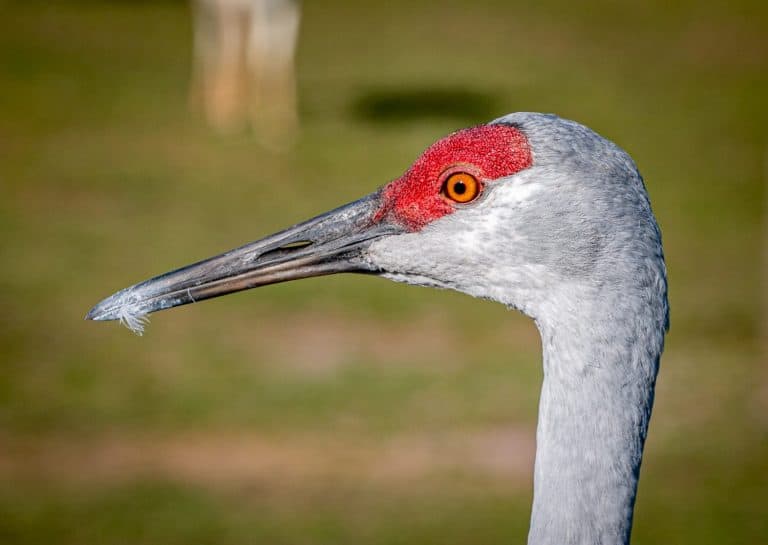
Sandhill cranes migrate south from Canada to find milder temperatures.
©Tom Zeman/Shutterstock.com
Soon after, sandhill cranes emerge in a burst of feathers and urgency. Neither wastes time taking flight, each searching for different things. Sandhill cranes look for berry bushes, nuts and grains, and even plumes of buzzing insects. Some take their chances on small mammals, such as mice or moles, which are easier to spot from above.
What each species hunts for
| Plants and tubers | Berries, nuts and grains | Insects | Small mammals | |
|---|---|---|---|---|
| Snow geese | Plants and tubers | |||
| Sandhill cranes | Berries, nuts and grains | Insects | Small mammals |
The two species spend an entire day foraging and hunting before flying back home. Before the sun sets, thousands of birds come flocking back to shelter for the long night ahead. It’s an all-day affair for the photographers and wildlife watchers who observe each “blastoff.”
The “Avian Avalanche” Draws Photographers Worldwide
When it comes to observing the “blastoff,” the number one tip is to arrive early. This applies to both take-off and afternoon returns. While snow geese and sandhill cranes follow nature’s cycles, it’s best to arrive before the anticipated flight window. In the morning, that window is 6:15 to 6:45 AM.
The second thing visitors should know is where to find the best view. Within Bosque del Apache National Wildlife Refuge, several locations offer photographers a prime vantage point.
| Location | Why It Has a Good View |
| The Flight Deck | Arguably the best vantage point to see the “blastoff.” It overlooks the roosting spots for sandhill cranes and snow geese, allowing visitors to see the entire trip from start to finish. It also puts visitors closest to the birds, which take off directly below the observation deck. |
| The Farm Loop | For those looking to watch thousands of sandhill cranes forage, this northern half of the refuge’s 12-mile auto tour route is the place to go. The trail winds around well-known crane feeding grounds, giving visitors a chance to see the birds in action after they fly off. |
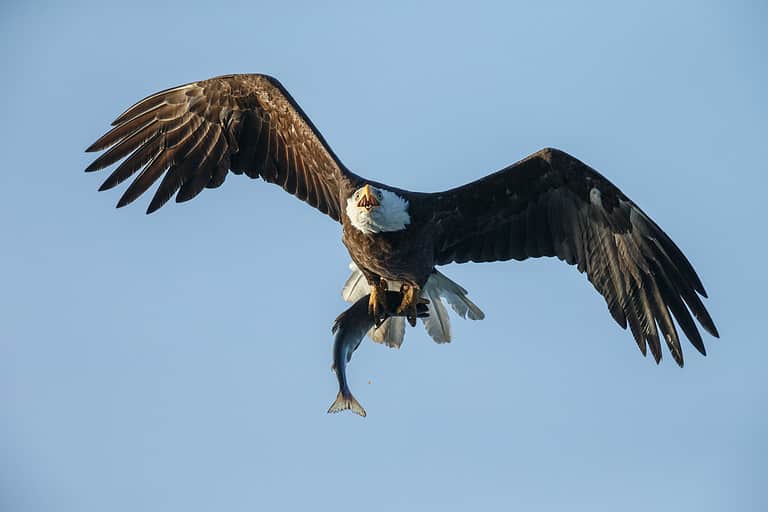
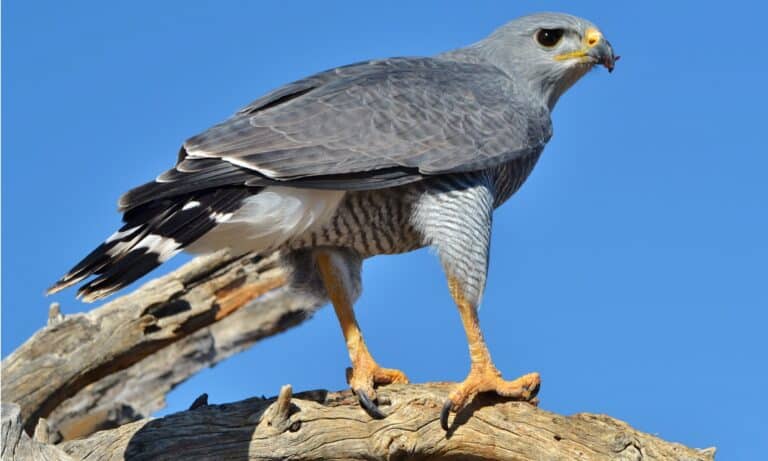
| Cottonwood Bosque and Canal Snags | Both of these locations offer a different perspective on the annual avian avalanche. They’re known hunting grounds for wintering raptors, giving visitors a chance to watch bald eagles, hawks, and falcons while they watch cranes and geese for injured or weak prey. |
To help wildlife watchers, an app called WildMap tracks migratory species’ movements. Users can download it for free and follow thousands of animated migration routes. This is especially helpful for photographers in the days leading up to the annual “blastoff” and provides a rough idea of what to expect.
The Festival of the Cranes
In early December, Socorro, New Mexico, celebrates the annual takeoff and return of its beloved waterfowl. This year, the Festival of the Cranes runs December 2-5, right at the peak of feeding season. Hosted by Friends of Bosque del Apache, the festival takes place at the Bosque del Apache National Wildlife Refuge.
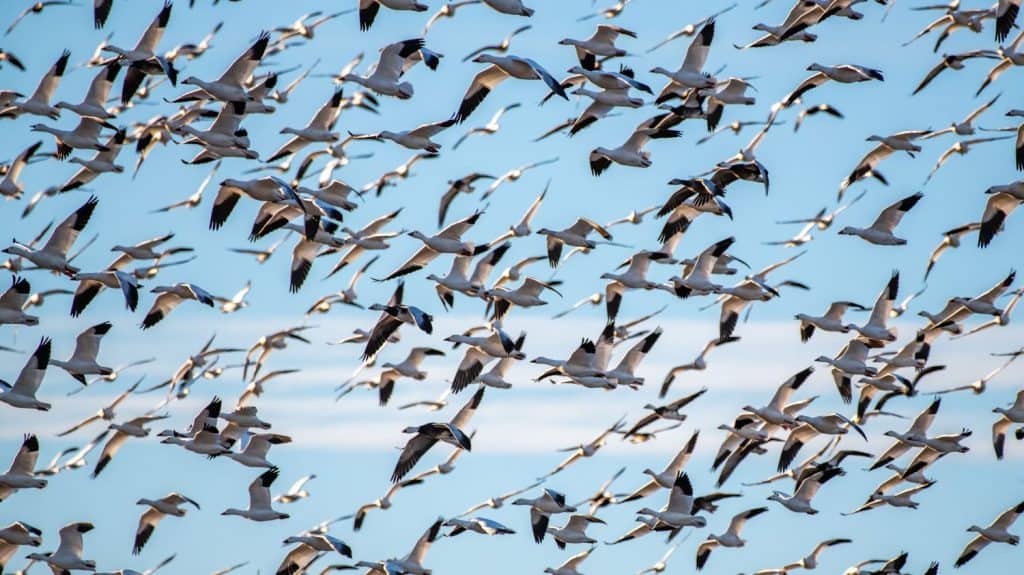
Thousands of snow geese take to the sky during the annual “blastoff.”
©Wirestock Creators/Shutterstock.com
Festival-goers can join more than 85 birding tours, educational hikes, presentations, and photography tours. This year’s speakers include Dr. Rich Beilfuss, President & CEO of the International Crane Foundation, and Michael Forsberg, conservation photographer, author, and educator.
The festival also lets visitors explore the Refuge and observe additional birdlife, such as ducks, raptors, and migratory songbirds. Rio Grande’s annual migration is one of North America’s most celebrated bird spectacles. For more than three decades, New Mexico has celebrated this miraculous display with the Festival of the Cranes. It’s a once-in-a-lifetime chance to witness nature’s incredible cycles.