
Quick Take
- The photo that launched Hogzilla's legend turned out to be both more real and more misleading than anyone expected, and proving the truth required digging up a corpse.
- A hog shot and celebrated as bigger than Hogzilla had a name, and the real story behind it is far darker than a hunting trophy.
- DNA testing on Hogzilla's remains uncovered something about its origins that no one could have guessed just by looking at the animal.
- Feral hogs are already considered a crisis, yet the ecological damage they do to forests goes far beyond what most people imagine.
A full-grown black bear can weigh around 375 pounds, which makes the legend of “Hogzilla” sound almost impossible. When reports first claimed a feral hog had grown larger than two black bears combined, many people assumed the story had to be exaggerated, staged, or completely fake.
At first, there was only one photo to go on. But that single image was enough to turn Hogzilla into one of the most talked-about wild animal stories in America. The massive hog looked almost unreal, with a body so large it sparked debates among hunters, wildlife experts, and curious readers who wanted to know whether an animal that size could actually exist.
Eventually, experts examined the remains and found that Hogzilla was not just an internet myth. While some early claims were exaggerated, the animal itself was very real and still shockingly huge for a feral hog. Here’s how Hogzilla grew to such an unbelievable size, what experts discovered, and why giant feral hogs can be far more dangerous than many people realize.
Wild Hogs
©SunflowerMomma/Shutterstock.com
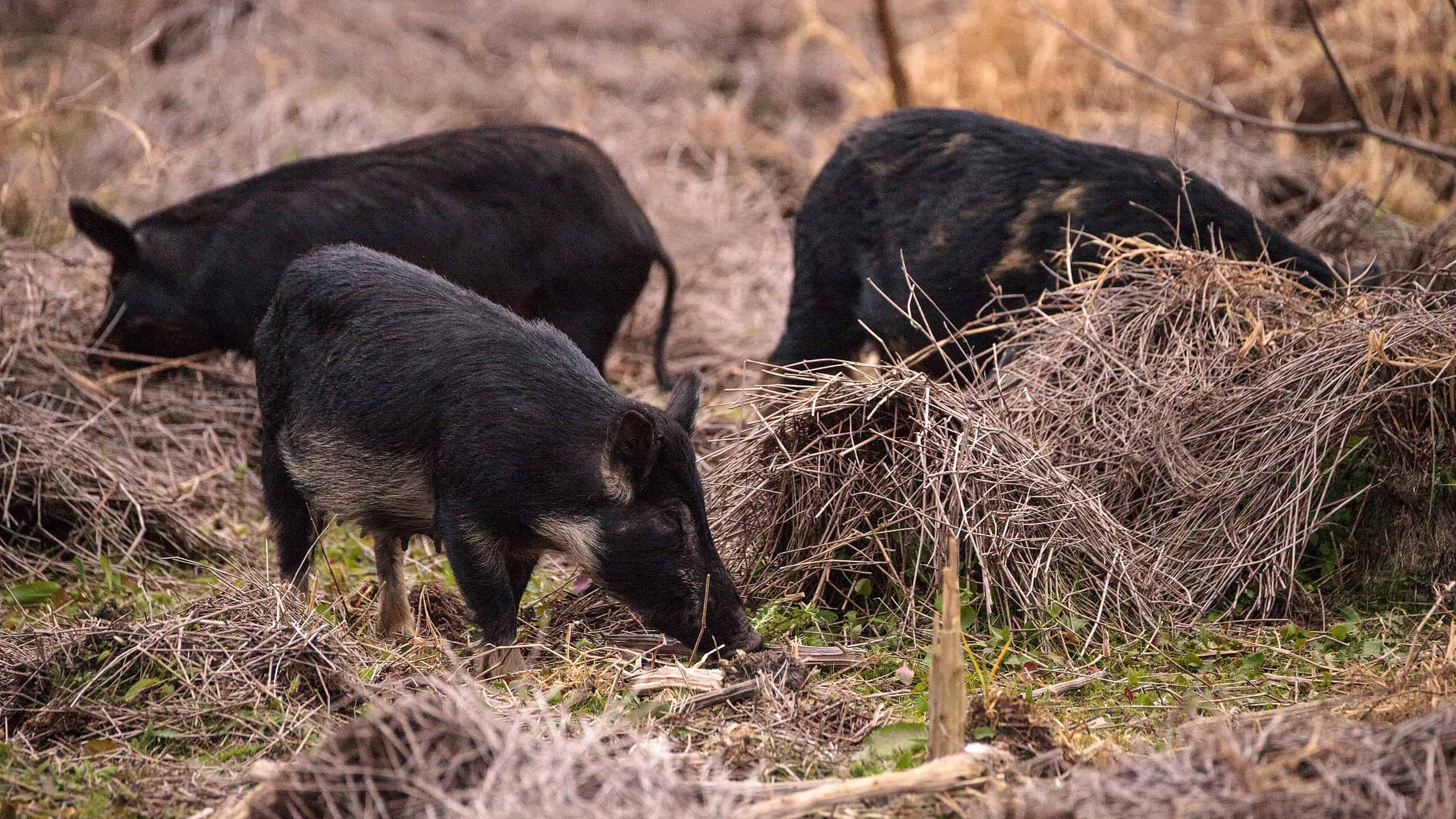
Wild hogs are an invasive species that has been multiplying across the United States for centuries and now number in the millions. They do huge economic and ecological damage, carry a lot of different diseases, and can be aggressive toward people and domestic animals.
Wild Hogs (Cont.)
©Chase D'animulls/Shutterstock.com
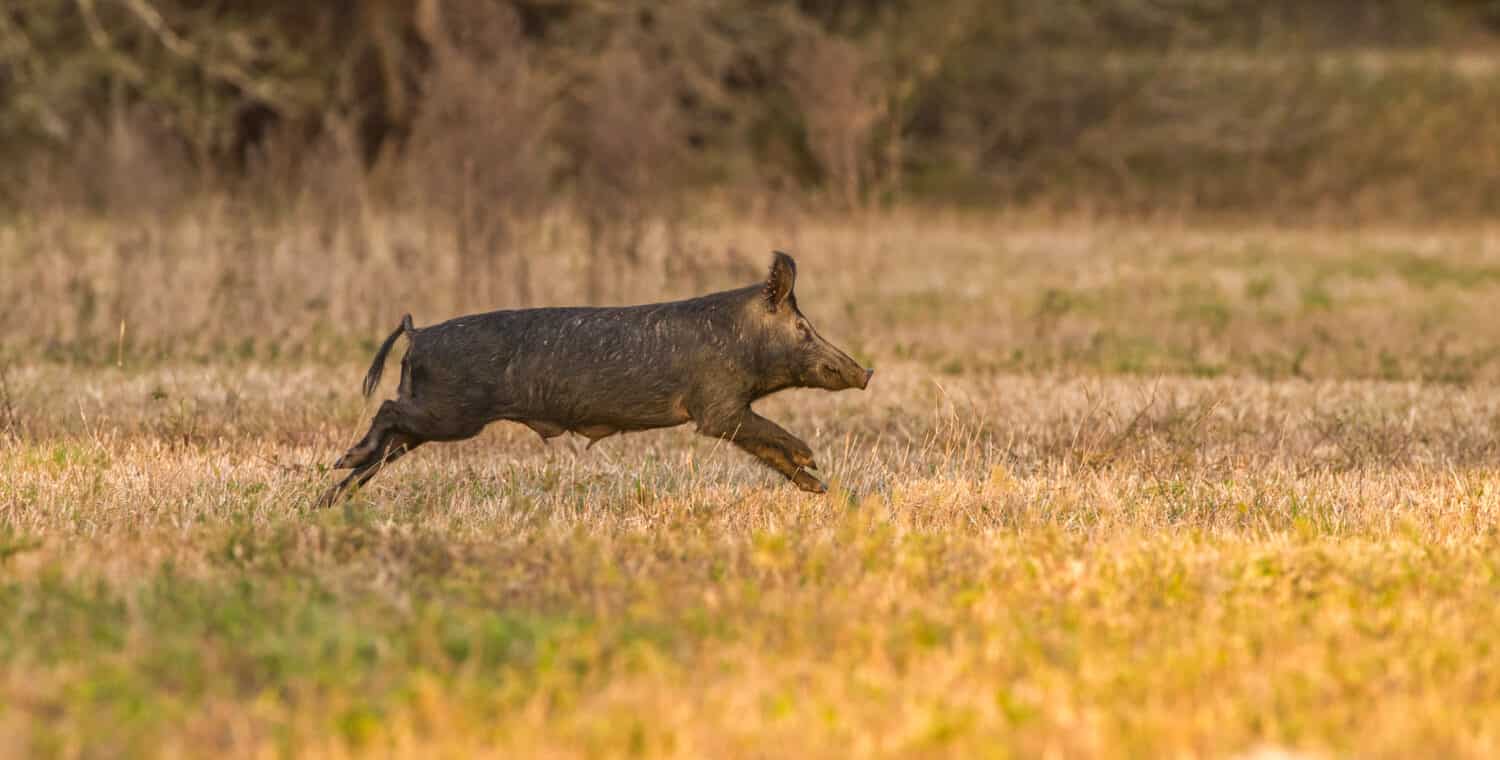
States are using a variety of methods to try to get them under control, including hunting, trapping, poisoning, and sterilization. Humanely decreasing their numbers is vital to preserving the diversity of the natural environment as well as valuable farmland and other private property.
Wild Hogs (Cont.)
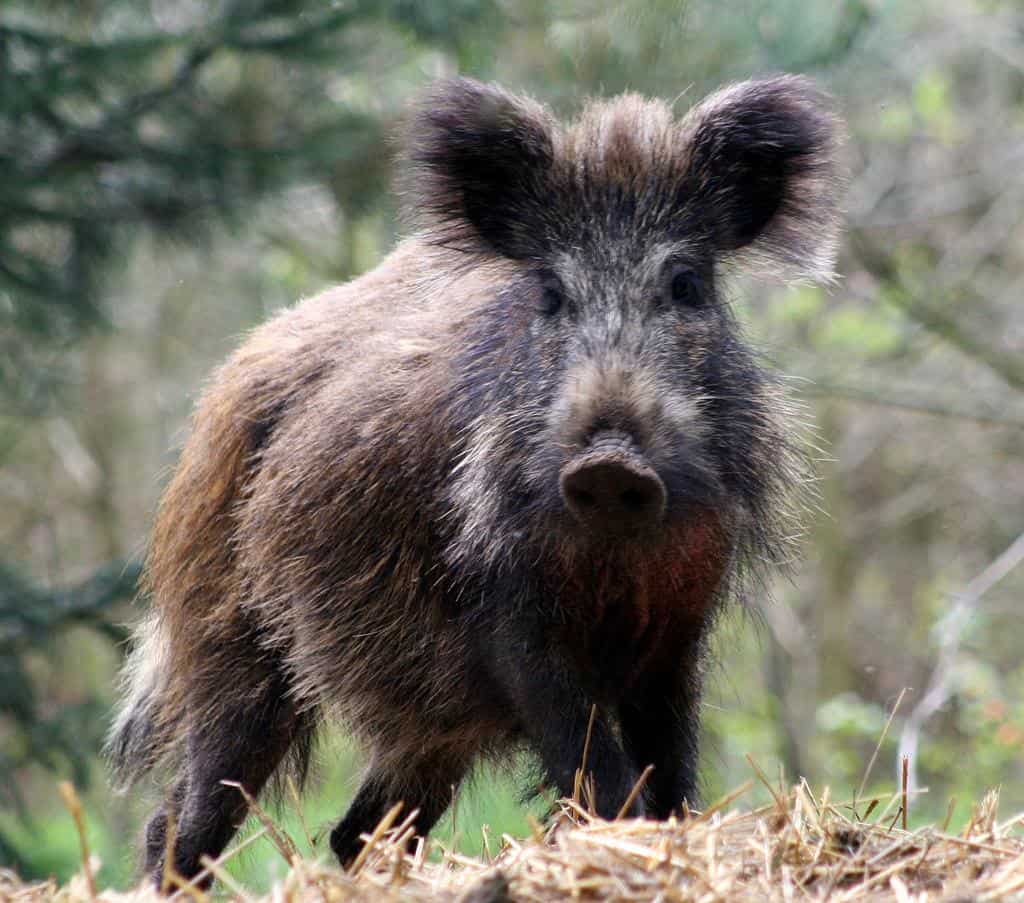
Wild hogs, also called feral hogs, wild or feral pigs, razorbacks, or wild boars, are escaped domestic pigs and their descendants that live and breed in the wild. Domestic pigs originated with the Eurasian wild boar, which was domesticated in ancient times independently by people groups in Europe and Asia.
Pigs were first brought to the New World by Christopher Columbus and released to multiply on islands of the West Indies to provide a food supply for future explorers. This practice continued with other explorers in the 16th-17th centuries in the West Indies and southern parts of what is today the United States. Over the centuries, domestic pigs periodically escaped from farms in the South and joined feral (wild) pig populations. Their numbers today are estimated to be as high as 9 million in the United States.
Wild Hogs (Cont.)
©Slatan/Shutterstock.com
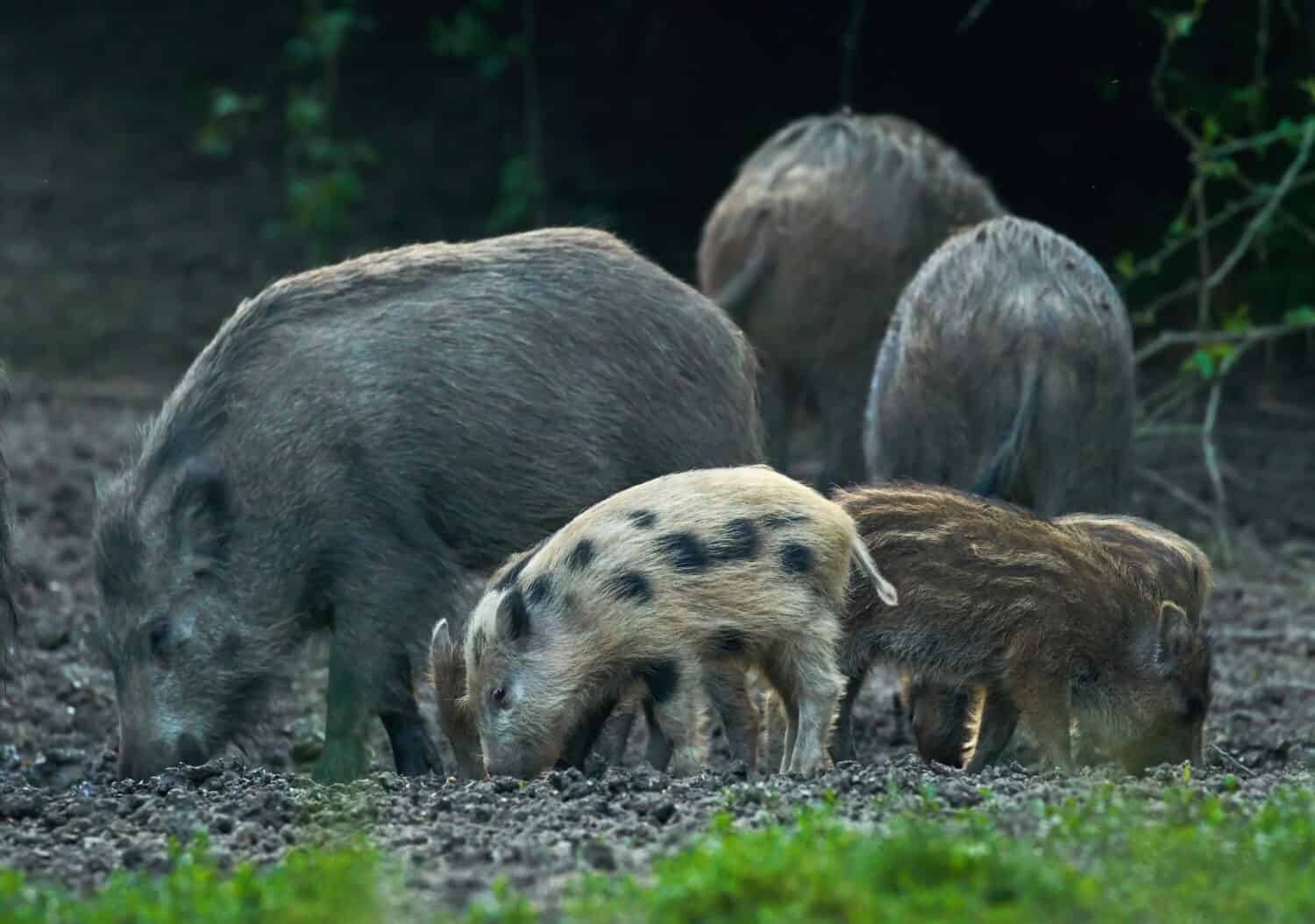
Pigs plow up the ground with their snouts and tusks to find food, unearthing plants and the burrows of ground-dwelling species. They are omnivorous, consuming virtually any type of plant or small animal they can catch. Pigs are also particularly devastating to ground-nesting birds, running off the adults, eating eggs, and trampling nesting grounds. They compete with deer and turkeys for some of the same food sources, causing these species to migrate away when food becomes scarce. Studies have shown that the biodiversity of lower vertebrates in forested areas infested with wild hogs is 26% lower than normal.
How Big Do Feral Hogs Get?
©iStock.com/JMrocek
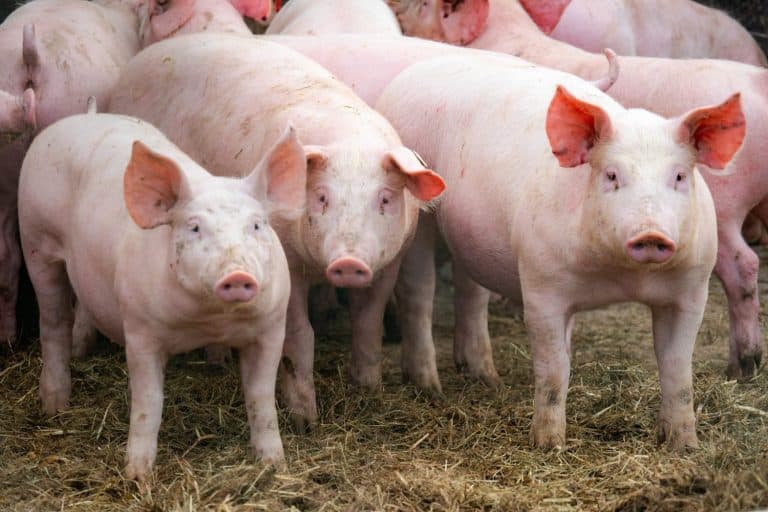
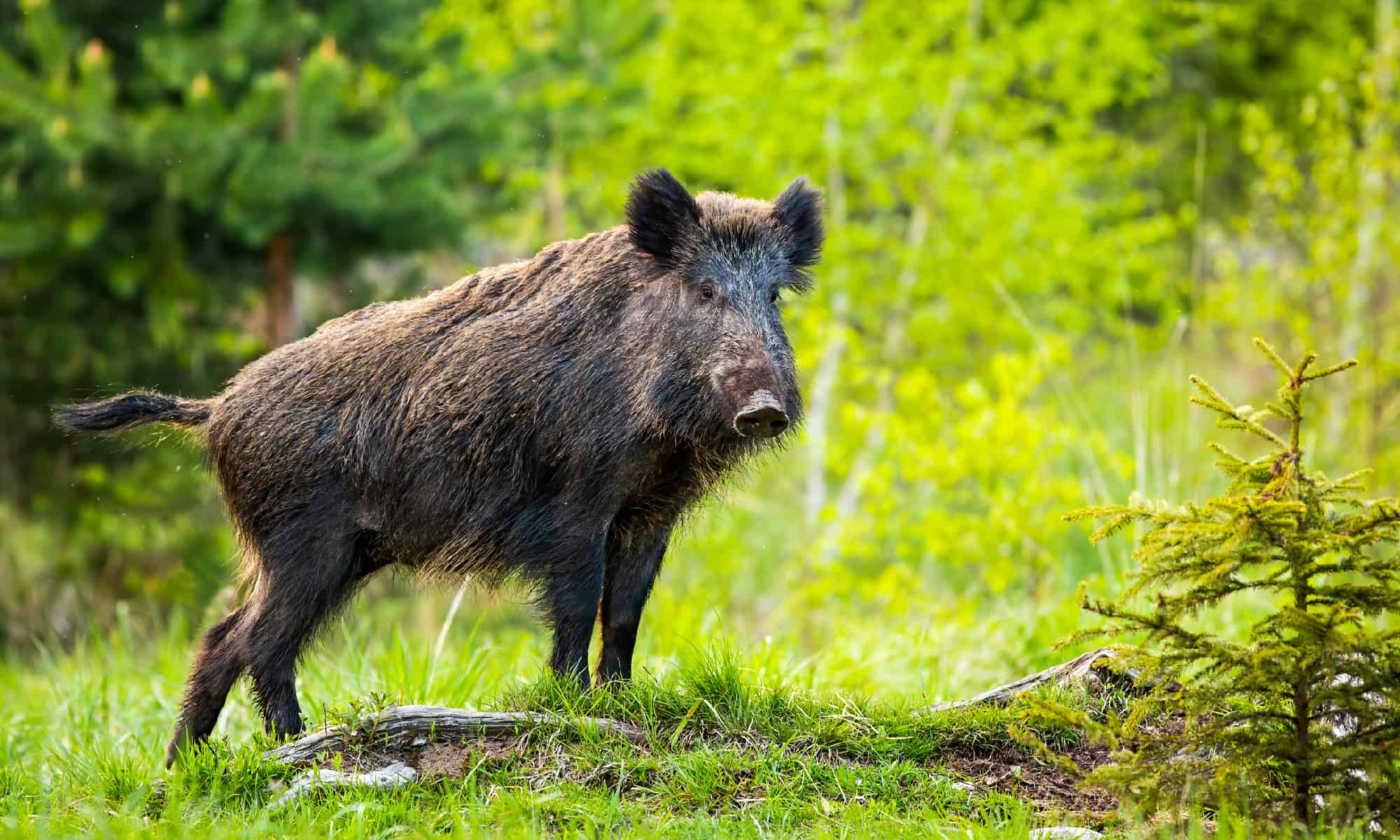
On average, feral hogs weigh between 75 and 250 pounds (though some have reached double this size). However, they can certainly get much bigger as you’ll learn with Hogzilla’s story. The males are larger than the females and can usually reach five feet in length and three feet in height. These hogs are impressively strong and muscular. Their running speeds max out at 30 miles per hour!
How Big Do Feral Hogs Get? (Cont.)
©iStock.com/JohnCarnemolla
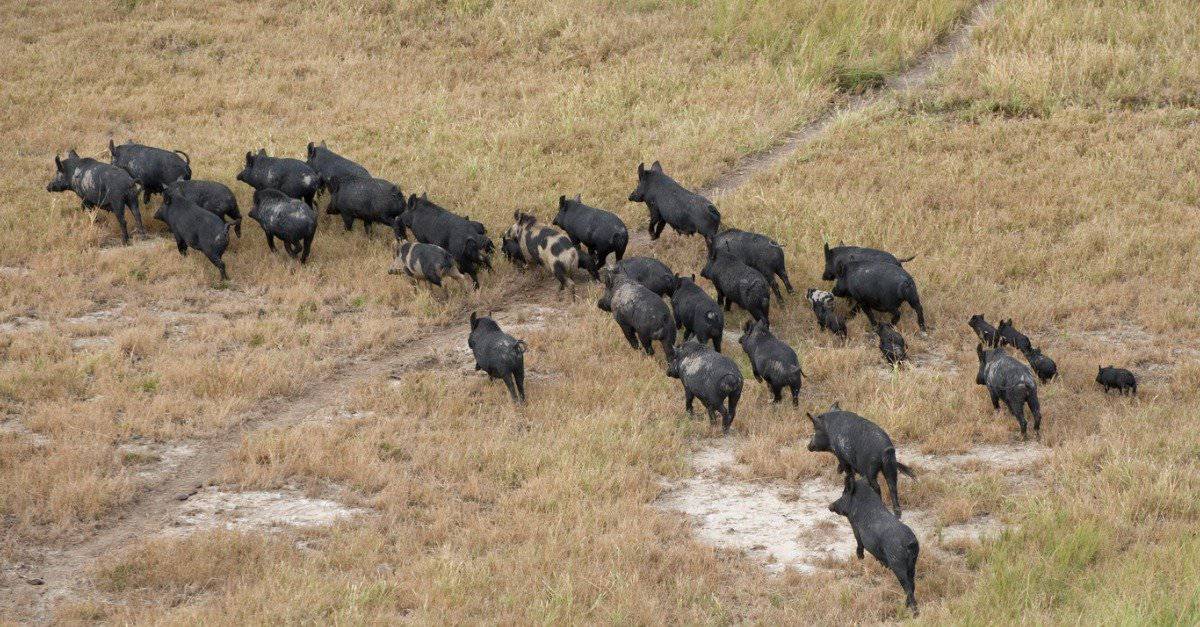
They don’t reserve breeding for a specific time during the year — instead, they breed throughout the year, sometimes having two whole litters within that year (with four to 12 piglets per litter). These mammals are invasive species in the United States, brought in the 16th century with the intention of keeping them as food. However, escape artists and those that ran free ended up establishing the feral population known today.
How Big Do Feral Hogs Get? (Cont.)
©Slatan/Shutterstock.com
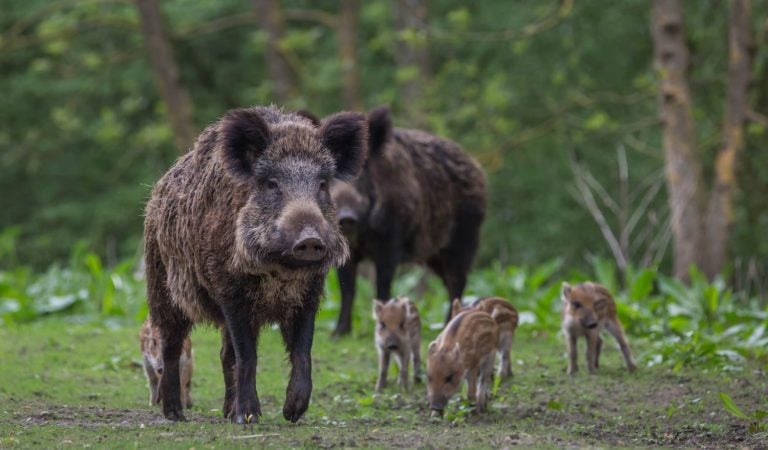
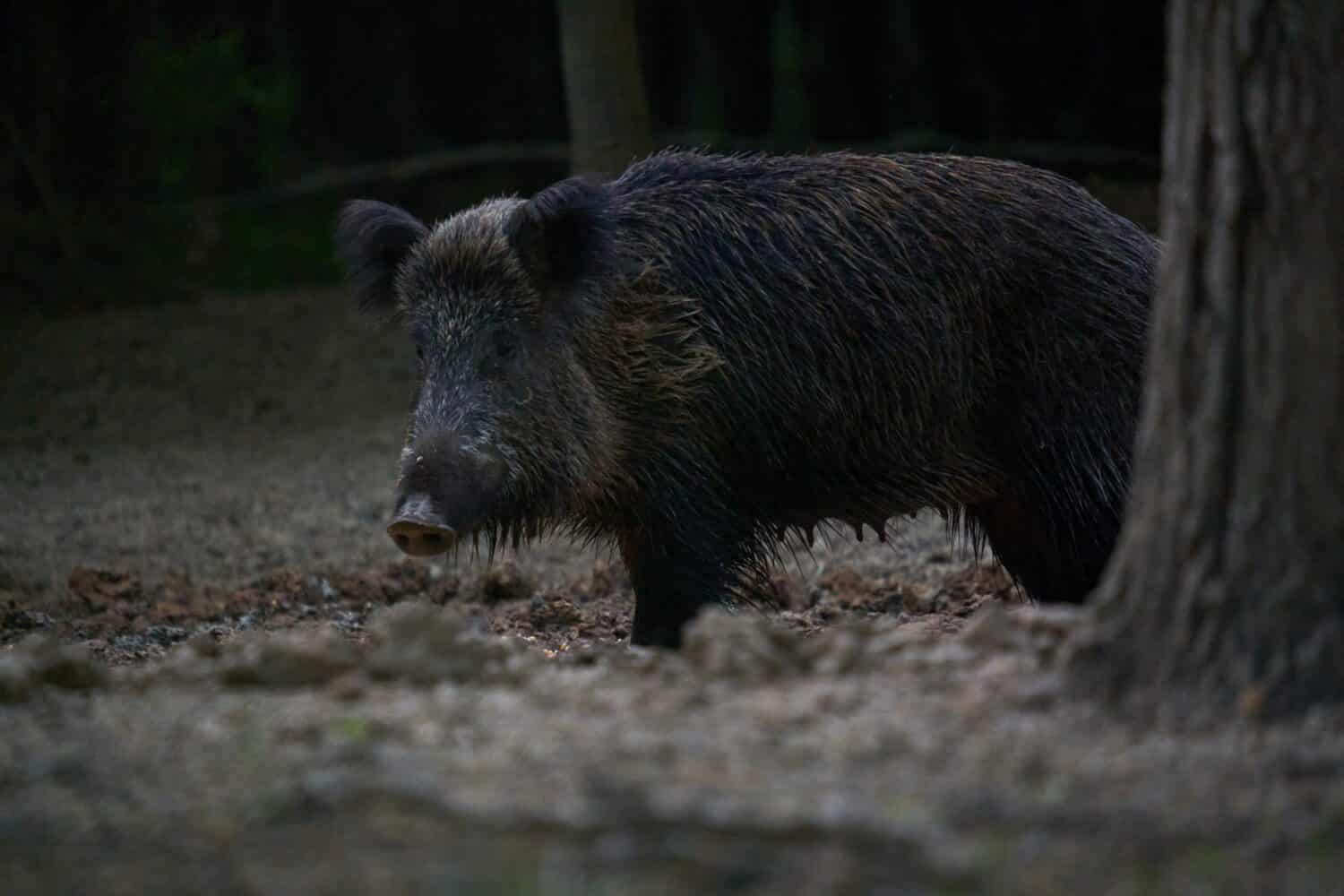
Feral hogs typically travel in groups made up of family members, including at least two adult hogs along with their young. These groups are called sounders and they may be comprised of up to 30 hogs at a time. The males, however, may go off on their own or create their own group with other males not mating. Since sounders are most active at night, it’s not often you’ll spot one when there’s daylight.
Solved: The Hogzilla Mystery
©iStock.com/taviphoto
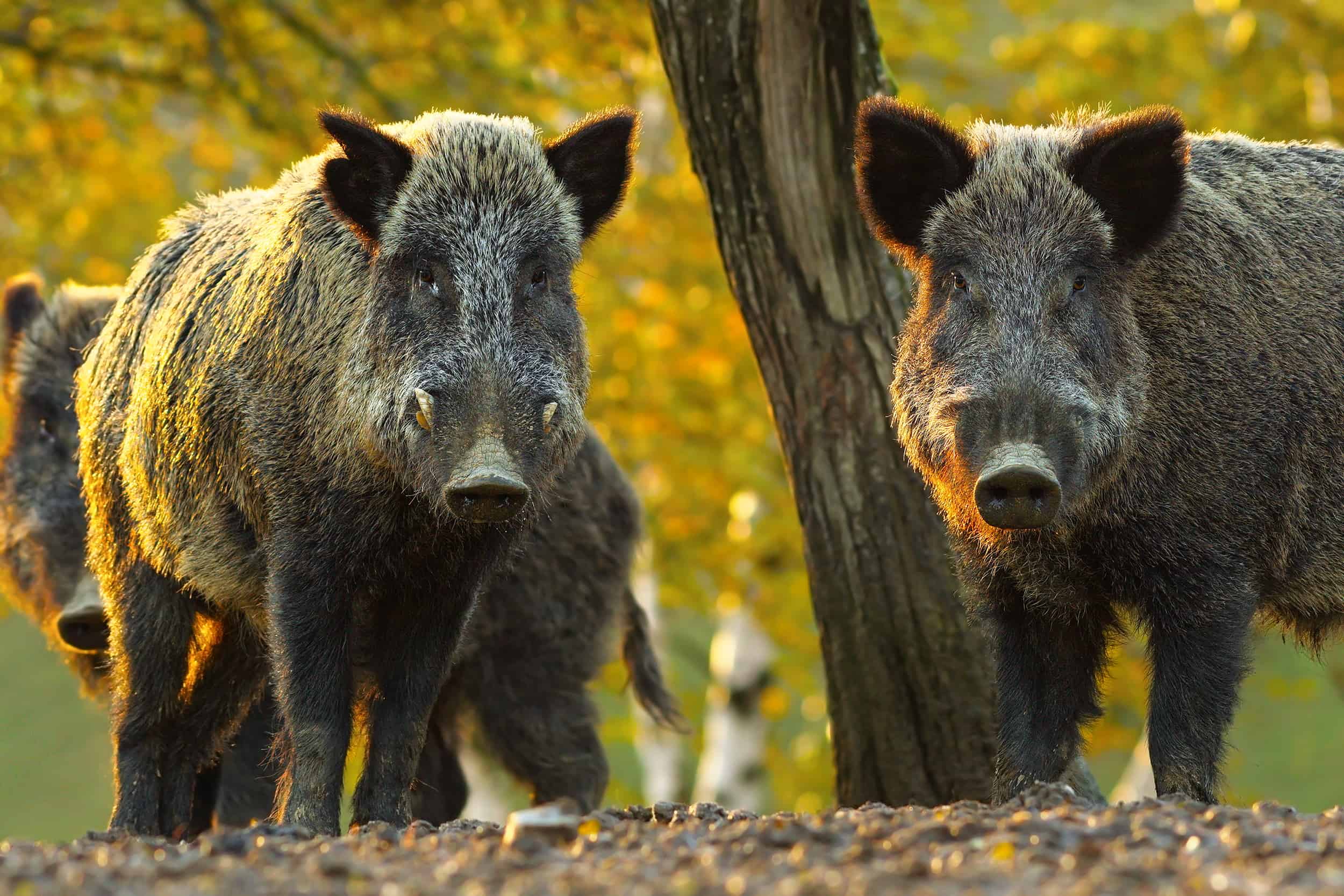
The tale of Hogzilla was born in 2004 after a hunting guide, Chris Griffin, spotted what looked like a 12-foot beast of a feral hog, so big he estimated it weighed at least 1,000 pounds. He was stunned at the sight when he first came upon it but quickly moved forward with the decision to shoot it. Once he took it down, he managed to hoist it up on a backhoe for the trophy shot that would be seen around the world (thanks to the internet).
Solved: The Hogzilla Mystery (Cont.)
©Rudmer Zwerver/Shutterstock.com
Even with photographic proof, there was plenty of doubt about Griffin’s claims. Eventually, National Geographic reached out to get to the bottom of the buzz and all the surrounding rumors. It was six months post-kill when they finally exhumed the body of Hogzilla, ready to make a documentary about it. When they examined the carcass, it was definitely confirmed to be a “freak of nature,” but it wasn’t quite as big as Griffin had purported.
Solved: The Hogzilla Mystery (Cont.)
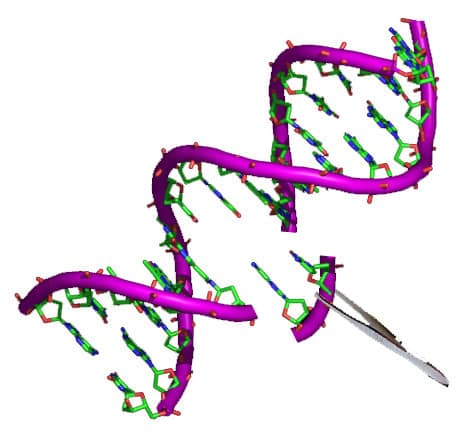
Hogzilla ended up weighing about 800 pounds and was a total of eight feet long. Its 16” and 18” tusks were unusually large and attracted significant attention. There were plenty of questions around the size of this huge feral hog and answers were unclear until experts performed DNA tests. Through the testing, they discovered that there were traces of wild boar in Hogzilla’s ancestry. A fact they could not have uncovered were it not for the exhumation and subsequent DNA tests.
Solved: The Hogzilla Mystery (Cont.)
©SunflowerMomma/Shutterstock.com
Still, there was speculation that Hogzilla was once a domesticated animal — it seemed a feasible story that could explain its monstrous size. Griffin killed Hogzilla on Ken Holyoak’s farm and Holyoak had his own theory that Hogzilla reached that size because of the unique fish food he used throughout his farm. Had Hogzilla been a domesticated hog, its size wouldn’t have been so staggering. However, as feral hogs typically weigh far less than 800 pounds, Hogzilla was definitely one for the books.
A ‘Feral’ Hog Bigger Than Hogzilla
©Narong Khueankaew/Shutterstock.com
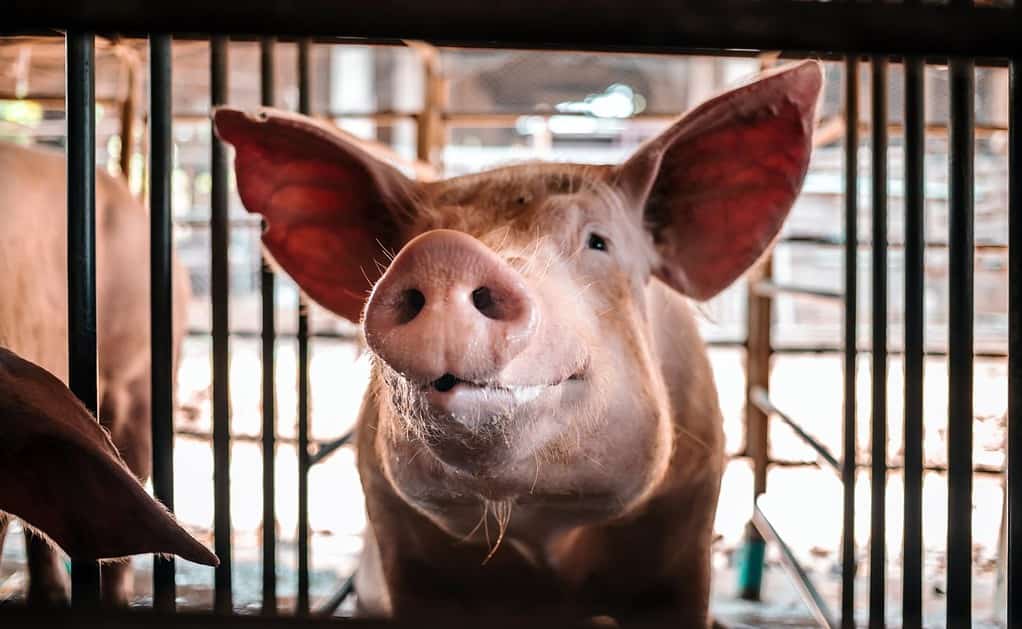
It’s true that domesticated hogs can get much bigger than feral hogs. These hogs are domesticated for a purpose and the plumper they get, the more mouths they feed. They are cared for as the product they become and so owners ensure they’re well fed throughout their lives. Some are even kept as pets. But this story about a ‘feral’ hog bigger than Hogzilla took a dark turn. An 11-year-old boy was the one who shot the hog, and the two adults he was with claimed it was feral. However, this hog had a name: Fred. Fred was a domesticated pig that fell victim to a cruel hoax orchestrated by conmen. The story was widely reported in the media and later revealed to be a hoax.