
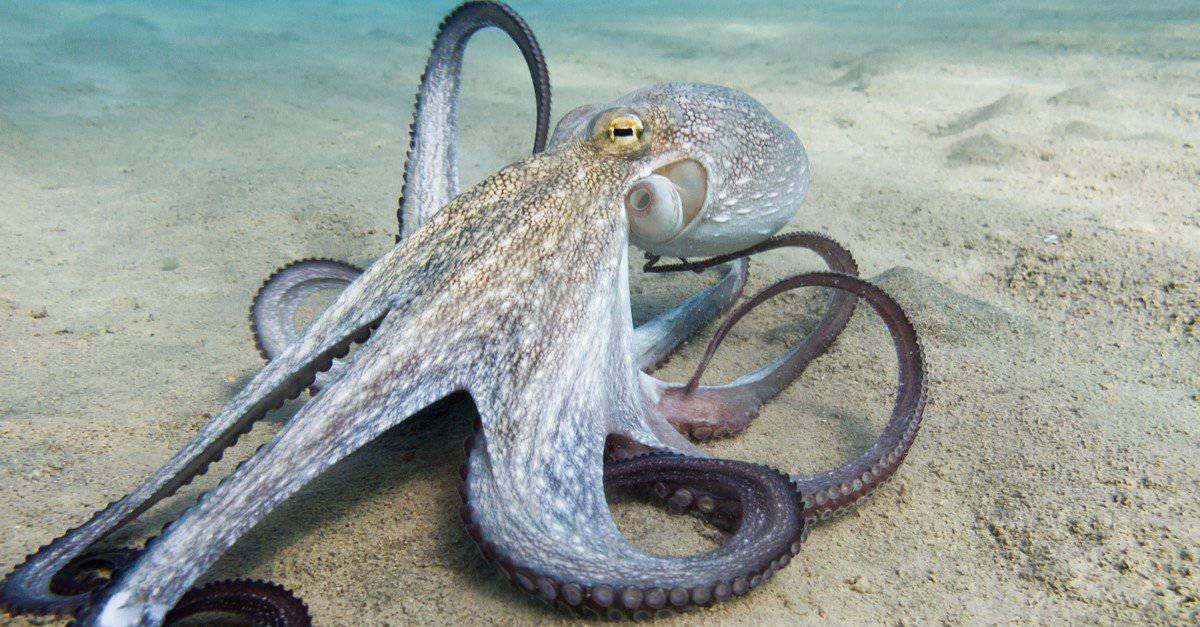

Quick Take
- Camouflage isn't just about hiding. One animal on this list uses it as an active hunting weapon, not a shield. See the full list →
- One creature here can rewrite its appearance in real time, and most people would not guess which animal it is. Meet the shape-shifters →
- Even the most feared apex predator on this list still depends on camouflage to survive, and that fact says something unsettling about raw power alone. Spot the apex predator →
- One animal's markings look nothing like its habitat, yet those same markings make it nearly invisible inside it. See the surprising markings →
The ability to blend into their surrounding environment is vital for the survival of numerous animal species around the world. Camouflage is one of nature’s best defenses as it allows animals to go completely unseen in their natural habitats, both helping to protect them from being eaten by predators and allowing them to sneak up on potential prey, without being spotted.
There are a number of ways that animals have used camouflage to adapt to their surrounding environments, with the most common example being that of some Chameleons having the ability to actually change color. Most species though have evolved to have certain colorations and markings or even a special body shape, that help them to blend into their surroundings and here are some of nature’s finest examples:
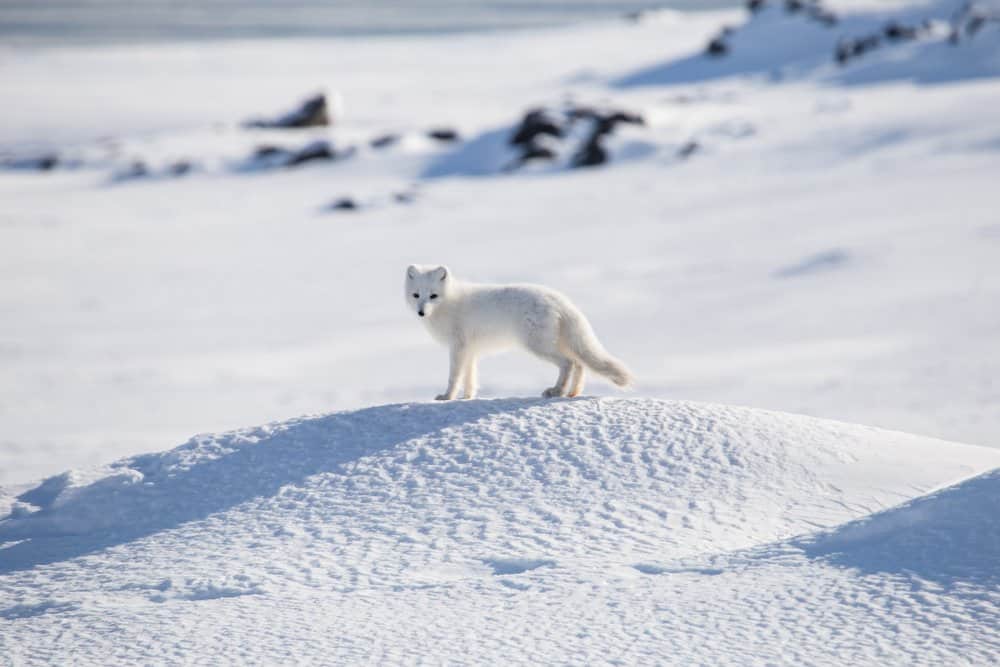
The Arctic fox has white fur in winter months to blend in with its surroundings.
©JoannaPerchaluk/Shutterstock.com
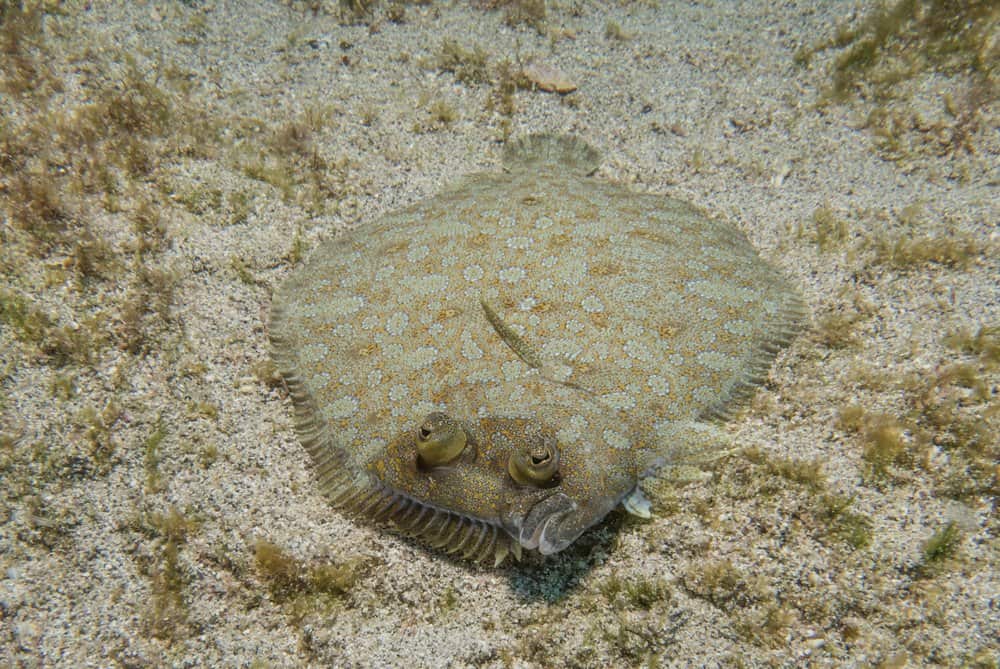
The flounder’s scales act as camouflage that makes it difficult for both predators and prey to detect it against the muddy or sandy ocean bottom.
©Becky Gill/Shutterstock.com
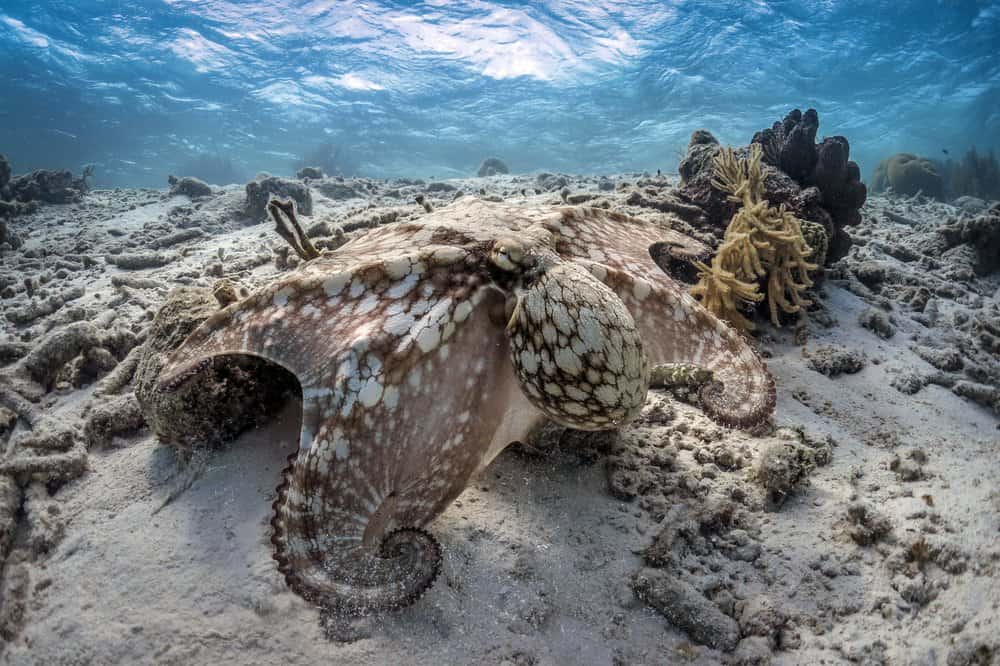
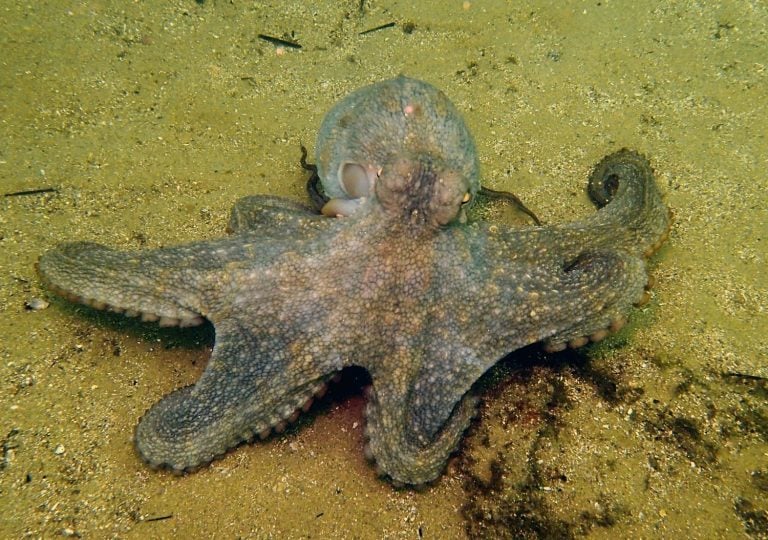
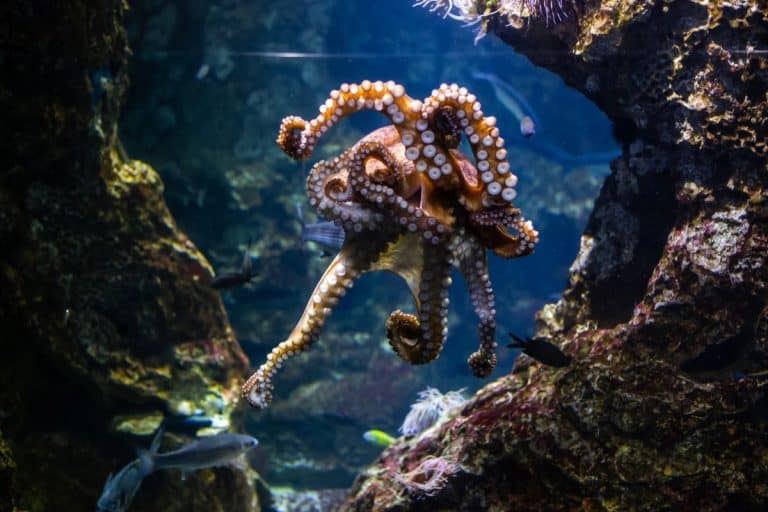
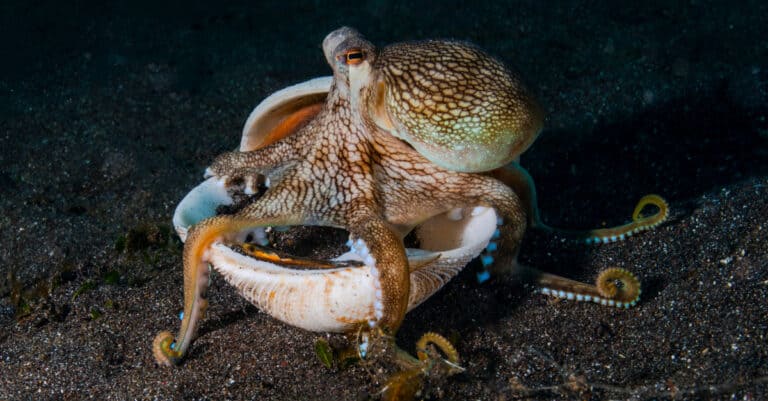
Octopuses can change the color of their skin as a common defense tactic that is used to help evade predators.
©NaturePhoto/Shutterstock.com
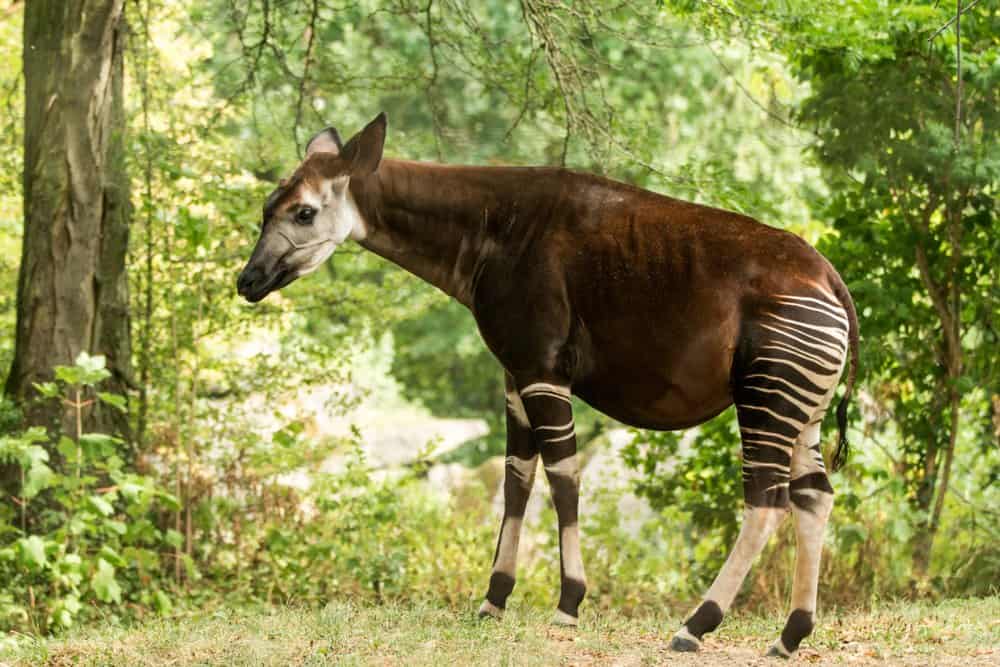
The Okapi’s coloration along with the horizontal, white striped markings on their hind quarters and legs provide it with excellent camouflage in the dense jungle.
©Jiri Hrebicek/Shutterstock.com
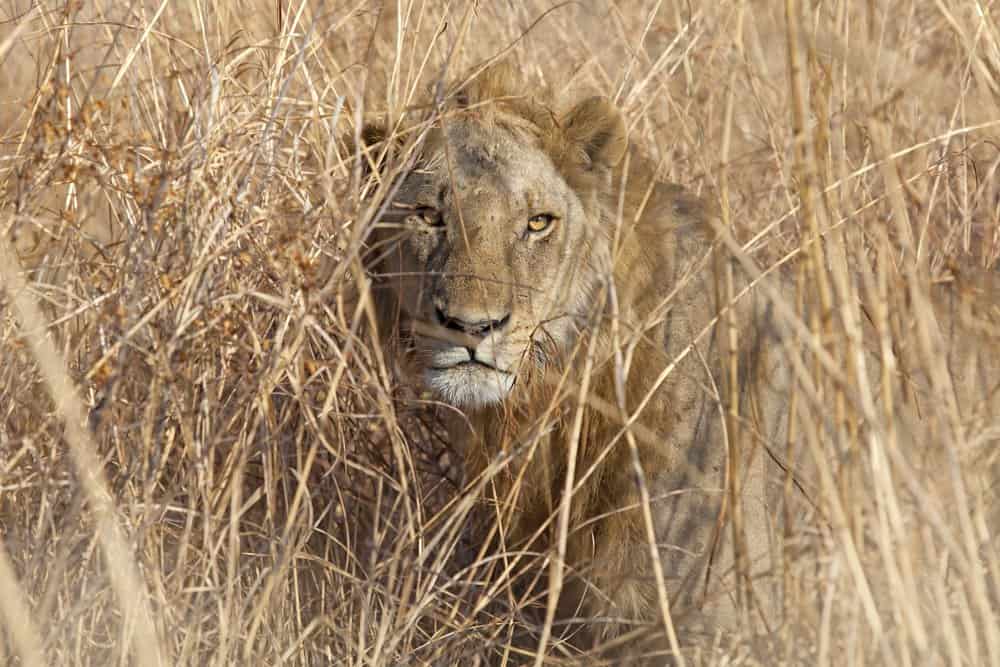
Lions have light markings on their coats which help them go unseen when stalking prey in long grass.
©Kjersti Joergensen/Shutterstock.com
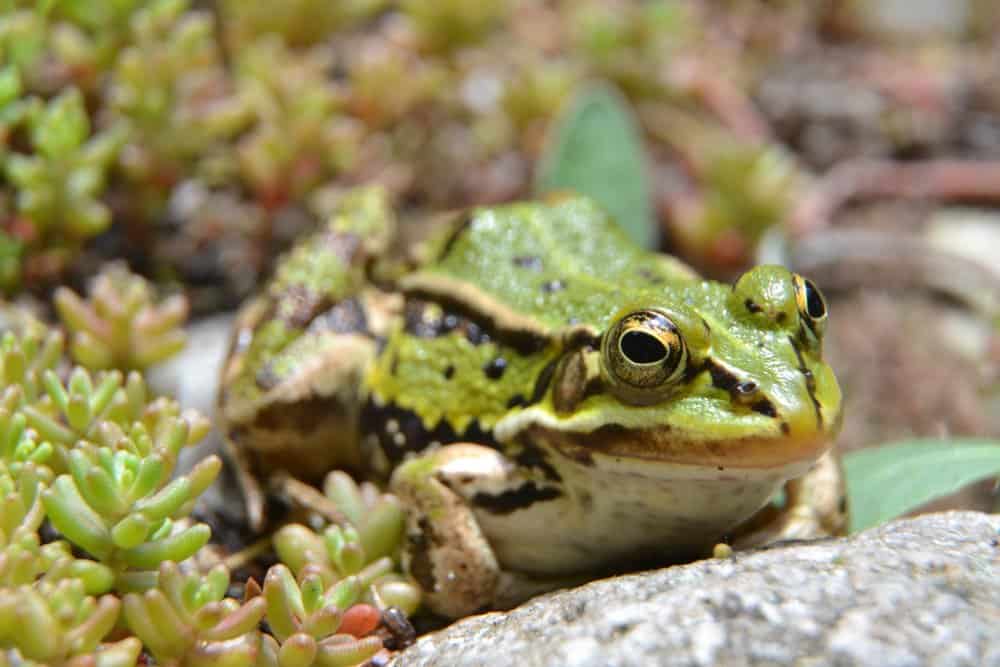
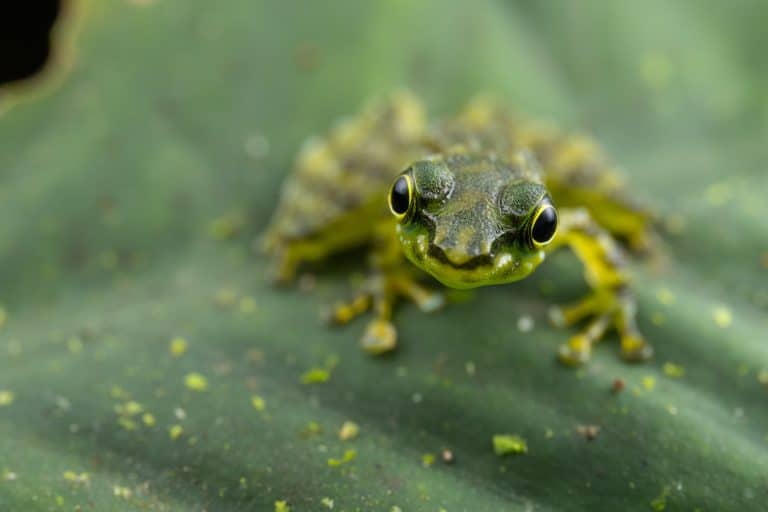
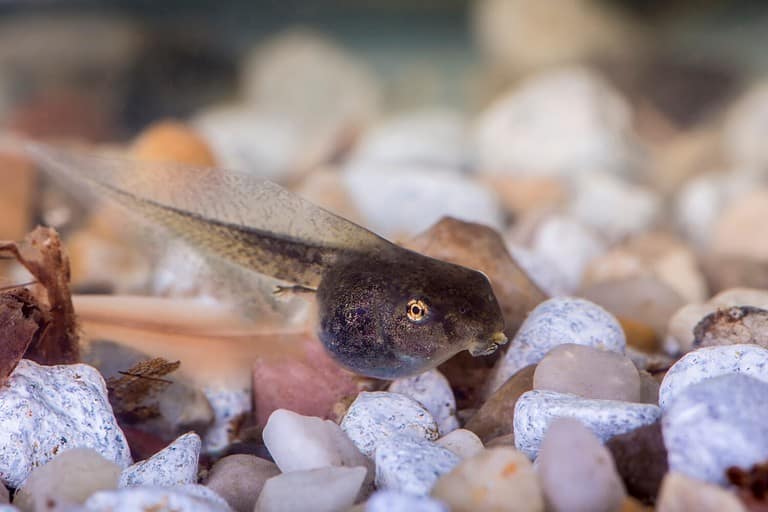
The pool frog’s camouflage colors allow it to blend in with the environment and evade hungry predators.
©PaulSat/Shutterstock.com
Summary
Here is a list of animals that are good at blending in:
| Number | Animal Name |
|---|---|
| 1 | Arctic Fox |
| 2 | Flounder Fish |
| 3 | Oktopus |
| 4 | Okapi |
| 5 | Lions |
| 6 | Pool Frog |

Leave a Reply