
Water Snakes Found in Lousiana
Snakes generally get a bad rap but they can be quite helpful to their natural environments and ecosystems. Louisiana has many bayous, marshlands, and swamps. All of these environments mean plenty of water. Rivers throughout the state carry water from all over the country to the Gulf of Mexico. The Mississippi River, one of the largest rivers in the United States, forms the eastern boundary of the state. Others include the Sabine River, which forms the western boundary of the state, and the Red River.
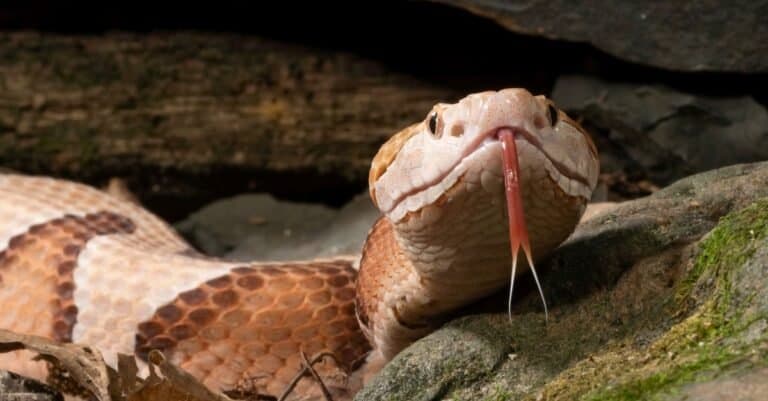
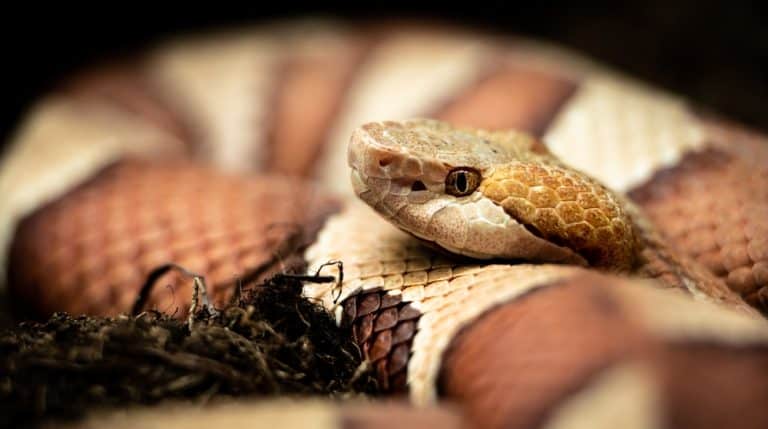
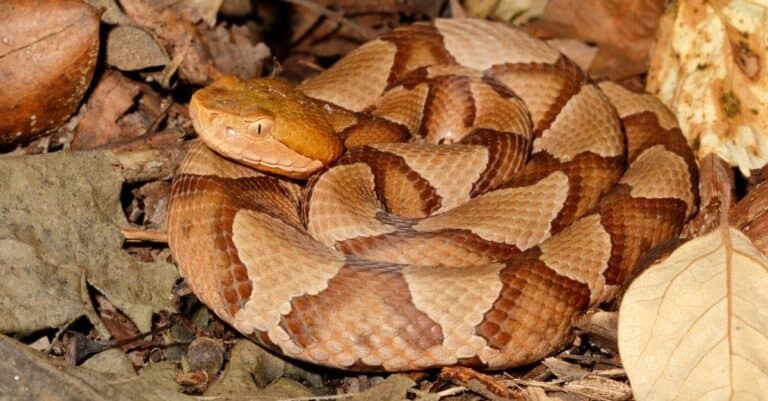
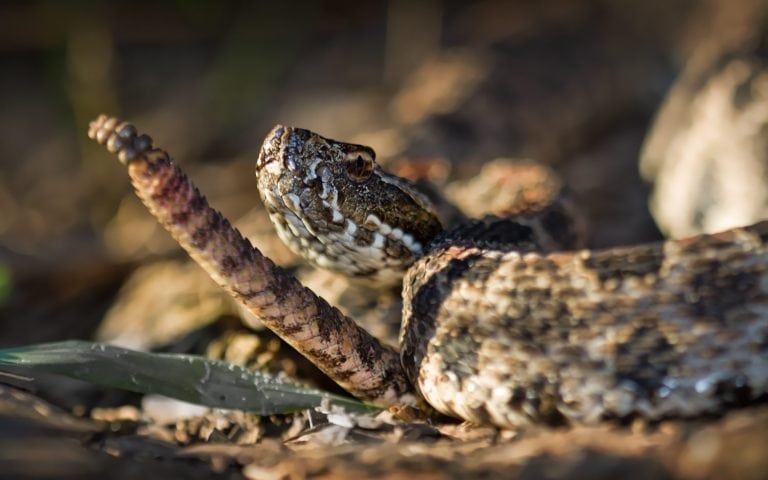
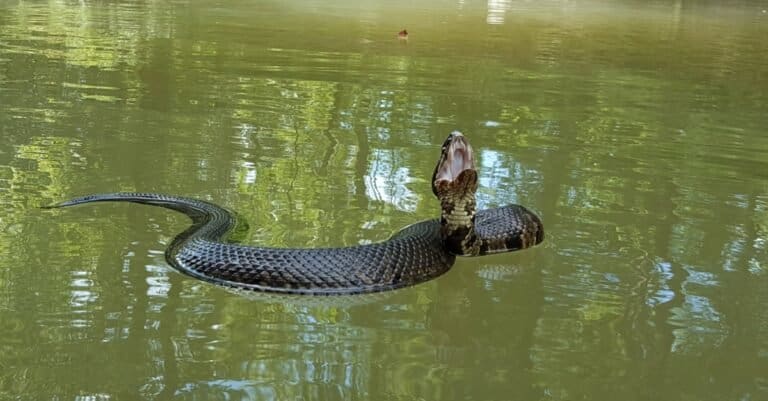
Snakes are plentiful in these areas, although most are not venomous. A snake does not need to live only in water to be considered a water snake. Many come out of the water to go on land as well as sun themselves on rocks sticking out of the water. Not all water snakes have the watersnake name as well. Some, including the venomous copperhead, live in rivers, lakes, and streams.
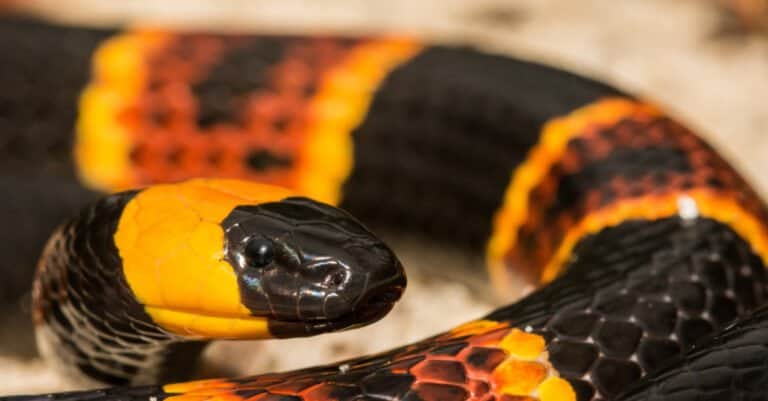
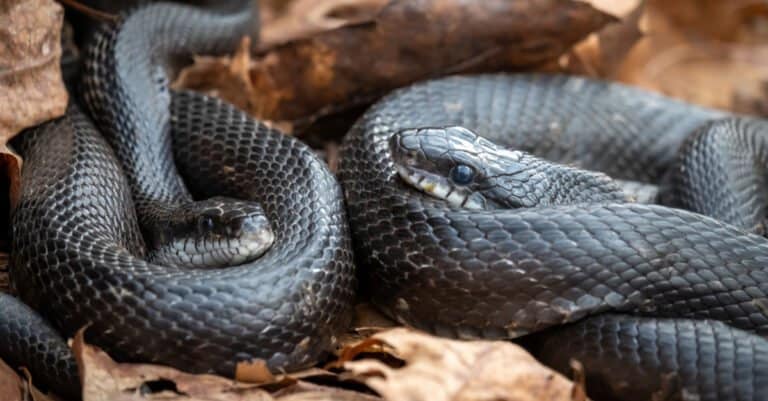
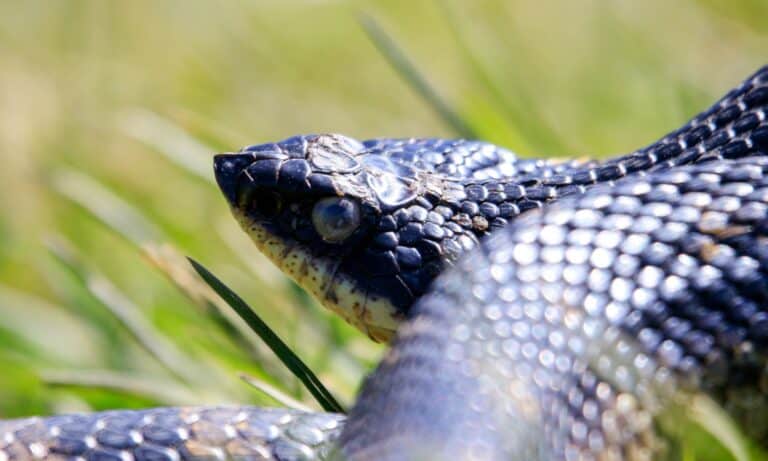
There are also non-venomous snakes that live in Louisiana. Some of these, including the Mississippi green watersnake, the plain-bellied watersnake, and the Southern watersnake like to live in water as their names suggest. Others, such as the Louisiana pine snake, Dekay’s brownsnake, and the common garter snake, can also swim. With so much water in Louisiana, it is the perfect place for snakes to thrive. There are also plenty of food sources, mostly small insects, fish, frogs, and tadpoles. Snakes will go where they can find food, which is often in rivers, streams, and bayous. They can also be found in the wetlands, swamps, and wooded areas near these rivers.
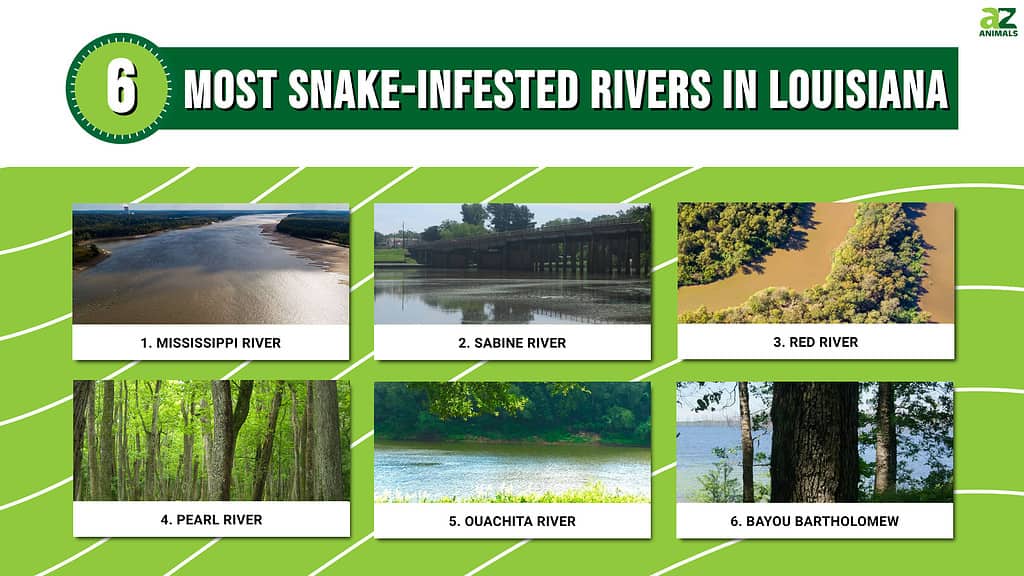
6 Most Snake-Infested Rivers in Louisiana
#1 Mississippi River
It should come as no surprise that the longest river in Louisiana is also home to many snakes. Not only is it one of the most snake-infested rivers in Louisiana, it holds the distinction of being on the list of the most snake-infested rivers in the United States as well. This river is 2,340 miles long and is home to many species of snakes. Some of the most notable include the Mississippi green watersnake, plain-bellied watersnake, and eastern copperhead.
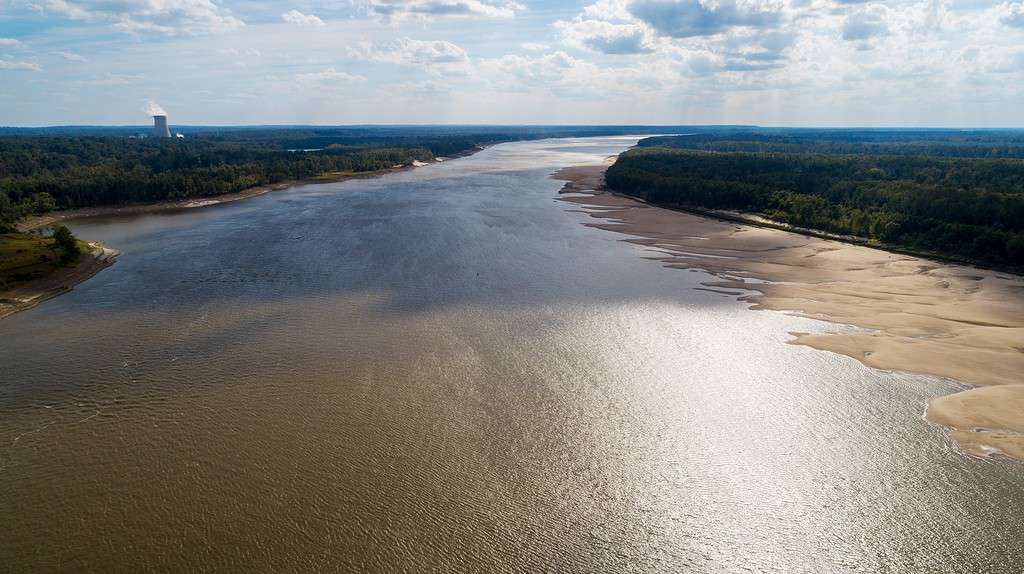
The Mississippi River flows past the Grand Gulf Nuclear Station.
©Justin Wilkens/Shutterstock.com
#2 Sabine River
This river is located on the western side of Louisiana and creates the border between Louisiana and Texas. It goes through a lot of bayou and wetlands, where snakes are plentiful. Many, including the copperhead and cottonmouth, live in this region. The Louisiana pine snake also calls many areas of the state home and is unique to this part of the United States.
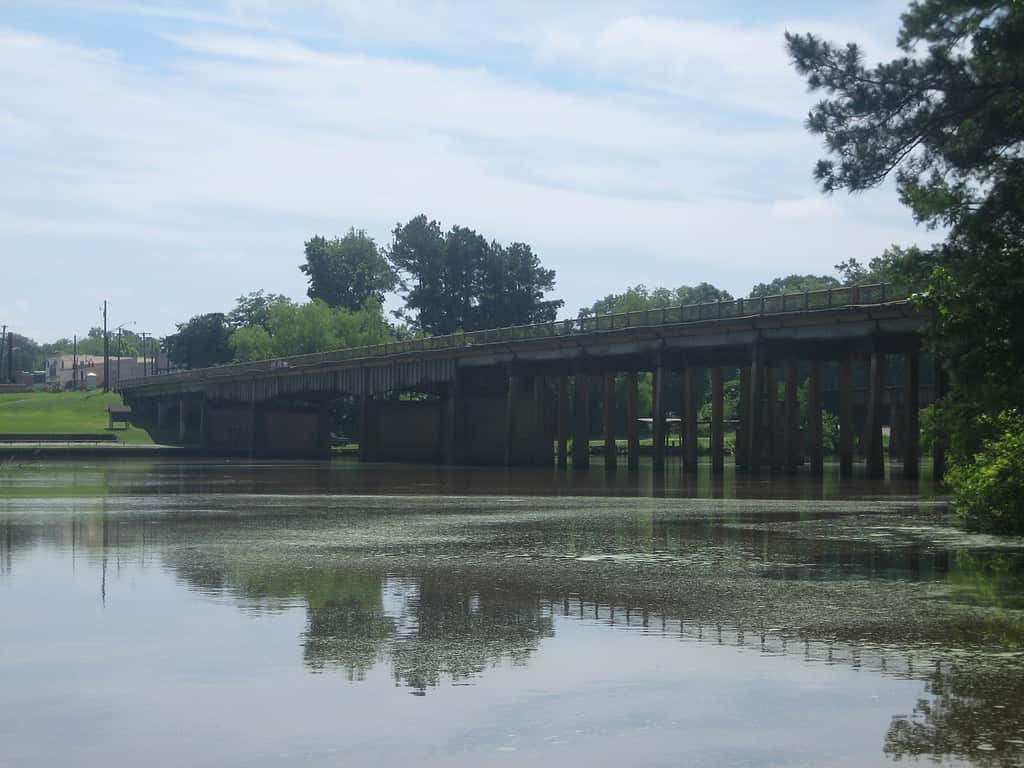
Lousiana pine snakes are plentiful throughout the state and in the Sabine River.
©Billy Hathorn at en.wikipedia, CC BY-SA 3.0 – Original / License
#3 Red River
Red sediment gives this river its name and makes it a great place for snakes to go unseen. Cottonmouths are particularly dangerous in this river because it can be hard to spot them before they are already disturbed and about to bite. Generally, snakes are not aggressive unless they feel threatened. This can happen when people disturb a snake’s territory.
This river flows through the central part of Louisiana. The Red River National Wildlife Refuge is near Shreveport, LA and offers plenty of ways to see native wildlife in their natural habitat. But don’t think that snakes and other animals are confined to the refuge. Snakes including venomous copperheads as well as non-threatening species like kingsnakes and watersnakes are plentiful in this river.
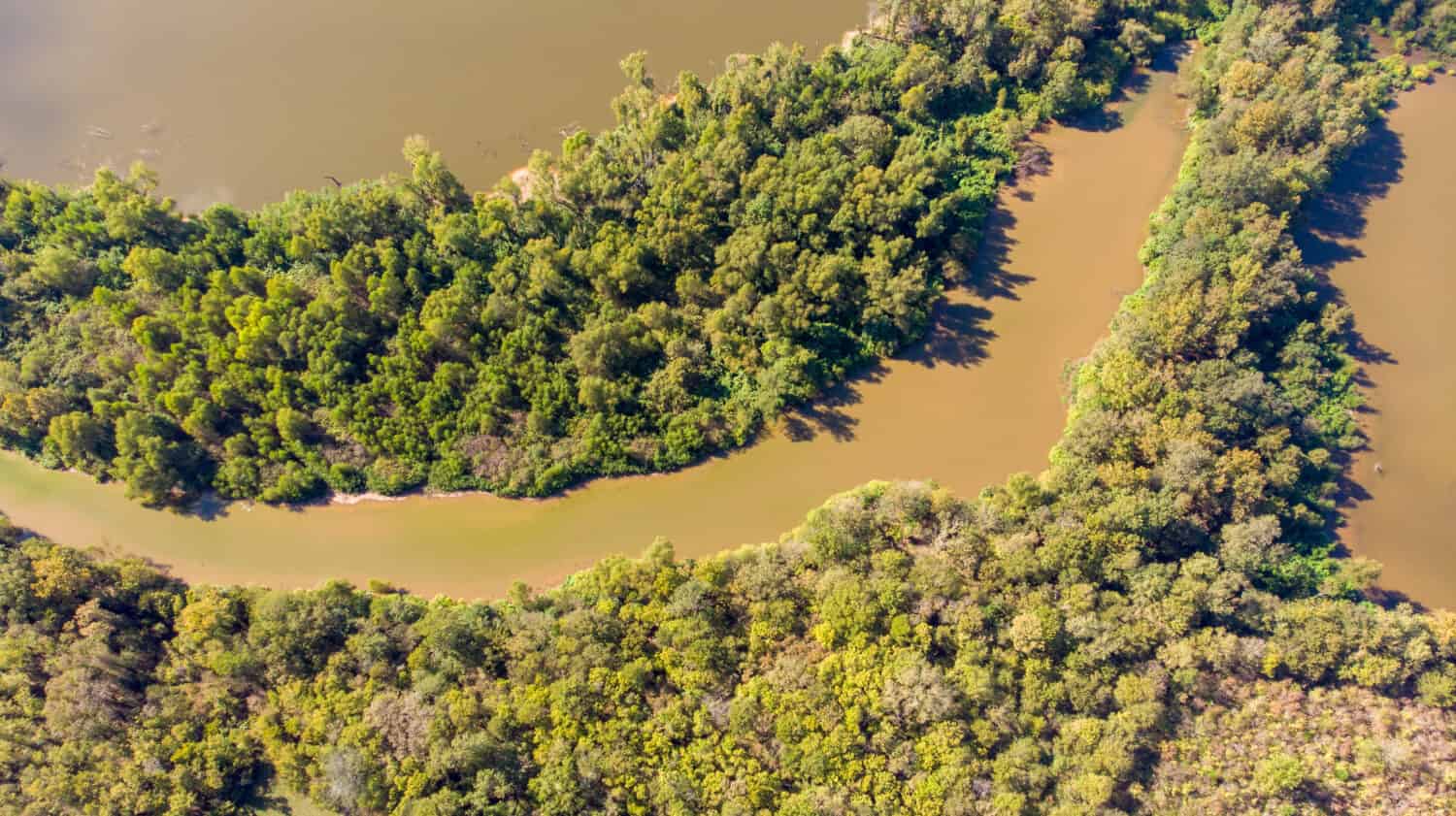
The Red River is named for its red, muddy color.
©Oleksandr Druziuk/Shutterstock.com
#4 Pearl River
This river is notable not just for its snakes but also for other species of wildlife that live there. Snakes in the Pearl River can include watersnakes, garter snakes, and pine snakes. The venomous copperhead and cottonmouths can also be found in this river.
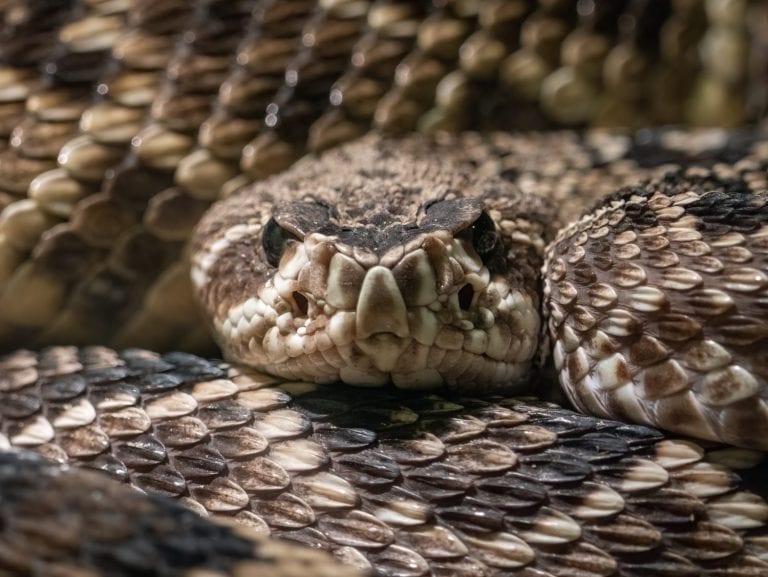
There are a lot of streams and swamps along the Pearl River. These offer great places to observe wildlife or go hunting or fishing. The Pearl River and the Pearl River Wildlife Management Area are both prone to flooding, which can result in snakes and other animals unexpectedly having access to smaller streams, ponds, and lakes nearby. You should always follow recommendations for safety and be ready to recognize common snake species. The most common venomous snakes include the copperhead and cottonmouth, as well as some species of rattlesnakes.
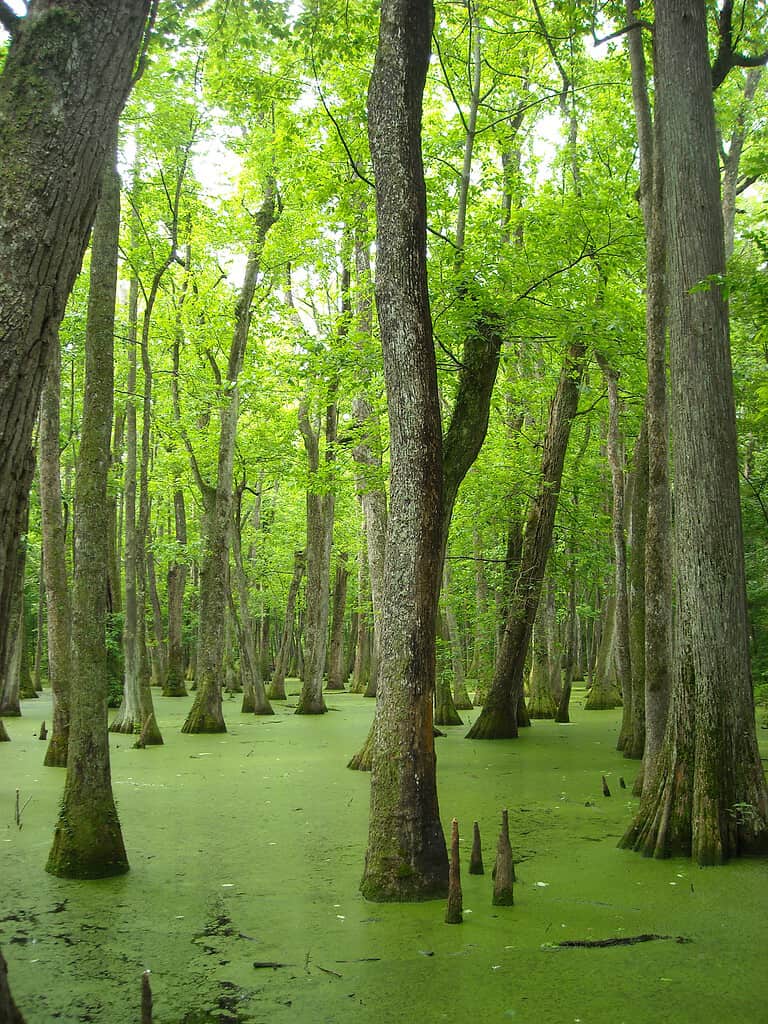
Snakes around the Pearl River can include watersnakes, garter snakes, pine snakes, and the venomous copperhead and cottonmouth.
#5 Ouachita River
This river passes through Arkansas and Louisiana on its way to the Gulf of Mexico. It connects to the Black River, the Red River, and finally the Mississippi before making its way to the Gulf. It is roughly 600 miles long. It has numerous locks and dams, which can impact the ability of wildlife to swim freely in its waters. However, major portions of the Ouachita River are surrounded by wetlands and bayous, two environments where snakes are plentiful in Louisiana.
Western ribbon snakes are common in this river and throughout Louisiana. They eat aquatic prey, including small fish and tadpoles. Like other animals, these snakes live where their food is plentiful, including in many of Louisiana’s rivers.
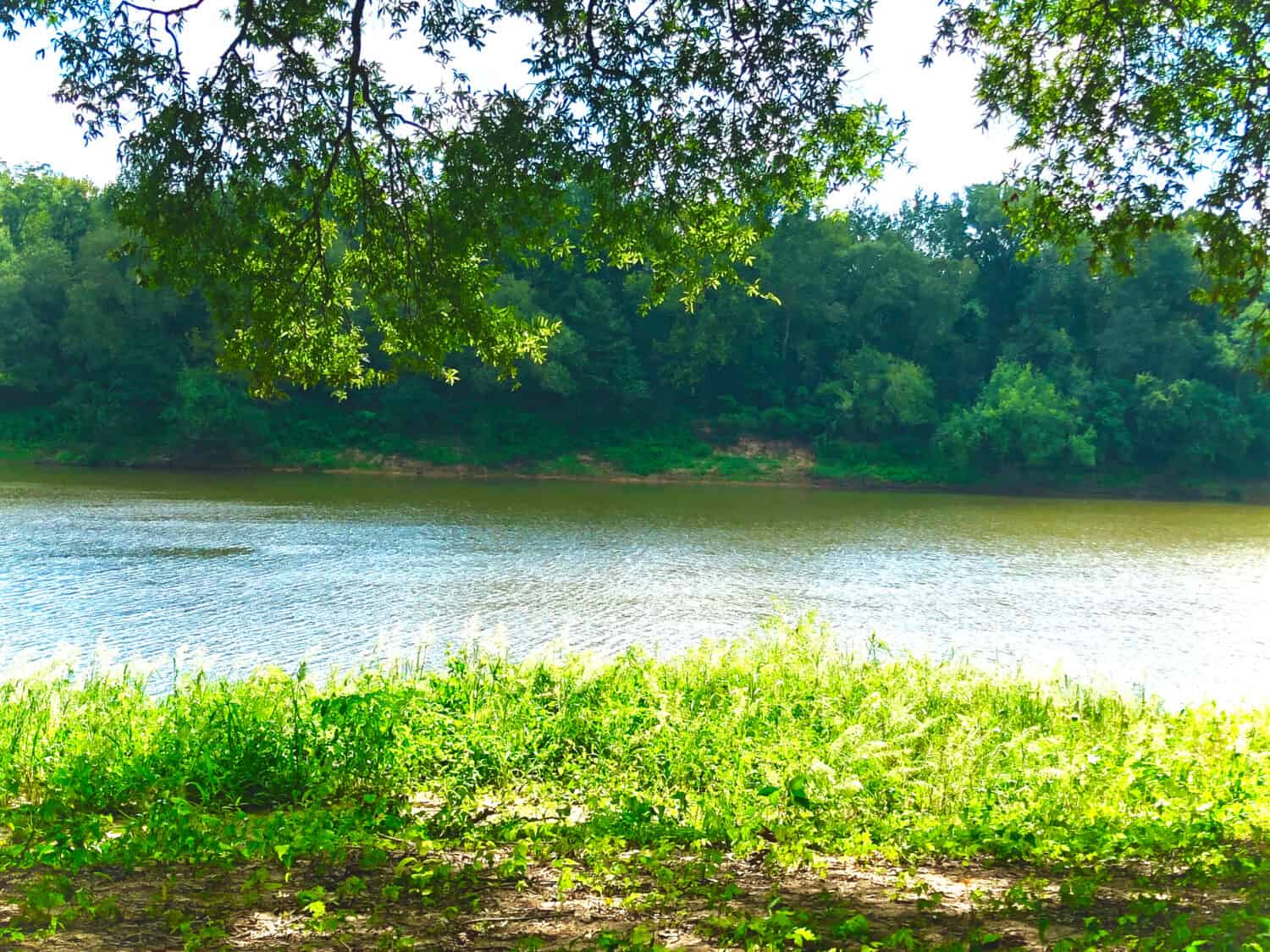
The Ouachita River runs through Arkansas and Louisiana.
©Joshuad01/Shutterstock.com
#6 Bayou Bartholomew
While not technically a river, the Bayou Bartholomew shares a lot of common snake residents with many of the rivers in Louisiana and deserves mention on our list. A bayou is a stagnant body of water, while a river moves. Bayous can connect to rivers, such as in the case of the Bayou Bartholomew which connects to the Ouachita River. Many of the snakes found in the river are also in the bayou.
Portions of the Bayou Bartholomew are quite polluted, resulting in fewer wildlife species. It is the longest bayou in the world at 375 miles long. The majority of the bayou is located in Arkansas, which has taken the lead on conservation.

Views of bayous in Louisiana often come with plenty of wooden areas.
©jaimie tuchman/Shutterstock.com
Summary of the Most Snake-Infested Rivers in Louisiana
| Number | River | Location |
|---|---|---|
| 1 | Mississippi River | Western border of the state |
| 2 | Sabine River | Western border of state |
| 3 | Red River | Southern part of the state |
| 4 | Pearl River | Southern part of state |
| 5 | Ouachita River | Northern part of the state |
| 6 | Bayou Bartholomew | Northern part of state |
Other Animals Found in Louisiana
Louisiana is home to many species of animals, especially those that love the water. With so many swamps, marshes, creeks, rivers, and bayous, there is no shortage of fresh, brackish, and even salt water. Alligators are a common sight, particularly in swampy, marshy areas and bayous. You should always be on guard for alligators nearby when you are by the water. Turtles and fish are also plentiful and Louisiana has some great sport fishing.
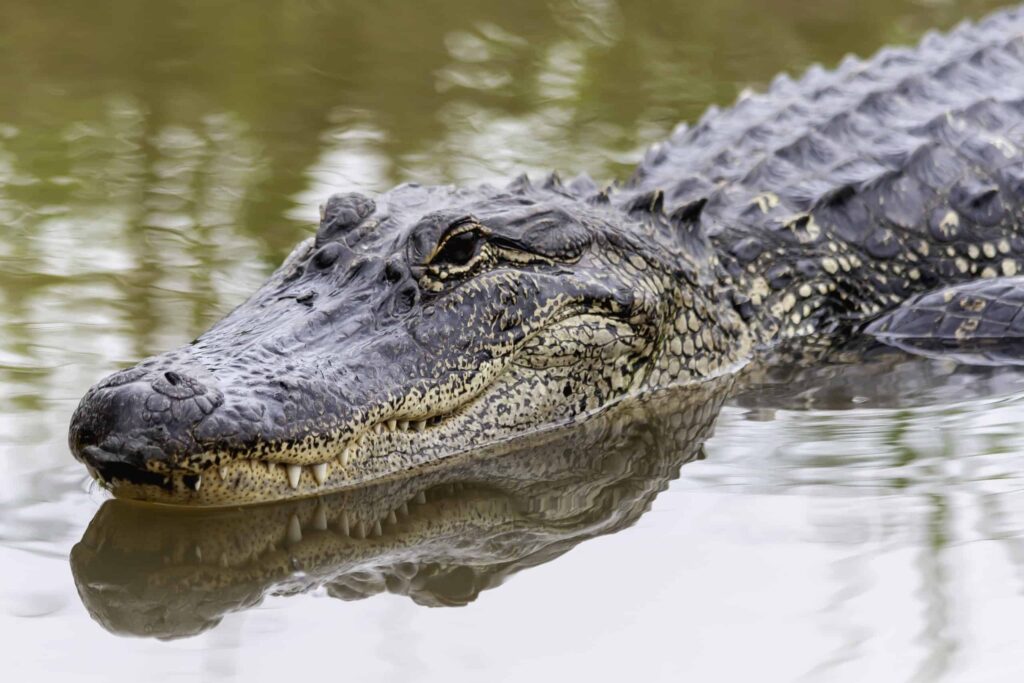
Alligators are dangerous and inhabit many southern U.S. waters.
©iStock.com/Cindy Larson
On land, the Louisiana Black Bear is a unique species in the area. Gray foxes, owls, white-tailed deer, and bobcats live in the wooden parts of Louisiana. The state bird, the brown pelican, was considered endangered in 1970 but has since made a comeback. For a state that has seen its share of devastating hurricanes, dangerous oil spills, and other challenges, this is a strong symbol that represents the spirit of Louisiana.