
Quick Take
- Humans are told to cool down when sick. Some animals do the opposite, and it saves their lives.
- Researchers expected one group of animals to avoid this strategy because of a serious risk. They were wrong.
- Where an animal lives may decide how well it fights infection, and the reason isn't what you'd guess.
- Not every germ triggers this response. The type of invader matters more than you'd expect.
Back in the day, people were told to sweat out their fevers in an effort to kill the bacteria or viruses making them ill. Over time, it was determined that deliberately overheating the body could do more harm than good.
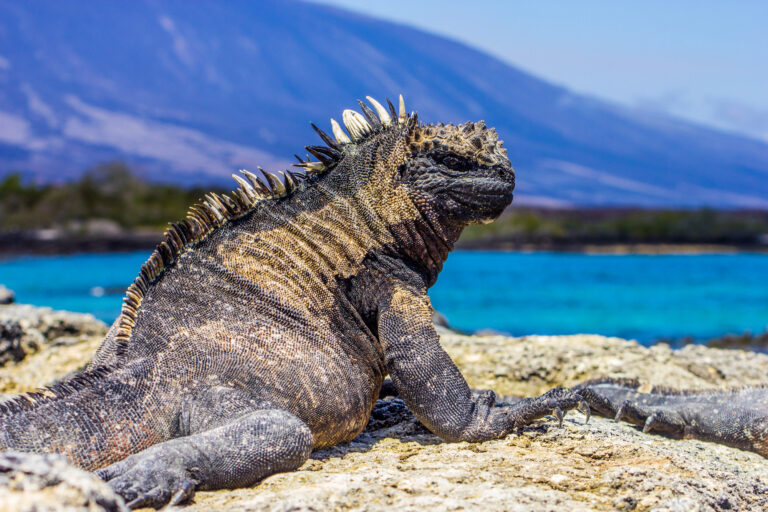
Interestingly, sick amphibians and reptiles often seek warmer environments to trigger fevers. Unlike humans, these animals generally rely on external sources of heat to elevate their body temperature.
Sick Amphibians and Reptiles Practice Behavioral Fever
When amphibians and reptiles battle a bacterial infection, they move to warmer areas of their habitat that help raise their body temperature. The process is known as behavioral fever.
According to a new study published in Proceedings of the Royal Society B: Biological Sciences, amphibians and reptiles intentionally raise their body temperature when battling a bacterial infection to trigger a stronger immune response.
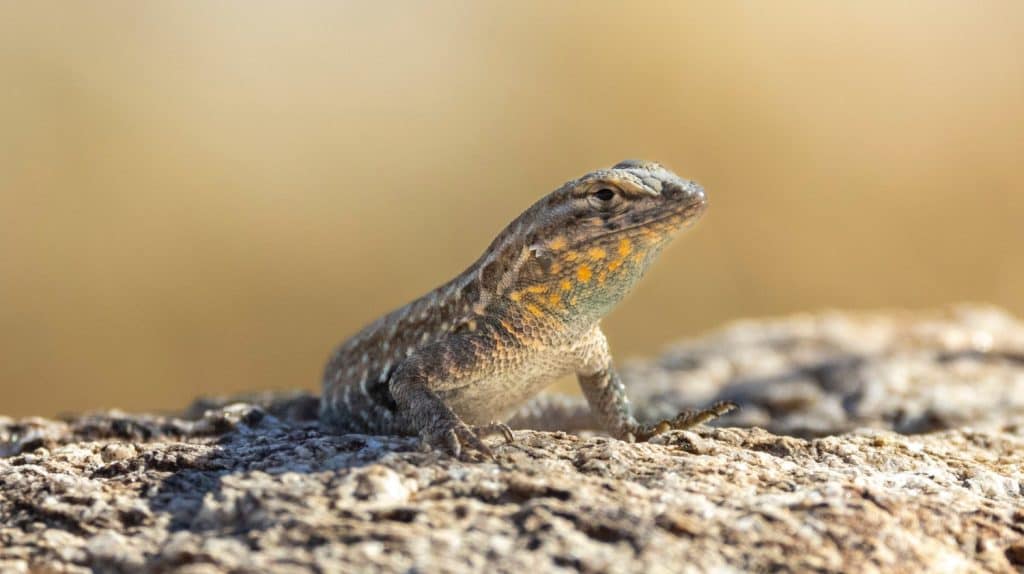
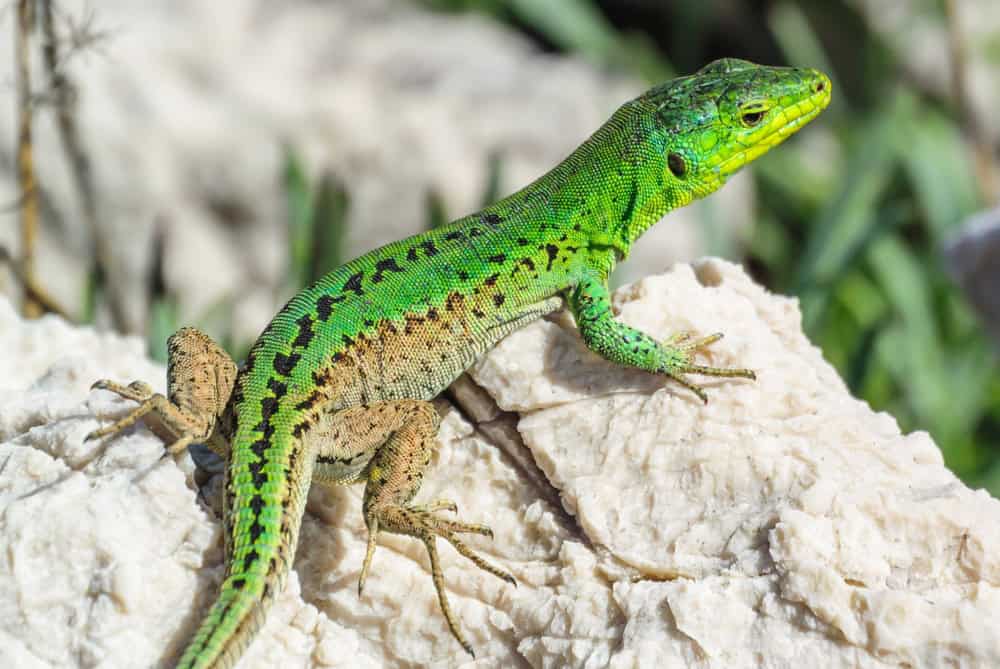
Sick lizards and amphibians may increase their body temperature to fight infection.
©ROBERT ENRIQUEZ/Shutterstock.com
The study, conducted by researchers from the University of São Paulo and São Paulo State University and headed by Danilo Giacometti, “aimed at understanding how immune challenges influenced the thermal biology of amphibians and reptiles.”
“… Species that have evolved in variable climates typically display an enhanced ability to use thermal resources in favor of behavioral thermoregulation,” Giacometti explained in a Phys.org article. “However, we added a layer of complexity by comparing amphibians vs. reptiles, which differ dramatically in terms of thermal biology, mainly because amphibians have really thin skin that is prone to dehydration under warming conditions.”
The results indicated that both amphibians and reptiles increased their body temperatures when battling infection. However, the researchers found more convincing evidence of behavioral fever among amphibians.
What Causes Infection in Amphibians and Reptiles?
There are several types of bacterial infections that can cause reptiles and amphibians in the wild to become ill. However, the most common are opportunistic bacterial infections, which stem from bacteria found in the animal’s habitat.
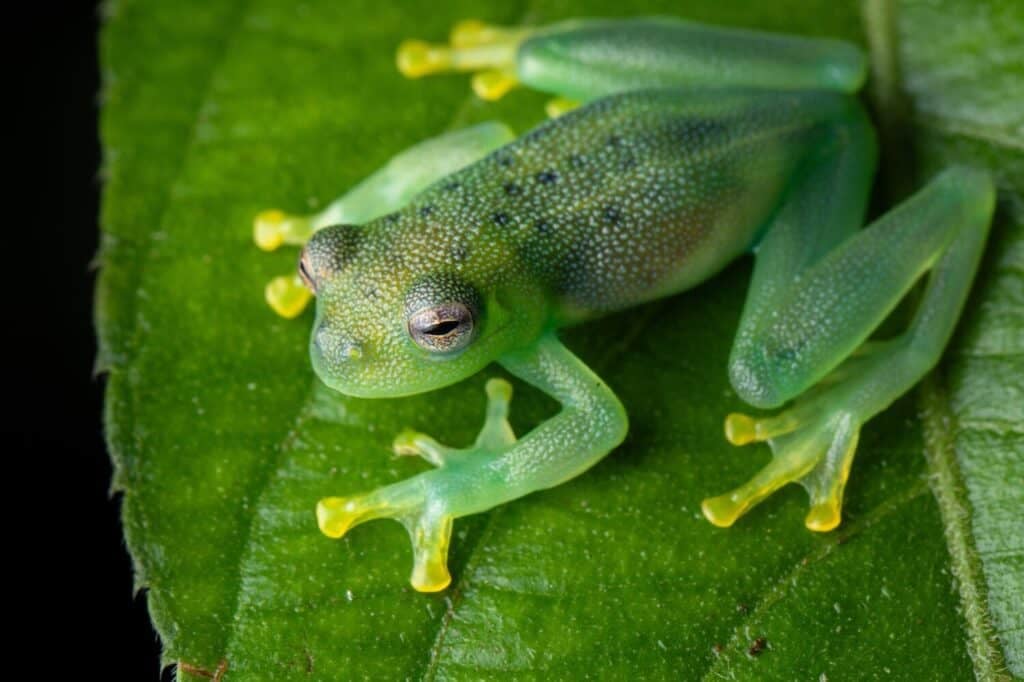
Lizards and amphibians tend to battle bacterial infections, such as Salmonella and Mycobacterium, among others.
©Kevin Venegas Barrantes/Shutterstock.com
The bacteria known to cause infection in wild reptiles and amphibians include:
- Aeromonas hydrophila
- Pseudomonas aeruginosa
- Salmonella
- Mycobacterium
Opportunistic infections can develop when there is injury, habitat hazards, malnutrition, skin damage, or overcrowding. This is when amphibians and reptiles seek out warmer regions of their environment to increase body temperature to support immune function or inhibit pathogen growth.
How Researchers Determined Amphibians and Reptiles Raise Their Body Temperatures to Fight Fever
To determine that both amphibians and reptiles behaviorally raised their body temperatures by seeking out warmer areas within their habitat, researchers compiled 47 studies in which the habits of ill and healthy animals were observed. In total, 49 different species of reptiles and amphibians were included in the new study.
Animals in previous studies were observed both in the wild and in a controlled environment. For those in the wild, the new study examined climate records for locations where the reptiles or amphibians were collected. This was to test whether larger swings in daytime-to-nighttime temperatures influenced the magnitude of the fever response.
Researchers compiled data from 47 previous studies, in which 49 species were observed, to determine whether reptiles and amphibians exhibit behavioral fever.
©Simlinger/Shutterstock.com
Not only were researchers able to determine that behavioral fever was experienced by both amphibians and reptiles, but they also found that seeking out warmer areas of their habitat was most often attributed to being infected by bacterial rather than viral or fungal infections.
What was not explored was whether fever increased survival.
Sick Amphibians Seeking Out Heat Came As a Surprise
Previous studies have shown that ill lizards travel to warmer locations to raise their body temperature. Earlier experiments suggested behavioral fever could contribute to the development of immunity.
“Seminal work in lizards suggested that the ability to seek warmer temperatures (i.e., display behavioral fever) had an adaptive value that could not only help individuals fend off infections,” Giacometti said in a press release, “but could even help them become immune to them.”

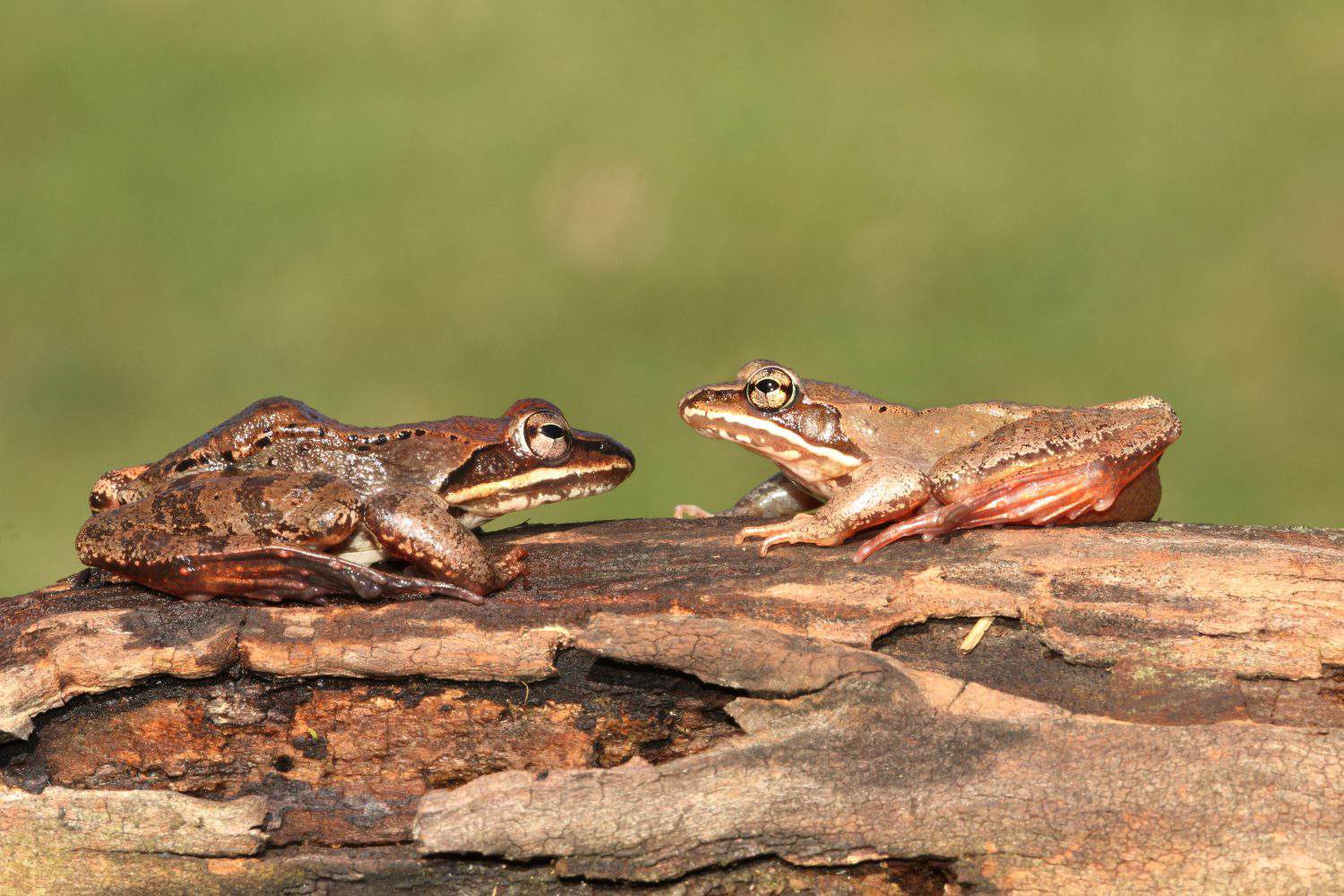
Researchers were surprised to learn that amphibians exhibit behavioral fever, given the belief that doing so would cause them to dehydrate.
©David A Litman/Shutterstock.com
Though behavioral fever in amphibians was already documented, what surprised researchers was how strongly the findings supported it relative to reptiles. This finding was not expected, as researchers believed that the risk of dehydration would be too great for amphibians to risk increasing their body temperature to battle infection.
“We posited that amphibians would avoid raising their body temperatures when infected,” Giacometti explained, “primarily to avoid dehydrating conditions.”
However, the reward may outweigh the risk if amphibians are willing to engage in the behavior.
Animals From More Variable Climates Develop Stronger Behavioral Fevers
Interestingly, researchers discovered that the climate in which amphibians and reptiles evolved may influence their ability to develop behavioral fevers. Animals from regions with larger differences between daytime and nighttime temperatures exhibited greater increases in body temperature in response to immune challenges than those from more thermally stable environments.

Lizards and amphibians that live in habitats with larger temperature swings demonstrated greater capacity to elevate their body temperatures in response to immune challenges.
©RENA MICHAEL/Shutterstock.com
“We found that animals from more variable climates had an enhanced capacity to raise their body temperatures,” Giacometti explained in a press release. “This result highlights the importance of preserving thermal heterogeneity, as animals that can explore different thermal resources may be better equipped to deal with immune challenges than those that live in thermally stable habitats.”
These findings highlight the potential importance of habitats that offer amphibians and reptiles access to a variety of temperatures. While researchers have yet to determine whether stronger behavioral fevers translate into faster recovery or greater survival rates, the findings suggest that environmental conditions may play an important role in how these animals respond to illness.