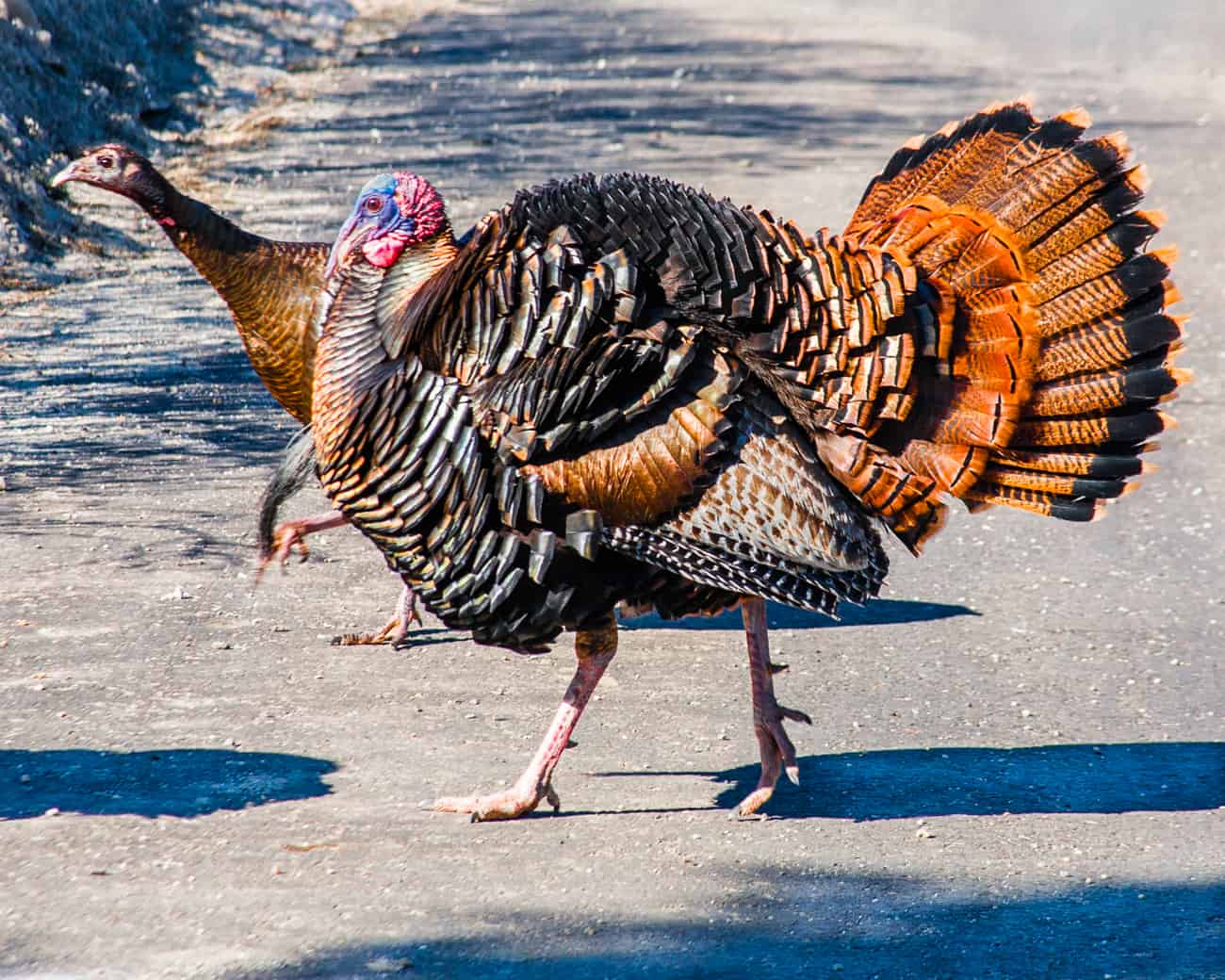

Once upon a time, there were very few turkeys in Alabama. In fact, much of the southeast United States had a dwindling turkey population. However, thanks to conservation efforts, turkeys are now more plentiful in the state, and turkey hunting in Alabama is once again a popular activity.
Today, you can enjoy turkey hunting in Alabama with the proper licenses. However, you must follow the proper regulations, such as timing and bag limits. We’ll take a look at these regulations below.
Turkey Season Timing in Alabama
In Alabama, there are two turkey seasons in some areas: spring and fall. However, the spring season is when the vast majority of turkeys are taken, and the fall season is only available in some areas. Luckily, the spring season is very long – one of the longest in the country.
Mostly, Alabama is divided into three zones. However, these zones aren’t continuous and are better described as “types” of counties. Zone 1 and 3 have the longest spring season, stretching from the end of March until May. The other two seasons have a delayed start of a few weeks.
Zone 3 also allows hunting during certain days of November and December.
License Requirements and Costs
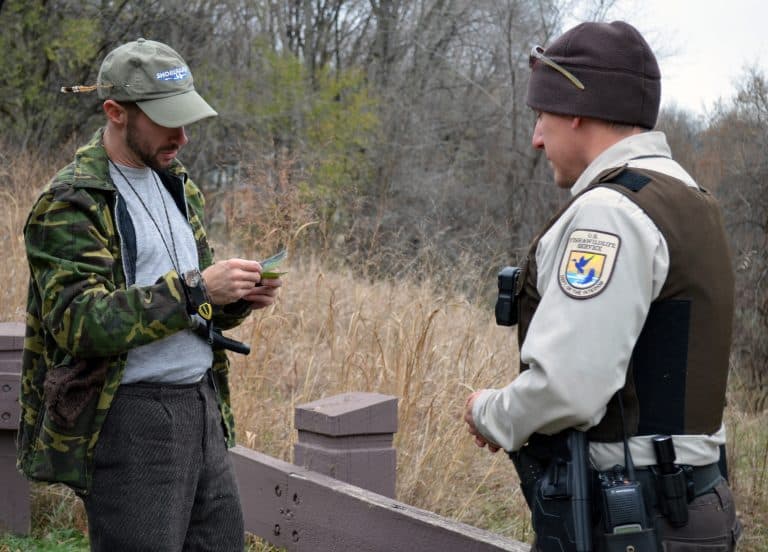
You must have several licenses and other paperwork to hunt turkeys in Alabama. Any game hunting license works. Residents can purchase a license for cheaper than a non-resident. However, you must live in Alabama officially, and your license must have your current address on it.
Be sure you bring your license with the proper address with you when purchasing a license.
Resident landowners and immediate family may hunt on their property without purchasing a license. However, to hunt elsewhere, you need a license.
Alabama residents over 65 years of age do not have to purchase a license to hunt turkey. They are exempt completely. There are also other exemptions, such as youth under 16 years of age.
Most hunters need to take a hunter education program before purchasing a license. You can take this course as young of 10 years of age. It is recommended that you complete the course as early as possible, though you don’t need to until 16 (when you must purchase a license).
Turkey Bag Limits in Alabama
Each area can have its own bag limits. Therefore, if you’re heading to a new area, be sure to check the bag limits. WMAs often have their own regulations regarding what birds you can take – on top of the state-wide regulations.
Generally, you’re allowed to harvest a total of four turkeys, but you may only take one a day. These turkeys can be harvested during the spring or fall season. Each season does not have its own bag limit.
You may only harvest gobblers in Georgia. Unlike other states, you may not take hens or young males.
Other Important Regulations
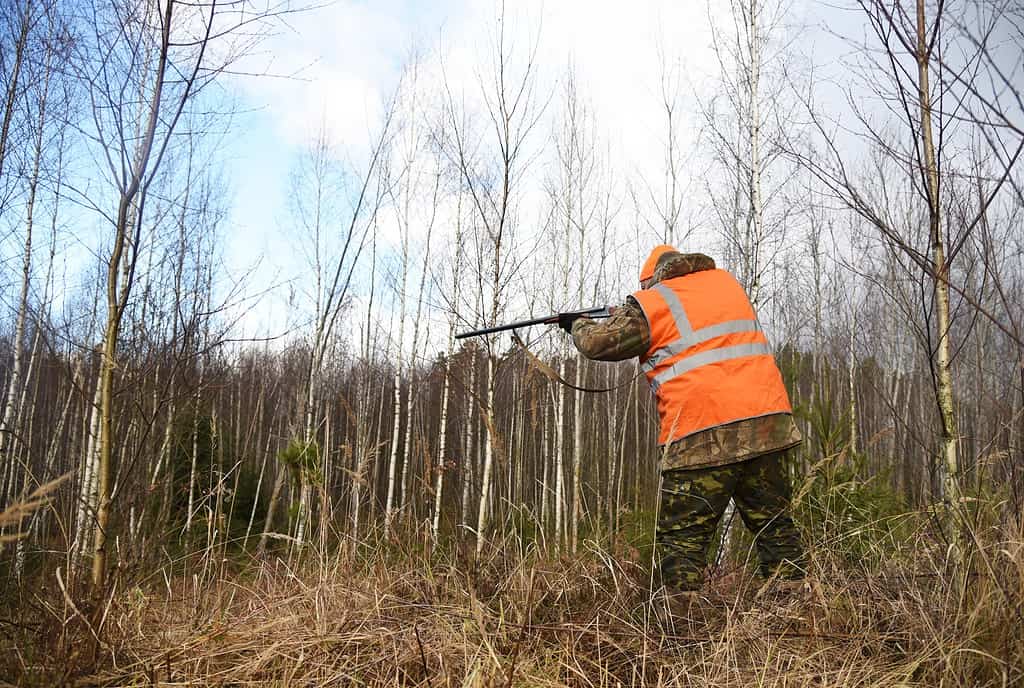
Turkey hunting in Alabama requires that you follow several regulations and guidelines.
©Maksim Safaniuk/Shutterstock.com
There are also other important regulations you need to keep in mind. Turkey decoys are not allowed during the first 10 days of the spring season. Furthermore, mechanical turkey decoys are never allowed. You cannot use a turkey decoy that has mechanical or electric parts that move part of the decoy or make noises.
This includes turkey decoys that are mounted to remote-controlled cars and driven around. Mounting a turkey decoy directly to the barrel of a shotgun to wave it around is also illegal, as it counts as “mechanical manipulation”.
That said, conventional non-mechanical and non-electronic turkey decoys are accepted and legal.
Popular Places to Hunt Turkey in Alabama
There are many places you can hunt turkey in Alabama. Some of the most popular include:
1. Bankhead National Forest
This is the largest national forest in Alabama, offering a wide variety of turkey habitats. You’ll find hardwood forests and pine forests, as well as several open areas. The national forest is heavily managed, which often means that hunting there is very efficient.
2. Talladega National Forest
This forest is known for its rugged terrain. Therefore, it is a great place for those who want a bit of a challenge (or less competition). It is home to many wildlife species, including turkey.
3. Conecuh National Forest
Conecuh National Forest is located in the southeastern corner of Alabama. If you live in that area, it may be a great place to try turkey hunting. It isn’t quite as popular as other areas, but it can still make a good turkey hunting spot if you do the proper scouting.
4. Freedom Hills Wildlife Management Area
This WMA is located in the very northeast corner of Alabama. It provides a range of habitats, including forests and fields. Therefore, it is often a popular place for turkeys and provides the opportunity for productive turkey hunting.
5. Black Warrior Wildlife Management Area
This WMA is located in the west-central part of Alabama and is known for its abundant turkey population. It is also located away from many of the other places on this list, making it a good choice for those who live in the area and don’t want to travel far.
6. Coon Gulf Wildlife Management Area
Like most other WMAs on this list, this area provides a variety of habitats that often draw in turkeys. However, each management area can have its own regulations and requirements, so be sure that you can hunt here before you head out.