
Quick Take
- West Virginia is part of the Atlantic Flyway, providing a critical stopover in the Appalachians for migrating birds.
- There are over 350 bird species recorded in West Virginia, with at least 170 breeding species.
- Some of the most unique destinations include Cranberry Glades Botanical Area and Cranesville Swamp.
Although West Virginia’s terrain may not be as diverse as that of other states, its mountainous habitats offer ample opportunities for birders to observe a wide variety of migratory and resident birds. The state is part of the Atlantic Flyway, providing a critical stopover in the Appalachians for waterfowl, shorebirds, and songbirds migrating north and south through the region each year. There are over 350 bird species recorded in West Virginia, with at least 170 breeding species. Read on to discover some of West Virginia’s top birding destinations.
Beech Fork State Park
Located in southwestern West Virginia, Beech Fork State Park is a popular spot for hiking and camping, as well as bird watching. The park encompasses 3,144 acres, centered around the 720-acre Beech Fork Lake. The state park is an Audubon Important Bird Area due to the variety of birds that nest in the surrounding woodlands. Spring is considered the best time to spot migrating warblers and breeding resident birds.
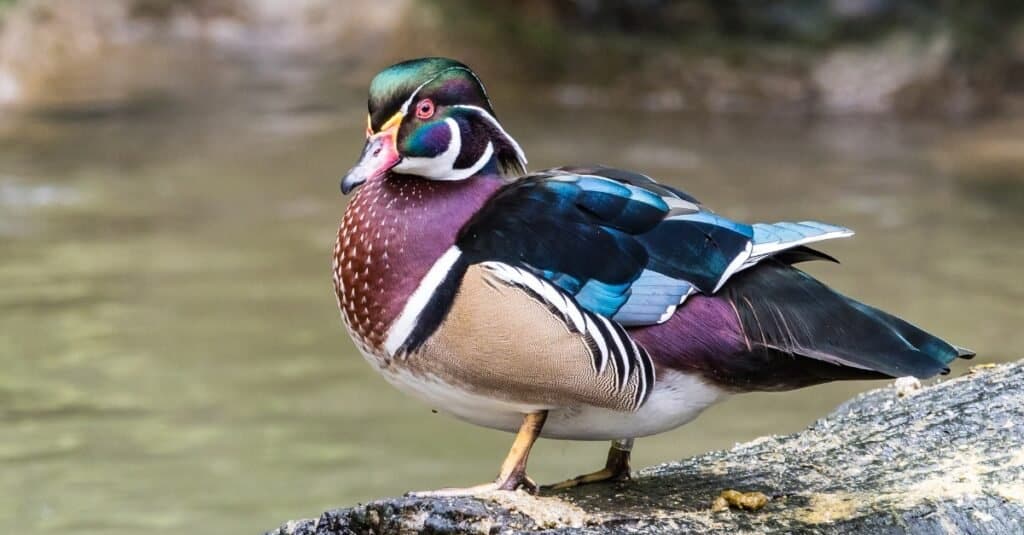
Wood ducks are colorful waterfowl that can commonly be seen in Beech Fork State Park.
©Rudolf Ernst/Shutterstock.com
Some of the birds you may encounter in Beech Fork State Park include:
- Hooded warbler
- Ovenbird
- Wood duck
- Louisiana waterthrush
- Scarlet tanager
- Yellow-throated warbler
- Red-headed woodpecker
- Broad-winged hawk
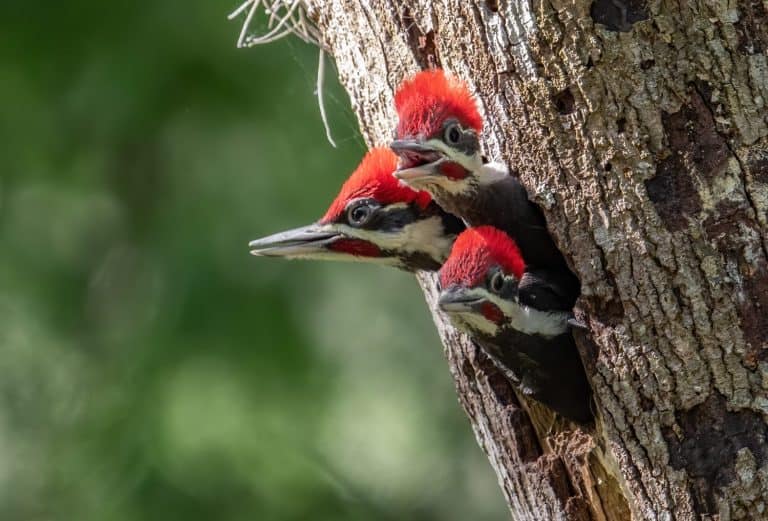
- Pileated woodpecker
- Eastern whip-poor-will
- Wood thrush
- Kentucky Warbler
Cranberry Glades Botanical Area
The 750-acre Cranberry Glades Botanical Area is located in the Monongahela National Forest. This botanical area offers unique birding habitats, including acidic bogs, shrub zones, wetlands, and coniferous forests. The plants, birds, and other wildlife here are similar to those found in glaciated landscapes much farther north. Due to the fragile nature of this ecosystem, there is a half-mile boardwalk that provides access to the area.
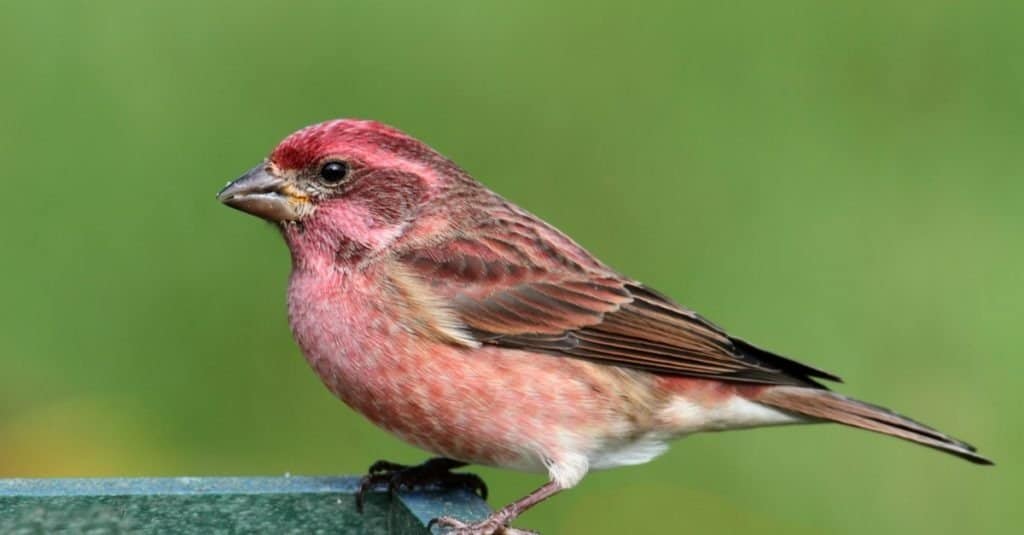
Cranberry Glades Botanical Area is an excellent place to see purple finches, which are winter vis in West Virginia.
©Steve Byland/Shutterstock.com
Birds found in Cranberry Glades include:
- American redstart
- Red crossbill
- Winter wren
- Ruffed grouse
- Blue-headed vireo
- Brown creeper
- Hermit thrush
- Canada warbler
- Dark-eyed junco
- Purple finch
- Mourning warbler
- Veery
Green Bottom Wildlife Management Area
Green Bottom Wildlife Management Area is home to one of the most popular bird watching spots in the state. The 1,096-acre wildlife area is located northeast of Huntington along the Ohio River. Green Bottom has expansive marsh habitats, making it an attractive spot for a variety of waterbirds and waterfowl. The Canada goose and many species of ducks can be seen in late winter and spring. The area also supports many other breeding birds, such as tree swallows, Eastern bluebirds, and a number of warbler species.
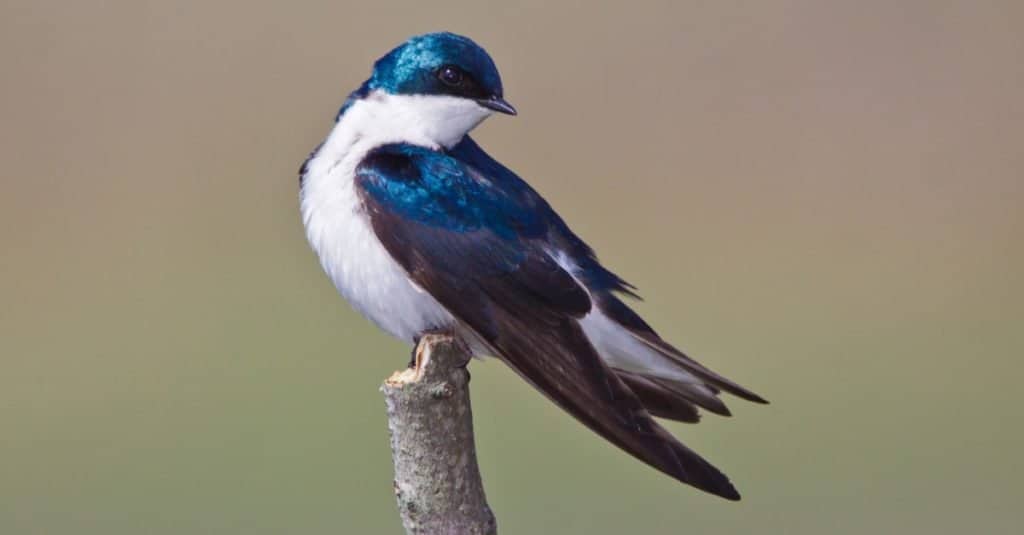
The Green Bottom Wildlife Management Area is an attractive location for migratory tree swallows, which favor open places near water.
©Elliotte Rusty Harold/Shutterstock.com
Some of the birds recorded at the Green Bottom Wildlife Management Area include:
- Canada goose
- King rail
- Least bittern
- Northern harrier
- Belted kingfisher
- American kestrel
- Willow flycatcher
- Black-and-white warbler
- Blue-winged warbler
- Yellow-billed cuckoo
- Indigo bunting
- Blue grosbeak
Clifton F. McClintic Wildlife Management Area
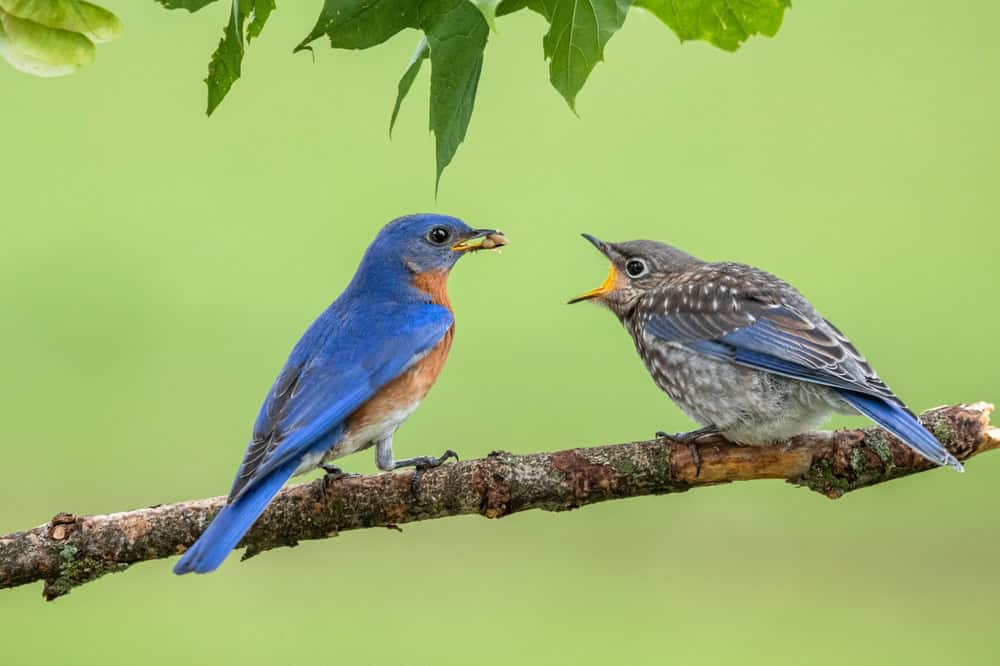
The 3,655-acre Clifton F. McClintic Wildlife Management Area is located a few miles north of Point Pleasant in western West Virginia. The area includes 1,700 acres of hardwood forest, as well as farmland, wetlands, and ponds. Ducks, including nesting wood ducks, are a common sight in spring. Eastern bluebirds, scarlet tanagers, white-eyed vireos, and many others can be found here during nesting season..
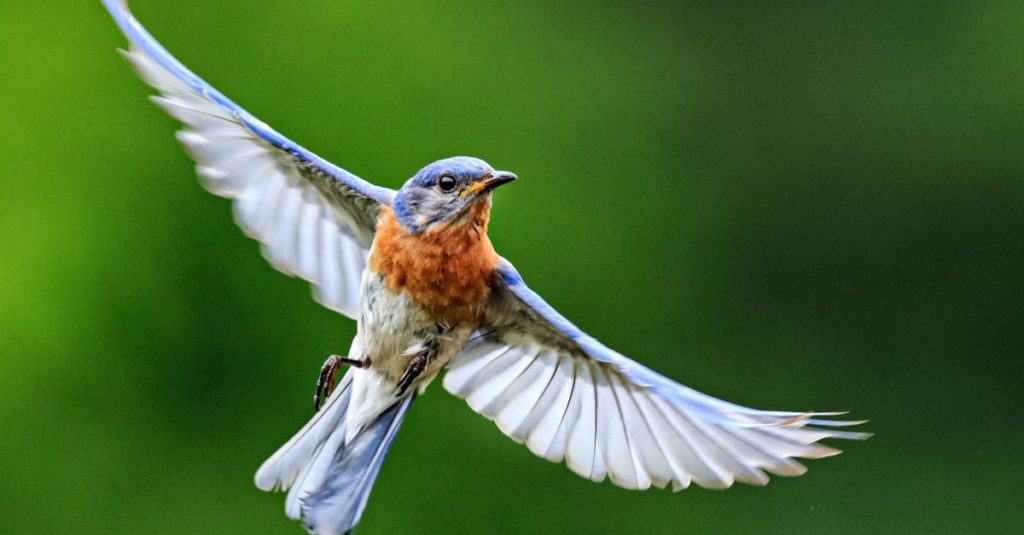
Eastern bluebirds are common birds in McClintic Wildlife Management Area.
©jo Crebbin/Shutterstock.com
Birds you may see at McClintic Wildlife Management Area include:
- Great blue heron
- American woodcock
- Great egret
- Eastern towhee
- Hooded warbler
- Yellow warbler
- Common yellowthroat
- Blue-winged warbler
- Green-winged teal
- Cerulean warbler
- Northern harrier
- Red-winged blackbird
Cranesville Swamp
You can find Cranesville Swamp in the Appalachian mountains on the border of West Virginia and Maryland. This boreal peat bog was formed during the last Ice Age, 15,000 years ago. Because the nearby hills retain cold air and moisture, the swamp remains colder and wetter than the surrounding areas. Several rare birds can be seen here, including the northern saw-whet owl and the increasingly scarce Nashville warbler. Many of the species found in Cranesville Swamp are typically more common in colder climates.
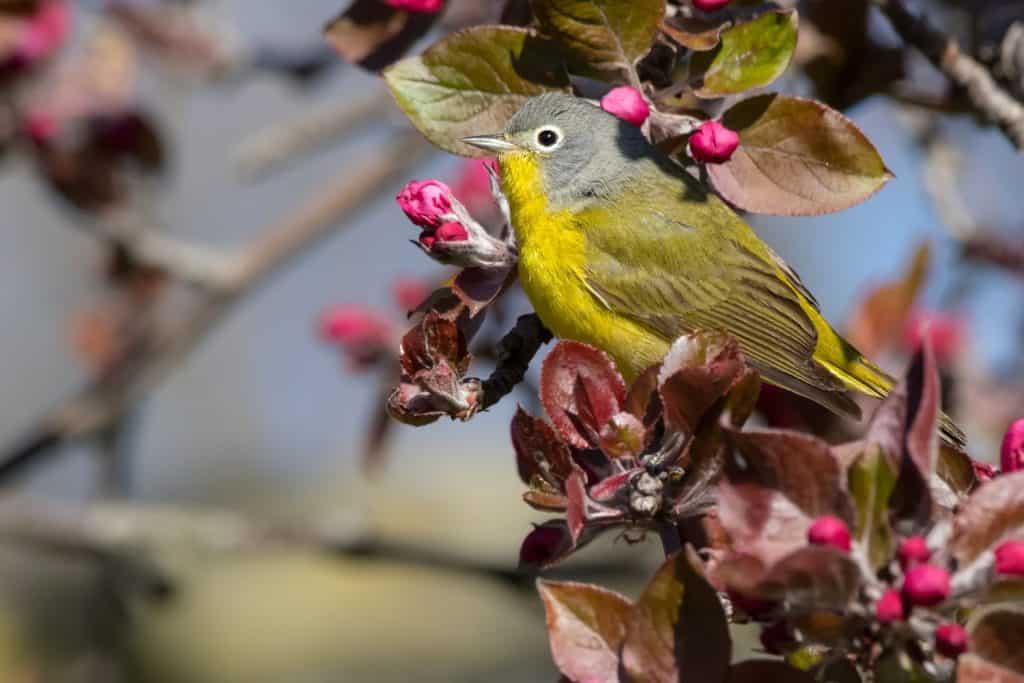
The Nashville warbler is one of the rare species than can be seen in Cranesville Swamp.
©Paul Reeves Photography/Shutterstock.com
- Ruffed grouse
- Blue-headed vireo
- Scarlet tanager
- Magnolia warbler
- Northern waterthrush
- Black-billed cuckoo
- Golden-crowned kinglet
- Veery
- Hermit thrush
- Black-throated green warbler
- Alder flycatcher
- Willow flycatcher
The places listed above are some of West Virginia’s best bird-watching spots. You can discover more information about these remarkable wildlife areas on the websites linked above. Other popular birding spots include Canaan Valley National Wildlife Refuge, Core Arboretum, Robert C. Byrd Locks and Dam, Stauffer’s Marsh Nature Preserve, and Gaudineer Scenic Area. You can also check out the Birds of West Virginia Checklist to learn more about birding in the Mountain State.