
Quick Take
- Llamas are native to the Andes Mountains of South America.
- Llamas are herbivorous foragers.
- Adult llamas may consume up to 12 pounds of vegetation daily.
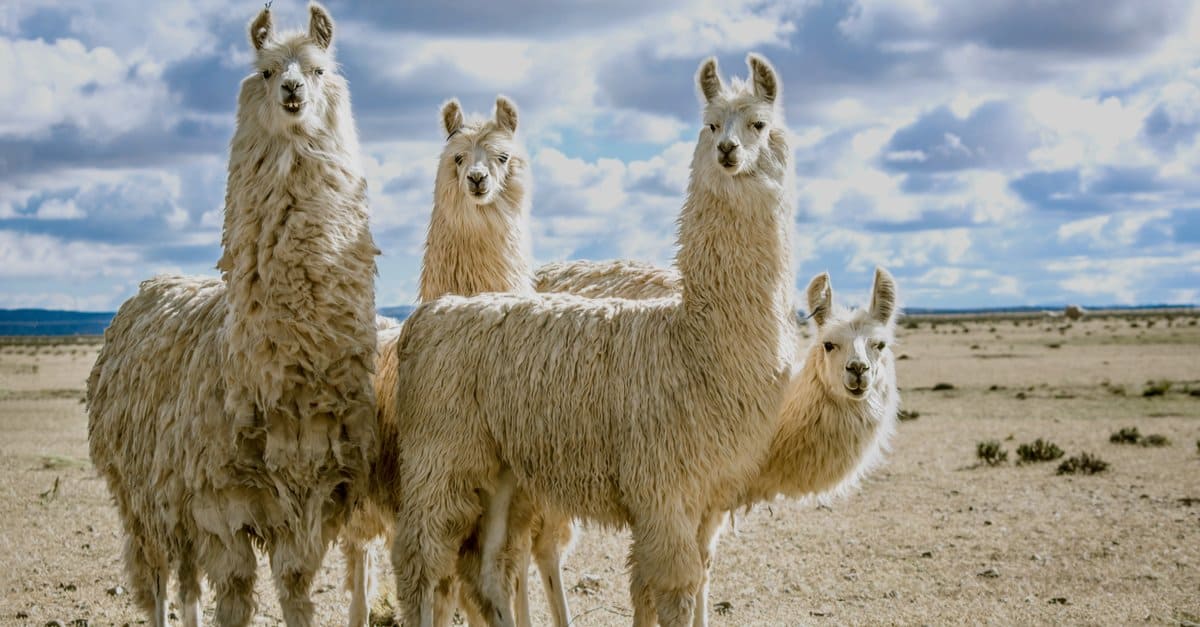
Llamas (Lama glama) are domesticated South American camelids, primarily found in the Andes Mountains of Peru, Bolivia, and Chile. Llamas have long necks, banana-shaped ears, and thick wool. They are pack animals valued for both their strength and their wool. Llamas have been introduced to North America, Europe, and Australia as pets, fiber resources, and pack animals, though their populations outside South America have declined in recent years. Llamas are strict herbivores that eat a plant-based diet and do not consume meat. Continue reading to learn everything you ever wanted to know about what llamas eat.
What Foods Do Llamas Eat?
Llamas are herbivorous foragers that eat grasses, shrubs, hay, lichens, and woody plants. They utilize a specialized three-compartment stomach to digest tough, fibrous vegetation.
Llamas graze on various plants, including shrubs and grasses, much like sheep and goats. Their diet consists mainly of hay, grass, and occasionally grains.
Llamas may eat vegetables and fruits sparingly. Similar to ruminants such as cows, llamas chew cud. Their three-compartment stomach is designed to efficiently extract nutrients from low-quality forage.
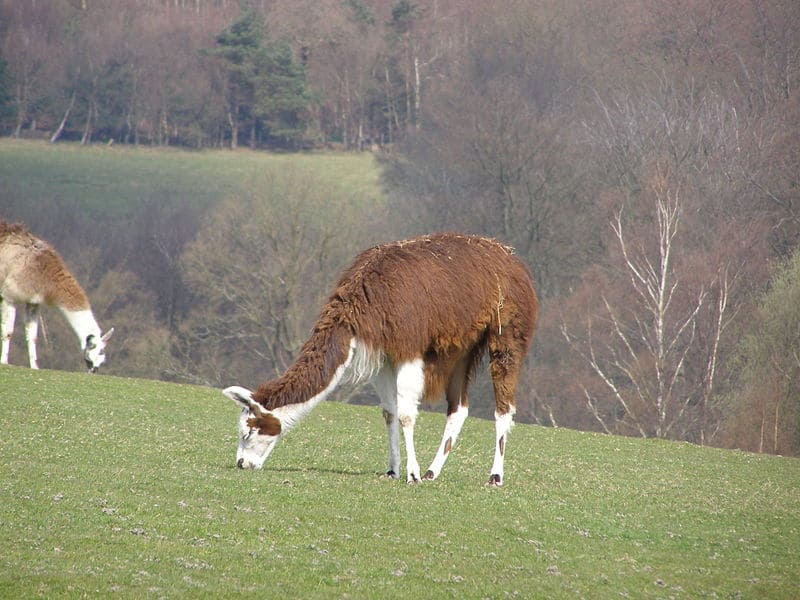
In colder climates, llamas survive on lichen.
©MilborneOne / Creative Commons – Original
Foods llamas will eat include:
- Alfalfa
- Clover
- Timothy hay
- Fescue
- Shrubs
- Small trees
- Grains (as a portion of their diet)
- Lichens
- Corn silage
- Fruits (an infrequent addition to their diet)
- Vegetables.
Much of what a llama eats depends on where it lives. They are often kept as farm animals, similar to sheep, in that their wool is shorn and used for clothing and more.
Depending on their location, llamas will have access to different types of forage, including many of the foods listed above. On a farm, they will often be allowed to roam and forage for their food.
Their owners will often use various grains to complement the diet of their animals, but never as the sole part of their daily food intake. However, it is best to provide llamas with pelletized versions of these grains instead of the whole grains.
Llamas, like many other farm animals, enjoy the occasional treat. They enjoy soft fruits and vegetables cut into reasonable sizes. Treats for llamas can include:
- Broccoli
- Pears
- Celery
- Beets
- Melon
- Mango
- Bananas
- Watermelon
- Oranges
These foods should not comprise a significant portion of a llama’s diet.
Llamas live around the world, and their diets vary, but they primarily eat the foods mentioned above, especially local grasses.
What Do Baby Llamas Eat?
Baby llamas are called crias, and their primary source of food is milk from their mother. Within a few weeks, they will begin to forage on their own as a supplement to the milk. By the time they reach six months of age, crias no longer drink their mother’s milk and adapt to the adult diet.
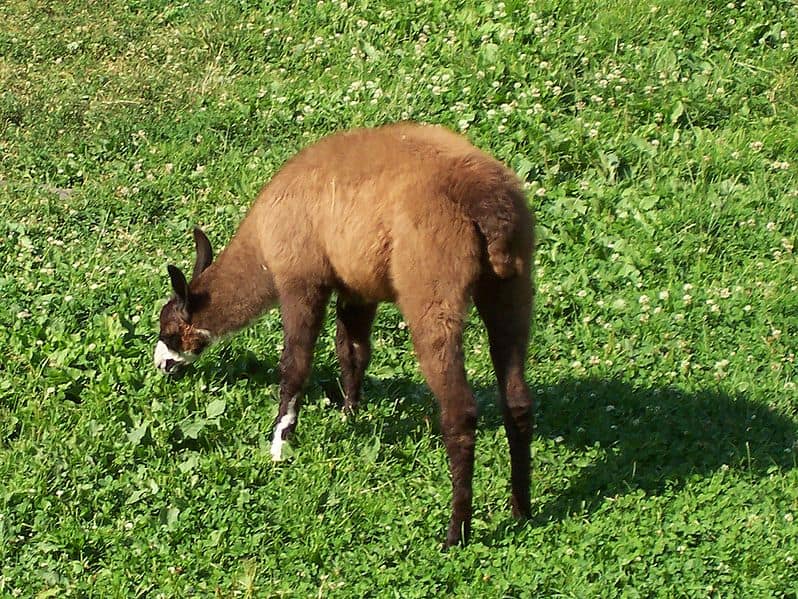
Baby llamas are called crias and begin eating grass a few weeks after they’re born.
©Krzysztof Blachnicki / Creative Commons – Original
How Much Do Llamas Eat?
An adult llama will typically require about 2-4% of its body weight in food per day, which works out to about 10-12 pounds of food.
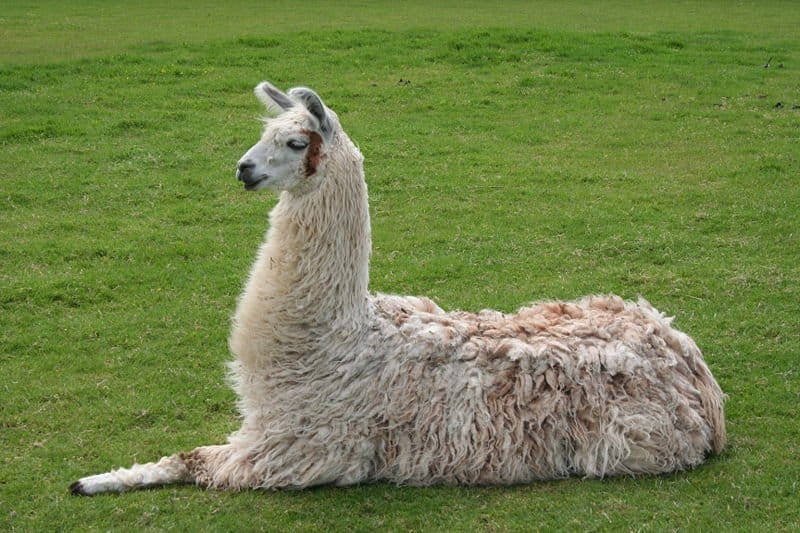
Llamas need a fair amount of food to stay healthy.
©Johann Dreo / Creative Commons – Original
Crias need to drink about 10% of their body weight in milk per day during the first few weeks of life. This provides them with the nutrition they need to grow and mature so they can begin eating adult foods.
Do Llamas Have Any Predators?
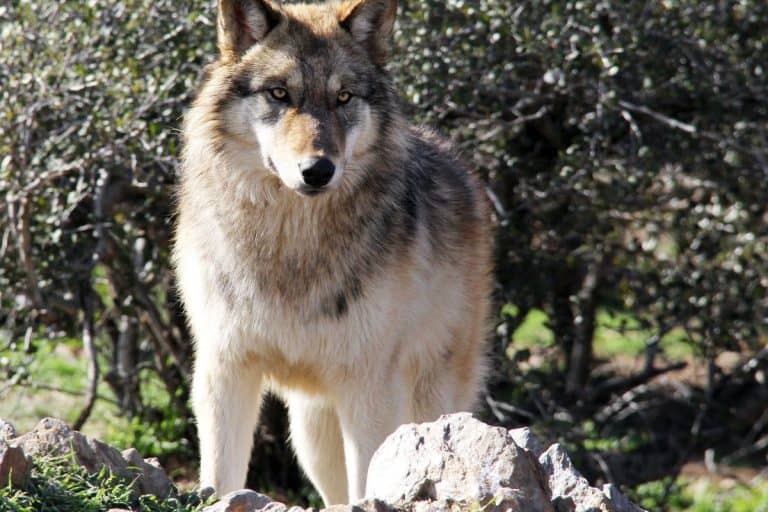
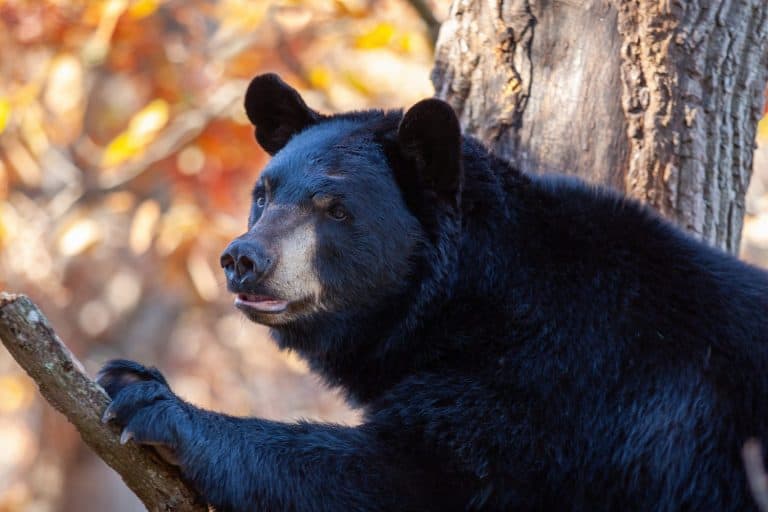
Although modern domestication provides llamas with substantial protection from their owners, they still face risks from predators. Some of the more common predators that llamas may encounter include:
- Wolves
- Wild dogs
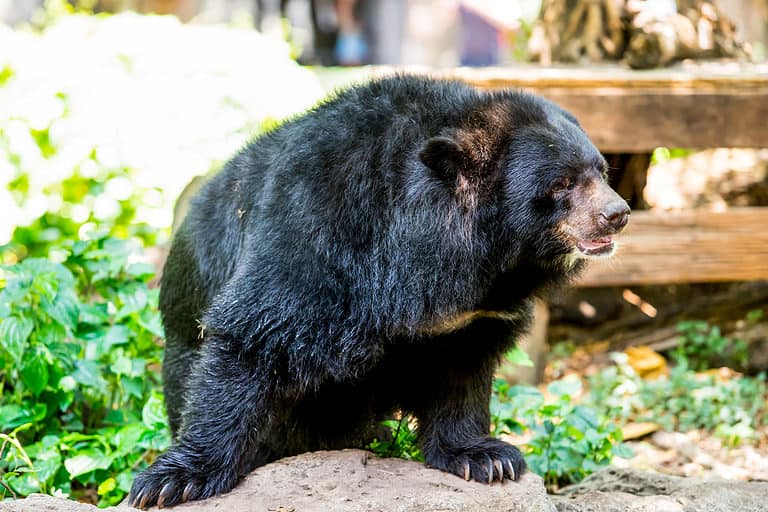
- Bears
- Coyotes
- Mountain lions
- Bobcats.
Llamas can be killed by large carnivorous predators, but security measures can help protect livestock. When predators do manage to enter the same area as llamas, they will often target the young or sickly members of the herd rather than confronting a healthy llama.
Historically, humans have hunted llamas for food, but today this practice is rare and not widely reported, even in remote high-altitude communities.
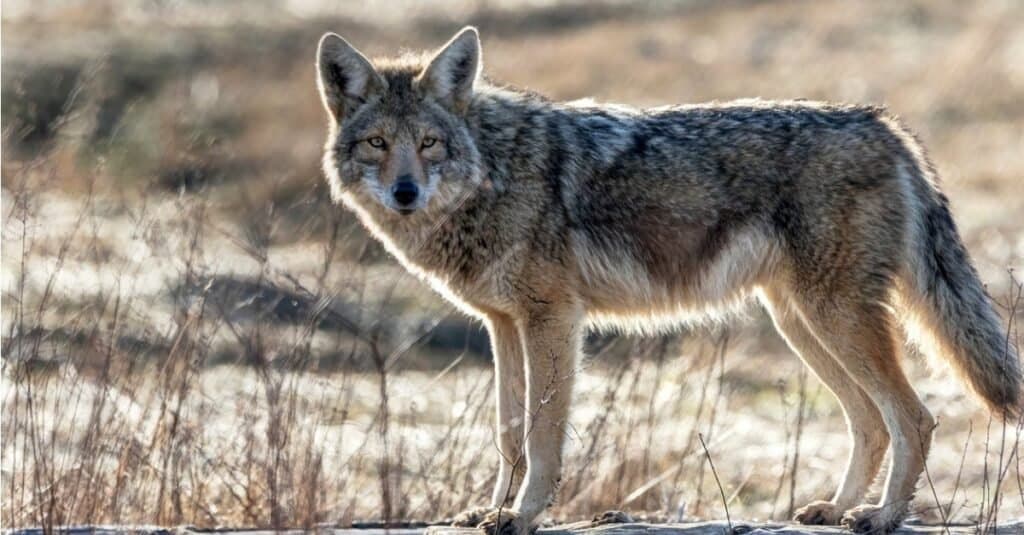
Coyotes are predators of llamas.
©iStock.com/jamesvancouver