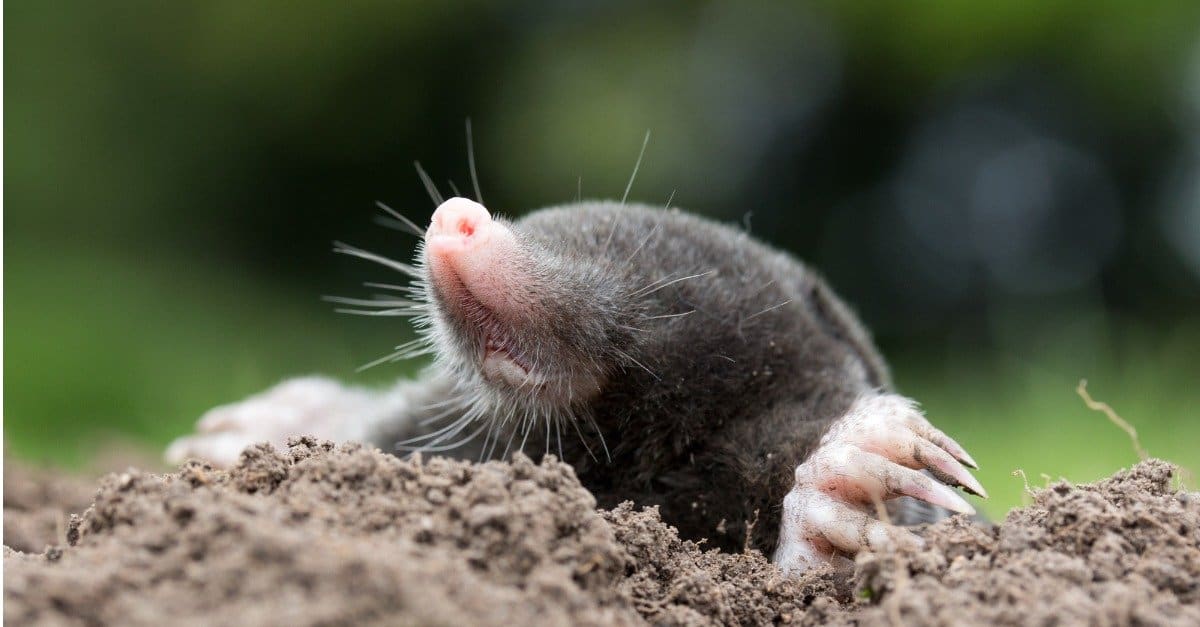

To many people, particularly gardeners, moles are little more than pests. Their conical mounds can easily become a blight on your backyard, leading many people to seek solutions to get rid of them. In reality, moles serve an important ecological function and are a sign of a healthy ecosystem. Moles are small mammals in the family Talpidae commonly found throughout North America, Europe, and Asia. Additionally, there are also non-true moles that live in Australia and parts of Africa. However, these are not the moles that we’re going to be talking about today. Moles are well adapted to the subterranean lifestyle and are prolific tunnel diggers. This causes them to irk gardeners and farmers as their tunnels damage crops and plants. Many people also mistakenly think that they chow down on roots and other plant matter. Which begs the question, “what do moles eat?”
In this article, we’ll attempt to answer all of your questions about the dietary habits of moles. First, we’ll briefly talk about what moles generally like to eat. Then, we’ll move on to a discussion of how moles hunt and forage for food. Next, we’ll compare what moles eat in the wild. Finally, we’ll explore what baby moles eat. So, let’s dig into this topic and answer the question, “what do moles eat?”
What Do Moles Like to Eat?
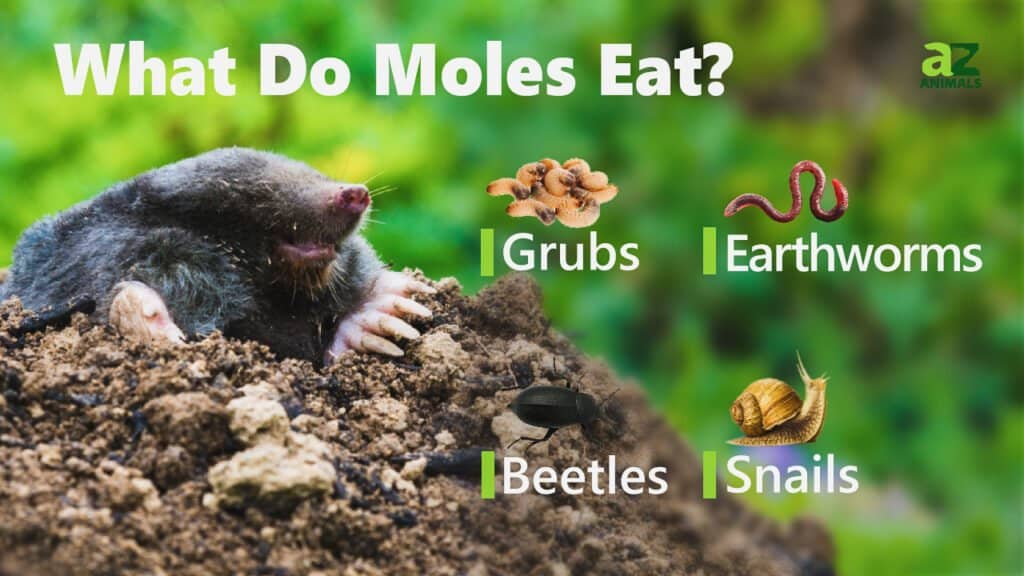
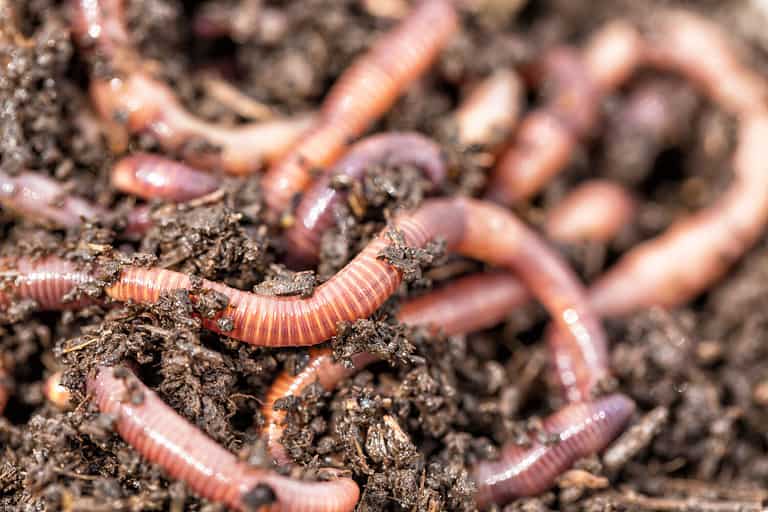
Moles are subterranean hunters and spend most of their lives underground. Contrary to popular belief, moles do not eat plants. In reality, they are carnivores that eat massive amounts of animal matter. Specifically, moles tend to target invertebrates and insects, and will do so in large quantities. During the course of a single day, a mole can eat up 70 to 100% of its own body weight in insects. Overall, earthworms are a mole’s favorite food. A single mole will eat thousands of worms over the course of its life. That said, moles do not just eat earthworms. They enjoy consuming a wide variety of insects and invertebrates. As such, we’ve compiled a list of foods that moles like to eat. These are the foods that you’ll most commonly find a mole snacking on out in the garden. The foods include:
- Earthworms
- Grubs
- Larvae
- Beetles
- Snails
- Slugs
- Ants
- Spiders
- Millipedes
- Centipedes
- Cicadas
How Do Moles Hunt for Food?
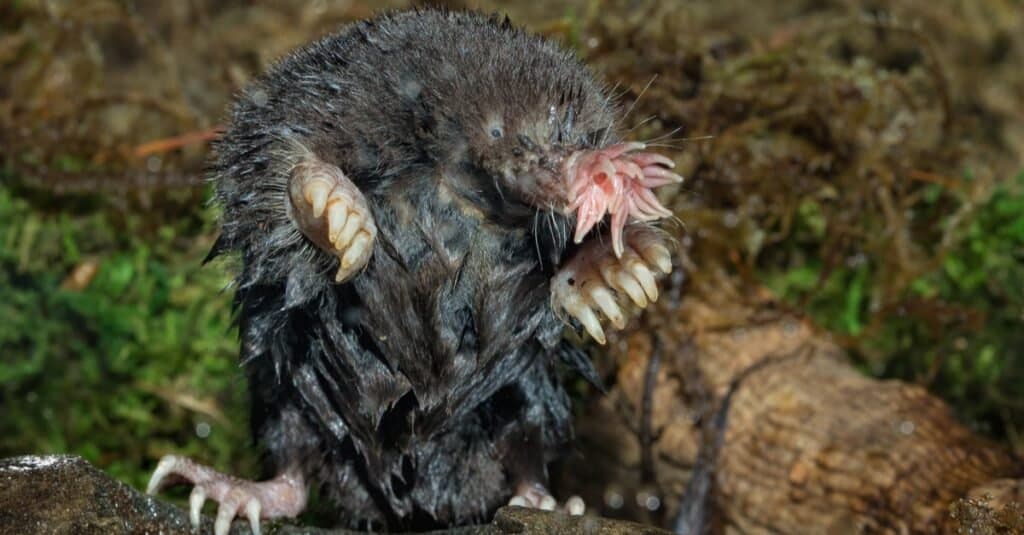
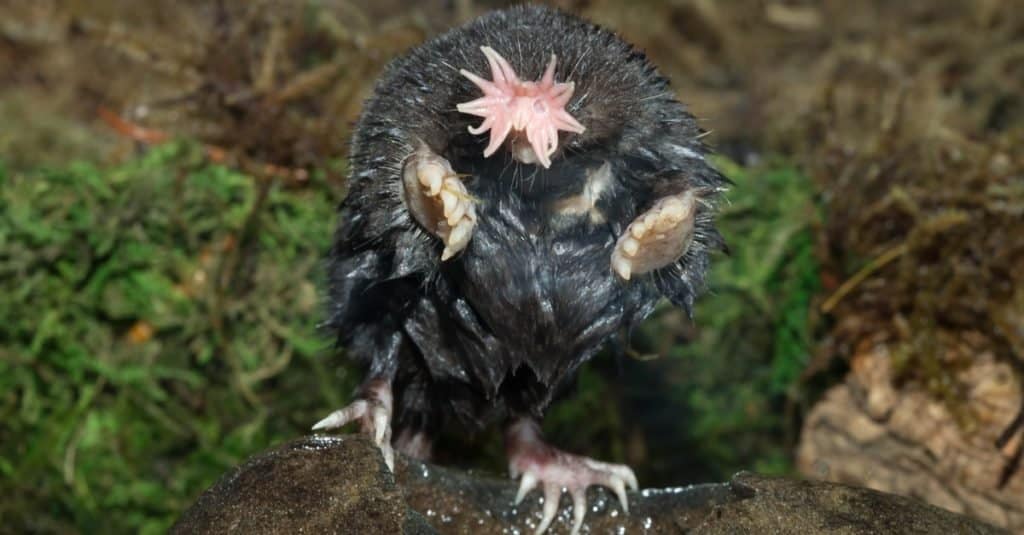
Moles have excellent senses of hearing, smell and touch, but very poor eyesight.
©Agnieszka Bacal/Shutterstock.com
Moles possess many of the same senses as humans, although they use them to different degrees. It’s well known that moles are practically blind, which makes sense given how much time they spend underground. They can only detect light and movement, and can not distinguish color or objects at a distance. As such, they rely on their other senses more to find food. In particular, they have very keen senses of smell, touch, and hearing. A mole uses its hearing to sense vibrations in the soil around it, which is useful for finding burrowing worms. Additionally, research suggests that moles have a stereoscopic sense of smell. Each of its nostrils can operate independently, allowing it to determine the direction of a specific smell. Moles also have very sensitive whiskers, which they use to help them explore their environment.
Moles are most active in the early morning and late evening. They prefer to build their homes in moist, loamy soil where their tunnels can maintain their shape. A single mole can dig at a speed of nearly 15 feet per hour. Most tunnels are usually around two inches wide and about a foot below the surface. Their dens contain many rooms, including sleeping quarters, a kitchen, birthing areas, and storage rooms. Moles are voracious eaters and tend to immediately consume what they find. In fact, the star-nosed mole is one of the fastest known eaters of any mammal, capable of consuming 10 bite-sized earthworm chunks in just 2.3 seconds. However, moles also collect uneaten food and store it for later consumption. Some moles have been known to store hundreds of earthworms inside their dens.
What Do Adult Moles Eat in the Wild?
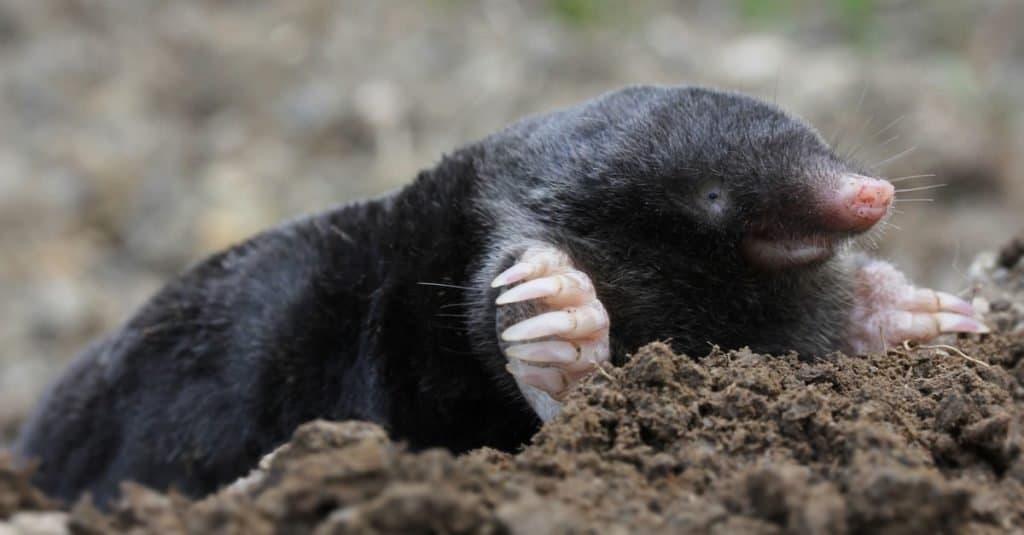
A mole can eat up to 200 worms in a single day.
©Carmen Rieb/Shutterstock.com
In the wild, moles will eat pretty much any small insect or invertebrate that they can find. They particularly like earthworms, which make up the majority of their diet. A single mole is capable of eating around 50 grams of earthworms in a single day, which equates to around 200 worms. That’s a lot of worms! Since moles have to dig so much, they expend a lot of energy. This may explain why they have such ravenous appetites. Aside from worms, moles also enjoy eating grubs and the larvae of other insects. Moles will also eat other insects and invertebrates that they encounter inside their tunnels. Some common prey that they feast on include snails, slugs, ants, beetles, spiders, centipedes, and millipedes. Moles do not hibernate in the winter, so they must hunt all year round. As such, they will eat whatever unlucky insect crosses their path.
What Do Baby Moles Eat?
Mole pups rely solely on their mother’s milk for the first month of life.
©Agnieszka Bacal/Shutterstock.com
Mole babies, or pups, are born naked and completely blind. As such, they’re completely reliant on their mother when they are born. They will reach adult size by around eight to nine weeks old, but are completely self-sufficient by around six weeks old. Until they are around a month old, mole pups subsist only on their mother’s milk. If you encounter a baby mole in the wild, you’ll want to leave it alone in case its mother comes looking for it. In the case that you end up caring for a baby mole, you can feed it kitten formula. This is only necessary if the mole has no fur and is less than a month old. If the mole pup has fur, then it’s fine to feed it a diet of earthworms, beetles, and grubs. Once a mole is around a month old, it will eat the same diet as an adult mole.