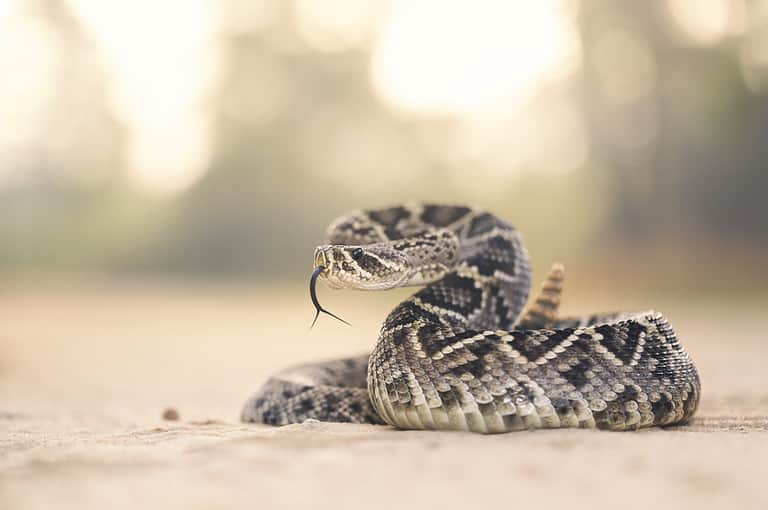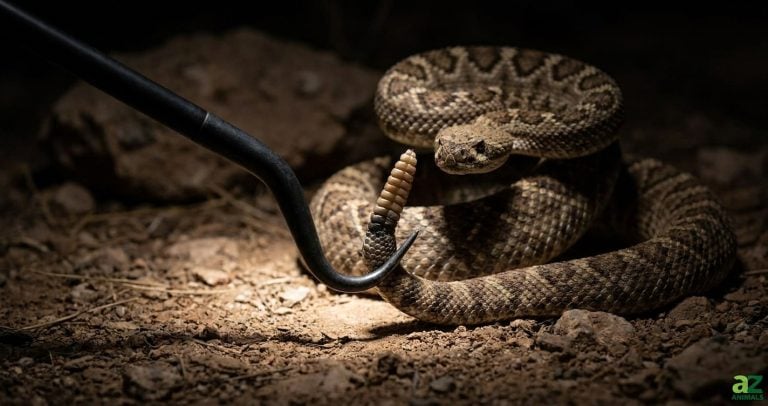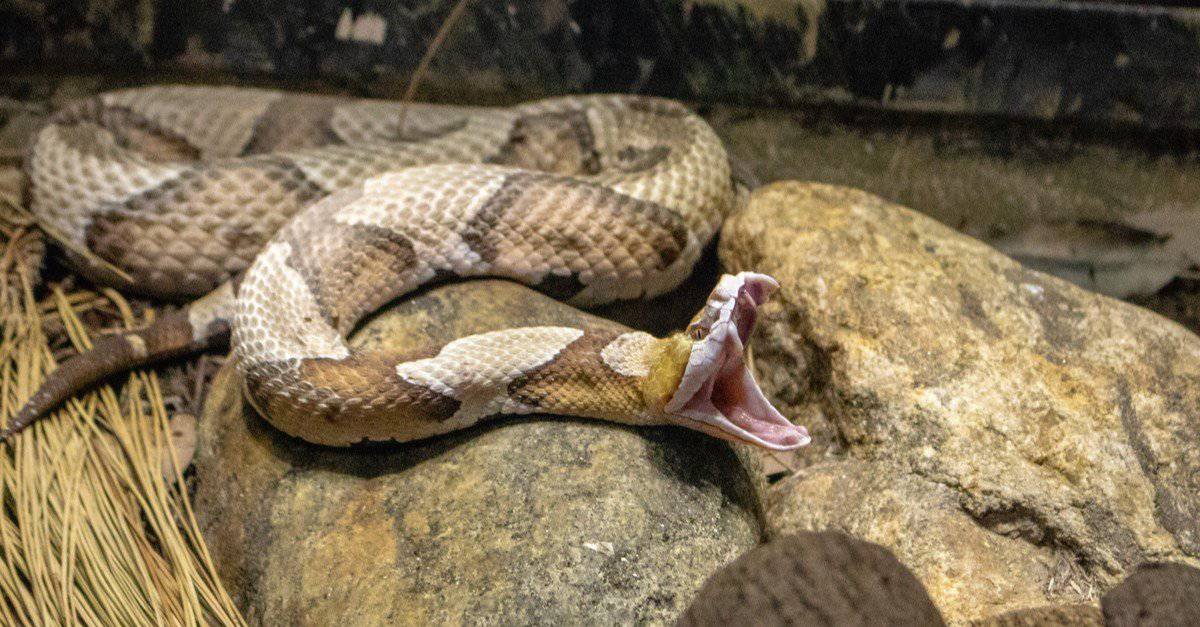

Nature has its own set of pest controls, whether through plants or other creatures. Some plants repel mosquitoes and ants, while others may be unpleasant for rodents. Since many people are terrified of snakes—you may be one of them—it may be helpful to know which plants might keep copperhead snakes away from your yard or garden, as their dry and venomous bites can be quite painful, although they are unlikely to be fatal.
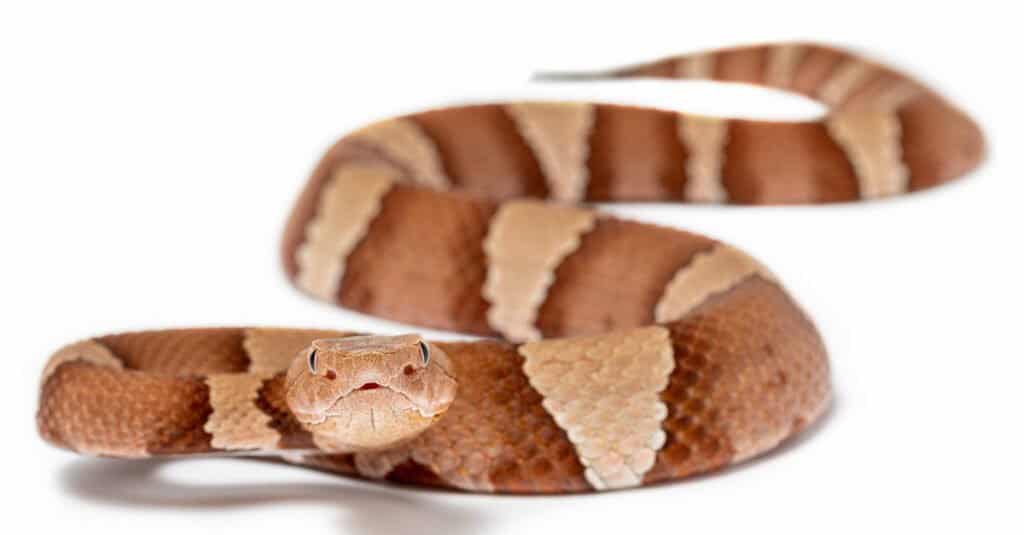
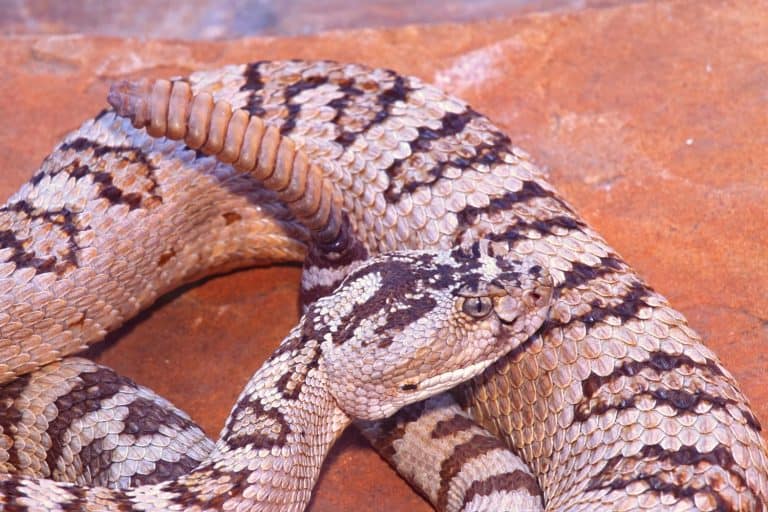
Broadband copperheads’ markings stay wide across its body, rather than narrow at the spine like they do on eastern copperheads.
©Scott Delony/Shutterstock.com
How to Identify a Copperhead
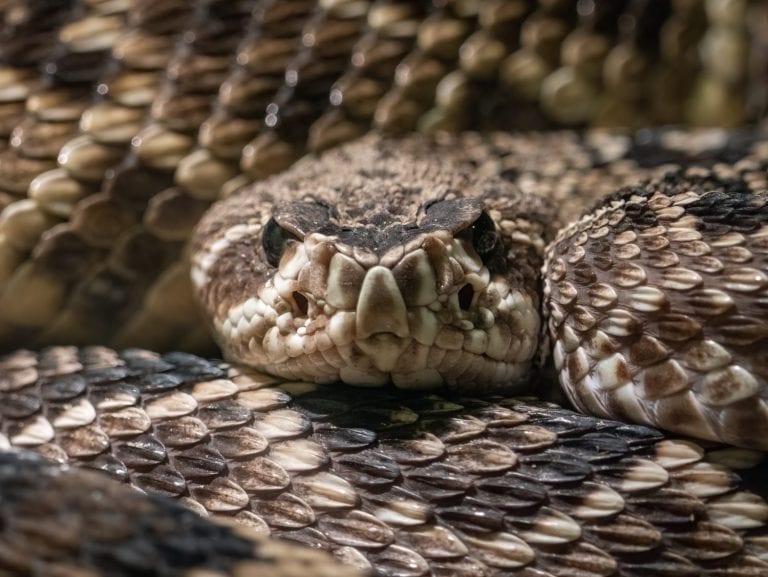
Before you can repel copperhead snakes, you must first know how to identify them. Copperheads belong to the Agkistrodon genus and there are a few different species. Eastern copperheads (Agkistrodon contortrix) are found, as the name suggests, in the eastern half of the United States, from about the eastern half of Texas to the Atlantic Coast and from Nebraska south. These North American pit vipers feature copper- to bronze-colored heads and hourglass-shaped crossbands. Their base color ranges from light gray or tan to pinkish-tan. Adults tend to grow to a length between 20 and 37 inches.
Broadband copperheads (A. laticinctus), another pit viper species, have a much smaller range compared to eastern copperheads. Home for this species is Central Texas north to Kansas and Oklahoma. Rather than hourglass-shaped crossbands that narrow toward their spines, these snakes feature, as their name alludes, alternating even or broad bands. They grow to similar lengths and have similar coloring to the eastern copperhead. The crossbands and geographical location are the best way to distinguish these two species from each other.
Both species are considered small for pit vipers, although they share the thickset body, proportionately large heads, and thin necks that are characteristic of all pit vipers. They prefer hiding in plain sight among leaf litter. Their camouflage makes them nearly invisible. However, when the cicadas come out in early summer, some copperheads take to the trees after them.
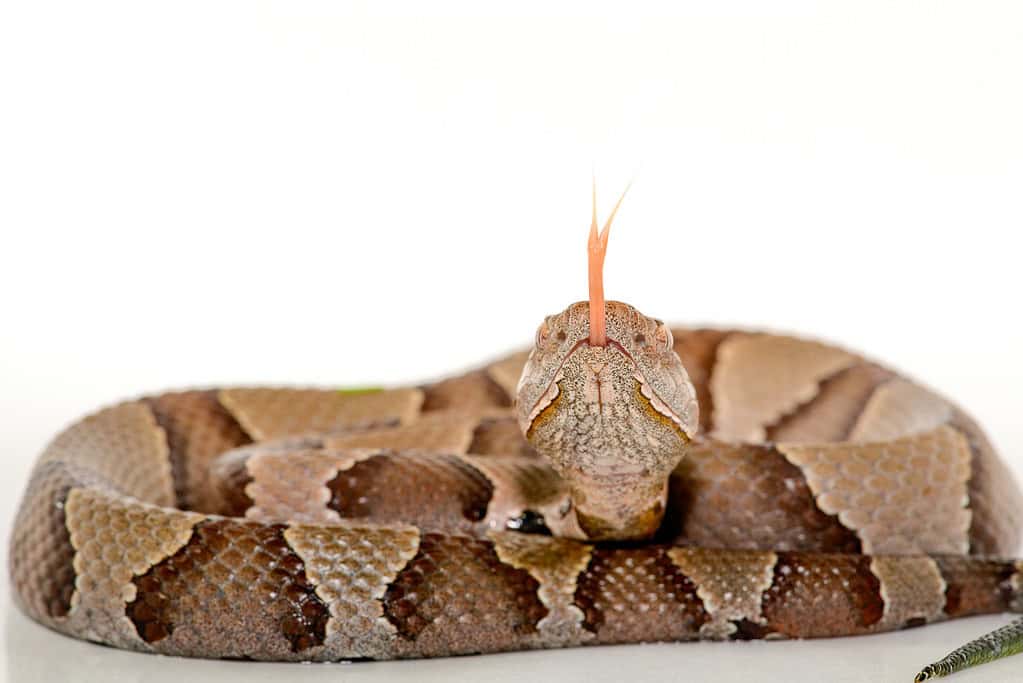
Eastern copperheads have the largest range of North American pit vipers, inhabiting the eastern half of the United States.
©JWJarrett/iStock via Getty Images
How to Keep Copperheads Away from Your Property
The trick to keeping copperheads away is to address their preferred prey, as there is no scientific consensus or definitive proof that any plants or commercial repellents reliably repel copperhead snakes, despite some products and plants being marketed for this purpose. In other words, copperheads will seek shelter and food elsewhere if there is no place on your property to find shelter or dinner.
Close Openings into Your Home
Snakes require safe places to hibernate, known as brumation in reptiles. Many basements and crawl spaces have become impromptu snake dens because there was an opening large enough to squeeze into. They don’t need a very large opening—just enough space to push their heads through before wriggling the rest of their bodies in. Seal up any cracks and crevices with silicone or another water-tight sealant.
Clean Up Debris and Keep Grass and Hedges Trimmed
Piles of brush, leaves, and even woodpiles all serve as homes for copperhead snakes and the animals they eat. Think of it this way: If a small mouse or rat can find shelter, so can a snake. Woodpiles are important for many during the winter, as wood is a source of heat. However, to keep copperheads away, find ways to keep debris from collecting around the woodpile and perhaps keep it on a rack at least a foot off the ground. This will reduce the number of critters that might turn it into a home.
Snakes like to hide in tall grasses and under bushes. Keeping grass short and bushes nicely trimmed makes these areas less inviting for snakes.
©Katrin Friedl Fotografie/Shutterstock.com
Get Chickens or Guinea Hens
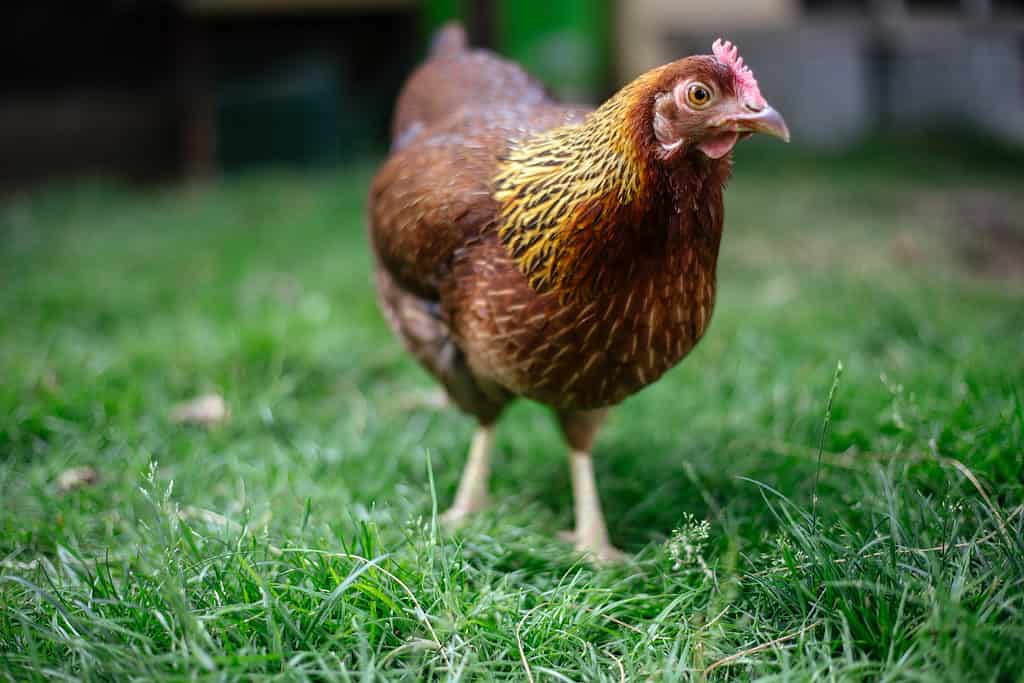
While chickens and guinea hens seem like unlikely pest repellents, these birds may keep snakes at bay. They dine on some of the same prey that attract copperheads, principally bugs and mice. There are additional benefits to having chickens or guinea hens around. Their eggs are a valuable source of protein. Additionally, they will gleefully eat your table scraps and are amusing to watch.
Install Snake Fencing
Snake fencing is a fine-meshed product in which the openings are quite small, making it downright difficult or impossible for these snakes and other less desirable creatures to pass through. Of course, much of this depends on doing the other things mentioned in this article to keep copperheads’ preferred prey away because, if there is something enticing in your yard, these snakes can climb fencing.
Remove Water Sources
Copperhead snakes, like their prey, need water. Backyard ponds are gorgeous, but if you’re trying to keep away snakes, avoid putting out a welcome mat. They understand that their prey requires water, so copperheads will be where their potential meals will be. Of course, remove any standing water on your property.

Plants That Might Repel Insects & Other Pests
While snakes are indifferent to the plants in your yard, some of their likely prey are affected by certain plants and may seek cover and food elsewhere as a result. Therefore, indirectly, plants and trees may help keep your yard and garden free of copperhead snakes.
The following plants may reduce the number of critters attracting snakes to your yard:
- Mugwort
- Garlic
- Society Garlic
- Green Chiretta
- Indian Snakeroot
- Yucca
- Mother-in-Law’s Tongue
- Marigold
- West Indian Lemongrass
- Tobacco
- Clove Basil
- Jimsonweed
- Skunk Cabbage
Conclusion
According to an article in AP News and recent expert advice, snake repellents—including nmothballs and essential oils—have not been shown to work effectively. Follow the tips here, and you’ll be much more successful in your attempts to keep copperheads away. These are the most effective and proven practices to keep all snakes, not just copperheads, out of your yard. If, after doing everything in the article, you still have copperheads, consider calling an expert to help you. They may see something that you’ve missed.