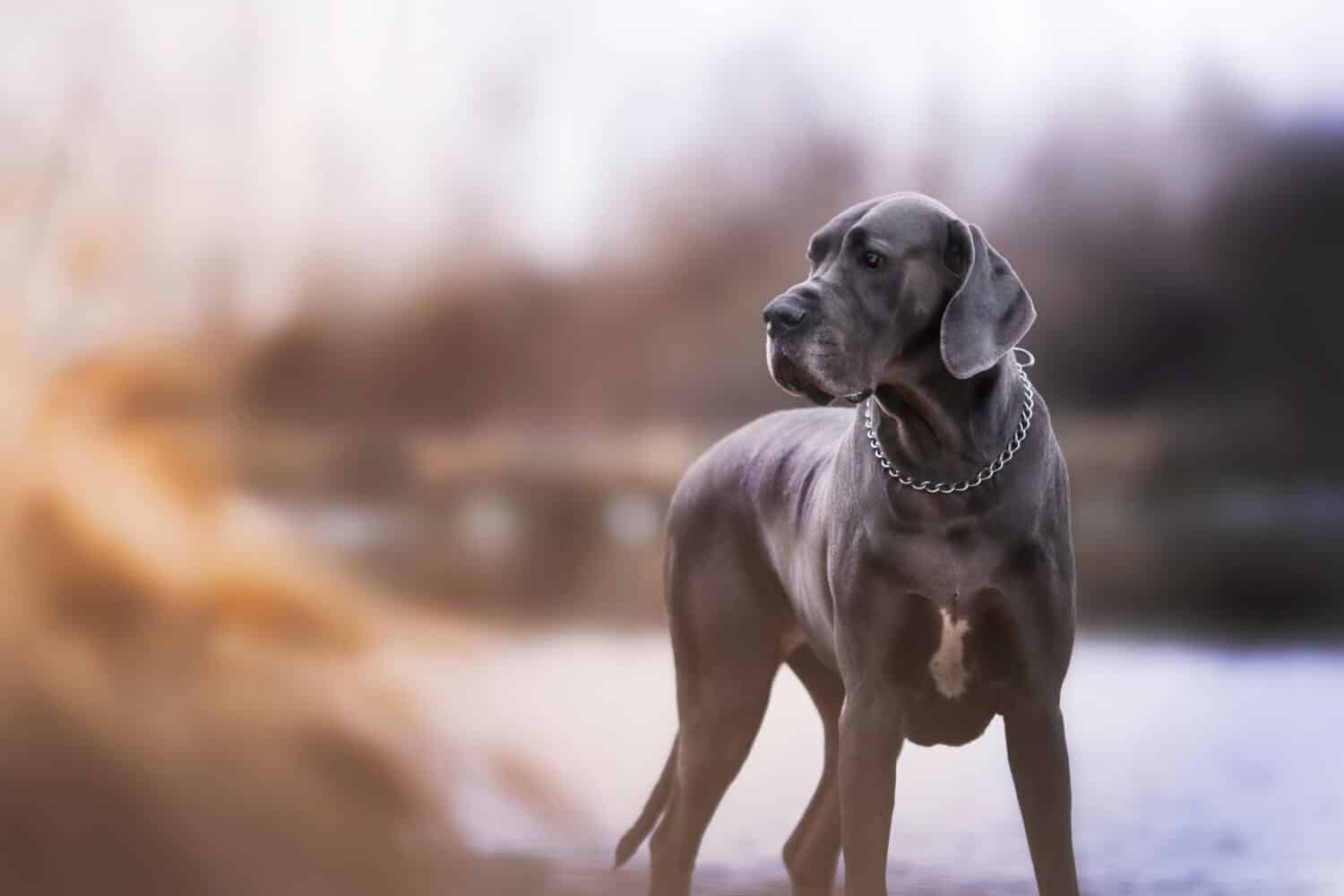

Great Danes are often called “gentle giants.” However, many Great Dane bloodlines are aloof towards strangers, and some may harbor protective instincts. In fact, these dogs were once popular guard dogs.
Providing socialization when your Great Dane is young can help prevent protectiveness, fear, and aggression. Socialization teaches your dog that strangers aren’t “bad guys.”
If this early socialization period is missed, Great Danes can become aggressive. Great Danes can also become aggressive due to trauma, hormonal changes, or illnesses. Because they’re so large, when aggression occurs, it’s vital that it’s corrected immediately.
What To Do When Your Great Dane is Aggressive
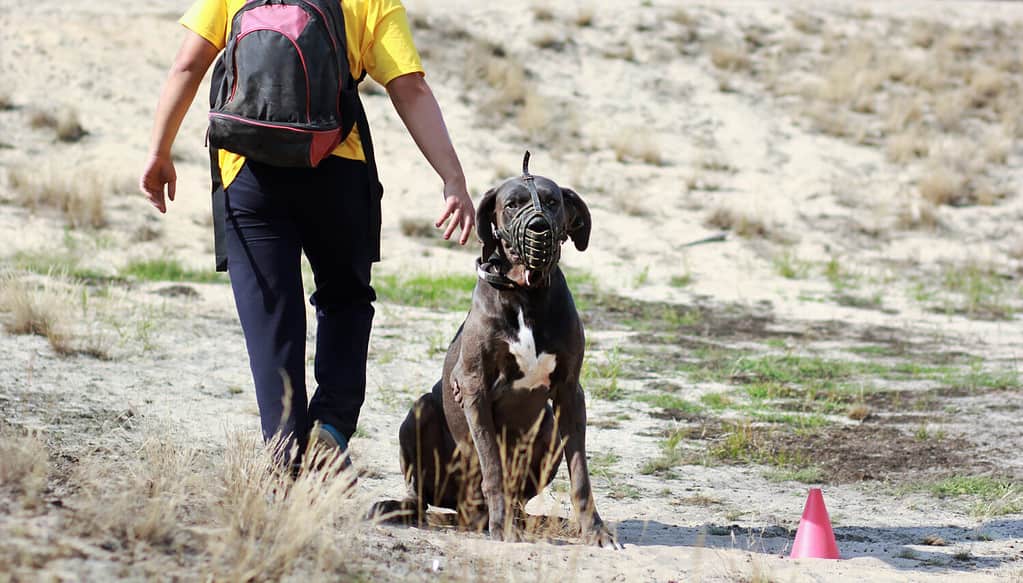
Training your dog to wear a muzzle can be especially helpful for stressful situations, like vet visits, even if your dog isn’t usually aggressive.
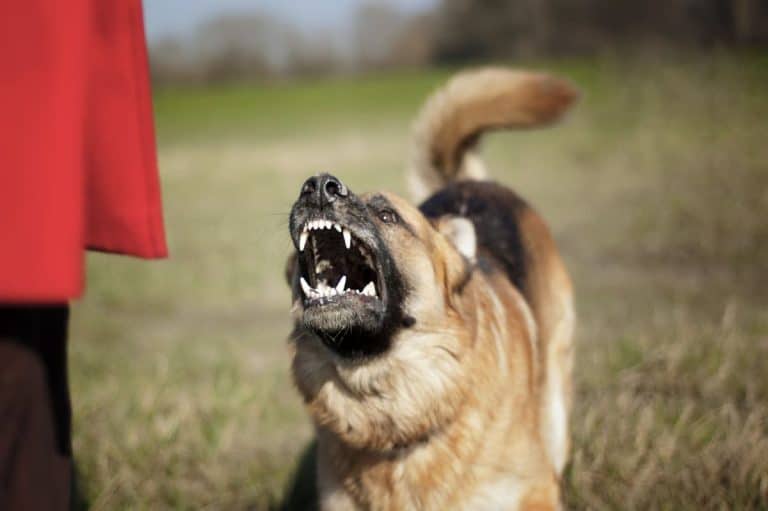
©Free_styler/Shutterstock.com
In the immediate aftermath of an aggressive episode, your first step should be to ensure safety. If you have a growling dog, your goal should not be to push the dog further – and their growls should not be ignored.
Eliminate whatever trigger caused the aggression. If a stranger entered your home and your dog started growling, the stranger and dog should be separated. Keep children and other pets away, even if they weren’t triggers. Children’s boisterous behaviors can easily push a stressed Great Dane over the edge.
If possible, muzzle your dog to prevent biting. You should remove your dog to a different area, preferably a crate if your dog is crate-trained. However, if pushing your dog towards a different area causes further growling and other aggressive signs, it may be best for everyone else to leave the room.
Simply put, you should do everything in your power to bring everything down a few notches and prevent biting.
Why Are Great Danes Aggressive?
As we stated above, socialization often helps curb the chance of aggression. However, there are many cases where socialization isn’t possible (such as when you adopt your dog later in life) or when a Great Dane may suddenly become aggressive despite socialization.
Sudden aggression can be very bewildering for dog owners, especially if your Great Dane has never shown aggression before. However, sudden aggression is almost always caused by pain or an underlying medical issue. Anything that causes pain can lead to aggression as your dog attempts to protect themselves.
Dogs don’t always show any signs of illness. You may only notice sudden aggression, but that is plenty for you to make an appointment with your vet.
Hormonal disorders, such as those caused by the thyroid, can also cause aggression even if they aren’t painful. Hormones drive your dog’s behavior. If their hormones change, their behaviors can, too.
Neurological disorders can also cause aggression. For instance, epilepsy can sometimes cause aggression, as the dog’s perception is altered before, during, and after the episode.
Aggression that is linked to specific triggers is often caused by fear. When thrust into a new situation or around strangers, some Great Danes may become fearful. Fear is the leading cause of aggression in dogs, which is why socialization is so good at preventing aggression. If a dog is introduced to something enough, they often stop fearing it.
In most cases, dogs with fear-based aggression are perfectly stable when their triggers aren’t around. If their triggers are easy to avoid, this can be good news. Simply avoid the triggers, and they won’t be aggressive. Other times, training and desensitization may be necessary.
Great Danes can also become frustrated, leading to aggression. Often, this cause is more of a build-up of tension that suddenly explodes as aggression. For instance, if a toddler is climbing all over your Great Dane, they may not react at first. After several minutes, though, they may become frustrated and lash out.
Your dog isn’t scared of the child, but their actions are causing them frustration.
A lack of physical exercise and mental stimulation can also lead to excessive frustration. A dog that isn’t well taken care of is more likely to be anxious, and an anxious dog is more likely to be frustrated.
How to Fix Great Dane Aggression?
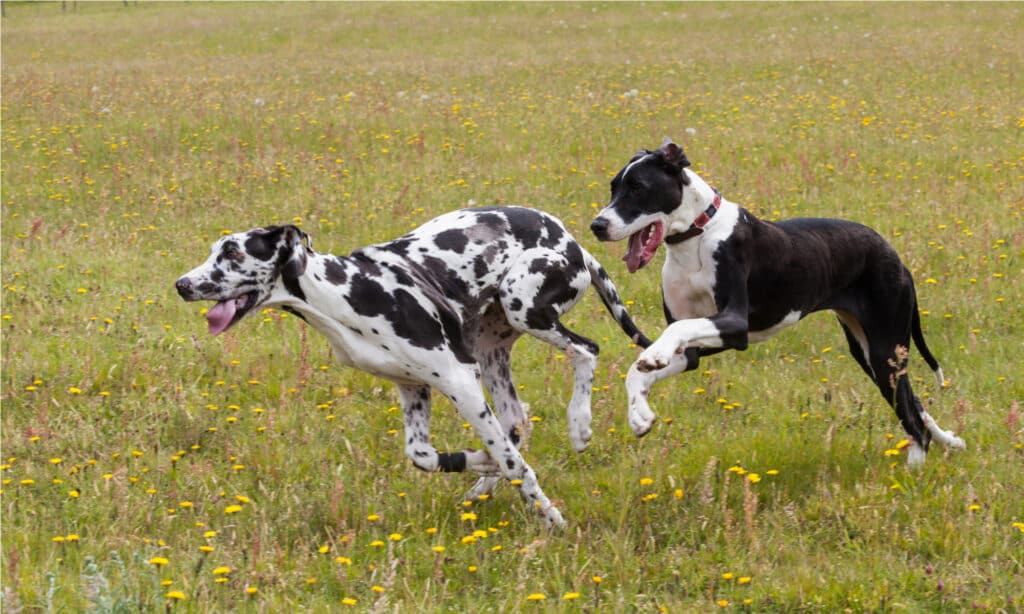
Ensure your dog is getting enough physical and mental exercise to help prevent frustration-based aggression.
©Claire Plumridge/Shutterstock.com
After everyone is safe, you can make a plan to treat your dog’s aggression. In some cases, you may need to work with a behaviorist or trainer to develop a personalized training plan.
Like with most training, you should use positive reinforcement to reward calm, appropriate behavior. Counter-conditioning is often used. Usually, this involves introducing your dog to their trigger and then providing treats for not reacting. Slowly, your dog gets used to the trigger and begins to associate it with treats.
If your dog is aggressive due to an illness, that illness must be treated. Once the pain is gone, the dog often returns to their usual, unaggressive self. A dog that bites when they are in pain isn’t necessarily going to bite again later. A dog doesn’t “get a taste for blood.”
Remember, never punish your dog for growling. Many people mistakenly believe that making your dog not growl prevents aggression, but the opposite is actually true. When a dog growls, they are communicating their fear or frustration. They’re saying, “I’m going to bite.”
When you take that communication away, you’ll never know that your dog is about to bite – they just will. Many dogs that seem to bite from nowhere are often trained not to growl.