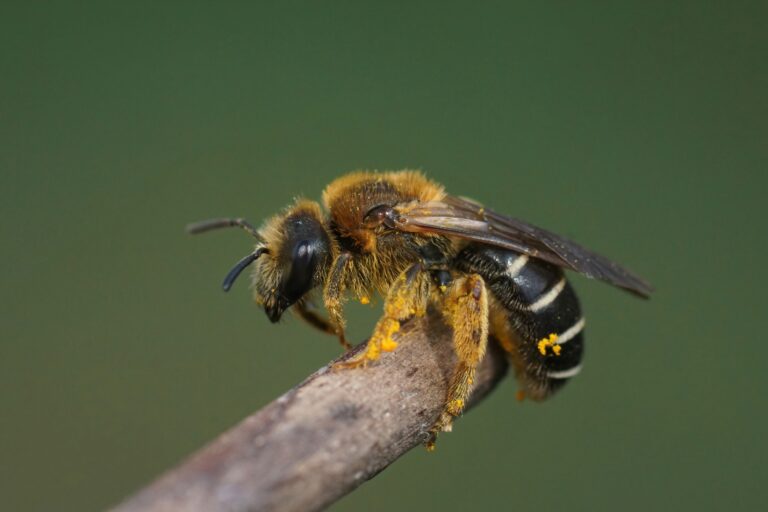
Furrow Bee
Small bees, big pollination power

Small bees, big pollination power
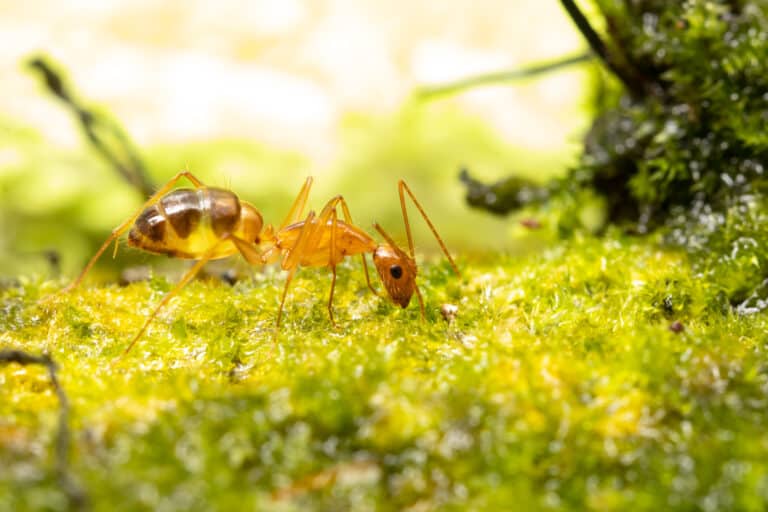
Small ant, supercolony impact
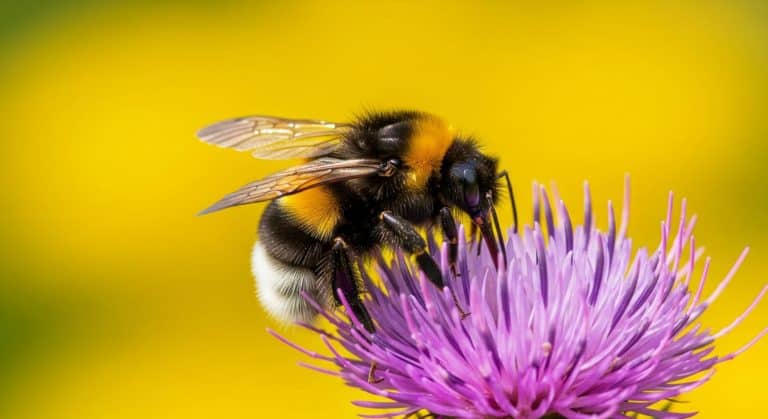
Built for buzz, born to pollinate
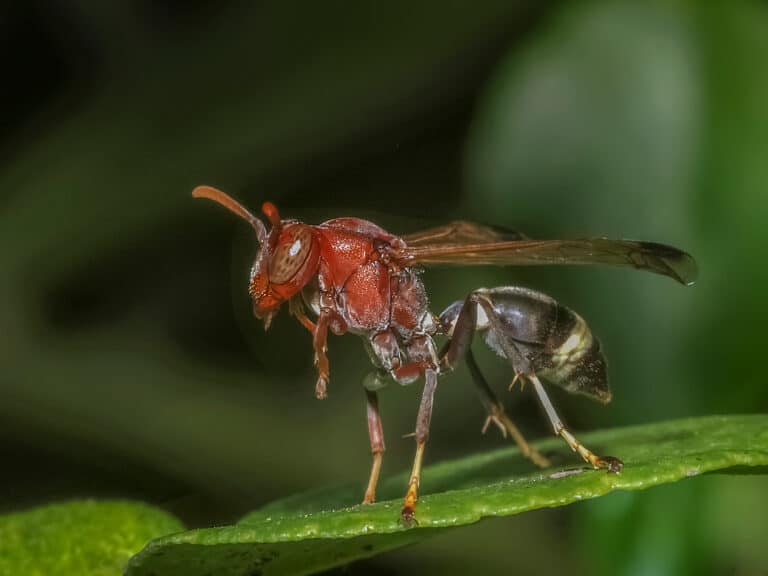
Open-comb builders of the Carolinas
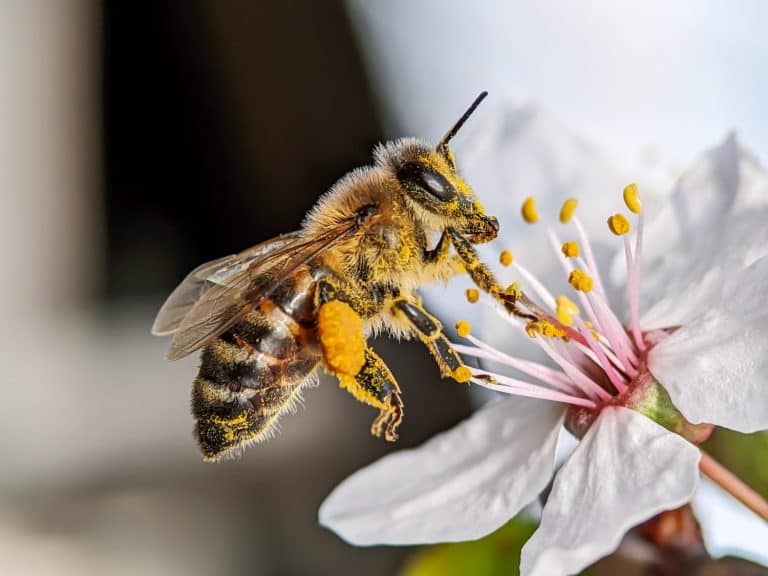
One genus, many hives-planetwide pollinators
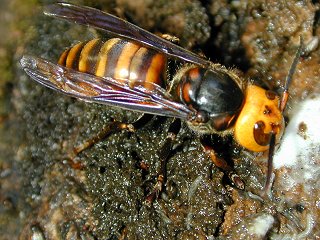
Big hornet. Bigger impact.
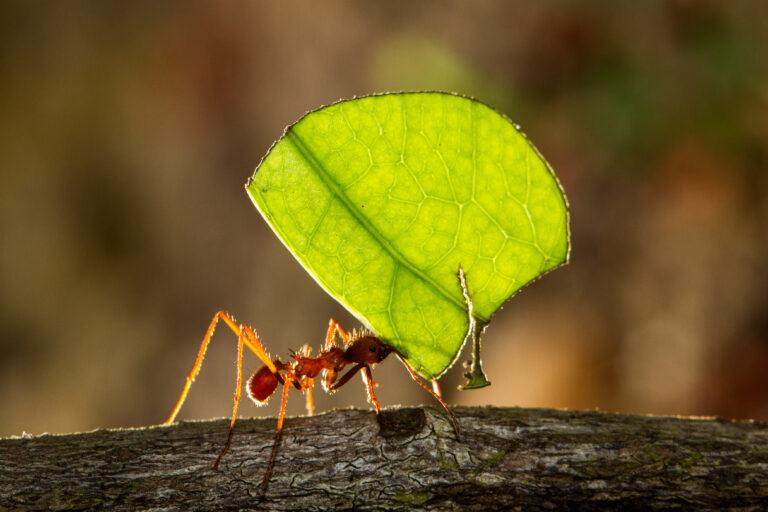
Farmers of the forest floor
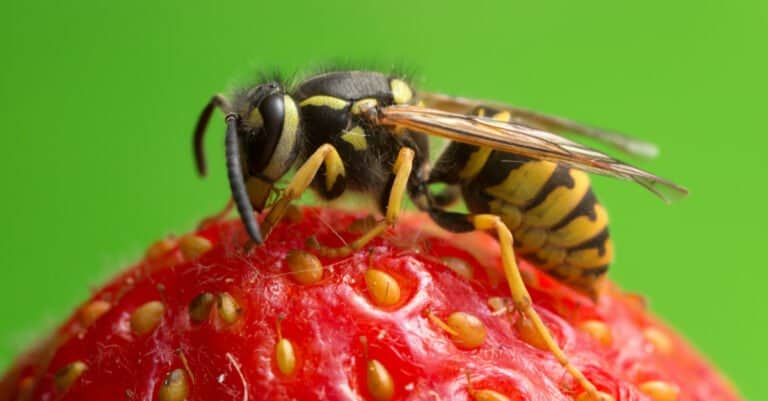
Paper nests, sharp teamwork, bold stripes

True hornets: paper architects, insect hunters
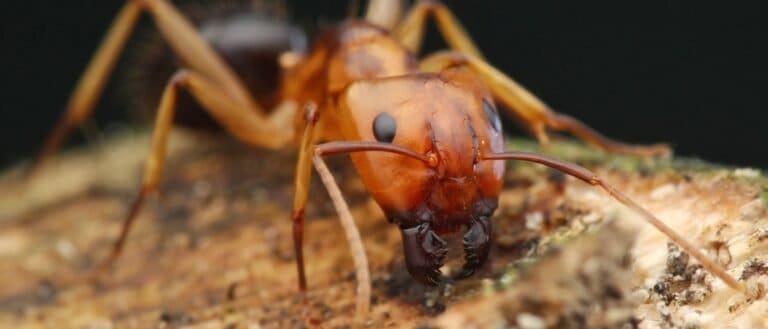
Big ants, smooth galleries, no wood-eating.
Eusocial mating is a colony-based reproductive system characterized by a strong division of labor in which one (or a few) specialized reproductive individuals produce most offspring while the majority of colony members act as non-reproductive workers or helpers. Reproduction is organized at the colony level rather than through stable pair bonds or individual breeding territories.
Eusocial colonies put reproduction in one or a few queens (sometimes with some males). Most workers or soldiers do not reproduce; they forage, care for young, build nests, and defend the colony. Mating is limited to reproductives and happens in events like swarms or dispersal flights, or inside the nest. Females can store sperm and lay eggs long-term. Colonies may be founded by one queen (monogyny) or many (polygyny). Workers use signals and policing to keep reproduction divided.
Found across: Insects (especially Hymenoptera: ants, bees, many wasps), Insects (especially termites; Blattodea), Some other insects with eusocial or eusocial-like systems (e.g., certain thrips, aphids, some beetles), Rare in vertebrates but occurs in a few mammals (notably African mole-rats)
Most individuals in a eusocial colony never mate at all-natural selection can still "favor" their genes through kin selection, because helping close relatives reproduce can spread shared genes.
In many ants, bees, and wasps, sex is controlled by haplodiploidy: unfertilized eggs become males and fertilized eggs become females. This unusual genetics can make sisters especially closely related, helping eusociality evolve in some lineages.
A queen's mating choices can shape an entire society's behavior: when queens mate with multiple males, worker relatedness drops-but colonies often gain disease resistance and productivity through increased genetic diversity.
Some eusocial queens store sperm for years (even decades) after a short mating period, effectively turning one brief mating "event" into a lifetime of reproduction.
Eusocial reproduction isn't limited to insects: naked mole-rats and Damaraland mole-rats also have a queen-like system where a dominant female monopolizes breeding while others act as workers.
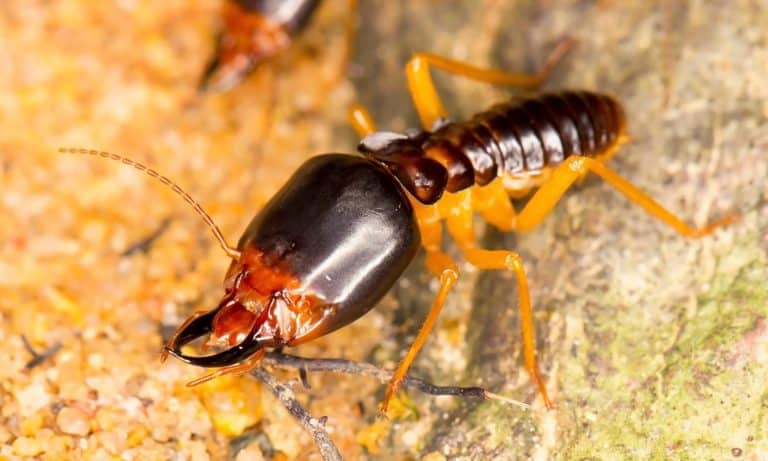
Nature's master recyclers (and builders)
Built for buzz, born to pollinate
One genus, many hives-planetwide pollinators
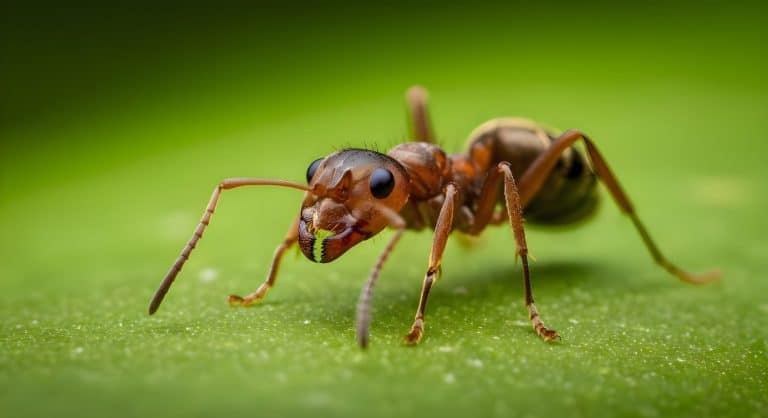
Small bodies, superorganism power
Big hornet. Bigger impact.
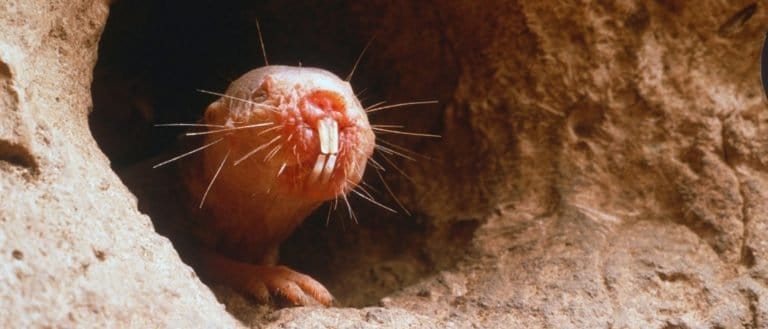
One queen. Hundreds of helpers. No air? No problem.
Big ants, smooth galleries, no wood-eating.
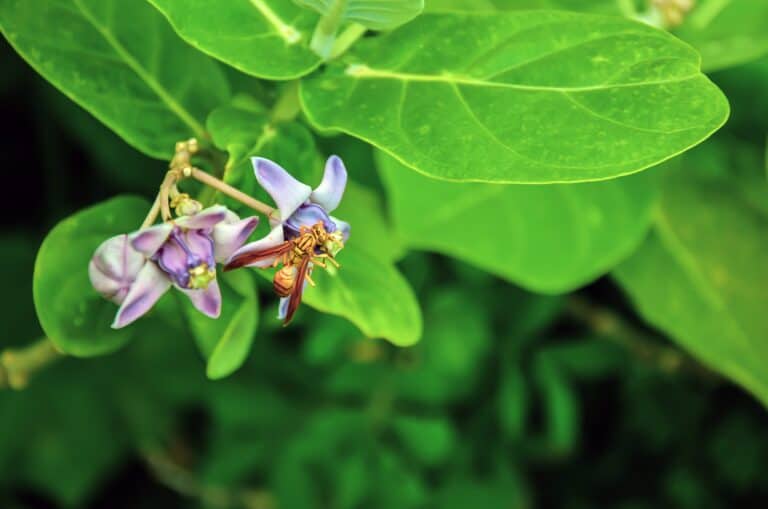
Big paper wasp, bigger attitude
Open-comb builders of the Carolinas
True hornets: paper architects, insect hunters
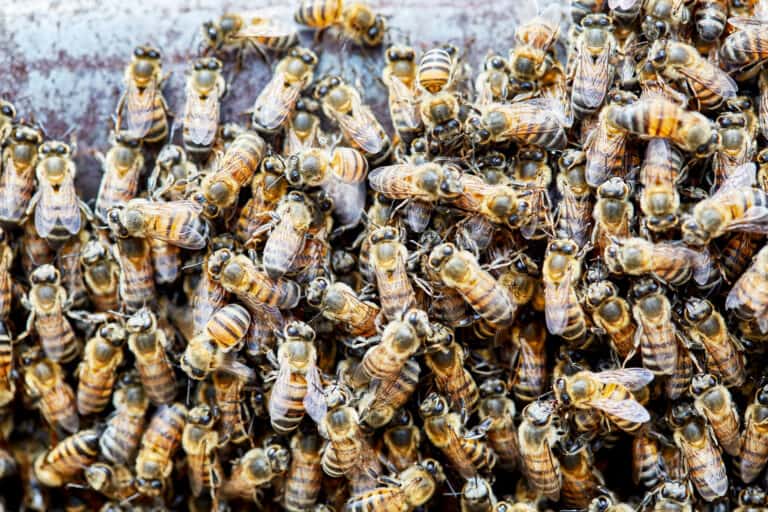
Same species-different attitude.
Small ant, supercolony impact
Farmers of the forest floor
Paper nests, sharp teamwork, bold stripes
Small bees, big pollination power
Thank you for reading! Have some feedback for us?
We appreciate your help in improving our content.
Our editorial team will review your suggestions and make any necessary updates.
There was an error submitting your feedback. Please try again.