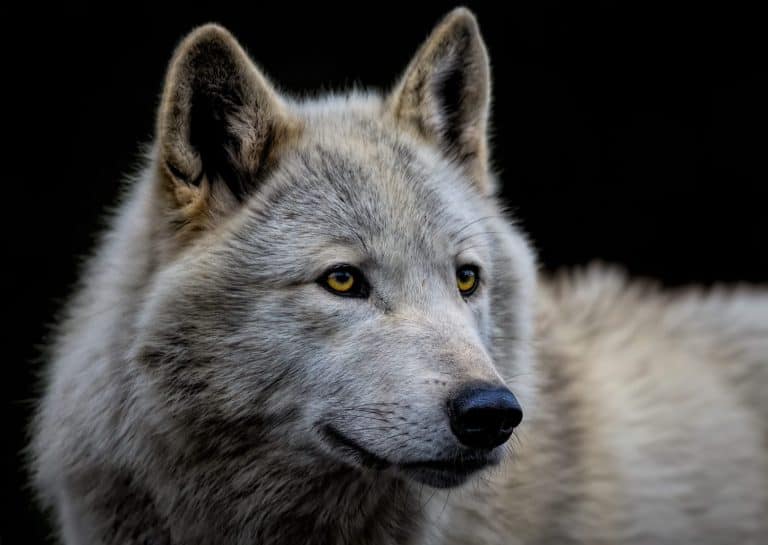
Arctic Wolf
Built for the High Arctic

Built for the High Arctic

Golden mane, forest guardian

North America's Ice Age lion
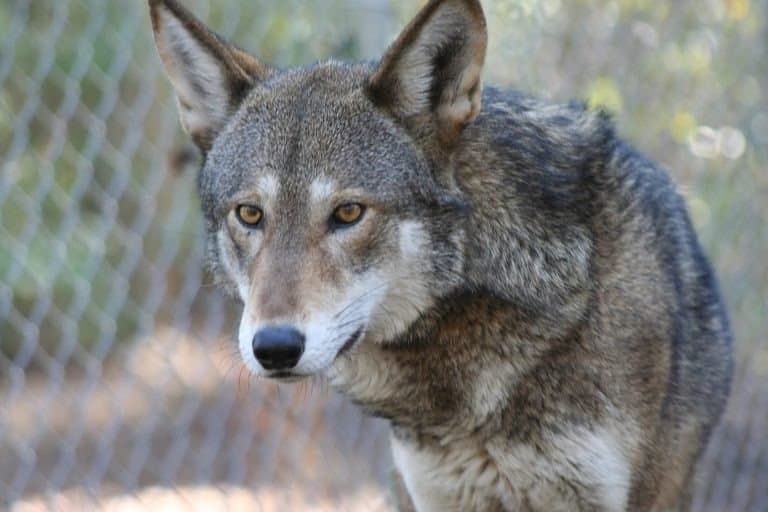
America's rarest wild wolf

Kalahari's cooperative lookout
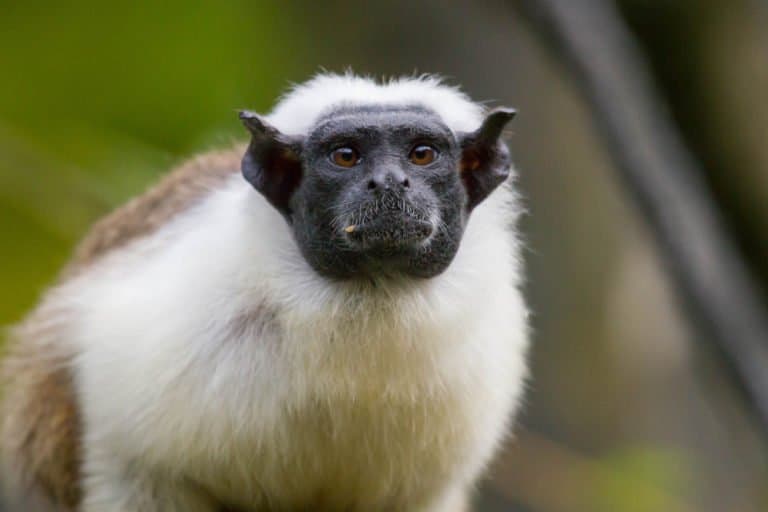
Manaus' black-and-white forest neighbor
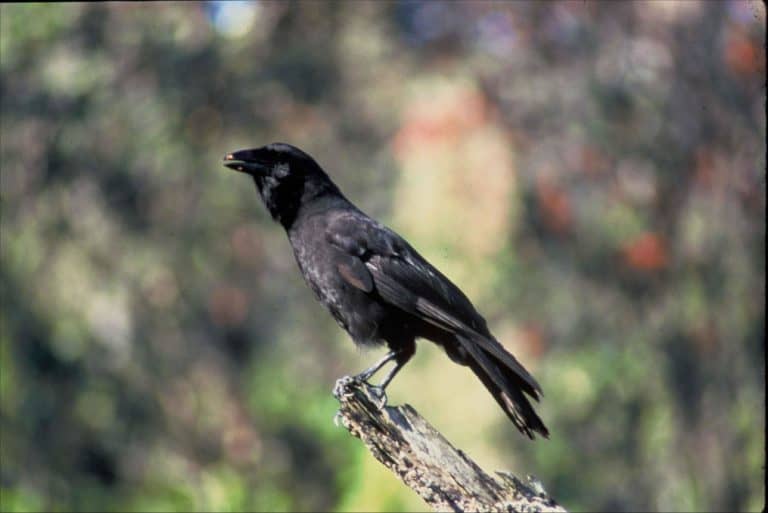
'Alala: Restoring Hawaii's forests
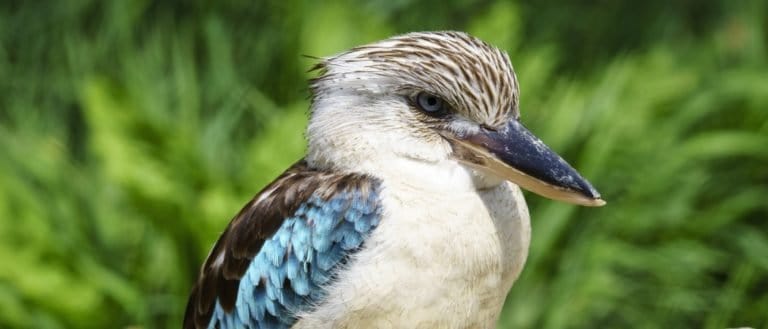
The bush's laughing alarm clock
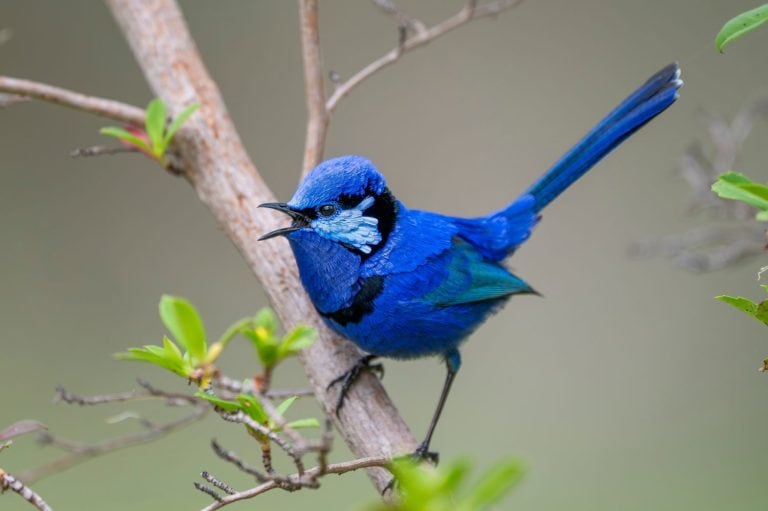
Small birds, big social drama
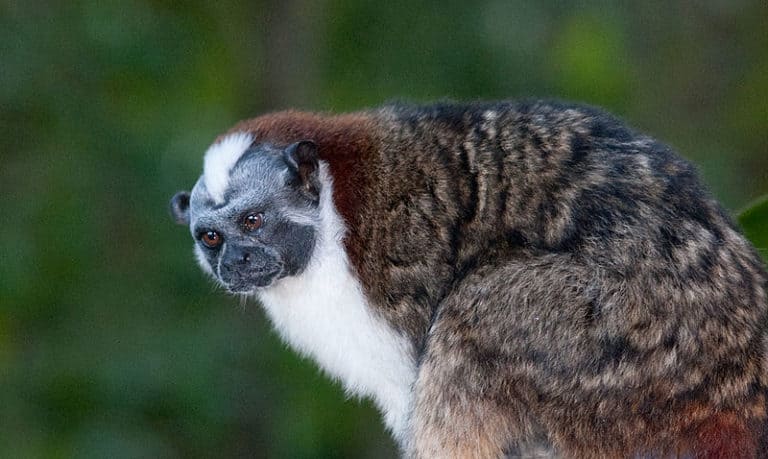
Panama's cooperative twin-raiser
Cooperative breeding is a mating and reproductive system in which one dominant breeding individual or pair produces most (or all) offspring in a social group, while additional nonbreeding group members ("helpers") assist in rearing young. Reproduction is thus embedded in a group-living context where help from others is a routine part of successful breeding.
In cooperative breeding, a group centers on a main breeder or breeding pair that does most of the mating and offspring. Other members—often older young, relatives, or sometimes outsiders—stay as helpers instead of breeding. Helpers feed, babysit, carry young, guard territory, and watch for predators, raising juvenile survival. Dominants often block subordinate breeding by aggression, eviction, or control of nests. Subordinates may stay to inherit, learn, or gain indirect benefits by helping kin.
Found across: Birds (especially passerines and some woodpeckers-helpers-at-the-nest is common), Mammals (notably canids, mongooses, meerkats, and callitrichid primates like marmosets/tamarins), Some fishes with strong social hierarchies and territoriality (e.g., anemonefishes), Occasionally reptiles and amphibians in species with family living and extended parental/guarding behavior (rarer than birds/mammals)
"Babysitters" sometimes aren't parents at all-helpers can be older siblings, aunts/uncles, or unrelated group members, and their payback is often future territory inheritance, social status, or survival benefits rather than immediate babies.
Cooperative breeding can turn childrearing into an assembly line: in species like meerkats, individuals rotate roles (sentinel duty, pup-feeding, babysitting), so the group functions like a coordinated care team.
Some cooperative breeders are secretly "soap-operas with childcare": in birds like superb fairy-wrens, many nestlings are fathered by males outside the social group, yet helpers (often the social male's sons) still feed and protect those chicks.
Helpers can boost infant survival dramatically because they add food, defense, and heat. In harsh or unpredictable environments, that extra buffer can be the difference between a whole brood making it or none.
Cooperative breeding isn't just "nice"-it can be enforced. Dominant breeders in some species actively suppress subordinate reproduction through aggression, eviction, or hormonal stress, effectively channeling effort into helping.
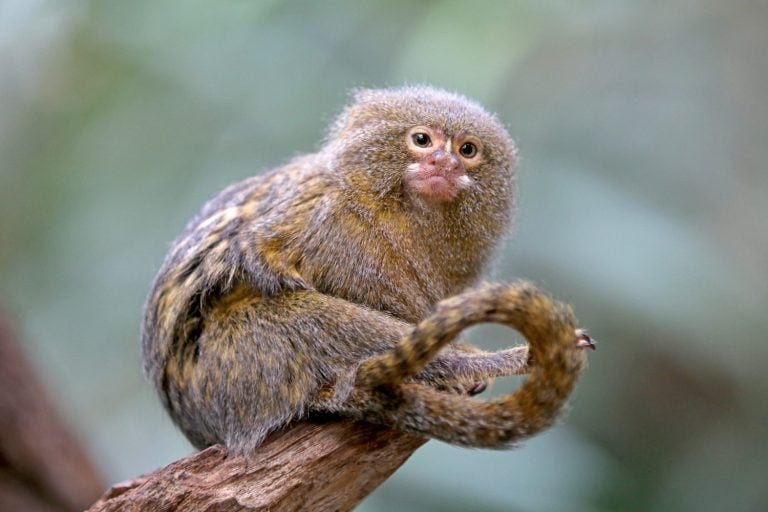
Tiny sap-sipping acrobats of the Amazon
Kalahari's cooperative lookout
Built for the High Arctic
Golden mane, forest guardian

Australia's wild voice of the outback
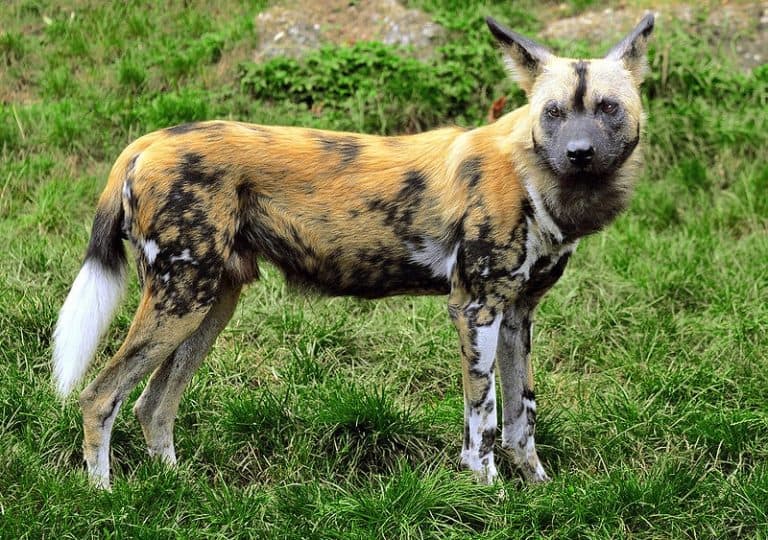
Painted packs, perfect teamwork.
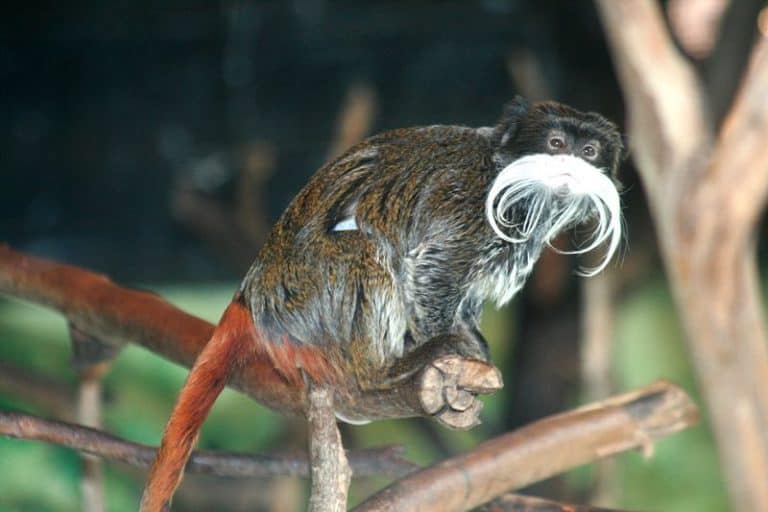
The rainforest monkey with a moustache

Colombia's crested forest acrobat
Panama's cooperative twin-raiser
Manaus' black-and-white forest neighbor
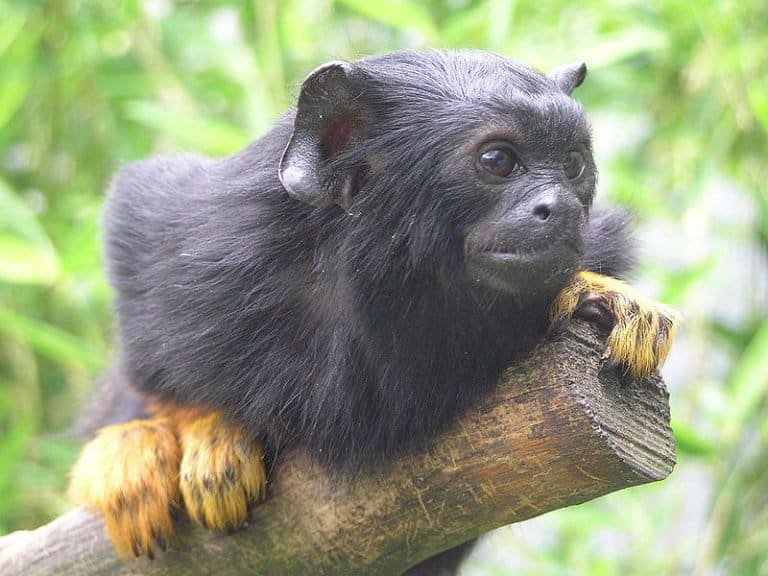
Tiny monkey, blazing red hands.
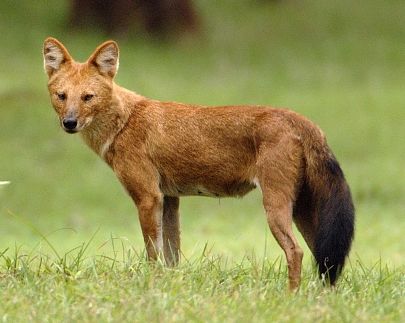
The Whistling Pack Hunter of Asia
America's rarest wild wolf
'Alala: Restoring Hawaii's forests
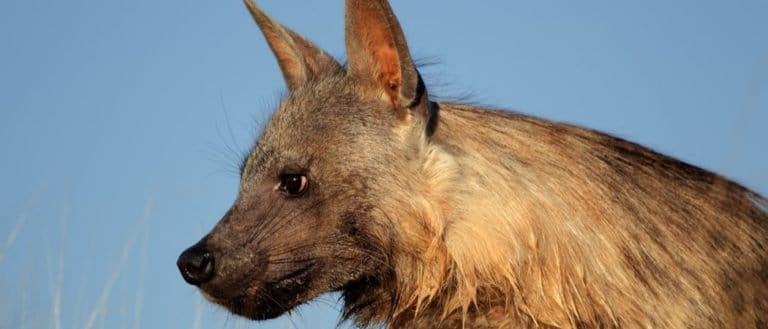
Shaggy scavenger of the Kalahari
The bush's laughing alarm clock
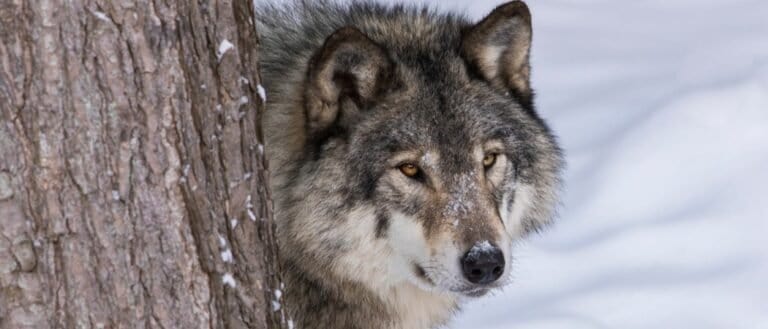
Mackenzie's big-pack apex hunter

The hawk that hunts as a team
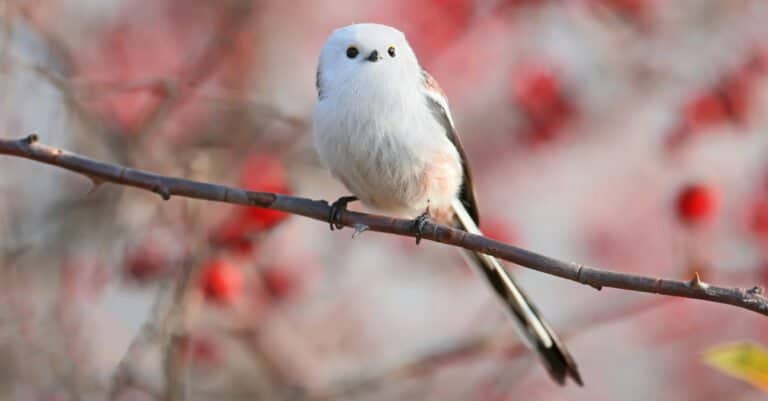
Long tail, tight flock, big personality
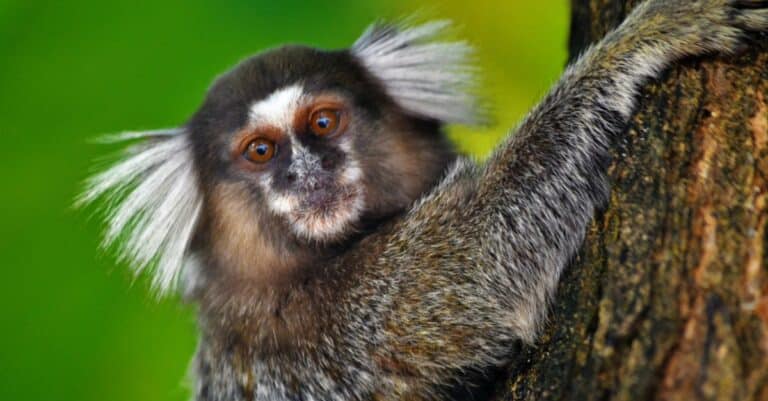
Tiny primates, big teamwork.
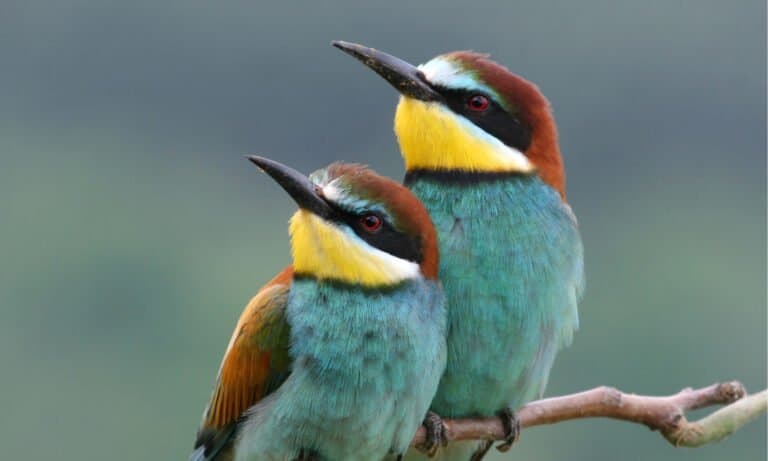
Colorful aerial hunter of summer skies
The Pleistocene's powerhouse wolf
Small birds, big social drama
North America's Ice Age lion
Thank you for reading! Have some feedback for us?
We appreciate your help in improving our content.
Our editorial team will review your suggestions and make any necessary updates.
There was an error submitting your feedback. Please try again.