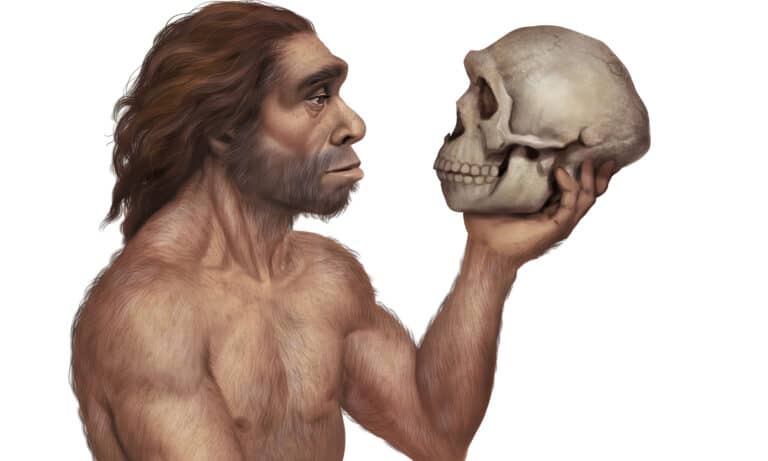
Neanderthal
Not cavemen-Ice Age people

Not cavemen-Ice Age people
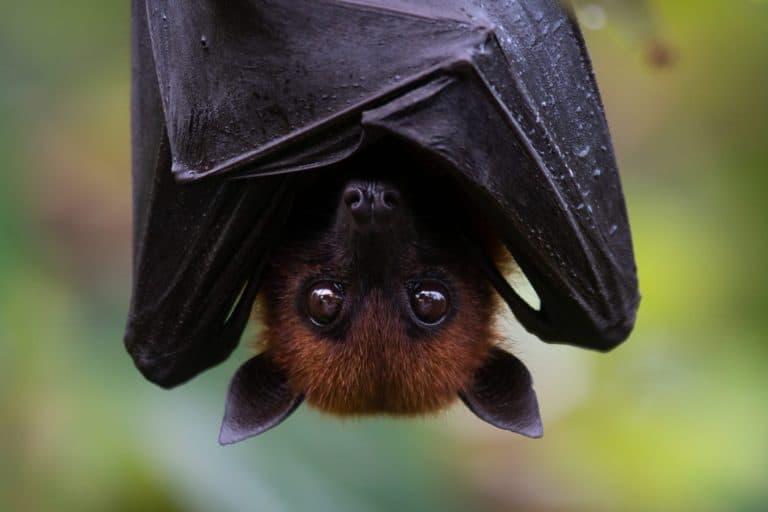
Night pilots of the mammal world
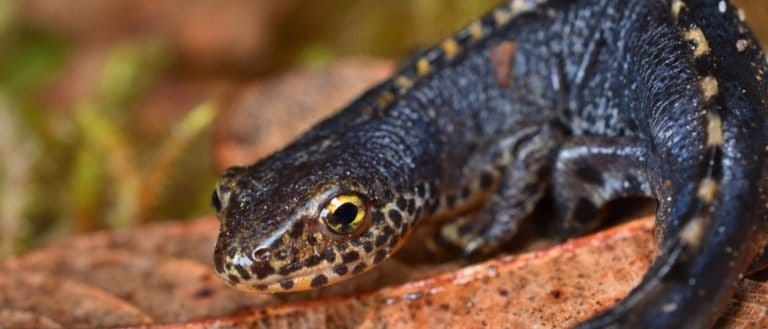
Crests, ponds, and potent defenses
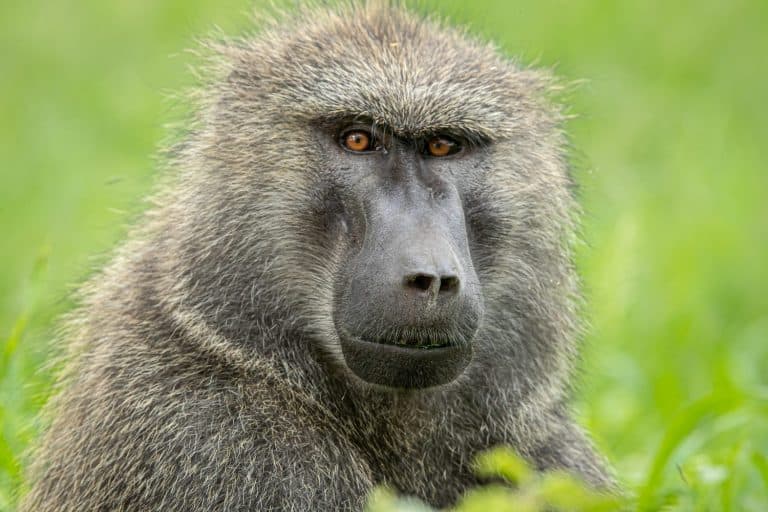
Big brains, bold troops, wild Africa
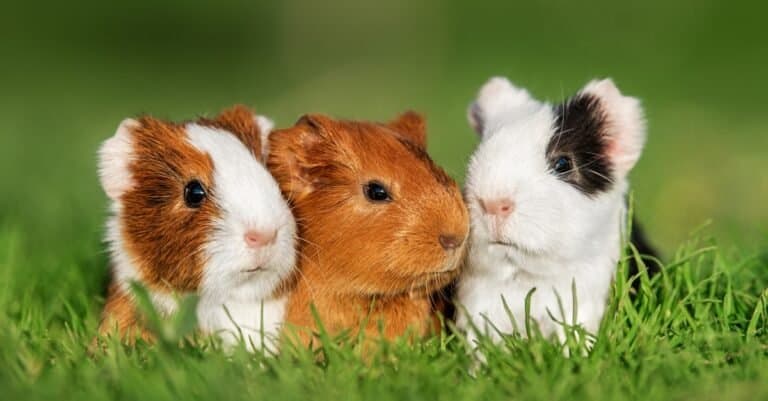
Tailless grazers with big voices
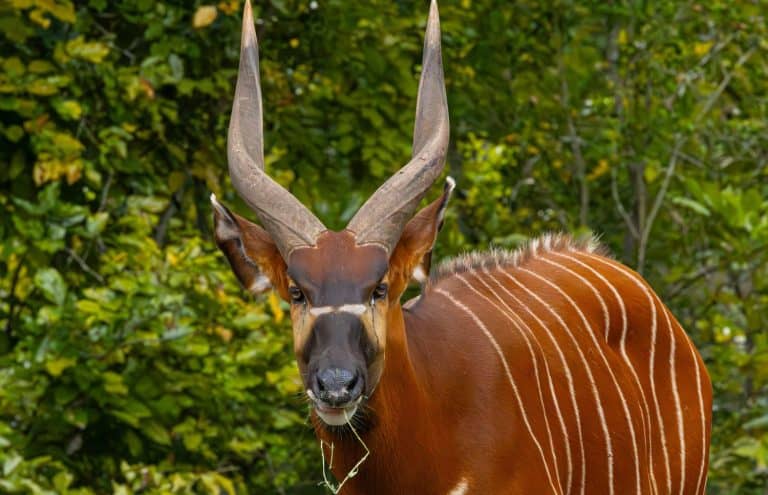
Spiral horns, forest shadows
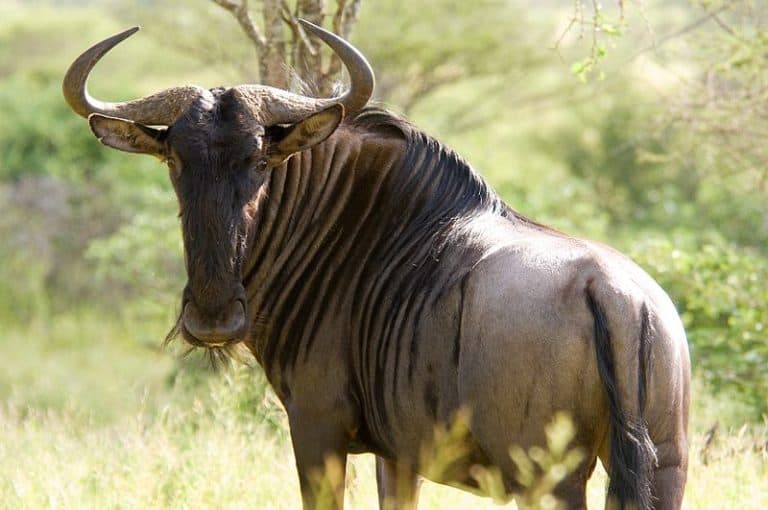
Built for the grasslands' grand herds
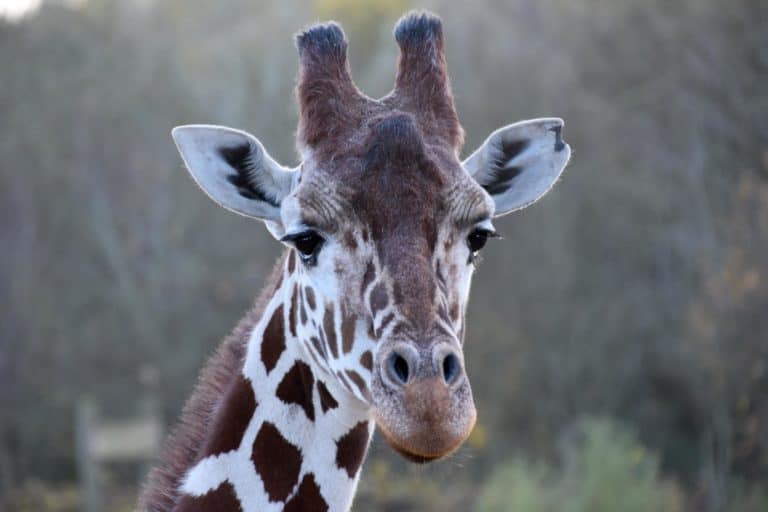
Spots, height, and silent savanna giants
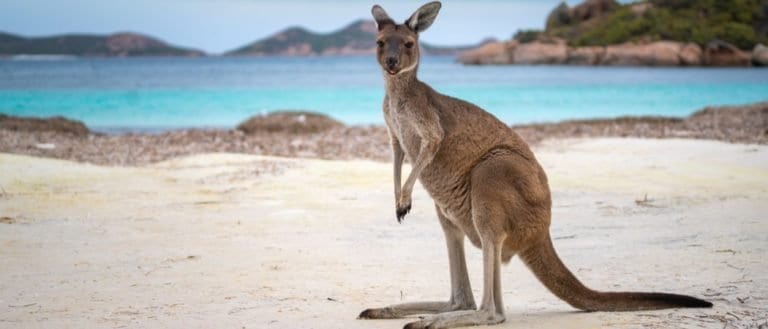
Big hops, big pouches, big variety
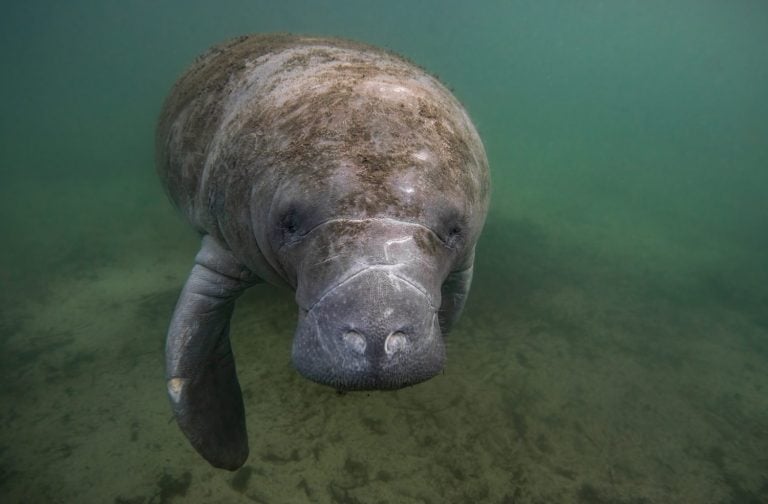
Gentle giants of warm waters
Aggregation / Group mating is a social organization in which individuals temporarily come together in a group primarily to obtain mating opportunities, rather than to maintain stable, long-term social bonds. These mating-focused gatherings are often seasonal or triggered by specific events and typically dissolve after reproduction.
In an aggregation or group system, otherwise solitary animals gather at certain places (breeding sites, display areas) or times (short breeding season) to meet mates. The group is temporary for courtship and quick mating. Group size and sex mix vary. Some individuals mate many times while others mate few or none from competition or choice. After mating or spawning/oviposition they usually disperse. Gatherings are seasonal; animals may return to the same site but not the same mate.
Found across: Many marine invertebrates (corals, echinoderms, polychaete worms) that broadcast-spawn in synchronized events, Schooling/spawning-aggregation fishes (herrings, groupers, salmonids, reef fishes), Some reptiles with seasonal breeding concentrations (snakes in mating balls, sea turtles near rookeries), Short-lived aerial insects that mate in swarms (mayflies, midges, some flies), Some migratory or seasonally breeding mammals that mate within temporary herds or leks (e.g., certain ungulates; lekking is a related group-based strategy)
In many "aggregation-for-mating" systems (like leks), females may get to be extremely choosy while males provide no food, territory, or parental care-yet a tiny fraction of top-performing males can win most of the matings in a single season.
Timing can be so precise it looks choreographed: many species form mating groups only when cues line up (moon phase, tides, temperature, rainfall). Coral mass-spawning, for example, can involve dozens of species releasing gametes within the same narrow window at night.
Temporary mating crowds can act like information hubs: arriving individuals can use the presence of others as a shortcut signal that "conditions are right," reducing the cost of searching for mates across huge areas.
Mating aggregations can create "instant evolution labs," where strong sexual selection gets concentrated in a few days-driving elaborate displays, intense competition, and rapid shifts in who succeeds from year to year.
Some aggregations are so dense that the group itself changes the physical environment (water turbulence, scent plumes, noise), which can amplify signals and help individuals find the event from far away.
Night pilots of the mammal world
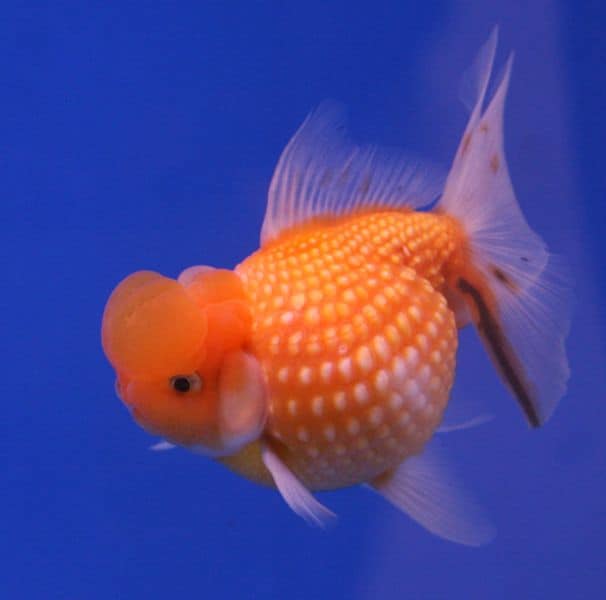
Bony rays, endless ways.
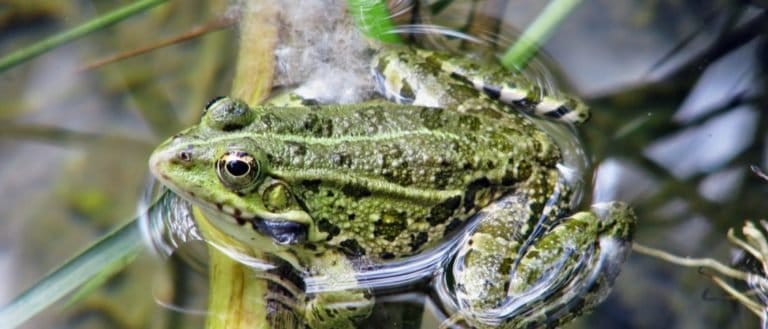
Tailless jumpers, masters of change
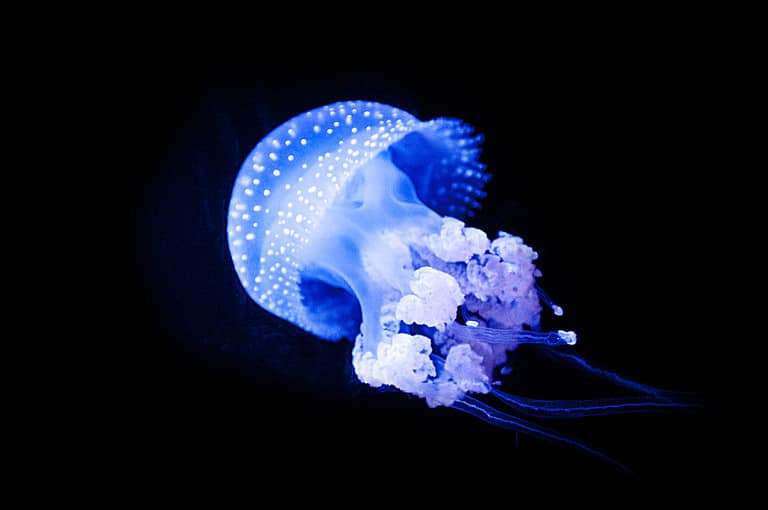
Sting-powered drifters of the sea
Big hops, big pouches, big variety
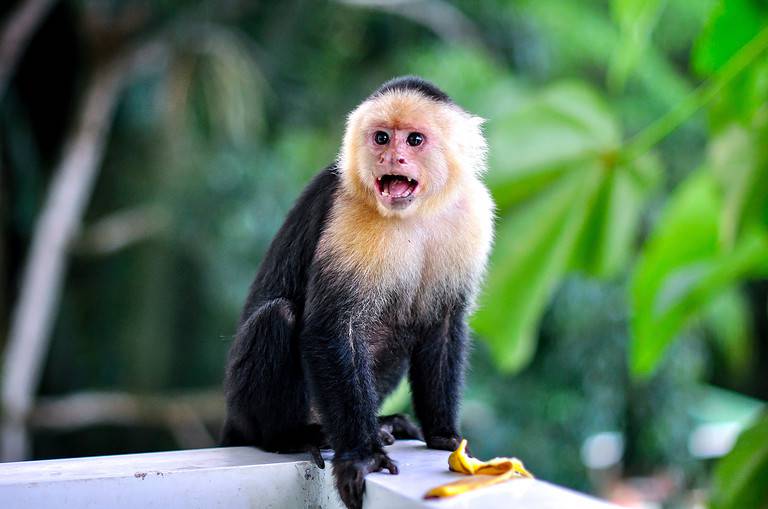
Hands, minds, and social lives
Not cavemen-Ice Age people
Crests, ponds, and potent defenses
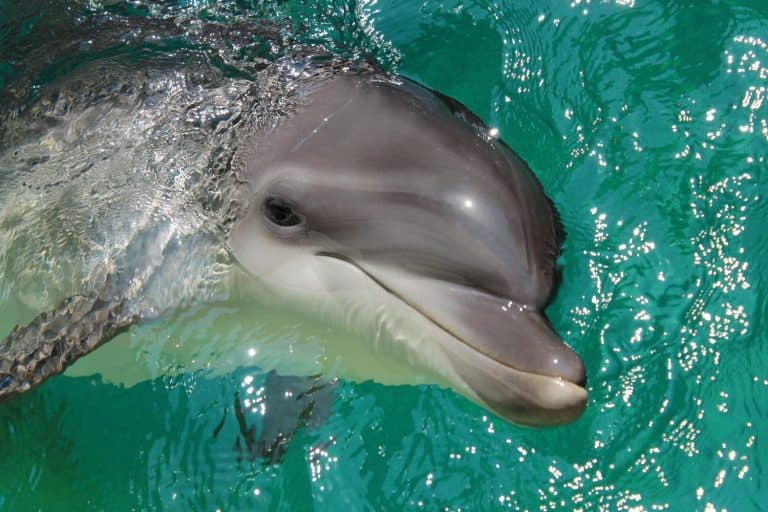
Built for the surf-and sonar.
Gentle giants of warm waters
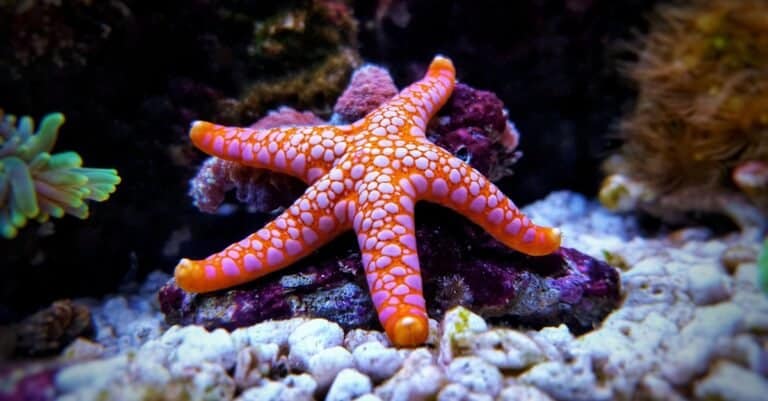
Hydraulic feet, star-shaped predators
Big brains, bold troops, wild Africa
Spots, height, and silent savanna giants
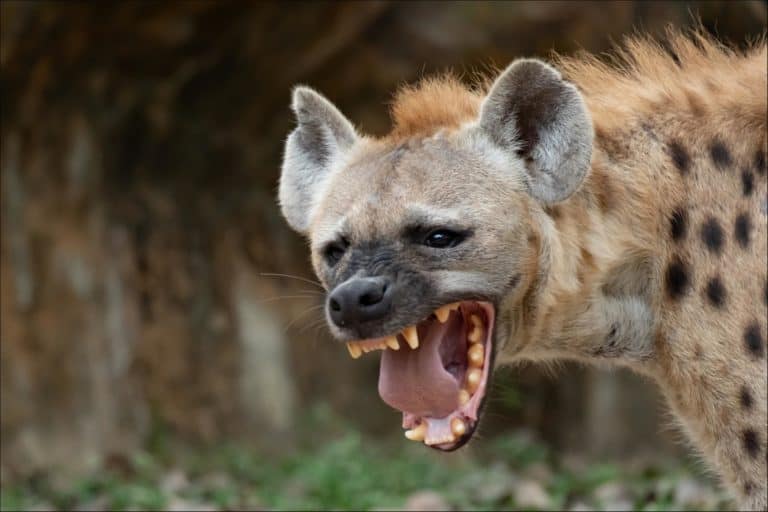
Bone-crushers, termite-lappers, ecosystem keepers
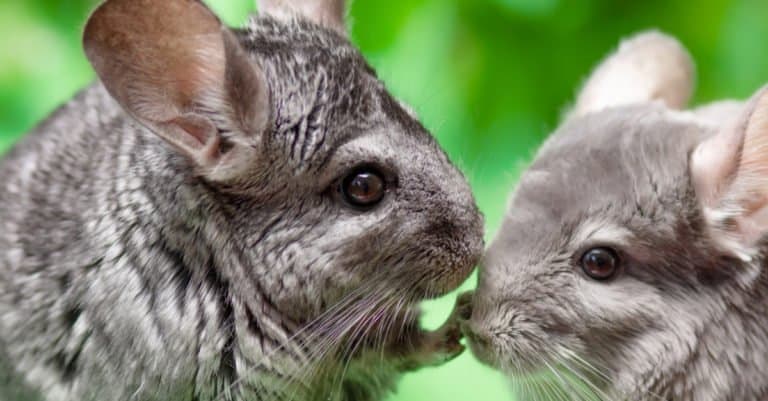
Andean acrobats in a coat of clouds
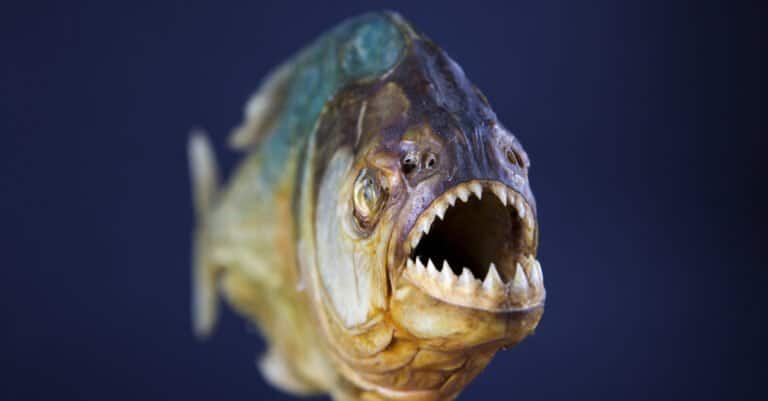
More than movies: jaws, seeds, and strategy
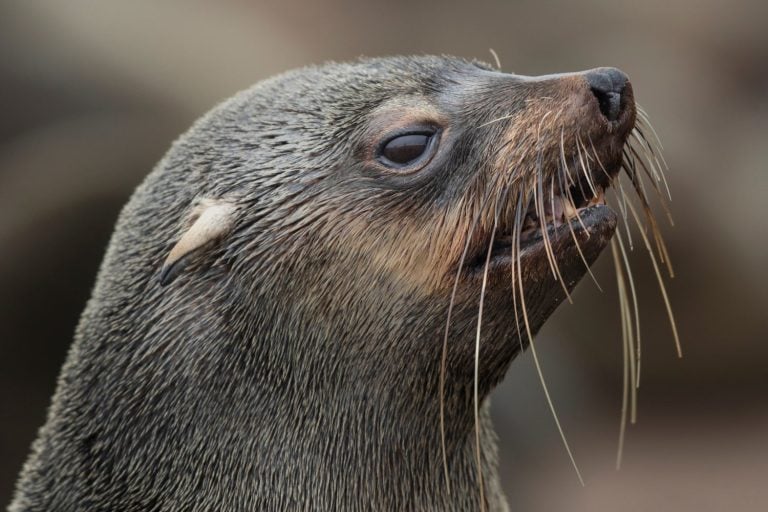
Earless divers of the world's seas
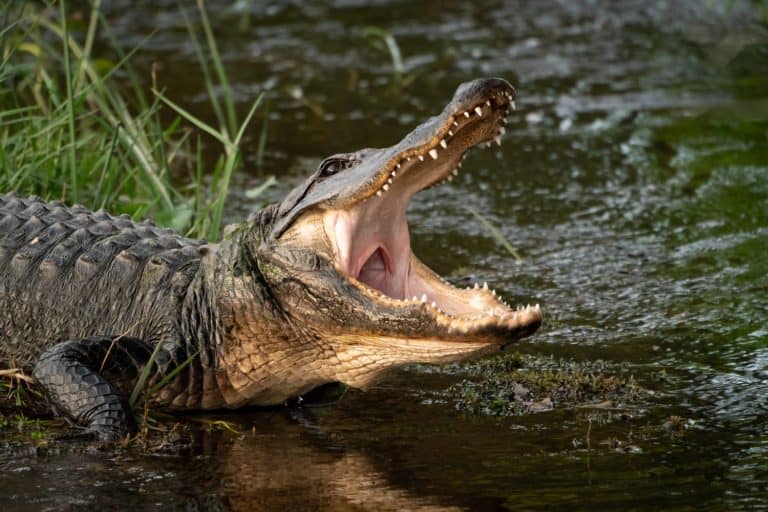
U-snout wetland engineer
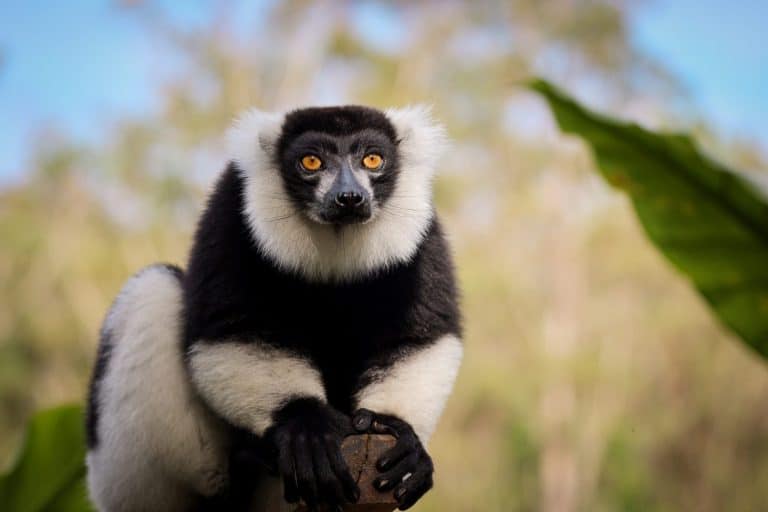
Lemurs: Madagascar's primate marvels
Spiral horns, forest shadows

Ancient shells, modern survivors
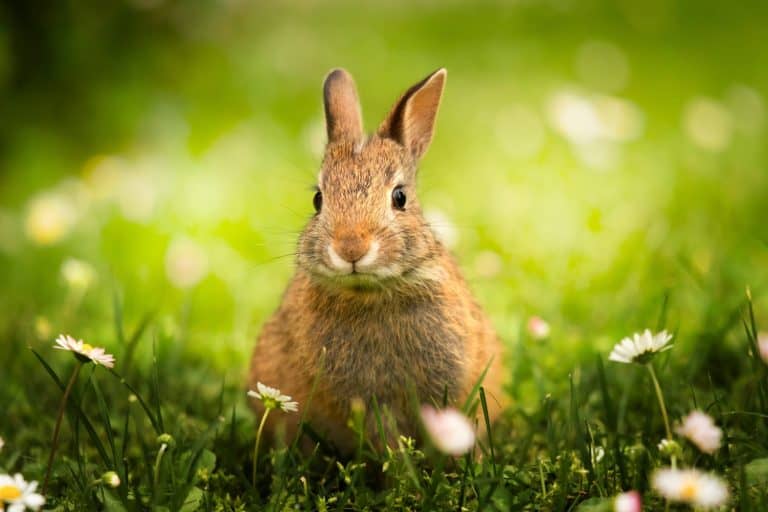
Fast feet, big ears, clever guts.
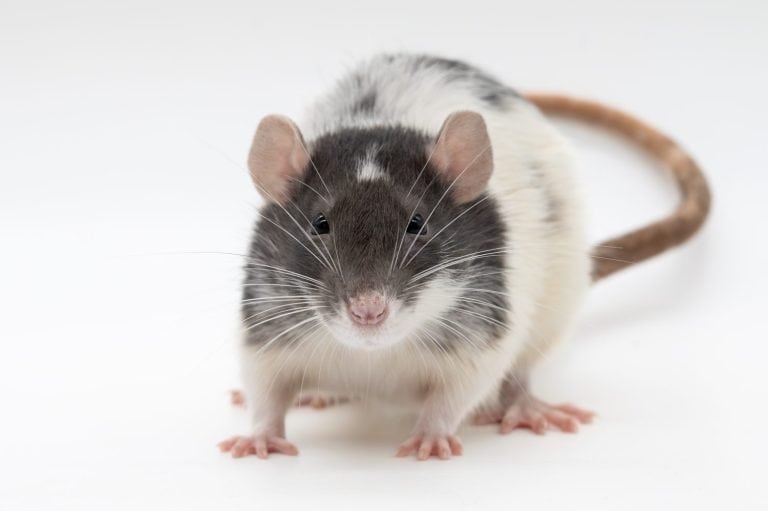
True rats: master adapters
Tailless grazers with big voices
Thank you for reading! Have some feedback for us?
We appreciate your help in improving our content.
Our editorial team will review your suggestions and make any necessary updates.
There was an error submitting your feedback. Please try again.