
Parrot
Brains, beaks, and big voices

Brains, beaks, and big voices
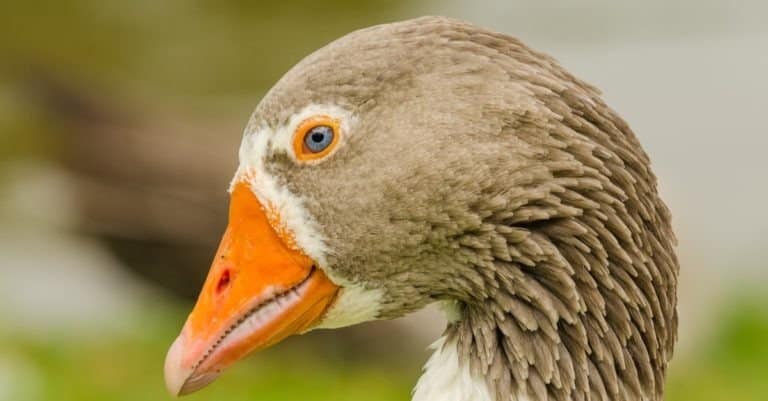
Webbed feet, sky roads, wetland lives
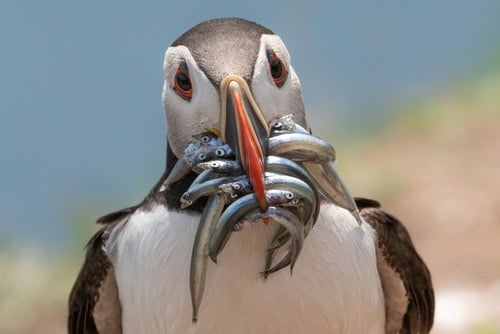
Wing-powered divers of the cold seas

The hoot that rules the woods

Small canids, big survival skills
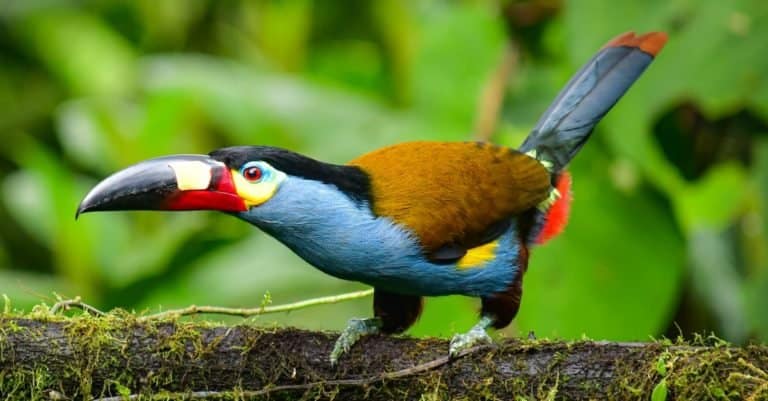
Big bill, bigger forest role
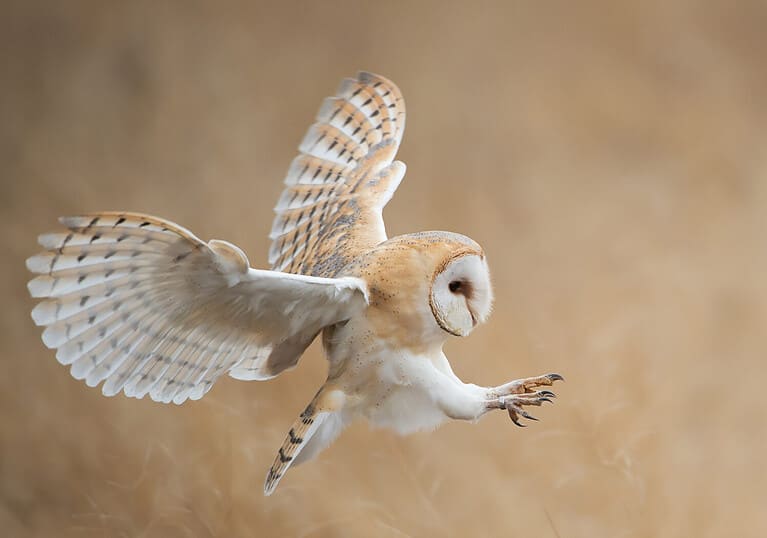
Heart-faced hunter of the night
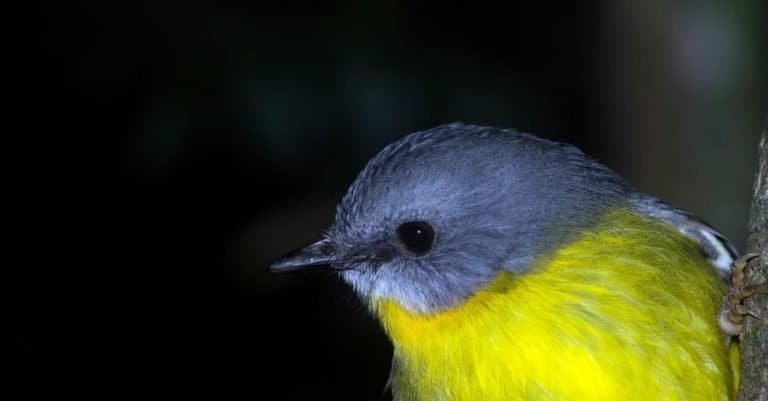
Different birds, one familiar name

Plain feathers, legendary night song
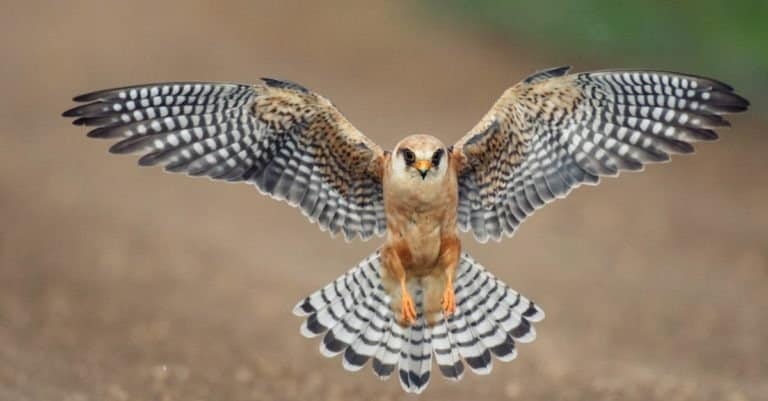
Speed, smarts, and sky mastery
Socially monogamous mating is a system in which one male and one female form a stable social pair bond and typically share space, resources, and/or parental duties. Although the pair functions as a unit, sexual exclusivity is not assured and extra-pair copulations may occur.
Socially monogamous pairs are a male and female that form a lasting social partnership, often around a shared territory, nest, or home range. They coordinate daily tasks like looking for food, watching for danger, and defense. Cooperation helps when young need much care or when partners must guard resources. Mating usually happens within the pair, but extra-pair copulations (EPCs) can occur, so extra-pair paternity can vary. Pairs often share parental care, and bonds may be short- or long-term.
Found across: Birds (especially many passerines/songbirds, seabirds, waterfowl, raptors), Mammals (uncommon overall, but present in canids, some rodents, some primates), Fishes (notably some seahorses and pipefishes with pair bonding in certain species/populations)
"Monogamy" often means teamwork, not exclusivity: many socially monogamous species form stable pair bonds and share nesting/defense, yet a noticeable fraction of chicks can be sired by extra-pair males.
Birds are the poster children of social monogamy: most bird species are described as socially monogamous, largely because two parents dramatically boosts chick survival (feeding, guarding, incubating).
Extra-pair mating can be a genetic "insurance policy": females may gain better genes or compatible genes while keeping a reliable partner who helps raise the young.
Pair bonds can act like a strategic alliance: in many species, staying paired improves territory retention and coordinated defense-so the relationship can be selected for even when genetic fidelity is imperfect.
"Mate guarding" and "paternity confusion" can both evolve inside social monogamy: some males increase closeness and vigilance during fertile periods, while some females may benefit when multiple males think they could be the father (reducing infanticide risk in some taxa).

Built for blizzards, born for tundra
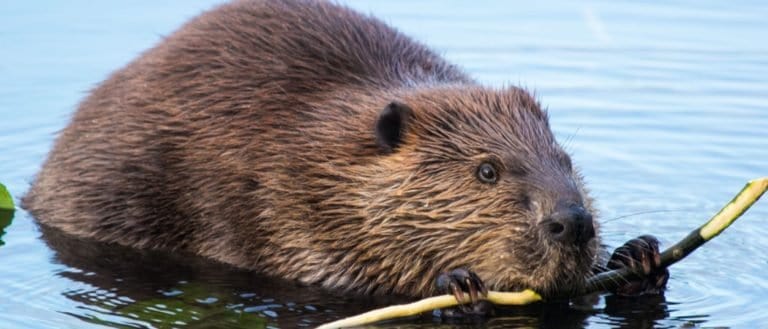
Build wetlands, shape worlds.

Webbed feet, world travelers.
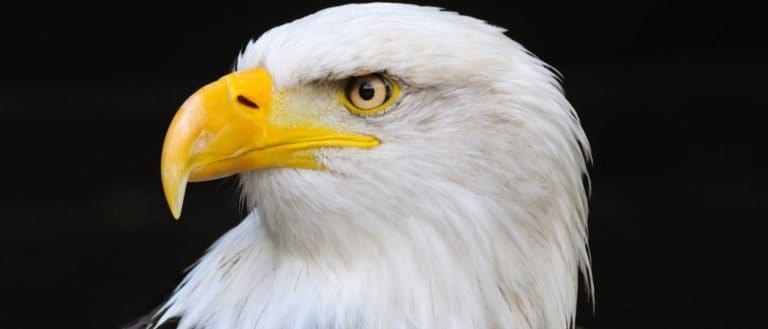
Built to soar, born to strike

From dunes to tundra-fox smart.
Webbed feet, sky roads, wetland lives
Small canids, big survival skills
Plain feathers, legendary night song

Born to dive, dressed to endure

Packs, howls, and healthy wildlands
Speed, smarts, and sky mastery
Heart-faced hunter of the night
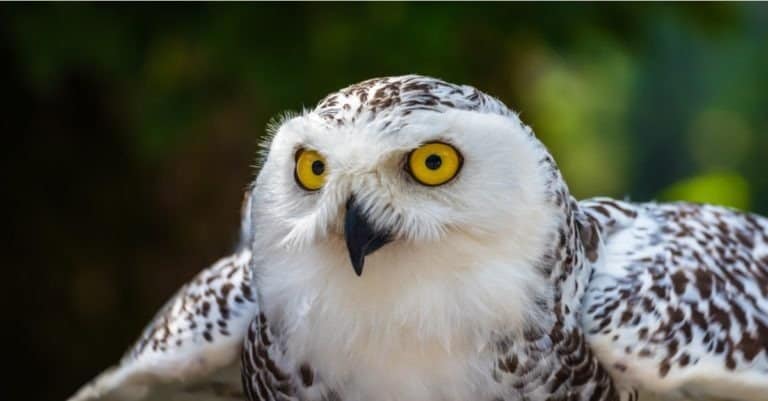
White hunter of the wide tundra
The hoot that rules the woods
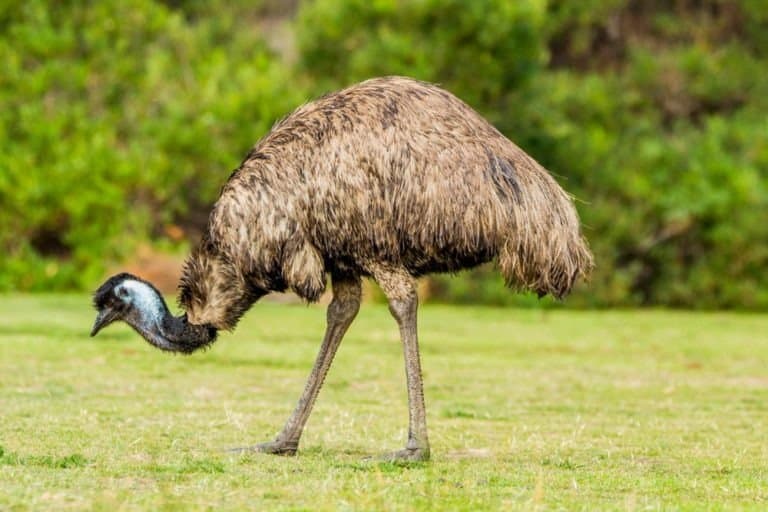
Fast feet, big bird, Aussie icon
Brains, beaks, and big voices
Big bill, bigger forest role
Wing-powered divers of the cold seas

Long necks, loud wings, living legends.

Built for every habitat.
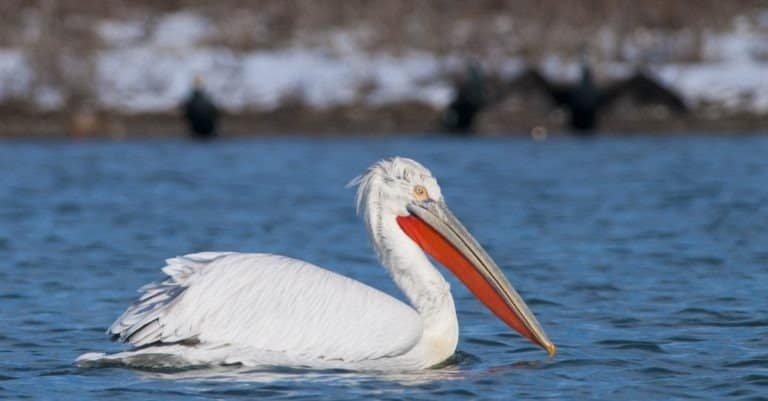
Big bill, bigger teamwork.
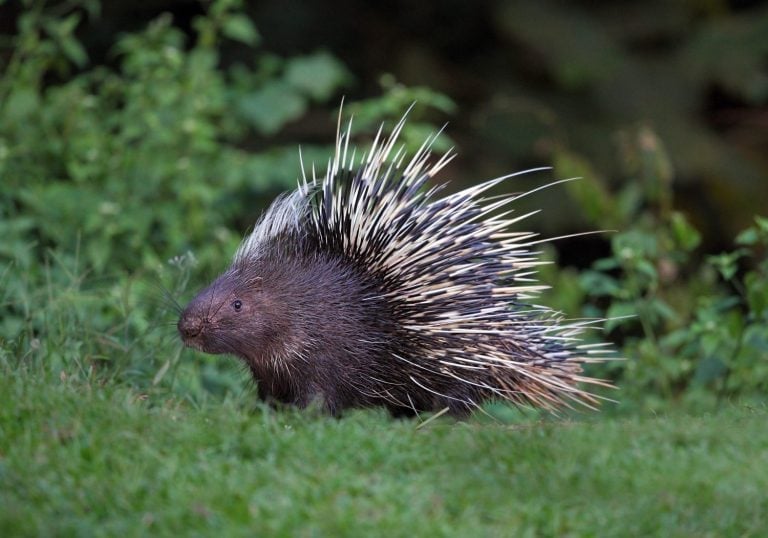
Spines out, trouble out
Different birds, one familiar name

The culture-building biped
Thank you for reading! Have some feedback for us?
We appreciate your help in improving our content.
Our editorial team will review your suggestions and make any necessary updates.
There was an error submitting your feedback. Please try again.