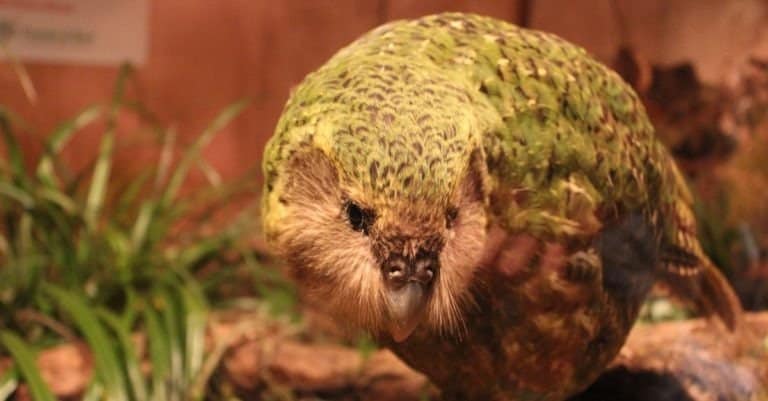
Kakapo
Booming nights, ancient parrot life

Booming nights, ancient parrot life
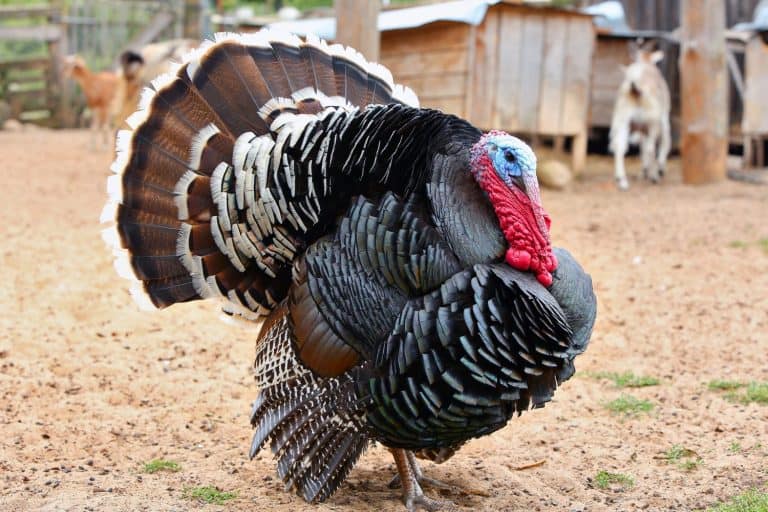
Big woods. Big gobble.
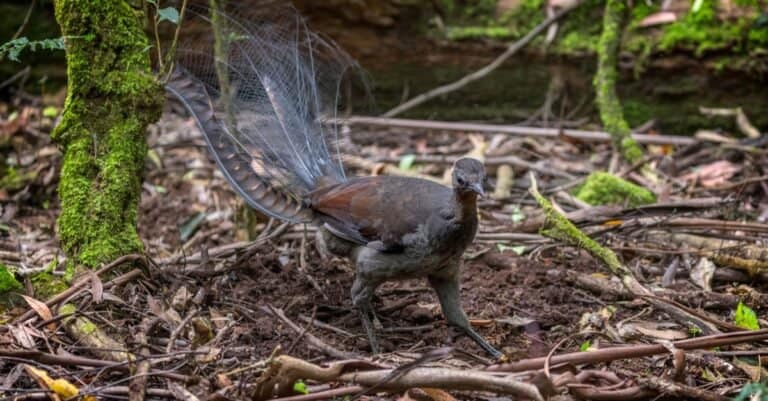
Australia's master mimic songbirds
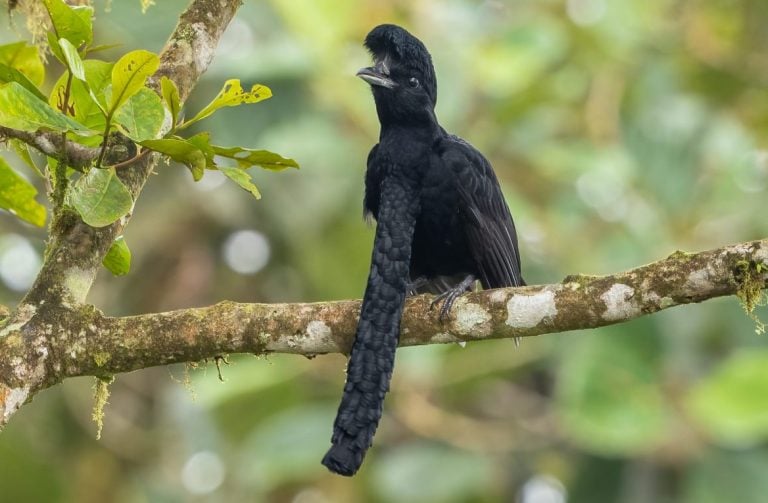
Booming voices of the rainforest canopy
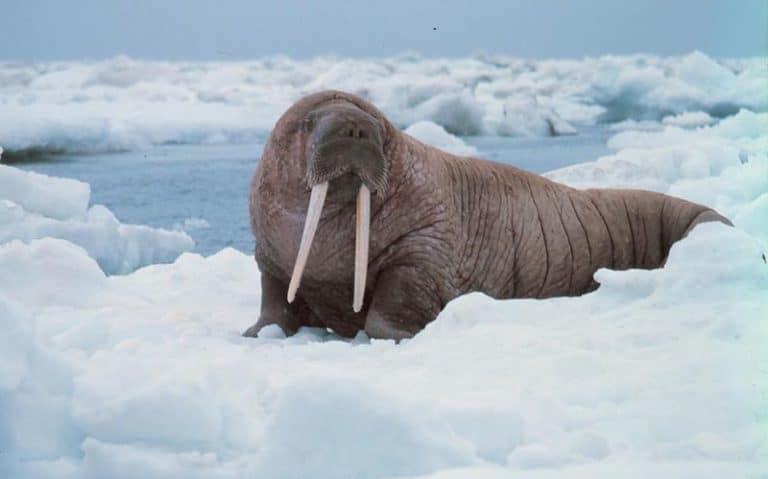
Tusks, whiskers, and sea-ice life
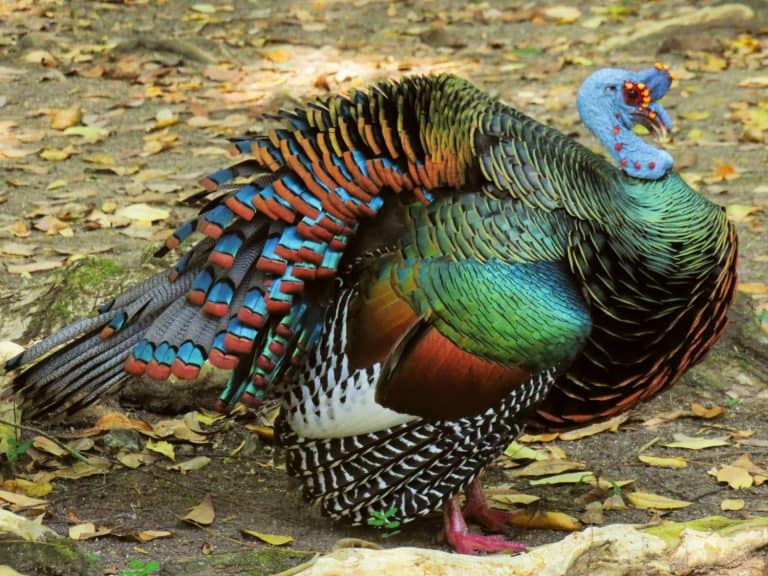
The rainforest turkey with jeweled eyes
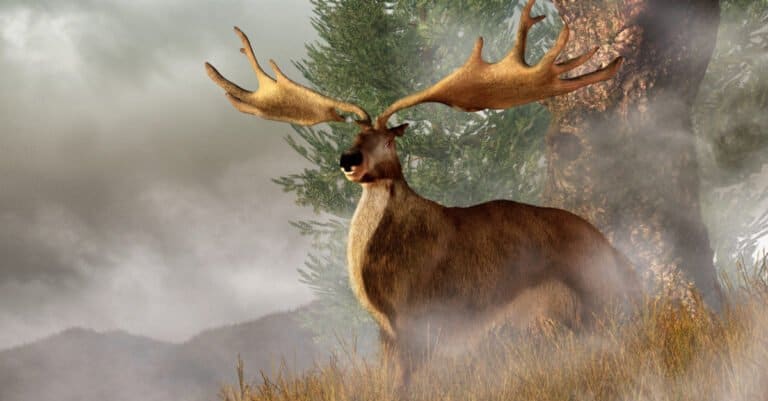
The deer with antlers like doorways
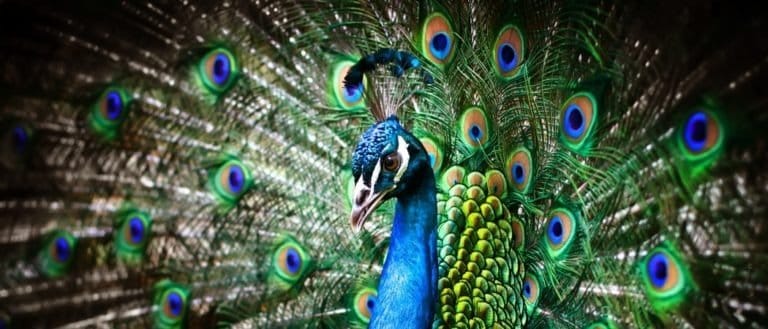
The train that stole the spotlight
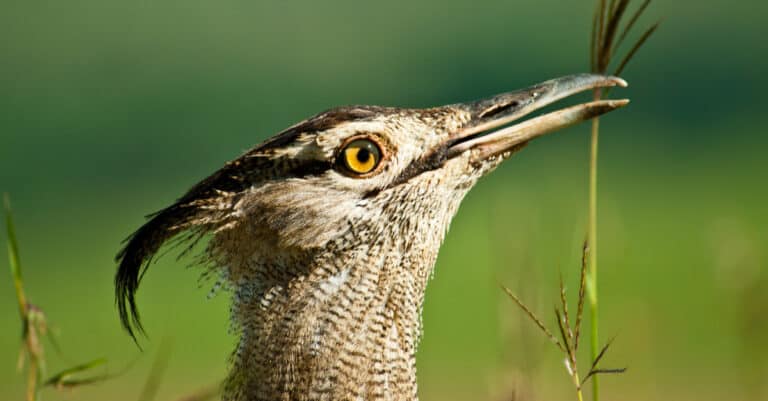
Biggest boom on the African plains
Lek breeding is a mating system in which males gather at a communal display site (a lek) to perform courtship displays, while females visit primarily to choose a mate. Mating is typically highly skewed toward a few successful males, and males usually provide little or no parental care.
In lek breeding, males set up small display spots close together in a communal arena called a lek. They spend lots of energy showing off — visual displays, calls, dances — and may have ritual fights with neighbors. The lek gives little food or nests; it is a marketplace where females visit, choose mates, then leave to nest alone. A few males get most matings. Leks are often reused yearly and create strong pressure for showy males.
Found across: Birds (especially grouse, shorebirds like ruffs, manakins, and many birds-of-paradise), Mammals (notably some antelopes such as kob and topi; also occurs in a few other mammals in lek-like forms), Reptiles (rarer; lek-like aggregations reported in some lizards, including iguanas), Insects (common in some groups-e.g., certain flies and bees form male swarms/aggregations used by females for mate choice)
In many leks, most males get nothing: a tiny minority (often just a few "top" males) can win the vast majority of matings, making lekking one of the most unequal mating systems in nature.
A lek is basically a dating arena with no "perks": males typically don't provide food, territory resources, or parental care-females are choosing almost entirely on display quality (the "genes, not goods" setup).
Lek sites can become tradition-bound hotspots-used year after year and sometimes for decades-because both sexes keep returning to the same reliable social stage.
Location is power: males that secure central or high-traffic spots in the lek often get disproportionately more attention, so "real estate" can matter nearly as much as the display itself.
Lekking can turbocharge evolution: when female choice is intense and repeated, it can rapidly exaggerate ornaments, sounds, dances, and even subtle traits like timing, endurance, and symmetry.
Tusks, whiskers, and sea-ice life
The train that stole the spotlight
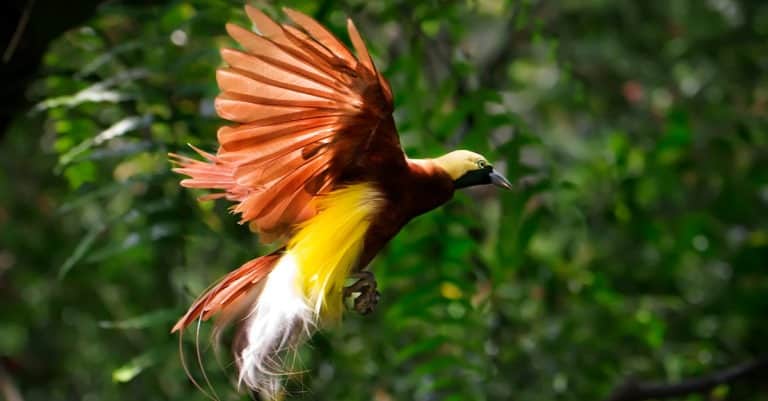
Nature's greatest courtship show
Booming nights, ancient parrot life

Born in water, gone in a day
Strut, gobble, and soar-wild-born.
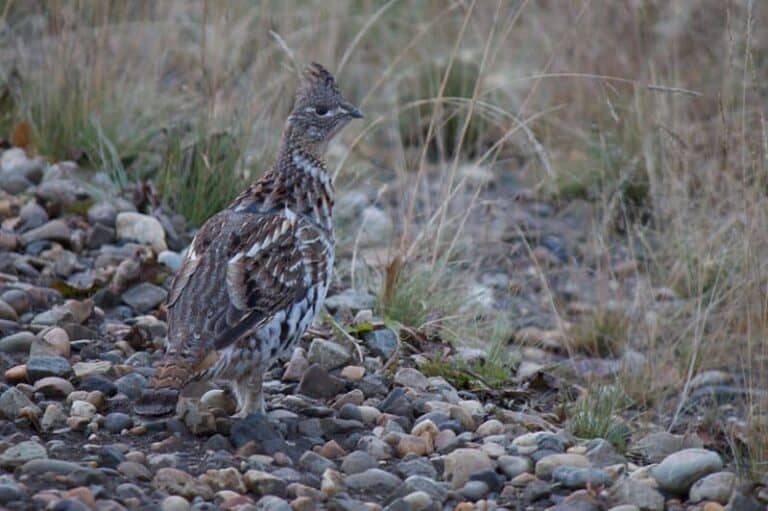
Masters of the lek and the snow
Booming voices of the rainforest canopy
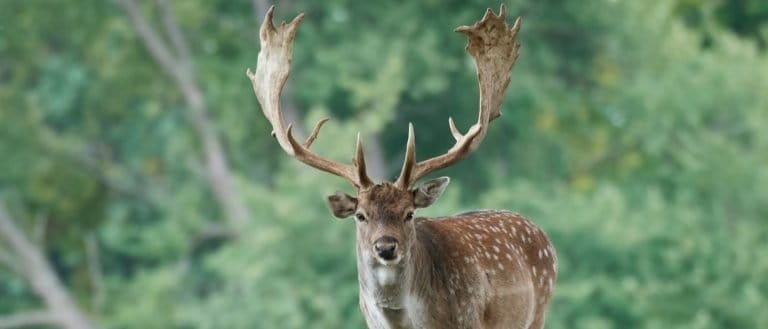
Palmate antlers, spotted summer style
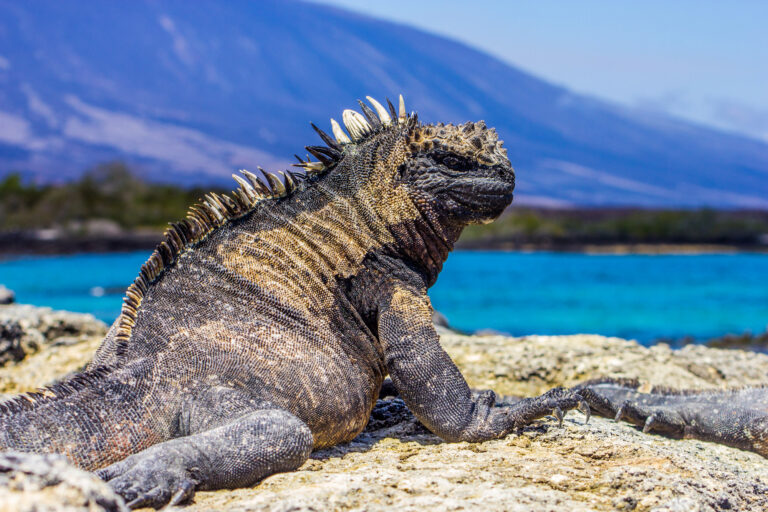
Galápagos' only sea-foraging lizard
Australia's master mimic songbirds
Biggest boom on the African plains
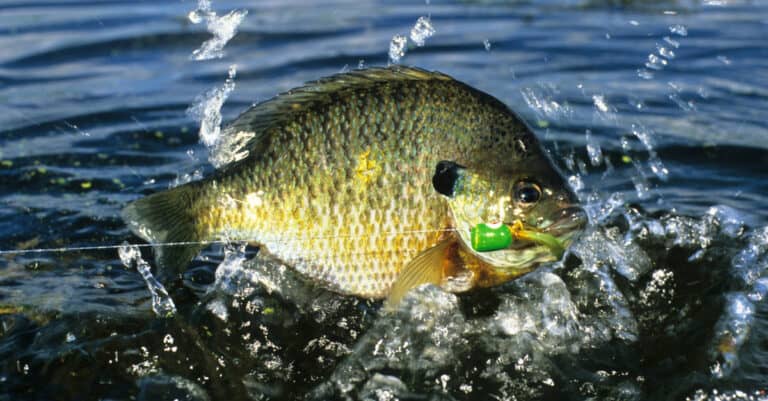
Small mouth, big attitude-Bluegill
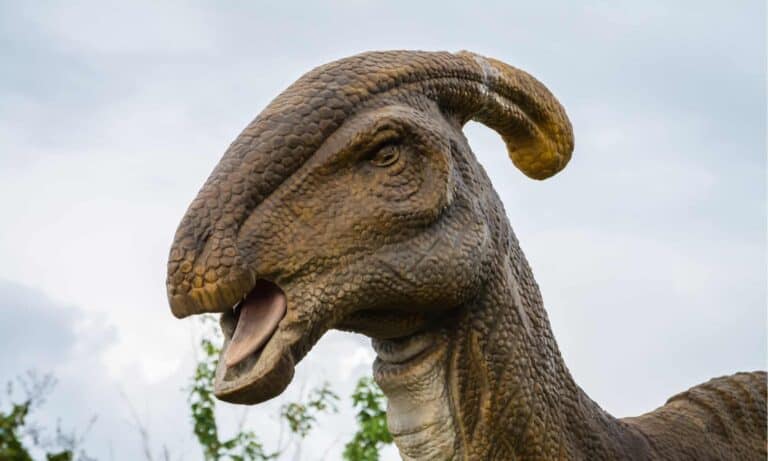
The trumpet-crested herbivore
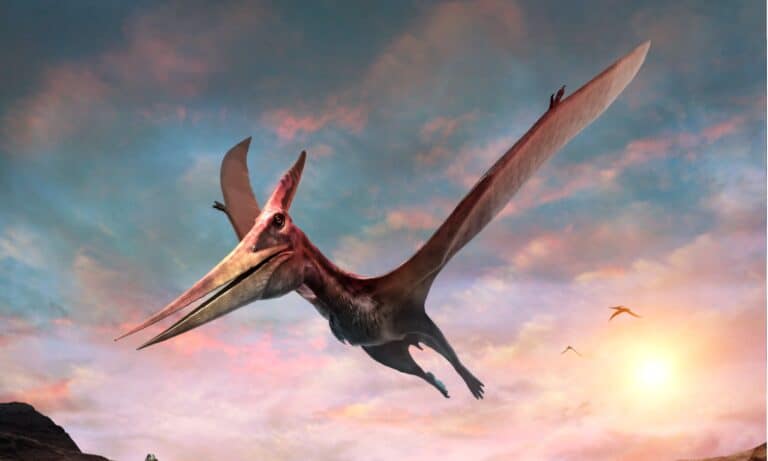
Crested ruler of the Cretaceous skies
Big woods. Big gobble.
The rainforest turkey with jeweled eyes
The deer with antlers like doorways
Thank you for reading! Have some feedback for us?
We appreciate your help in improving our content.
Our editorial team will review your suggestions and make any necessary updates.
There was an error submitting your feedback. Please try again.