
Camel
Humps of fat, miles of grit

Humps of fat, miles of grit
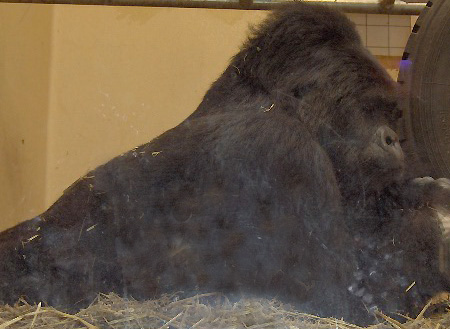
Gentle giant of Congo's forests
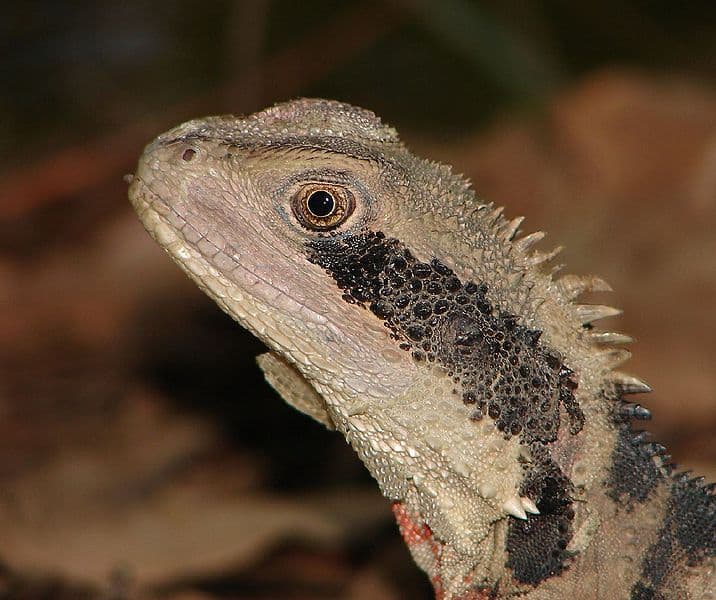
Bask. Bolt. Dive.

The river-nose of Borneo
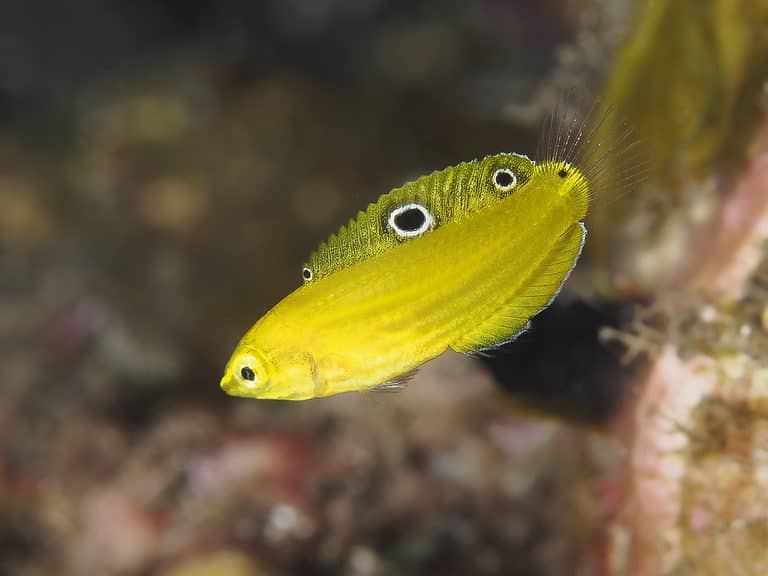
Wrasses: the reef's colorful caretakers
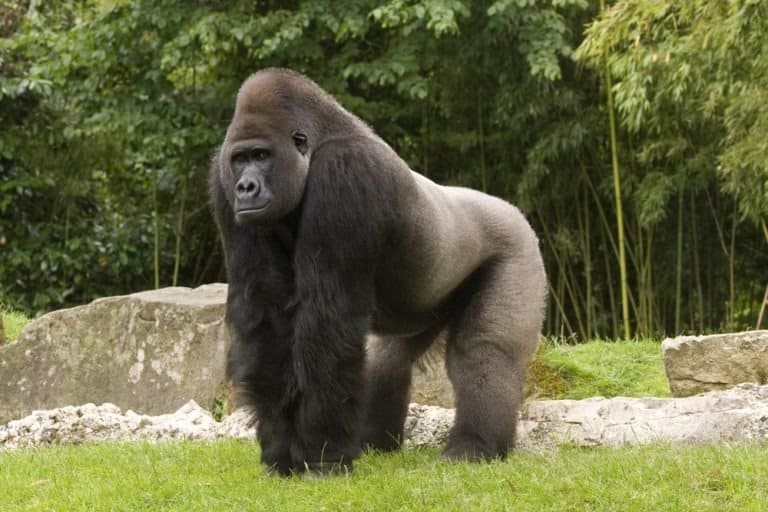
Silverback-led seed sower of the Congo

Reef royalty with a wardrobe change

Stripes built for the African wild

Big ape, tight family, fragile home

Sun-powered lizards of the Americas
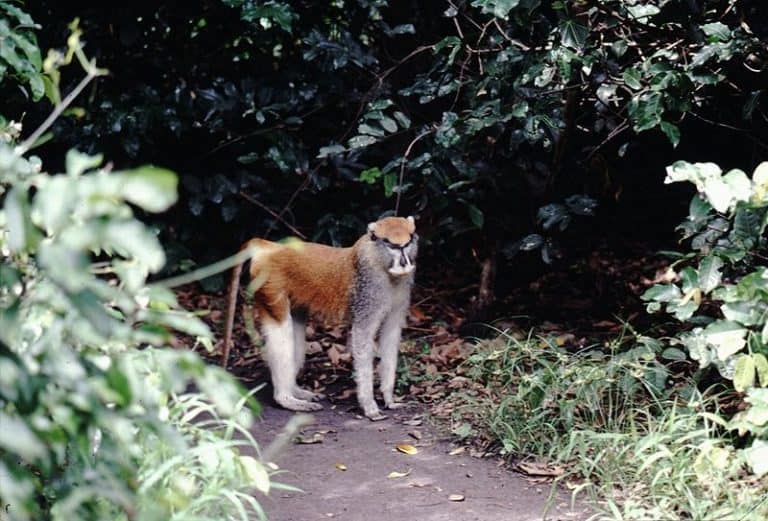
Harem-based mating is a social system in which one adult male (or a small coalition of males) monopolizes mating access to multiple females by controlling a group of females directly or by defending a resource-rich territory females depend on. It produces high reproductive skew, especially among males, because only a few males gain most matings.
In a harem-based system, females form groups (harems) and stay close for resources or safety. A dominant male stays near, herds, guards, and drives off rivals. This is female-defense or resource-defense polygyny. Male competition is strong: they display, fight, and guard mates. Females have limited choice but may resist matings or seek extra mates. Reproductive success is uneven, favoring bigger size, weapons, ornaments, leading to sexual dimorphism. Harem size and stability vary with resources, predators, female grouping, and male density.
Found across: Pinnipeds (seals and sea lions), Many ungulates (deer, antelope, some bovids), Some primates (e.g., gorillas; occasionally other one-male multi-female systems), Some carnivores in pride/pack contexts (notably lions; sometimes other species with group female association and male defense), Some birds where resource defense or highly skewed polygyny occurs (varies by species), Occasionally fishes where males can defend spawning territories/sites that females must use
"Harem-holder" doesn't mean "most mating." In many harem systems, the dominant male's reign is short (often just a season or two), so lifetime reproductive success can hinge on a brief window of dominance rather than years of steady mating.
Females aren't passive "collected resources." In lots of harem systems (e.g., seals, ungulates), females can and do move between groups, and their timing/whereabouts strongly shapes which males get opportunities-male "monopoly" is often an ongoing negotiation with female movement.
Guarding females can be more expensive than fighting rivals. Dominant males in some mammals drastically reduce feeding and sleep while defending harems during the breeding season, trading body condition (and sometimes survival) for a spike in mating success.
Extreme sexual dimorphism is often a predictable side effect: when one male can monopolize many females, selection favors traits that win fights and intimidation (size, weapons, displays). That's why classic harem species often have outsized males, neck manes, enlarged canines, or exaggerated vocal displays.
Even in "one male, many females," sneaky genetics happen: subordinate or "sneaker" males sometimes sire offspring via opportunistic matings, meaning social monopolies don't always equal genetic monopolies.
Humps of fat, miles of grit
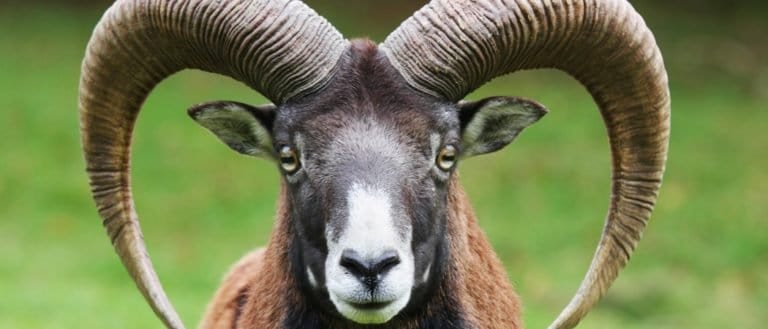
Sure-footed masters of rock and range

Gentle giants of the African forests
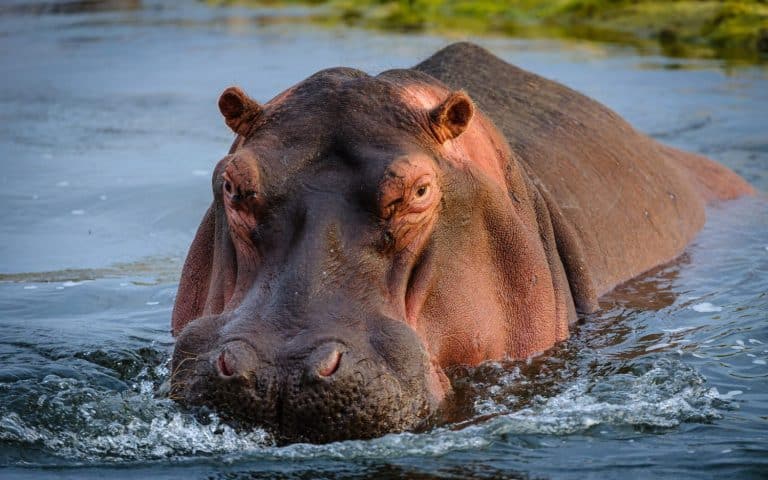
Big river grazer, bigger attitude
Sun-powered lizards of the Americas

Built for prides, born for the hunt
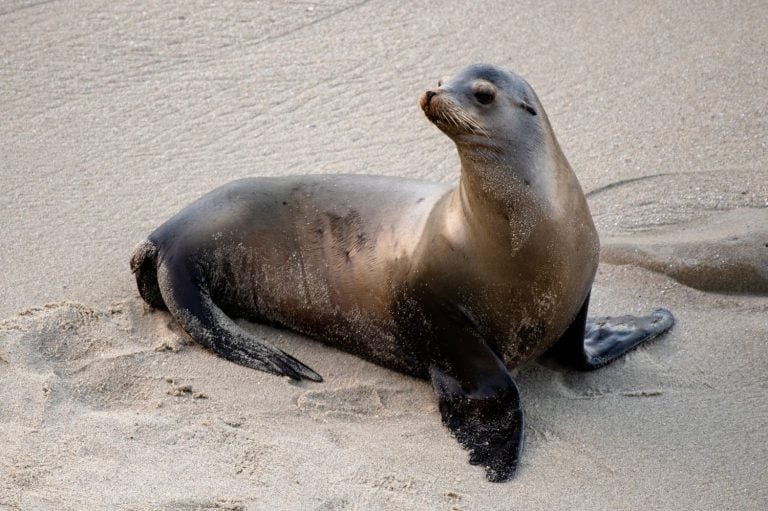
Ear flaps, flippers, and fierce colonies
Stripes built for the African wild
The river-nose of Borneo

Antlers, migrations, and forest engineers

Horns on, fleet feet, wild worlds
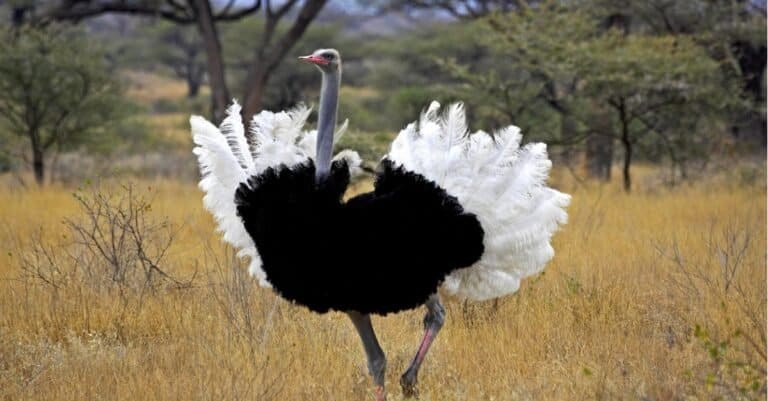
Two toes. One mission: outrun.
Reef royalty with a wardrobe change
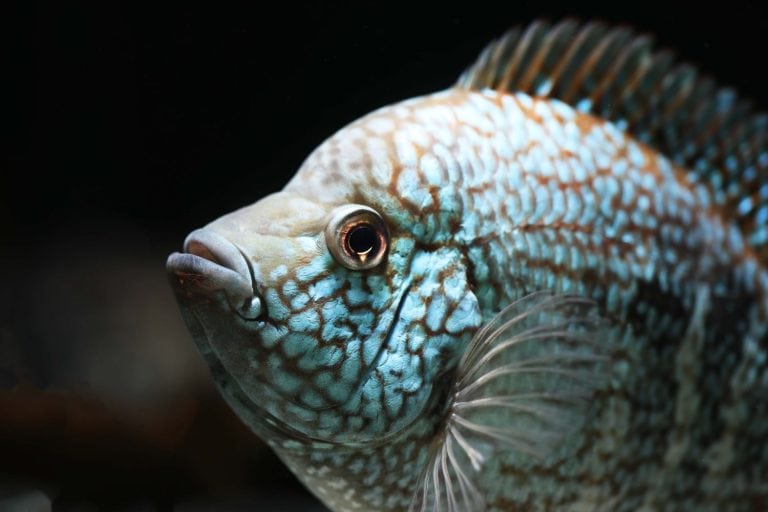
Nature's masters of rapid evolution
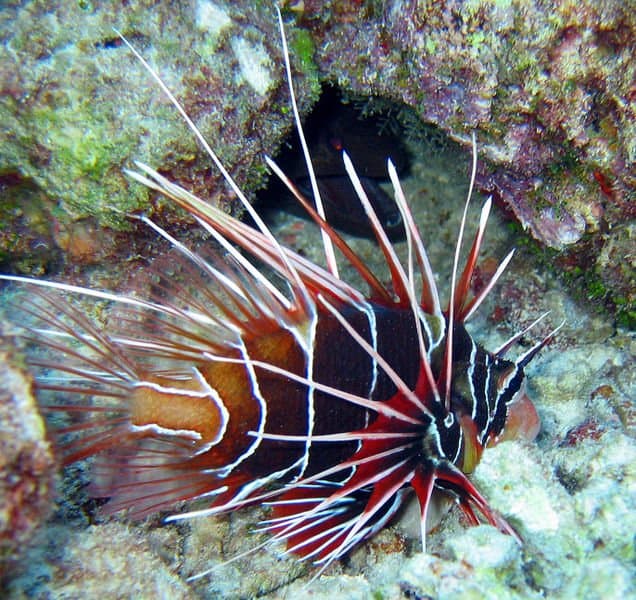
Beauty with a sting.
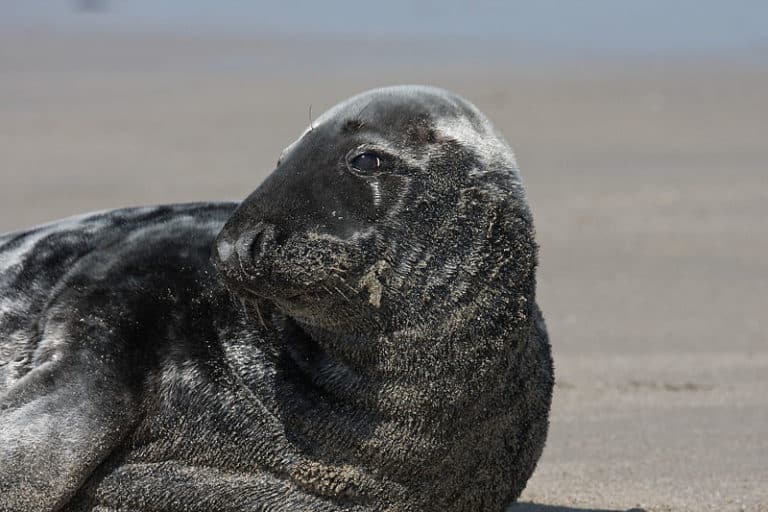
Horse-head seal of the North Atlantic

Antlers for all, built for the Arctic
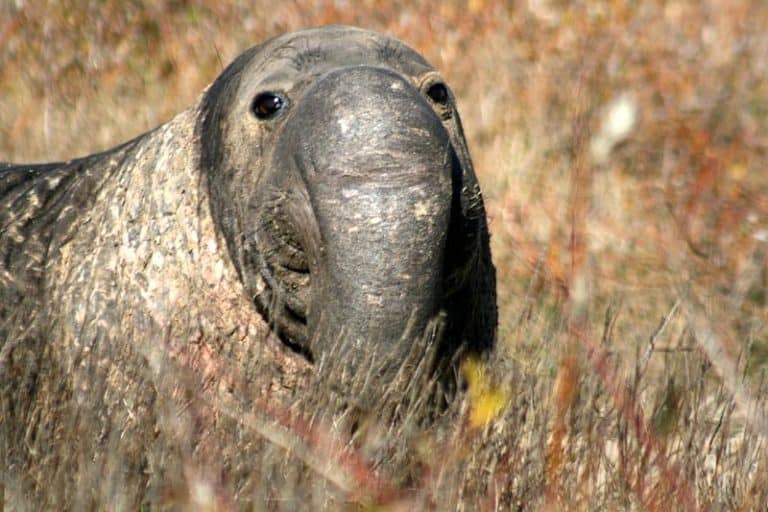
Big noses, bigger dives.
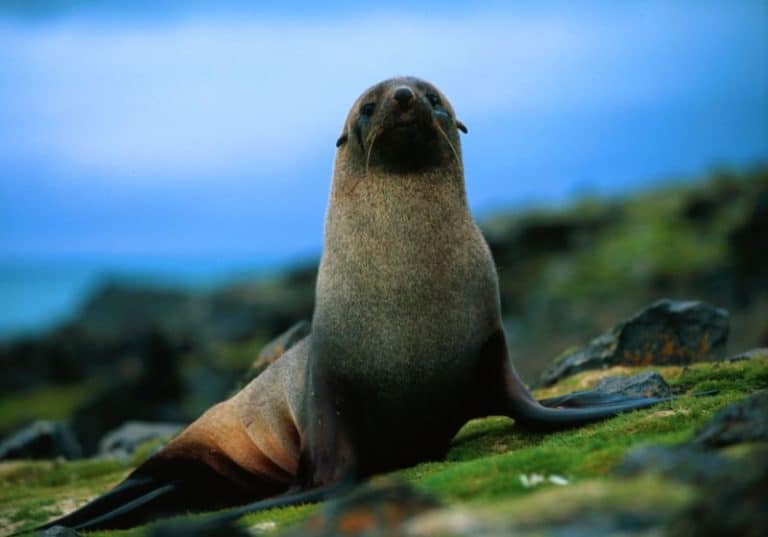
Ear flaps, fast flippers, wild rookeries
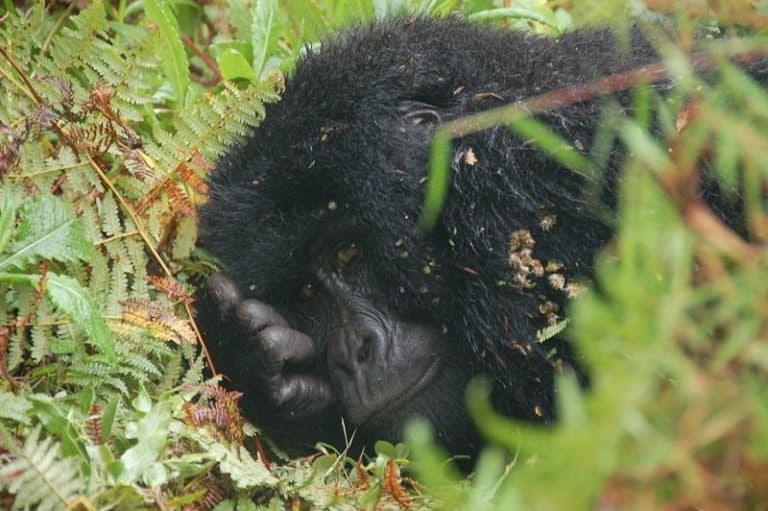
Highland giants, guarded by a silverback

Built for speed-born to bound.
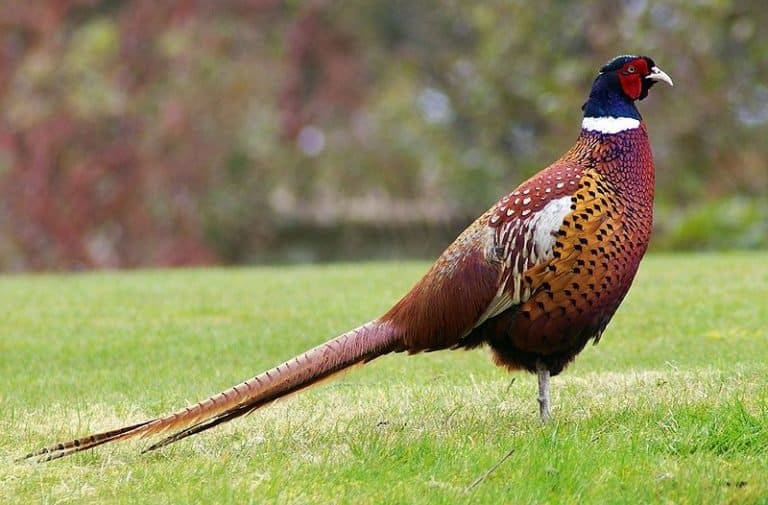
From forest jewels to gamefield sprinters
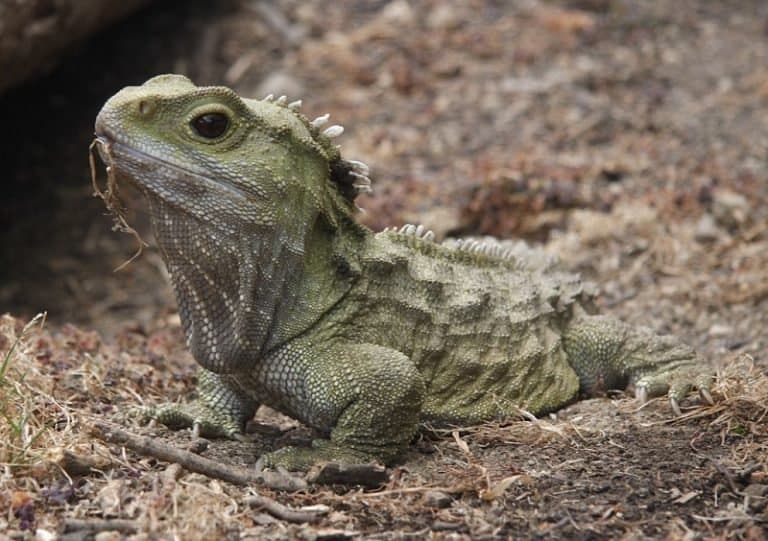
Ancient reptile, modern survivor
Built for the savanna sprint
Thank you for reading! Have some feedback for us?
We appreciate your help in improving our content.
Our editorial team will review your suggestions and make any necessary updates.
There was an error submitting your feedback. Please try again.