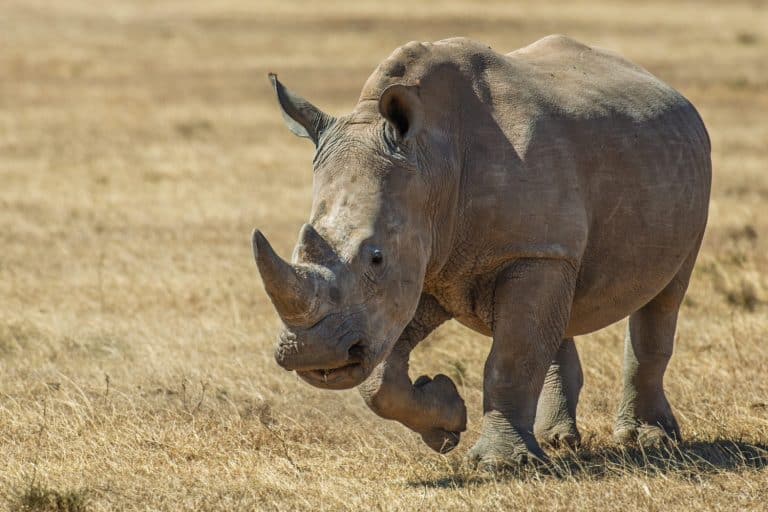
Rhinoceros
Keratin horns, colossal impact

Keratin horns, colossal impact
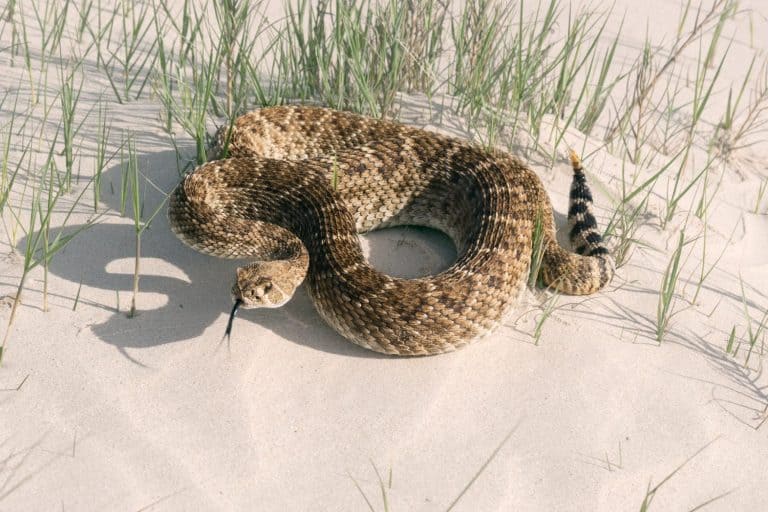
Hear the rattle, give it space.
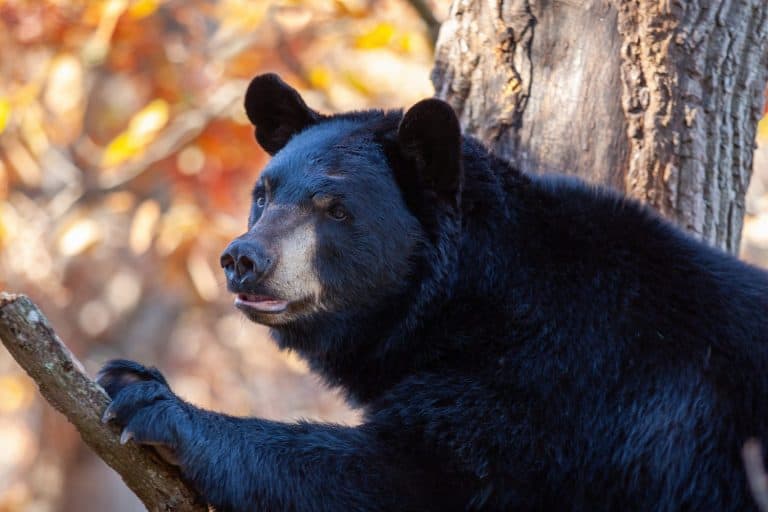
Many colors. One tough survivor.
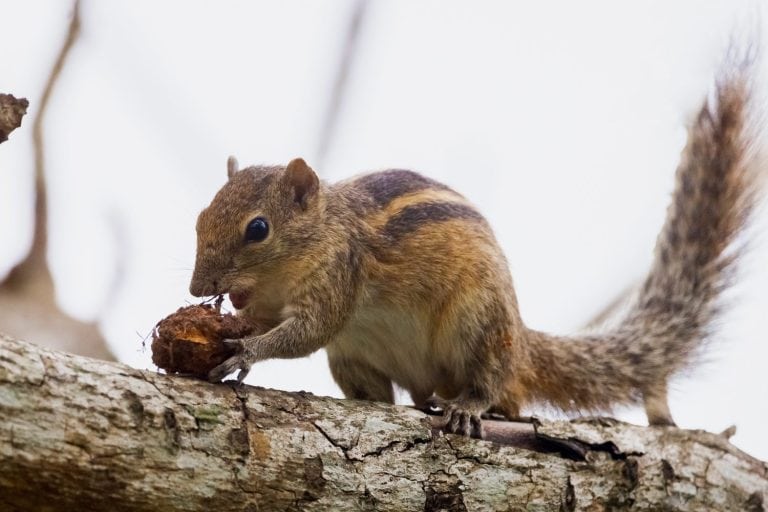
Three stripes. Big city attitude.
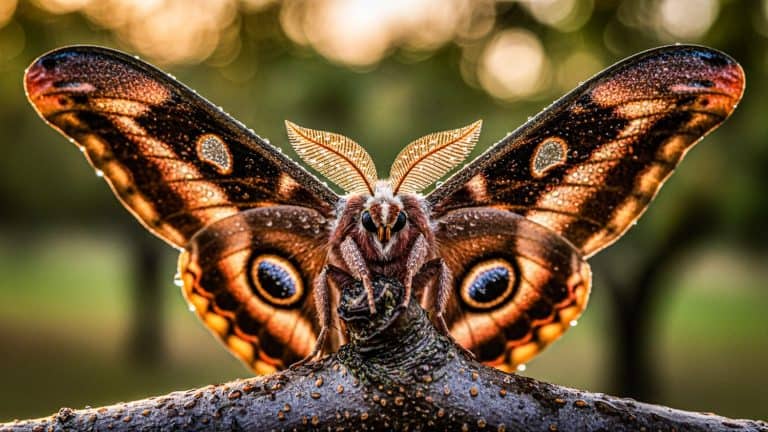
More than night flyers
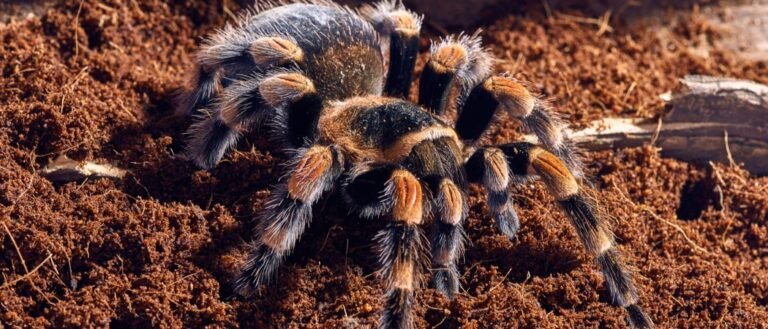
Red knees, calm queen of the burrow
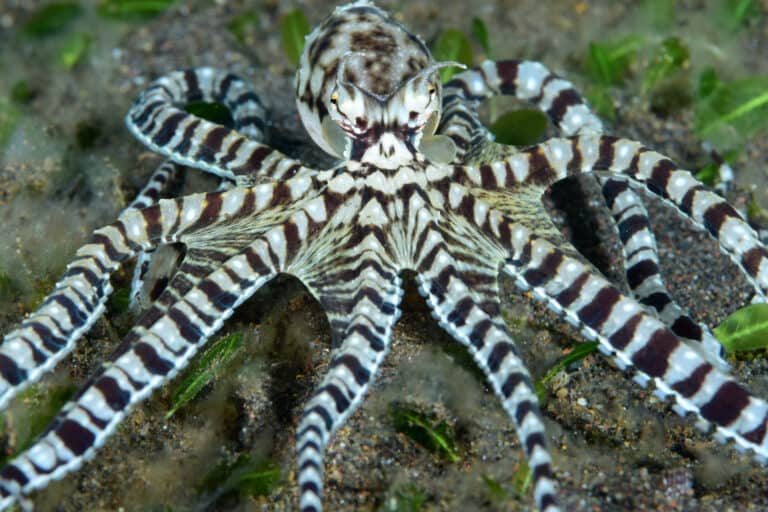
Eight arms, endless ingenuity
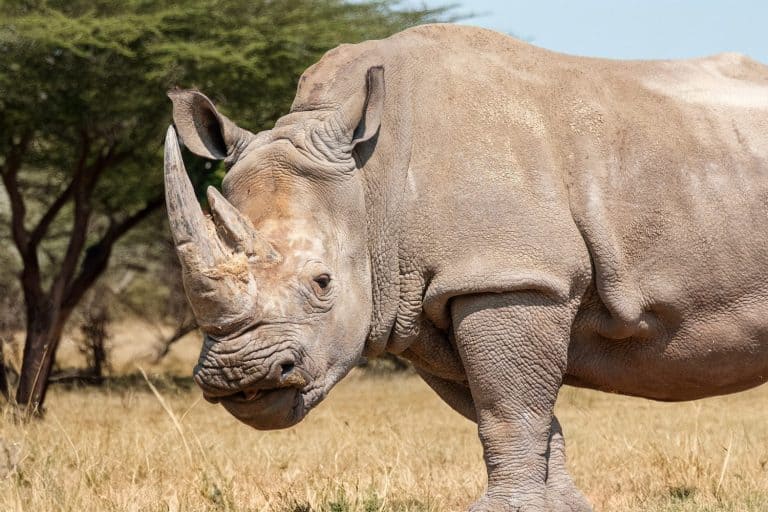
Wide-lipped grazer, savanna guardian
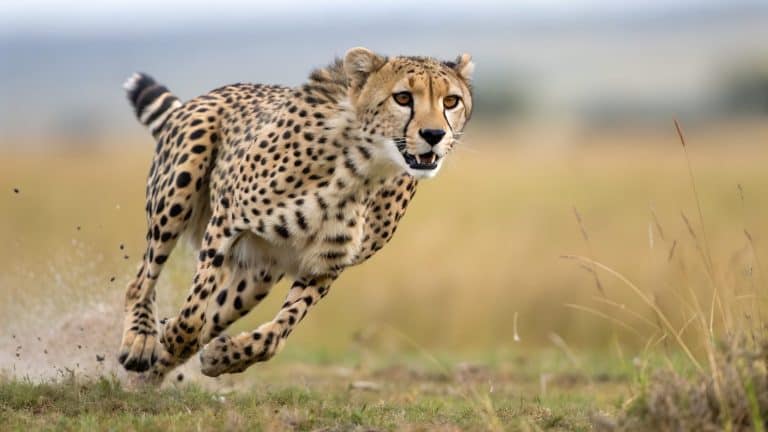
Built for the burst.
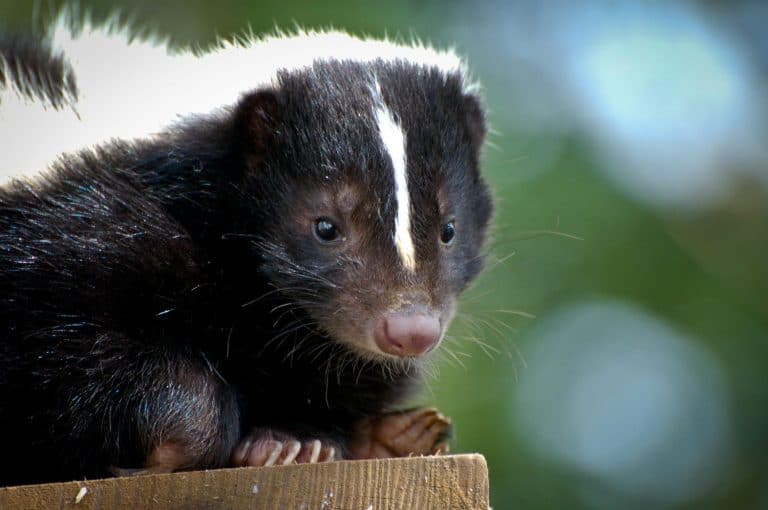
Bold stripes, bigger attitude.
Solitary mating is a social organization in which individuals live independently and only associate briefly for courtship and copulation. After mating, partners separate and there is no enduring pair bond or group-based reproductive unit.
Solitary mating systems: adults keep separate home ranges and live mostly alone, meeting others mainly to find mates, court, or compete. Encounters are brief and tied to timing like breeding seasons, then individuals return to solitary life. Males often roam to find females; females may stay fixed and choose mates. Care, if any, is usually by one parent (often the female). Reproduction comes from short, temporary meetings, not family groups.
Found across: Many carnivorous mammals (e.g., big cats, many mustelids, some bears), Many other mammals with female-only care (e.g., some primates like orangutans; some insectivores/anteaters), Many reptiles (e.g., large lizards, many snakes) that interact mainly for breeding, Many amphibians that live alone but form brief breeding congregations, Many cephalopods (octopuses) with short, non-bonded mating encounters, Many solitary arthropods (e.g., mantises, some spiders) where mating is brief and non-cooperative
"Solitary" doesn't mean "rarely meet"-it often means they're excellent at *finding each other* briefly. Many solitary species use long-distance scents, calls, or vibration signals so they can live alone yet still synchronize mating.
Solitary mating can favor extreme "one-shot" strategies: in some species, males invest everything into a short mating window (huge testes relative to body size, risky mate-search journeys, or guarding a mate briefly) because there's no long-term partnership to spread effort over time.
In many solitary animals, the most social moment of the year can be the *noisiest or most conspicuous*-mass calling, display arenas, or seasonal migrations-followed by months of strict avoidance and territoriality.
Solitary lifestyles can intensify sexual selection: when encounters are brief and infrequent, individuals may evolve unmistakable species-specific signals (distinct pheromones, songs, or courtship movements) to avoid wasting a rare meeting on the wrong species.
Parental care in solitary breeders is often "single-parent optimized": mothers (or occasionally fathers) evolve highly efficient nursing, brooding, or nest defense behaviors that don't rely on a partner showing up later.
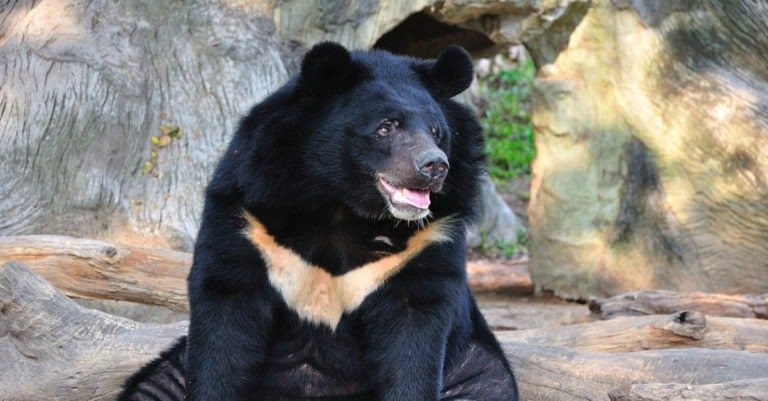
Moon-marked climber of Asian forests
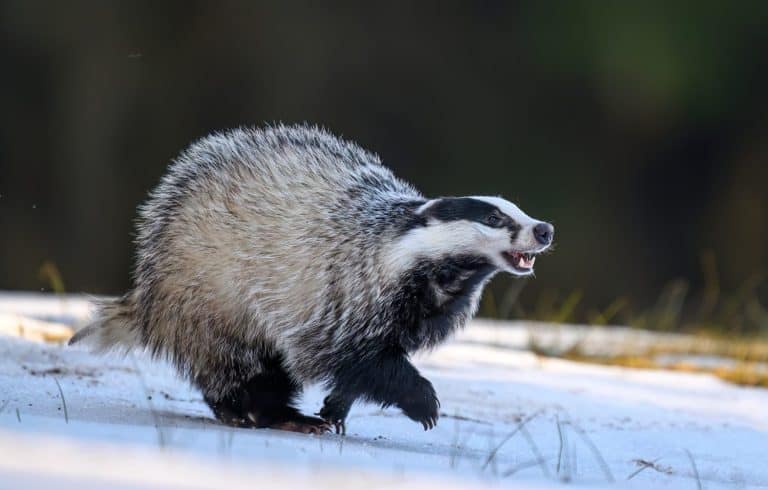
Built to dig. Born to endure.
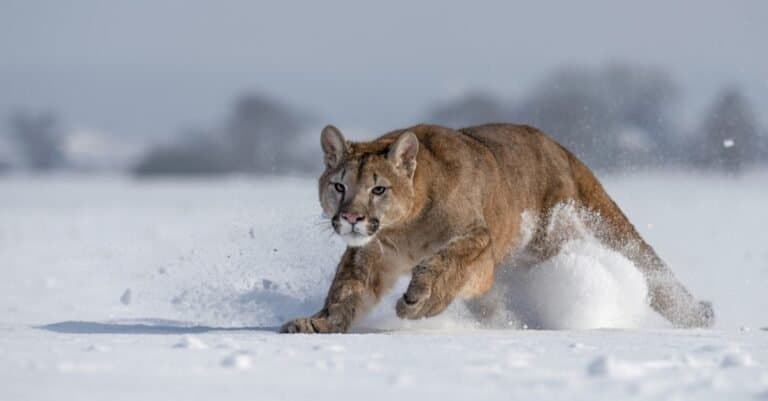
One cat. Two continents.
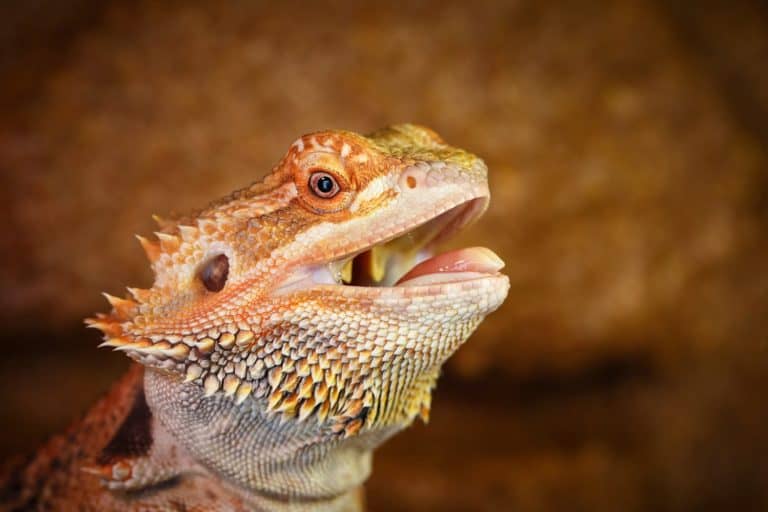
Big beard, bright sun, bold attitude.
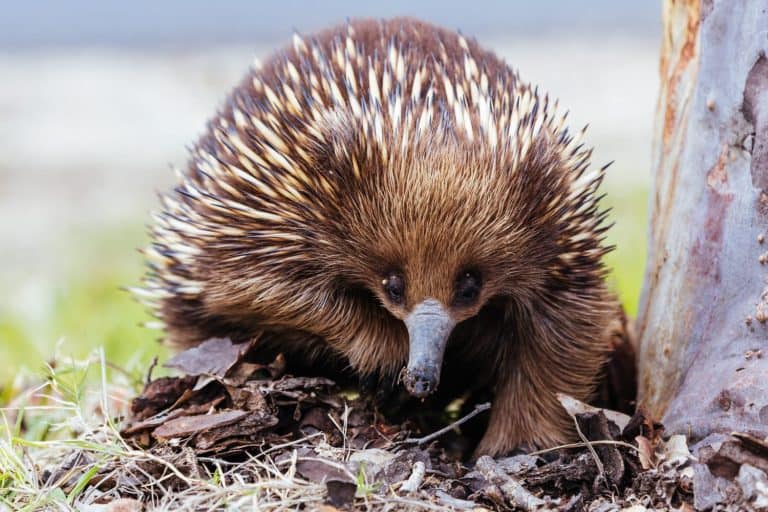
Spines, eggs, and ant-eating mastery
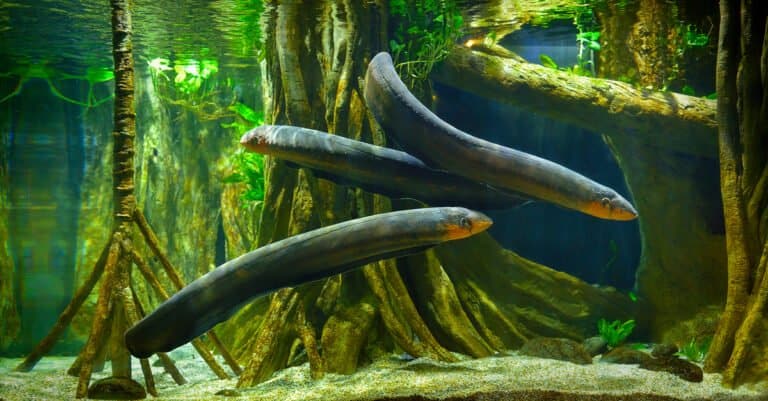
Lightning hunter of the Amazon
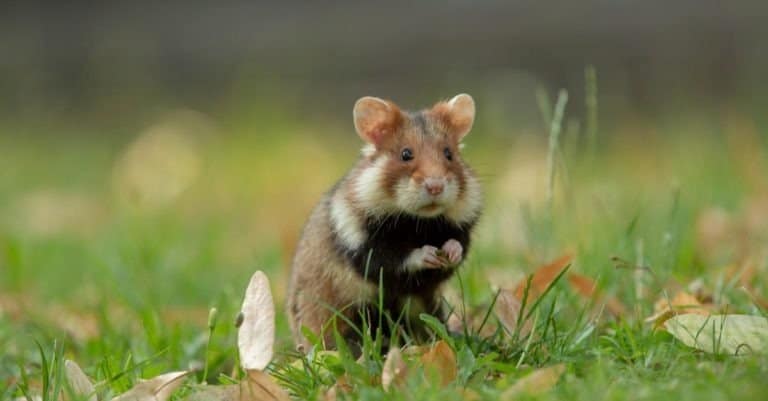
Pouches, burrows, and big impacts
Three stripes. Big city attitude.
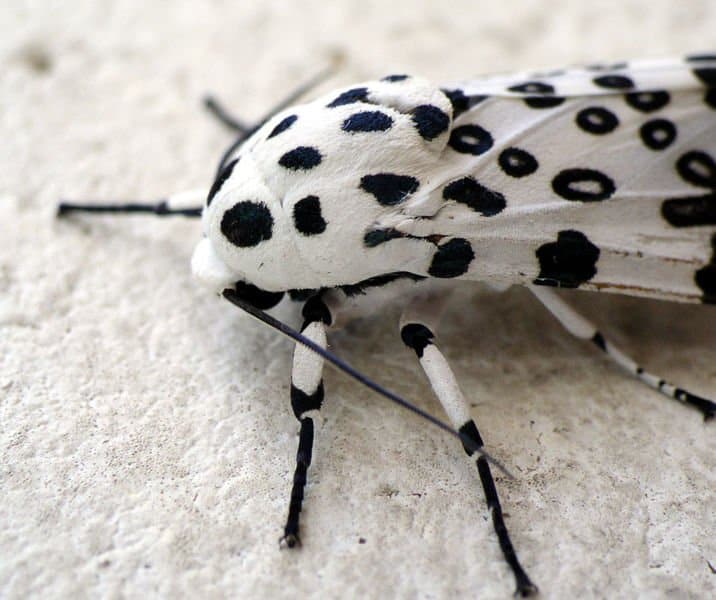
Six legs, endless lives.
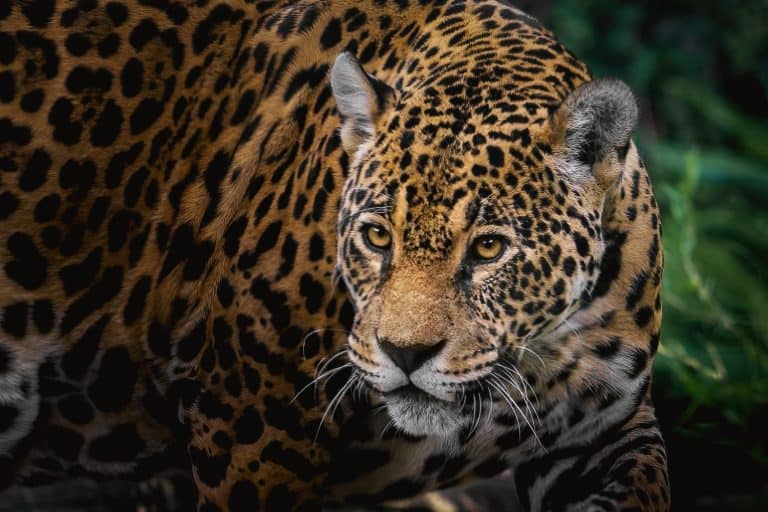
Power of the Americas' apex cat
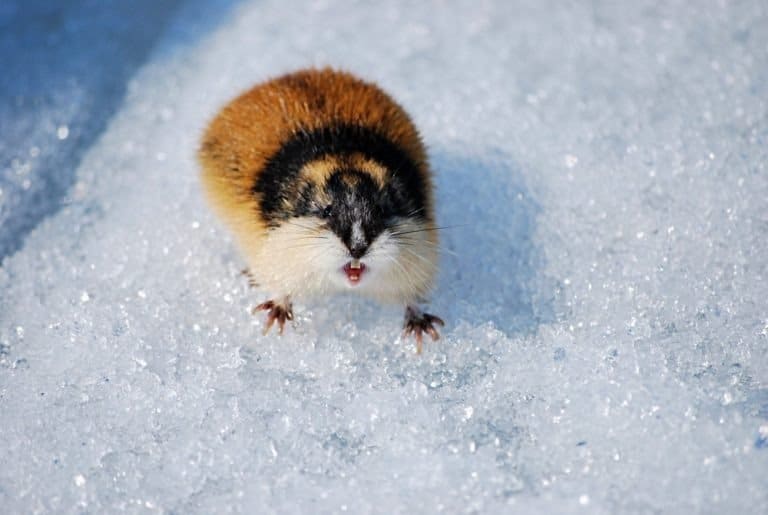
Small rodents, huge tundra impact
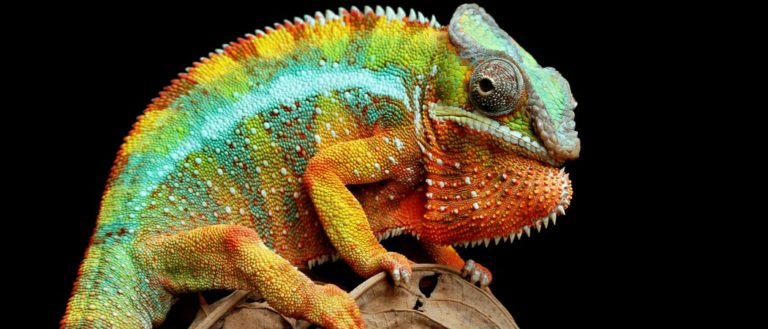
From geckos to dragons-lizard power
More than night flyers
Eight arms, endless ingenuity
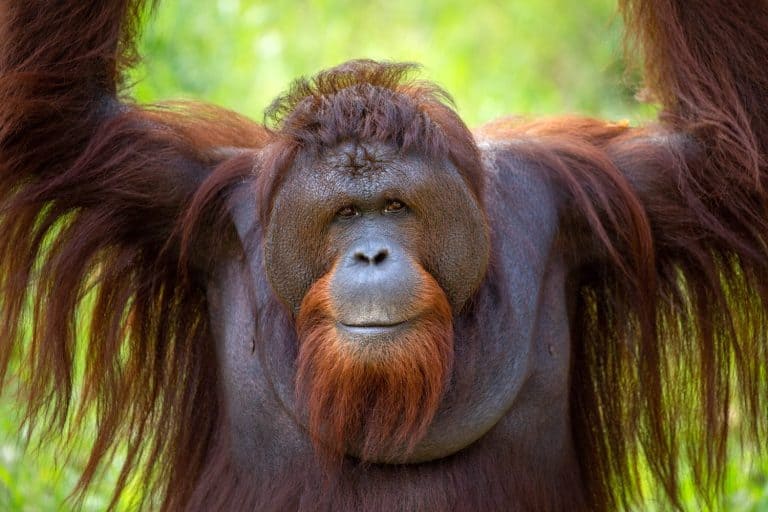
Red apes, rainforest architects
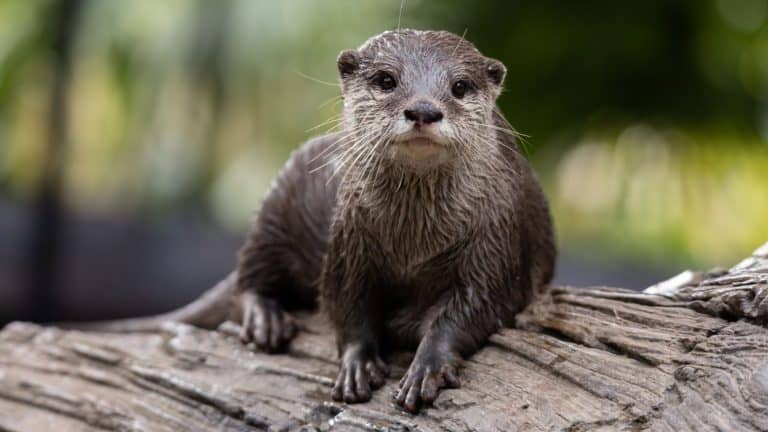
Built for water, born to hunt
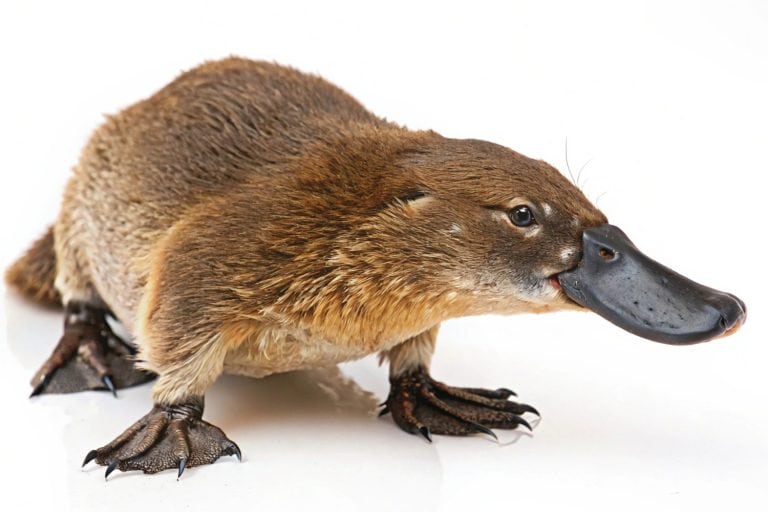
Electric hunter of Australian rivers
Hear the rattle, give it space.
Red knees, calm queen of the burrow
Keratin horns, colossal impact
Bold stripes, bigger attitude.

Stripes of Asia's top predator
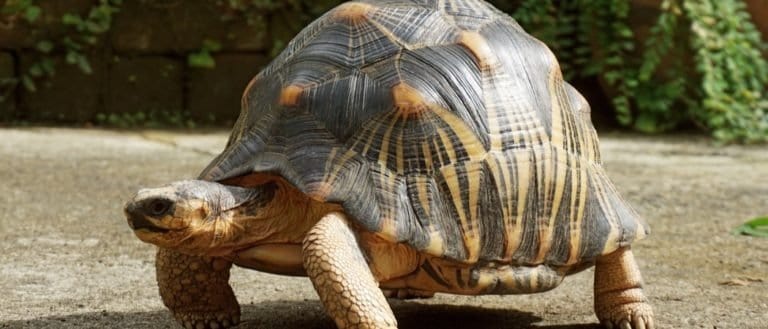
Built for land, made for time
Wide-lipped grazer, savanna guardian
Thank you for reading! Have some feedback for us?
We appreciate your help in improving our content.
Our editorial team will review your suggestions and make any necessary updates.
There was an error submitting your feedback. Please try again.