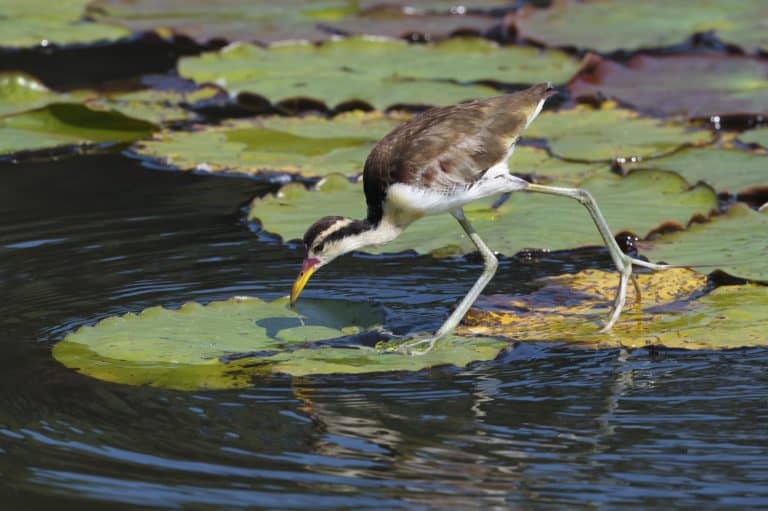
Wattled Jacana
Big toes. Bold females. Devoted dads.

Big toes. Bold females. Devoted dads.
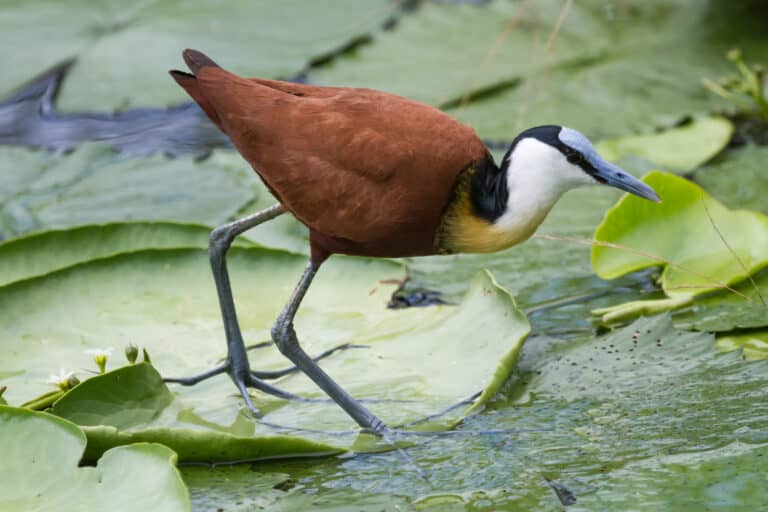
The lily-pad dad of Africa

Small monkeys, big teamwork
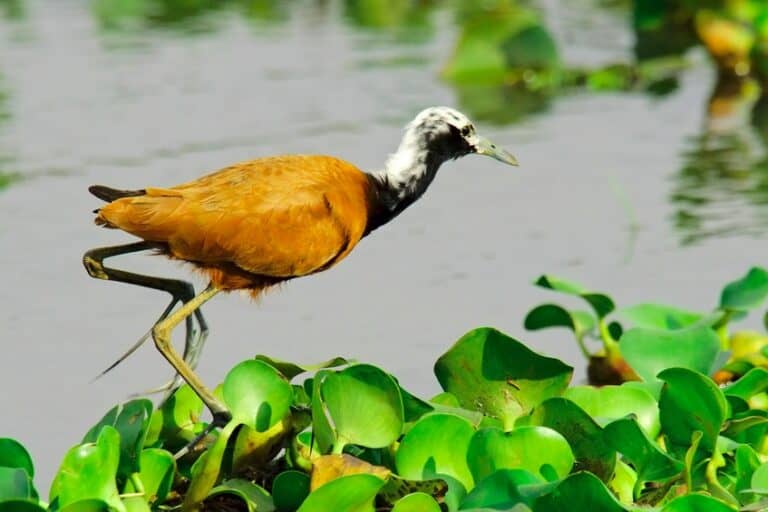
Madagascar's master of lily pads
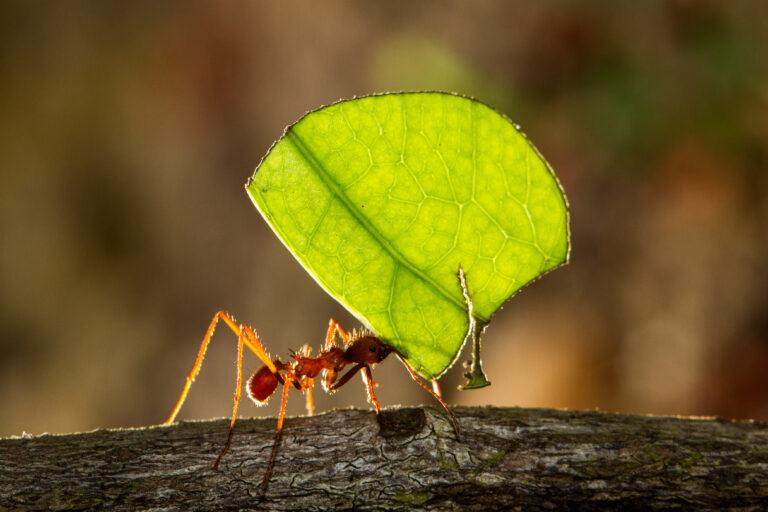
Farmers of the forest floor
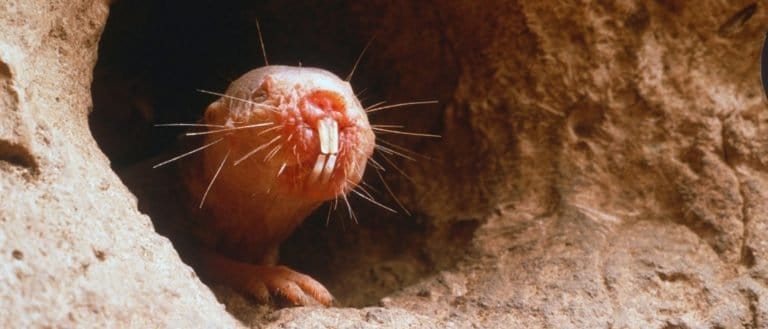
One queen. Hundreds of helpers. No air? No problem.
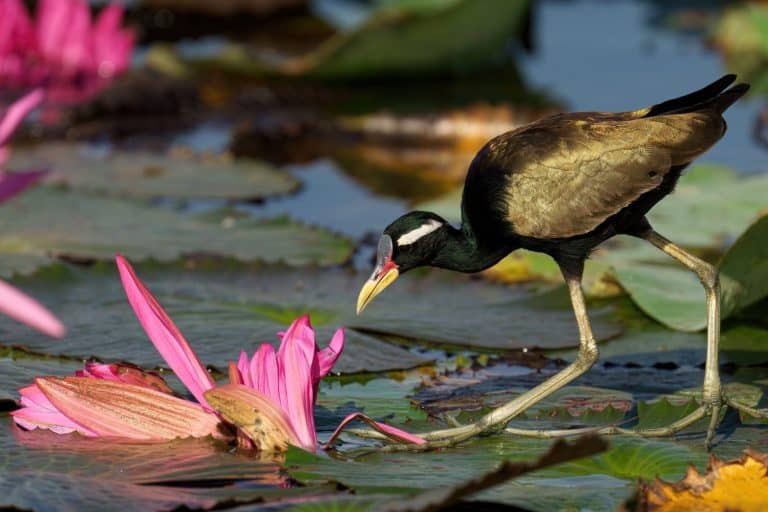
Bronze wings, lily-pad footsteps
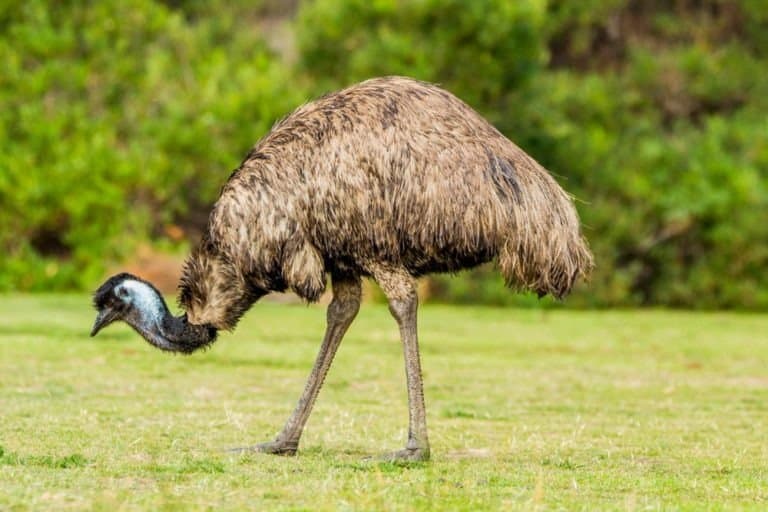
Fast feet, big bird, Aussie icon
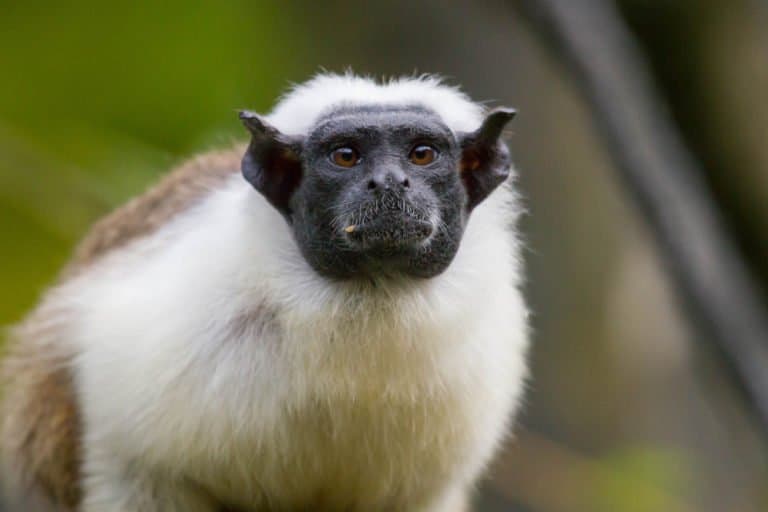
Manaus' black-and-white forest neighbor
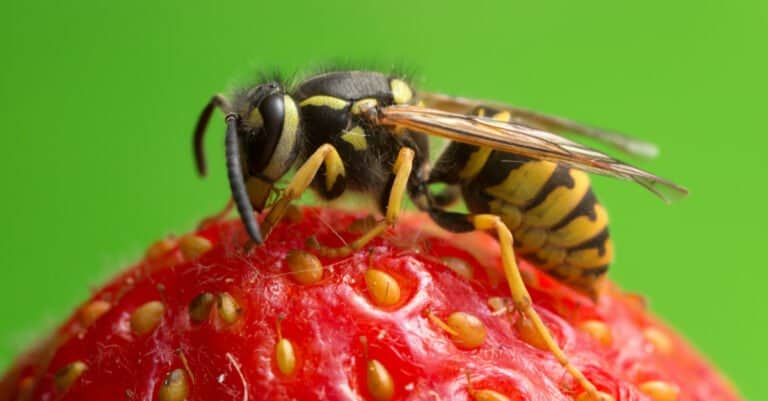
Paper nests, sharp teamwork, bold stripes
Polyandry is a mating system in which a single female mates with multiple males within the same breeding period or reproductive bout. The males may fertilize different clutches/eggs or contribute to the same brood, depending on the species.
Polyandry is when a female has more than one mate in a breeding season, one after another or at the same time. It ranges from classical polyandry (female keeps several males and lays separate clutches) to genetic polyandry (many males father young in one clutch). Females may gain more care, nests, or better genes. In some species, like shorebirds, males do most care so females can mate again.
Etymology: "From Greek roots meaning "many" + "man/male," literally "many males.""
Found across: Birds-especially shorebirds (phalaropes, sandpipers) and jacanas; also some passerines (e.g., dunnocks), Insects-particularly Hymenoptera (bees, ants, wasps) where queens often mate multiply, Fish-especially sex-role-reversed groups like pipefishes and seahorses (Syngnathidae), Reptiles-snakes and some lizards frequently show multiple mating and multiple paternity, Amphibians-salamanders and some frogs with frequent multiple paternity, Mammals-present as genetic polyandry in some rodents, bats, and primates, though less often as stable "one female-multiple male" social units
Polyandry can flip the usual "sex roles": in many polyandrous species, females compete for access to males, while males become choosy because their parental investment is high (e.g., many shorebirds).
In some polyandrous systems, a female's eggs end up split across multiple "dad-nests," spreading risk-if one nest fails, others may still succeed (a kind of biological insurance policy).
Polyandry can make sperm, not bodies, the main battleground: when multiple males mate with the same female, selection often favors traits that boost sperm success (more sperm, faster sperm, or better sperm competition strategies).
It can reduce the cost of parenting for a female in certain species: when males take on incubation and chick care, a female can lay another clutch and increase her total reproductive output.
Polyandry isn't just about "more mates": in many species it's a strategic response to ecology-short breeding seasons, high predation, or scarce resources can favor mating with multiple males to maximize offspring survival.
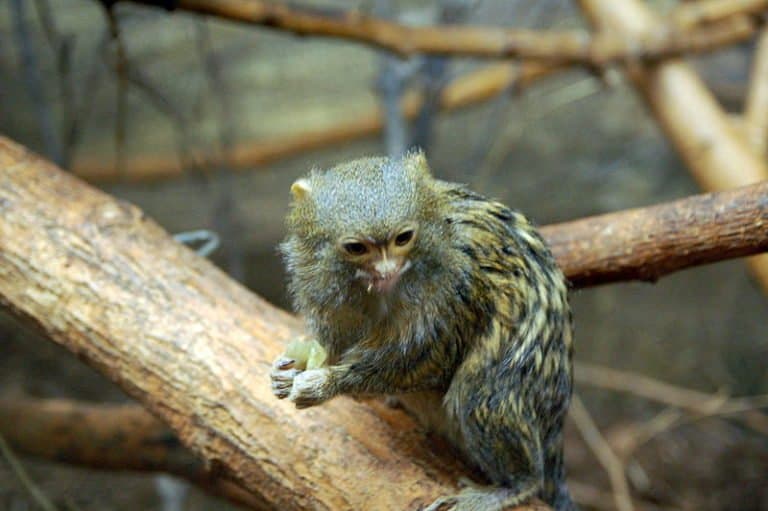
Tiny monkey, mighty gum-grazer
Fast feet, big bird, Aussie icon
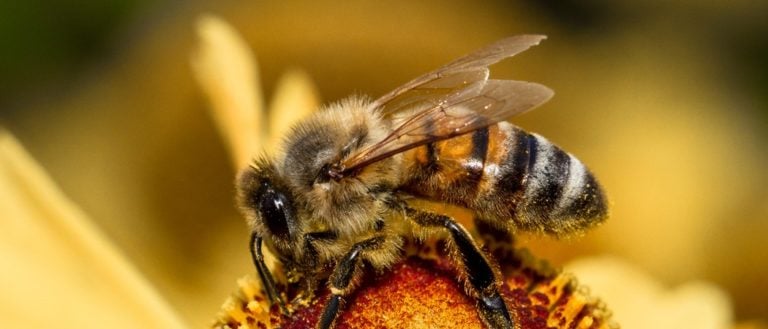
One colony, one mind, many wings
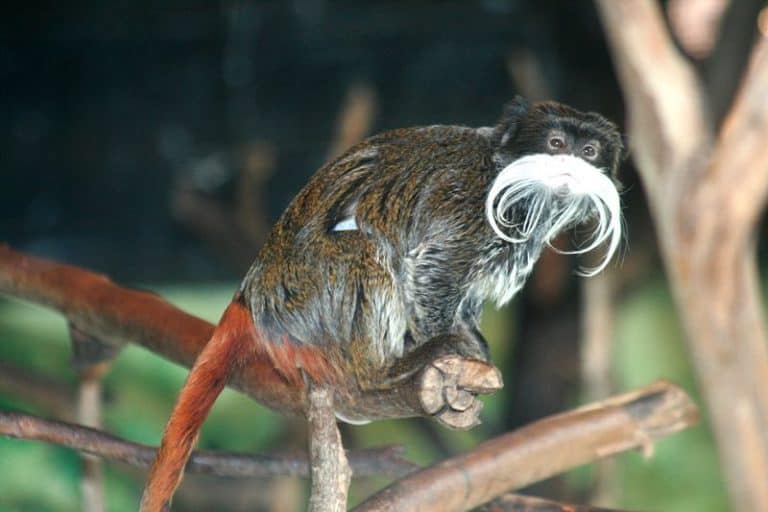
The rainforest monkey with a moustache
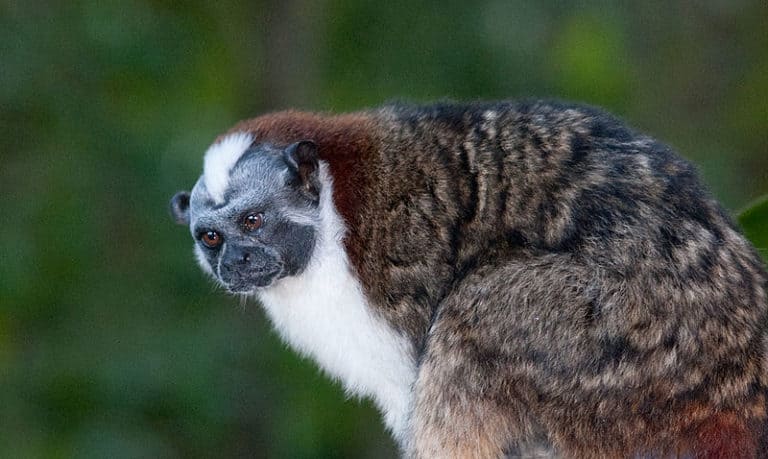
Panama's cooperative twin-raiser
Manaus' black-and-white forest neighbor
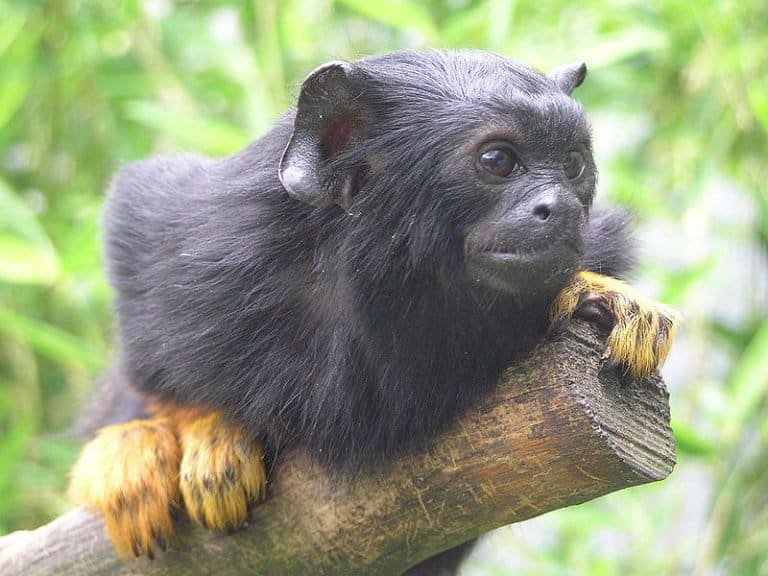
Tiny monkey, blazing red hands.
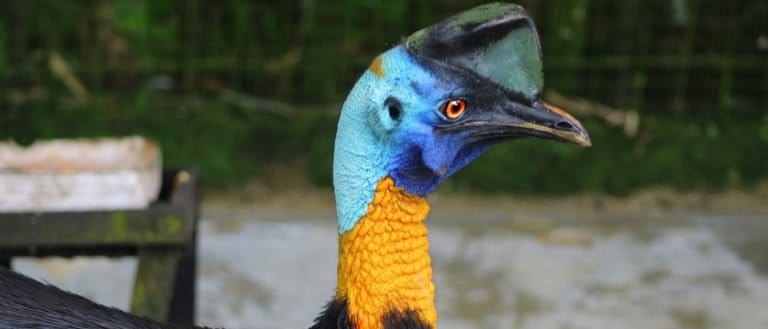
Casque on. Forests grow on.
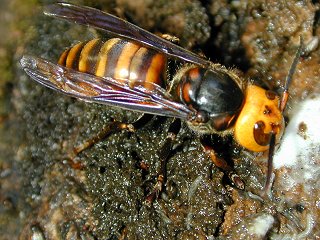
Big hornet. Bigger impact.
One queen. Hundreds of helpers. No air? No problem.
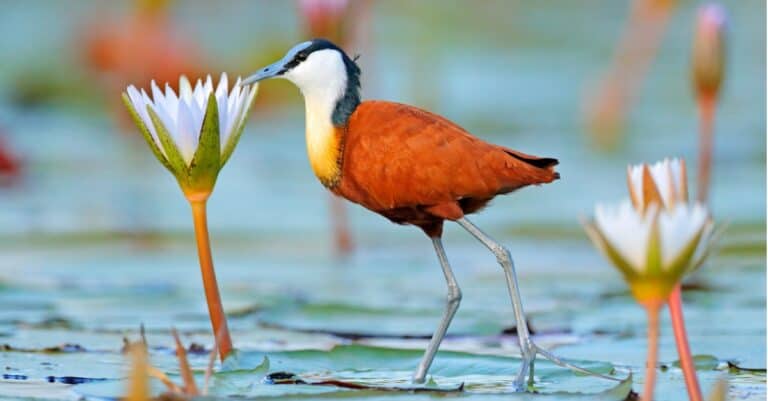
Lily-pad walkers, dads on duty
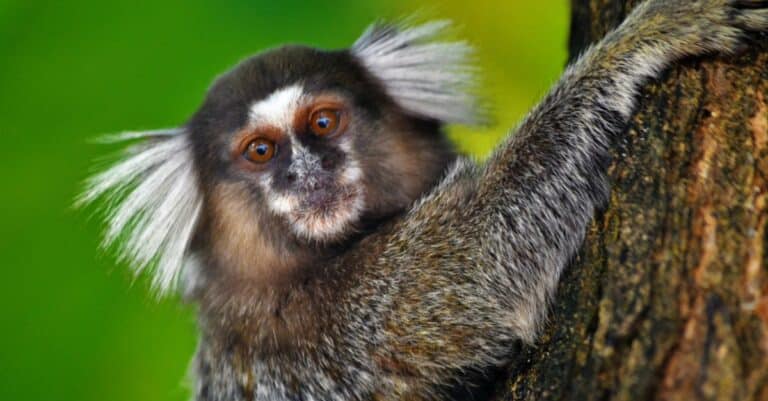
Tiny primates, big teamwork.
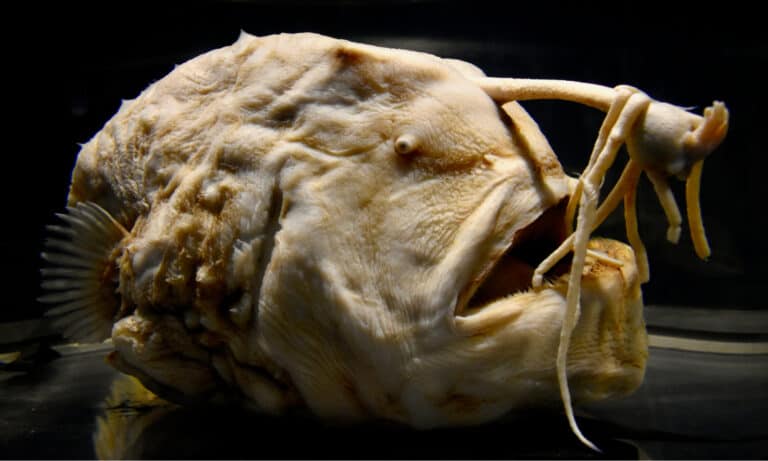
Glow-lure hunter of the midnight sea
The lily-pad dad of Africa
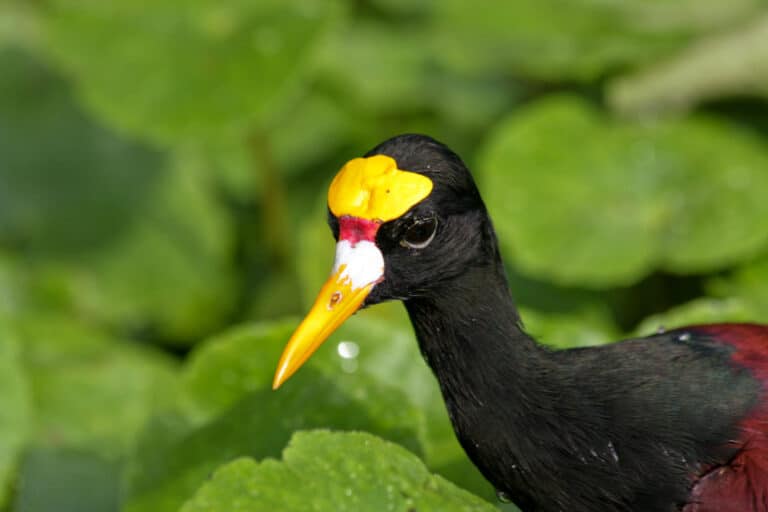
Built to walk on water lilies
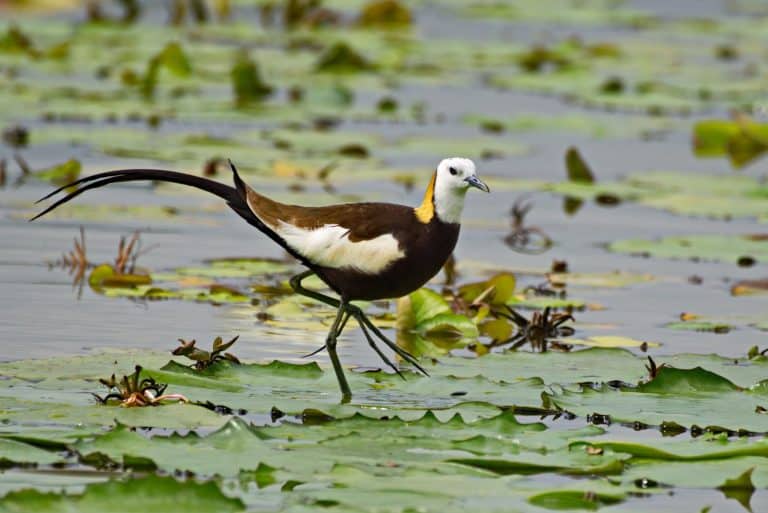
The lily-walker with a pheasant tail
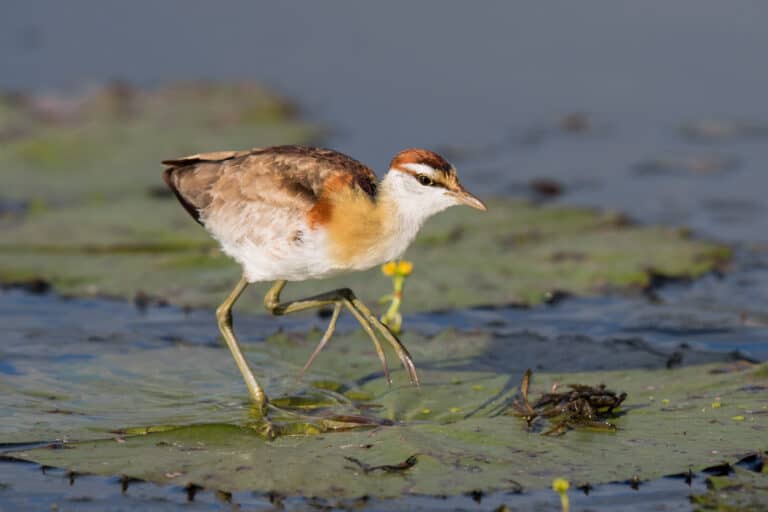
Small bird, giant toes.
Bronze wings, lily-pad footsteps
Big toes. Bold females. Devoted dads.
Madagascar's master of lily pads
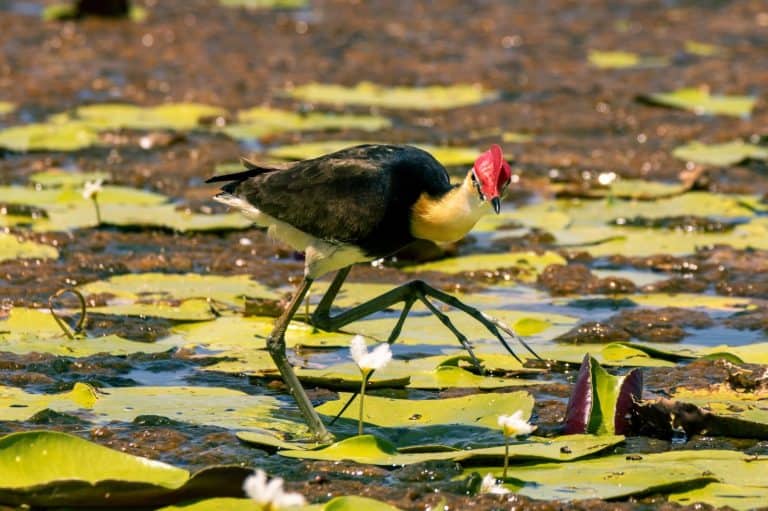
Walks on lilies, rules the wetlands
Small monkeys, big teamwork
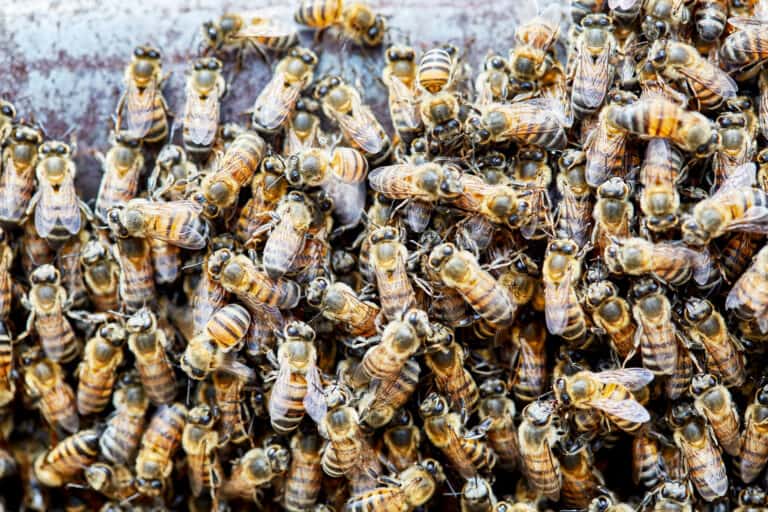
Same species-different attitude.
Farmers of the forest floor
Thank you for reading! Have some feedback for us?
We appreciate your help in improving our content.
Our editorial team will review your suggestions and make any necessary updates.
There was an error submitting your feedback. Please try again.