
Quick Take
- There's a verified record for the oldest Burmese ever, and the number is genuinely hard to believe. Check the record age →
- One everyday decision you make for your cat could shave years off its life. Most owners underestimate the difference it makes. See the outdoor risk →
- Burmese cats carry a hidden health risk tied to their face shape that many owners never see coming. Explore brachycephalic risks →
Are you thinking of adopting a Burmese cat, or do you already share your home with one of these affectionate felines? It’s only natural to wonder how long Burmese cats typically live and what you can do to help them live longer. Learn the average Burmese lifespan, the different stages of their life, threats to their health, and tips on how to keep your Burmese healthy and thriving for many years.
How Long Do Burmese Cats Live?
In a study assessing around 8,000 cats in the U.K., the Burmese was found to have the longest lifespan, with an average life expectancy of 14.42 years. Their life expectancy ranged from 12.91–15.93 years. However, the oldest Burmese recorded in the study reached 21.29 years old.
However, keep in mind the study is based on cats in the U.K., where it is more common for cats to be allowed to free roam outdoors. In Europe, studies show that nearly 70% of cats are indoor/outdoor cats, whereas in the U.S. and Canada, over 80% of cats are indoor only. Studies have shown indoor cats live longer, with outdoor cats having roughly 70%–80% of the lifespan of indoor cats.
There are also reports of Burmese living as long as 35 years, but these reports cannot be substantiated. A Burmese named Kataleena Lady from Melbourne, Australia was verified as the oldest living cat by Guinness World Records in 2004, having reached the age of 27.
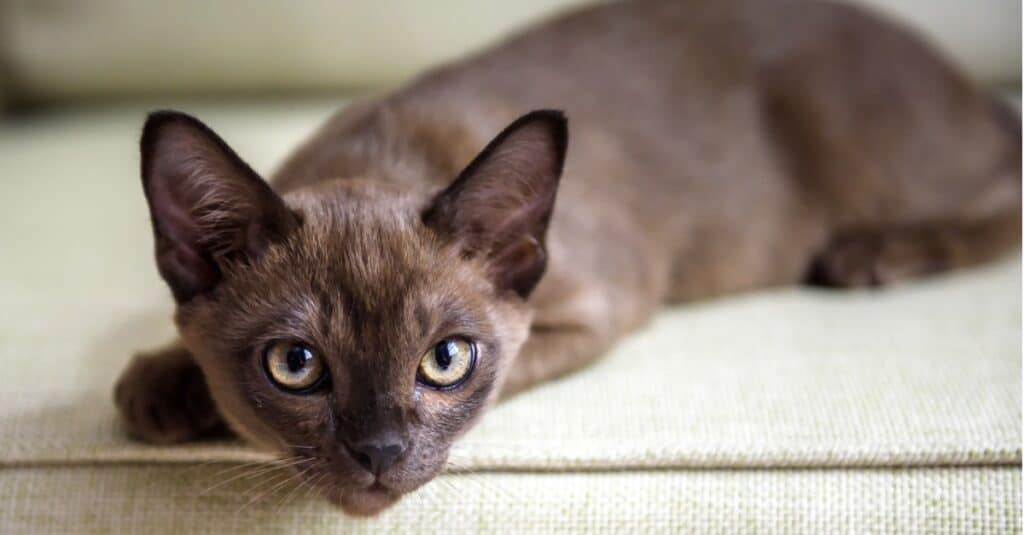
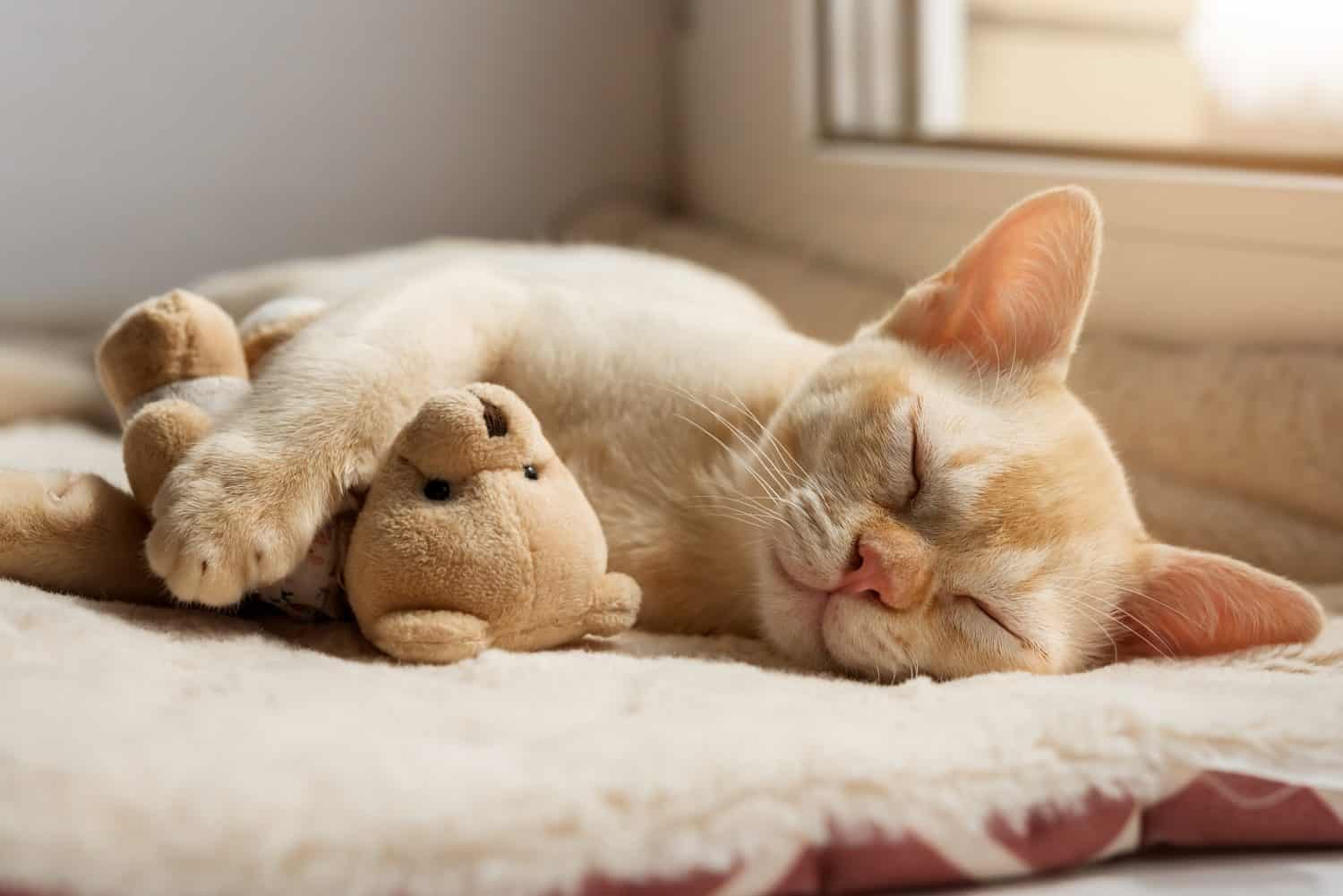
One study from the U.K. found Burmese to be the longest-lived cat breed.
©iStock.com/scaliger
The Average Burmese Cat Life Stages
Your Burmese cat goes through four stages: newborn to eight weeks (when they are still with their mothers), kittenhood, adulthood, and senior years. Take an in-depth look at each of these stages in the following sections.
Newborn-Eight Weeks
Until eight weeks of age, Burmese kittens should remain with their mother and siblings. Burmese cats are born helpless and completely dependent on their mother. They develop quickly, however. By one week old, they can see and hear, although not very well. They gain the ability to play, eat solid food, and use the litterbox during week three. The mother cat weans them by the time they’re six to eight weeks old.
Kittenhood
Burmese cats are technically kittens until one year old, though they’ll retain a young, boisterous energy beyond this time. It’s important for kittens to grow up around other kittens, which is why many breeders and rescues will recommend adopting two, rather than one. Well past weaning age, they teach each other skills like gentle play and even basic household manners.
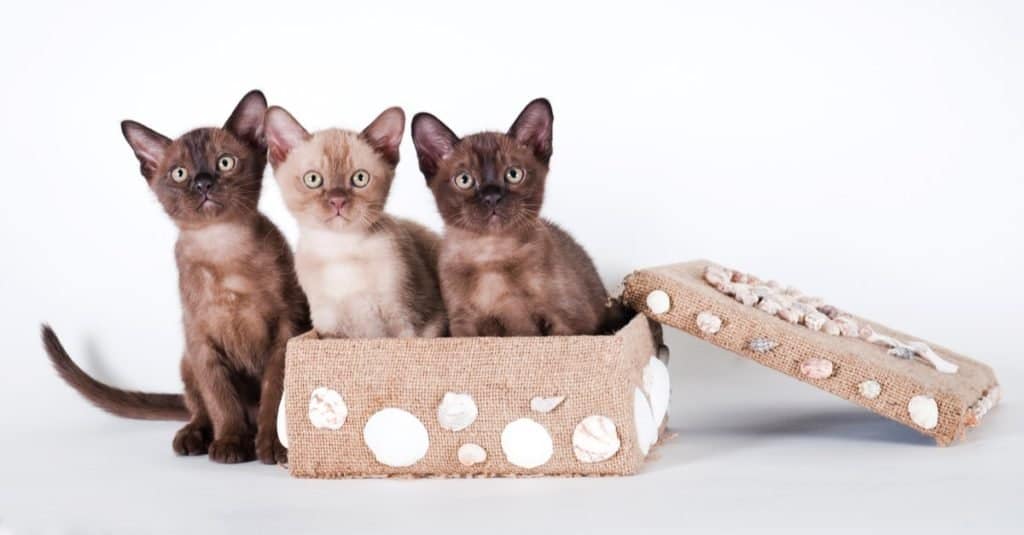
Some breeders wait longer than eight weeks to adopt kittens to give them time to develop and socialize.
©Anton Saiun/Shutterstock.com
Two kittens also occupy one another and are typically easier to handle than a solo kitten. Of course, you’ll also want to socialize your Burmese kittens with people and get them used to handling, such as brushing their coats and trimming their nails. You’ll also want to have your kittens spayed or neutered. Most vets recommend the procedure early, before the cats are five months old, to prevent unwanted pregnancies.
Adulthood
Adult Burmese are known for being sweet, affectionate, and playful. They enjoy — and require — daily play, and they typically enjoy being handled. However, every Burmese has different preferences. These cats are highly intelligent, too. They’ll pick up on tricks quickly and get a lot of mental enrichment through training. Adult cats tend to be lower maintenance than kittens and seniors, but they still require attention, daily care, and vet visits at least once a year.
Senior Years
As your Burmese cat enters their senior years, they’re likely to play less and sleep more. Like humans, it’s very common for senior cats to develop arthritis and other health problems. Routine bloodwork done every six months can help you keep on top of their health and ensure that, if problems do arise, you can catch and treat them early.
Threats That Can Lower Your Burmese Cat’s Lifespan
There are several threats that can lower your Burmese cat’s lifespan. These can include genetics and breeding, health problems, and lifestyle.
Genetics and Breeding
We can’t always control our cats’ genetics, but they have a huge impact on lifespan. Many illnesses are genetic, and some can be screened for in the parent cats before breeding a litter. Only purchase kittens from breeders who complete all recommended health tests for their breed, and never buy from someone willing to breed cats with genetic health problems.
Health Problems
Since Burmese cats are brachycephalic, or short-snouted, poor breeding can cause health issues such as difficulty breathing, exercise intolerance, and brachycephalic airway syndrome. Burmese cats are also prone to other genetic health issues, including:
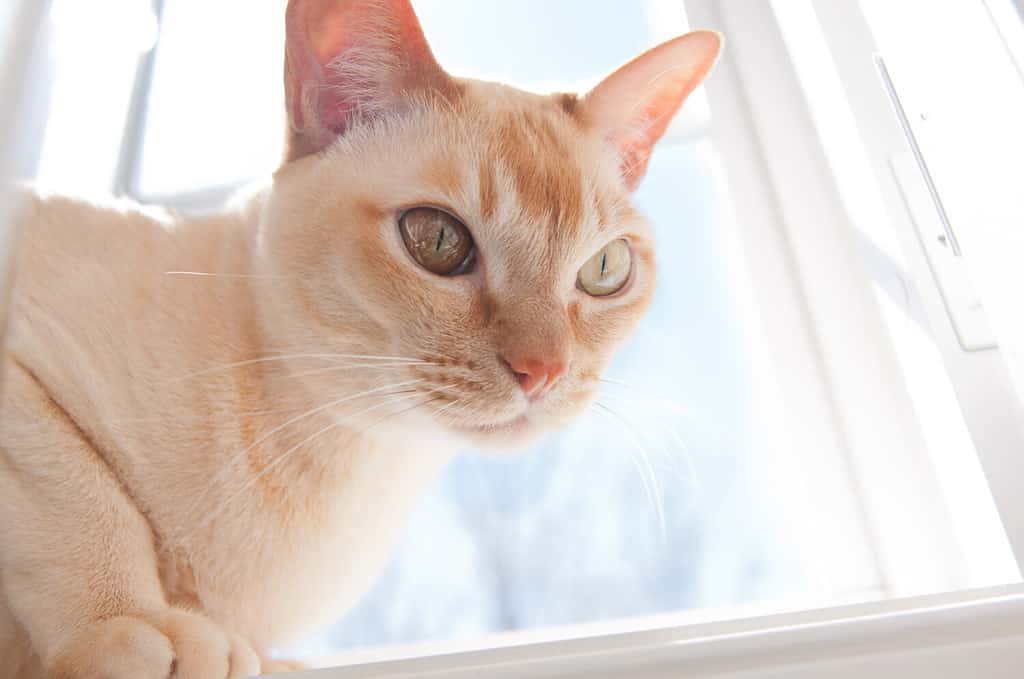
Keeping your Burmese cat indoors greatly increases their life expectancy.
©Lynne Bentley/Shutterstock.com
An Outdoor Lifestyle
As we discussed previously, studies have shown free-roaming cats have approximately 20%-30% shorter lifespans than indoor-only felines. Plus, their deaths tend to be more violent. Threats that outdoor cats face include:
- Traffic
- Dogs
- Other predators
- Cat fights
- Disease
- Parasites
- Ill-intentioned humans
- Poisoning from plants or other substances, such as antifreeze
If you’d like your Burmese cat to experience the great outdoors, the safest ways are to build an enclosed catio (cat patio) or to harness train them. This allows them to explore safely. Talk to your veterinarian about parasite preventatives and vaccinations they recommend before letting your cat outside.
How to Keep Your Burmese Healthy
If you’ve already adopted your Burmese cat from a breeder, you already know your pet’s ancestry. If you’re adopting from a rescue or shelter, you won’t know their genetics. However, there are still a few things you can do to increase their lifespan. The first is to ensure you take your Burmese for annual vet visits, not only when something is wrong. Your vet can do tests and bloodwork that can identify issues before they become serious problems.
Providing daily exercise and plenty of mental stimulation can also help your pet live a longer and more fulfilling life. Aim for 30 minutes per day, broken into two or three short play sessions of 10 or 15 minutes. Wand toys, puzzle feeders, motion toys, and vertical climbing spaces can also keep your cat mentally stimulated. Keep your pet indoors unless it is on a harness or in a catio. Finally, feed your cat a quality, vet-recommended diet and be careful not to give out too many treats. Maintaining a healthy weight is very important, as cats who are overweight have shorter lifespans.