
Quick Take
- Azithromycin is FDA-approved for humans, though your vet using it for your cat is a different story entirely. See when vets prescribe it →
- Some common cat medications turn azithromycin dangerous, and a few of them are ones you would never suspect. See the dangerous combinations →
- One tick-borne disease treated with azithromycin can kill a cat in days, and its early symptoms are easy to miss. Learn about this deadly infection →
- The right azithromycin dose for your cat isn't just about weight, and there's a timing factor that most owners overlook. Check the dosing details →
Sometimes, our feline friends need medication. A powerful macrolide antibiotic, azithromycin, treats bacterial infections in humans and both bacterial and and parasitic infections in cats. An important note regarding azithromycin is that the FDA has not approved its use in cats. Therefore, while it is legal for your veterinarian to give this to your cat, they will be using it off-label. With this information in hand, we remind anyone reading this article that giving medication of any kind to your pet requires a veterinarian’s advice and direction. This article does not replace veterinary advice. Failure to consult a veterinarian before giving medication to your cat could result in major side effects up to and including death.
What Is Azithromycin Used for in Cats?
A-Z Animals spoke with veterinarian Shelly Wyatt, Doctor of Veterinary Medicine at Northwood Hills Animal Hospital in Gulfport, MS, regarding the use of azithromycin in cats. Where safety is concerned, she said azithromycin is “technically safe for [cats of] all ages, but this is considered a ‘big gun’ antibiotic, so should only be reached for when specific diseases like Bartonella, Mycoplasma, Cytauxzoon, or Cryptosporosis are present, or if more conservative treatments have failed.” As Dr. Wyatt pointed out, azithromycin is usually prescribed for specific diseases when other treatments have failed. So, what infections does azithromycin treat?
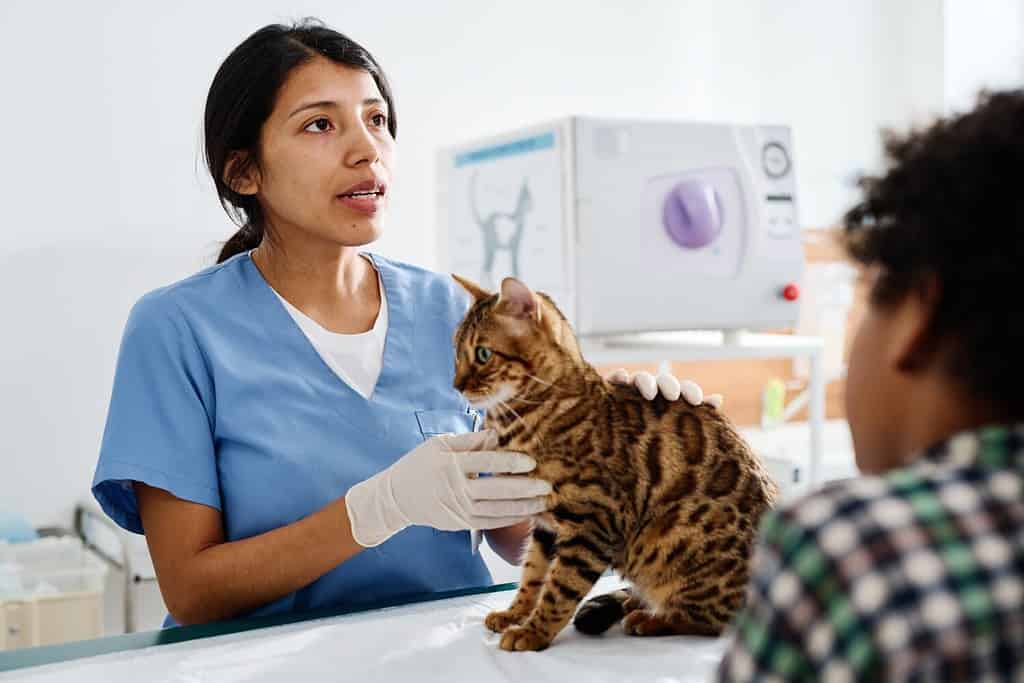
Cats should only receive medication, including azithromycin, as prescribed by a veterinarian.
©Pressmaster/Shutterstock.com
Bartonella
Transmitted primarily through the bites of fleas, this infection appears in outdoor cats often. Humans catch it through cat scratches. Aptly called “cat scratch fever” by some, this condition is zoonotic. That means people can catch it from animals. Signs of Bartonella infection include fever, vomiting, tiredness, red eyes, swollen lymph nodes, and not wanting to eat. Cats can also become infected through contact with infected blood either in cat fights or through a blood transfusion.
Treatment with azithromycin is not usually the first choice in cats with Bartonella. If the disease becomes resistant to the medication, it may also show cross-resistance to other macrolide antibiotics. Other macrolide antibiotics available for use in the U.S. include clarithromycin, erythromycin, fidaxomicin, and telithromycin.
Mycoplasma
Formally called feline hemotrophic mycoplasma (FHM), this rare condition in cats causes anemia. That’s because the red blood cells become infected with the bacterial parasite, and the body begins to kill them off since they are no longer recognizable. Signs of the infection may not appear until the cat is very ill; however, when present, symptoms may include pale gums and jaundice (a yellow tinge to the skin or mucous membranes). Jaundice is the result of damage to the liver.
Veterinarians only choose treatment with azithromycin in cats for this condition when other treatments don’t work. Typical drugs used include a broad-spectrum antibiotic such as doxycycline, enrofloxacin, or marbofloxacin. Because this is also a zoonotic infection, humans treating cats with this disease should practice good hygiene after handling the cat. This includes washing their hands every time they touch or medicate the cat.

Jaundice (or icterus) is a term that refers to the yellowing of the skin and mucous membranes.
©Todorean-Gabriel/Shutterstock.com
Cytauxzoon
This tick-borne disease also infects blood cells in cats. Originally found in bobcats, this disease infects many species of both wild and domestic felines. Usually, the Lone Star tick or the American dog tick passes this infection through their bite. Thankfully, cats do not directly pass it to one another. Generally, signs develop about 10 days after the bite, and onset is rapid. Symptoms include low body temperature, seizures, and coma.
If left without treatment, the cat will likely die. However, one study discussed the possibility that multiple strains of the disease exist because some domestic cats survive the infection. Azithromycin, along with antiprotozoal drugs such as imidocarb or atovaquone, helps cats heal from this condition. Lastly, this disease cannot be transmitted to humans.
Cryptosporidiosis
Marked by severe diarrhea, this intestinal parasite passes from cat to cat through infected fecal matter. Because cats lick themselves to get clean, they can ingest this parasite easily. Oftentimes, cats catch this disease through mutual grooming, shared litter boxes, or contaminated food or water.
No medication has proven effective in killing this parasite all the time. The main goal of treatment is to cure diarrhea. However, some veterinarians use azithromycin in very ill cats. Unfortunately, this disease is also zoonotic.
Side Effects of Azithromycin in Cats
The use of any medication comes with the risk of side effects. Cats that have previously had a reaction to a macrolide antibiotic should not take azithromycin. The dosage, duration, and treatment frequency vary based on the condition, how one responds to the medication, and the occurrence of adverse effects. Again, your veterinarian will determine the proper usage of azithromycin for your cat.

It’s important to take your cat to the vet if you witness vomiting, diarrhea, decreased appetite, and other side effects of azithromycin.
©iStock.com/Jeng_Niamwhan
Possible side effects to watch for include:
- Vomiting
- Diarrhea
- Abdominal pain
- Decreased appetite
- Heart arrhythmia
- Renal (kidney) dysfunction – watch for increased drinking and urination, lethargy
- Hepatic (liver) dysfunction – watch for jaundice, lethargy, pale gums
- Eye irritation (when used as an eye drop)
If your cat is taking azithromycin and you notice any of these side effects, contact your veterinarian immediately. Also, contact your veterinarian if you become concerned about anything while your cat is taking this medication. It is better to be safe than sorry.
When Should Cats Not Take Azithromycin?
Cats with diagnosed liver or kidney disease should not take azithromycin. Make sure the veterinarian recommending azithromycin is fully aware of any and all medication, vitamins, and supplements your cat is taking. Take a closer look at the medications that interact with azithromycin in the sections below.
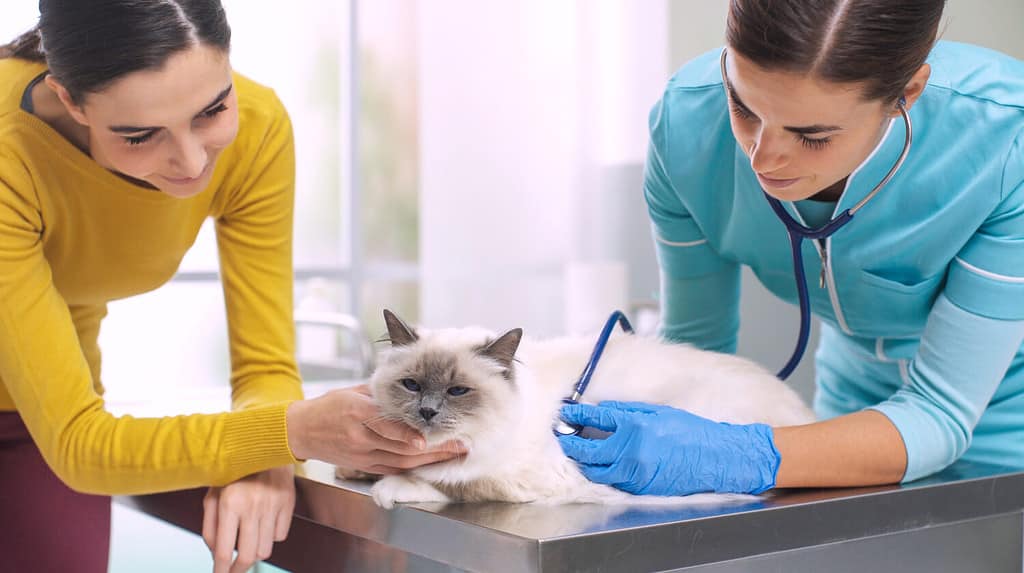
Make sure your vet knows every medication your cat is on if they prescribe azithromycin.
©Stock-Asso/Shutterstock.com
Digoxin, Theophylline, Cyclosporine, and Methylprednisolone
Combining digoxin, theophylline, cyclosporine, and methylprednisolone with azithromycin may increase the blood serum levels of these medications. That means the concentration of the drug in the blood is higher than intended, which can produce side effects, including death. This is particularly true for theophylline, as there is already a risk for toxic effects when used in cats.
Triazolam and Midazolam
Triazolam and midazolam may take longer to clear the body when given with azithromycin in cats. Sometimes used in anesthetic procedures, these medications may cause cats that are already taking azithromycin to take longer to wake up from surgery. This increases the likelihood of problems associated with anesthesia, such as low body temperature. While low body temperature seems minor, it is actually linked to high perioperative complications and mortality rates.
Certain Gastrointestinal, Antiemetic, and Antifungal Medications
Cisapride, ondansetron, doesetron, sotalol, quinolone antibiotics, and antifungal medications in the “azole” family (ketoconazole, metronidazole, etc.) should also be completely avoided. Concurrent administration of these medications can increase the chances of heart rhythm disturbance (arrhythmia).
Oral Antacids Like Omeprazole and Famotidine
These medications can block the absorption of azithromycin in cats and reduce its effectiveness. If your cat takes any of these medications, give them at least two hours before or after azithromycin.
Phenobarbital
This seizure medication also affects the cat’s ability to process and use azithromycin. So, using them together may make the antibiotic less effective.
Dosage Chart for Azithromycin in Cats
Azithromycin comes in many dosage forms, and your veterinarian can help you choose the right one for your cat. Typically, it is available in tablets, capsules, injections, oral suspensions, and eye drops. Sometimes, compounding pharmacies can make special formulations, such as ear ointments that allow the medication to absorb through the skin. The usual dose for azithromycin in cats is 2.5–7.5 mg per pound of body weight every 12–24 hours for up to seven days. Your veterinarian may want you to use a tapering dose, which means gradually decreasing how often you give the medication over a set period of time.

Follow your vet’s instructions on the proper azithromycin dosage for your cat.
©iStock.com/Valery Kudryavtsev
Always follow your veterinarian’s instructions exactly and finish the prescribed course unless otherwise instructed, even if your cat appears to be feeling 100% better.
| Cat’s Weight in Pounds | Azithromycin Dosage |
|---|---|
| 0-5 | 2.5-37.5 mg per dose |
| 6-10 | 15-75 mg per dose |
| 11-20 | 27.5-150 mg per dose |
| Over 20 | consult your vet |