

Quick Take
- Your cat could be allergic to penicillin even if they've taken it safely before, and most owners don't realize how unpredictable the timing of that reaction can be. See allergy warning signs →
- Not every cat with a UTI or ear infection actually needs penicillin, and giving it anyway can make the real problem harder to treat. When penicillin isn't appropriate →
- The weight-based dosage difference between a 5-pound and 15-pound cat is surprisingly wide, and getting it wrong carries real consequences. Check the weight-based dosing →
- Penicillin has several common alternatives for cats, but one of them comes with a kidney risk that makes vets hesitant to prescribe it. Explore antibiotic alternatives →
Penicillin is an antibiotic that is sometimes prescribed to cats for the same reason it is prescribed to humans: to treat bacterial infections. That said, you should only administer penicillin to your feline under the direction of a vet, as the dosage can vary widely. Furthermore, penicillin only works on bacterial infections. Therefore, if your cat has a virus, it will not work.
Plus, certain antibiotics work better against certain bacteria. Penicillin is only one of the antibiotics that vets can prescribe, but not all human antibiotics are safe for cats. Using antibiotics incorrectly can lead to antibiotic resistance and potentially other health issues, so you should always follow your vet’s guidance closely. Cats only need a small dose, as they have very small bodies compared to humans. In this article, we’ll provide some basic information about how penicillin works, as well as the risks and usual dosage. None of this information is meant to replace the direction of your vet.
When Do Cats Need Penicillin?
As mentioned above, cats may need penicillin or another antibiotic when they have a bacterial infection. Not all bacterial infections require antibiotics. Often, they will go away on their own within a few days. However, they can sometimes be too serious for a cat’s immune system to fight off on their own.
Bacterial infections can occur in various parts of a cat’s body. Here are some common reasons a vet may recommend penicillin:
- Respiratory Infections: Antibiotics are commonly used to treat bacterial respiratory infections like pneumonia, though many upper respiratory infections are viral in origin and do not respond to antibiotic treatment.
- Skin Infections: Bacteria can also establish themselves on the skin, causing abscesses, cellulitis, or infected wounds.
- Urinary Tract Infections: Cats are unfortunately prone to urinary tract infections, though bacterial infections are actually less common than non-bacterial conditions like Feline Idiopathic Cystitis (FIC). True bacterial UTIs tend to occur more often in older cats. When a bacterial infection is confirmed, penicillin is commonly prescribed for this purpose, too.
- Dental Infections: Felines can develop infections in their mouth, and some of these may be treated with antibiotics.
- Ear Infections: Most ear infections are bacterial (though viruses can also cause them). Therefore, cats with ear infections may be prescribed antibiotics.
- Other Bacterial Infections: Beyond these, there are many other bacterial infections your cat may develop, such as infections in their gastrointestinal tract or eyes. Any bacterial infection can sometimes warrant the prescription of penicillin.
It’s important to remember that viruses cannot be treated with antibiotics like penicillin. It isn’t a cure-all; it only treats bacteria. Therefore, it’s important to work with your vet to determine if your cat has a bacterial infection or something else.
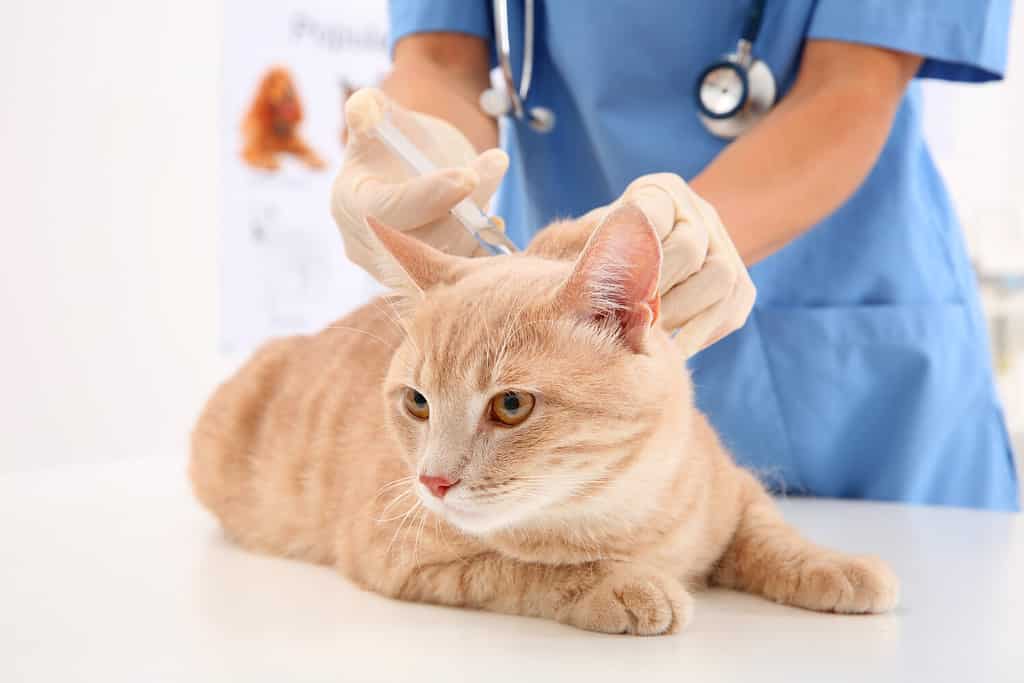
Penicillin is injectable, but our chart focuses on oral penicillin, as this is most commonly given at home.
©Africa Studio/Shutterstock.com
Side Effects of Penicillin in Cats
Penicillin and other antibiotics can have potential side effects in cats, just as they do in humans and other animals. However, penicillin is widely considered to be safe and doesn’t usually cause many side effects.
However, here are some side effects you may want to watch for, especially if your cat has never received penicillin before:
- Allergic Reactions: Allergic reactions are relatively common to penicillin, and cats can develop them at any time, even if they have previously taken penicillin. Symptoms may include itching, swelling, hives, difficulty breathing, and even anaphylactic shock. You should contact your vet right away if you notice any sign of an allergic reaction.
- Gastrointestinal Upset: Penicillin can disrupt the balance of bacteria in your cat’s stomach and intestines, harming beneficial bacteria along with harmful ones. Therefore, nausea, vomiting, diarrhea, and a decreased appetite can all occur while taking penicillin.
- Neurological Signs: In very rare cases, penicillin can cause neurological side effects. If you observe any unusual behavior in your cat, contact your vet right away.
- Diarrhea: Some cats may develop diarrhea or an overgrowth of Clostridium difficile bacteria in the intestines, leading to a condition called antibiotic-associated colitis. This condition can be serious and requires veterinary attention.
- Overgrowth of Other Bacteria: Antibiotics disrupt the natural balance of bacteria in your cat’s gut. Therefore, it may lead to harmful bacteria getting a foothold after the other bacteria are destroyed.
Giving your cat the proper amount of penicillin can help reduce the chance of side effects. However, sometimes even when given properly, antibiotics can still cause allergic reactions and other side effects.
Signs of a Penicillin Overdose/Allergies in Cats
As we previously stated, cats can develop an allergy to penicillin at any time. Just because your cat was prescribed penicillin before and didn’t have a reaction doesn’t mean they won’t become allergic later.
Here are some of the most common signs of a penicillin allergy in cats:
- Itching and skin reactions
- Swelling
- Respiratory problems
- Gastrointestinal pain
- Lethargy
- Salivation
- Anaphylactic shock
Look for these symptoms and call your vet right away if you notice them. While an allergy to penicillin is rarely deadly, it can be.
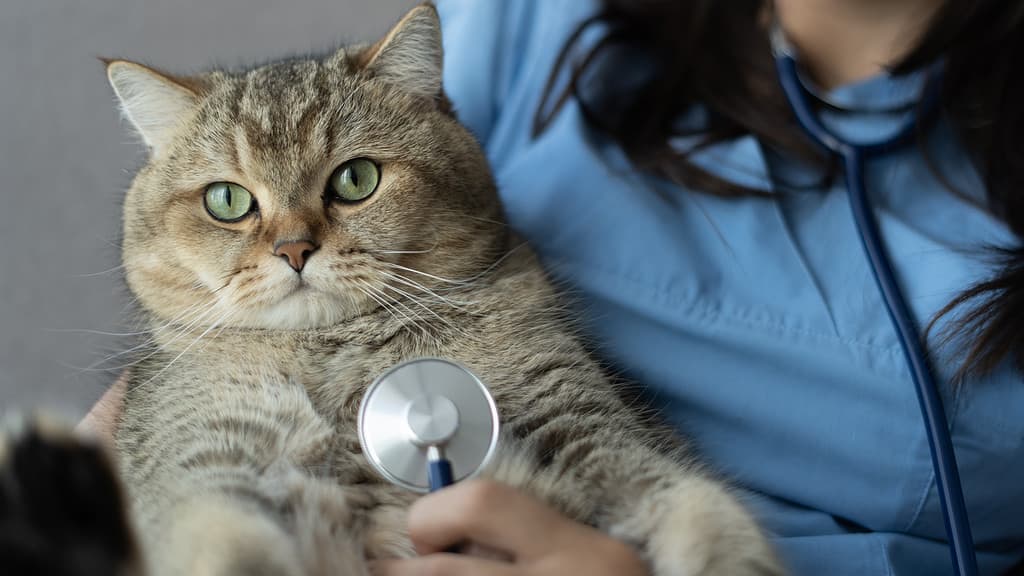
Call your vet right away if your cat exhibits side effects or signs of allergic reaction to penicillin.
©izzetugutmen/iStock via Getty Images
Risks to Consider
There are some risks to consider when giving penicillin or any medication to your cat. However, penicillin is usually very safe, with the pros far outweighing the cons. If your vet recommends penicillin, there is often little reason not to give it to your feline. On the other hand, leaving a bacterial infection unchecked can be fairly dangerous.
The biggest risks are allergic reactions, gastrointestinal side effects, and antibiotic resistance. However, when used properly under the direction of a vet, these risks are relatively low (or very minor when they do occur). Some cats with underlying health conditions, like kidney disease, may need to be more careful when using antibiotics. However, your vet should help you figure out if the pros outweigh the cons.
When Is Penicillin Not An Option for Your Cat?
Penicillin isn’t always an option for your feline. There are several situations where you may need to use a different antibiotic or avoid antibiotics altogether. Of course, your vet should be well aware of these situations and should provide advice for when you shouldn’t use penicillin.
Here are situations when cats cannot or should not be given penicillin:
- Known allergy: If your cat is allergic to penicillin, they cannot be given it. Once a cat has one allergic reaction, they will practically always have another.
- Underlying health condition: Sometimes, cats with liver or kidney disease cannot tolerate penicillin well.
- Ineffectiveness: Penicillin is effective against most bacteria – but not all. Some infections may call for a different antibiotic.
- Antibiotic resistance: Penicillin won’t be helpful against antibiotic-resistant strains of bacteria.
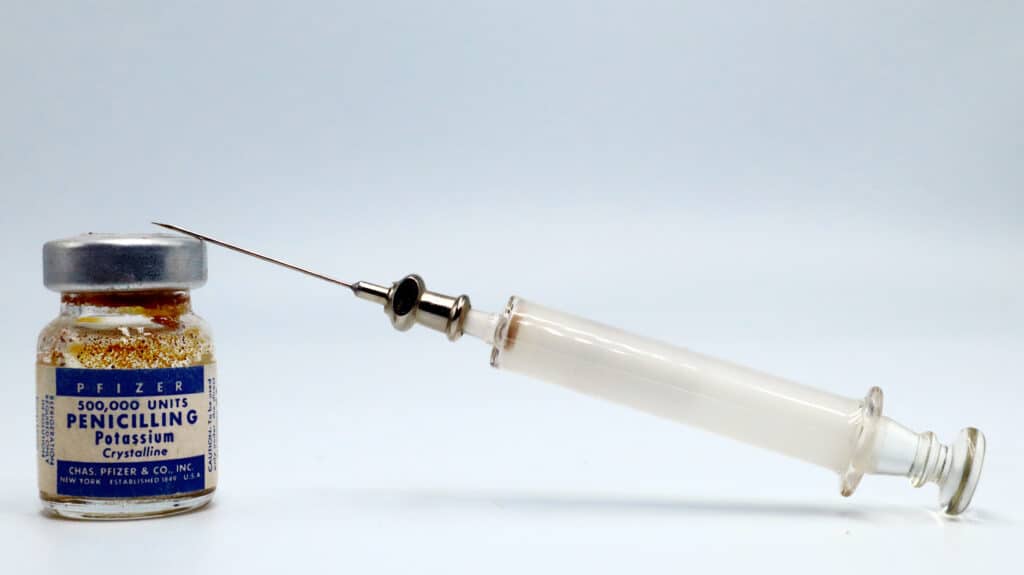
Penicillin is only one type of antibiotic. There are others that may be more useful for certain infections.
©Walter Cicchetti/Shutterstock.com
Penicillin Dosage Chart for Cats
As we’ve discussed, the penicillin dosage should be received from your vet. The exact dosage can vary on a lot of factors, including the exact type of penicillin and the duration of treatment. Sometimes, different infections may call for more or less penicillin. Penicillin dosing should only be determined and prescribed by a licensed veterinarian.
Here is a rough guideline for how much penicillin a cat should likely receive based on its body weight. These guidelines are based on the recommendations in the Merck Veterinary Manual.
| Cat Weight | Penicillin Dosage |
|---|---|
| 5 pounds | 25 – 50 mg |
| 7 pounds | 35 – 70 mg |
| 10 pounds | 50 – 100 mg |
| 12 pounds | 60 – 120 mg |
| 15 pounds | 75 – 150 mg |
Alternatives to Penicillin for Cats
Penicillin isn’t always the best option for cats. Instead, the antibiotic must be chosen based on the type of infection. Different strains of bacteria are more sensitive to certain antibiotics.
If your cat cannot use penicillin for one reason or another, there are often many other antibiotics to choose from. Here are some of the most common alternatives:
- Clindamycin: This antibiotic is often effective against many bacterial infections, so it’s often utilized when penicillin is ineffective or the cat has an allergy.
- Cephalosporins: Antibiotics in this group are often effective on a wide range of bacterial infections, too.
- Doxycycline: Usually, this antibiotic is used to treat respiratory, urinary tract, and tick-borne infections. It is most commonly available as an oral medication, with injectable formulations used in select clinical situations.
- Enrofloxacin: Again, this antibiotic is utilized for a wide range of different infections, but it often isn’t the top choice and is not very commonly used.
- Azithromycin: This antibiotic is most commonly used against upper respiratory infections, but it may also be utilized for other infections at the vet’s discretion.
- Amikacin or Gentamicin: These antibiotics are more dangerous than others, as they can have a stronger negative effect on the kidneys. However, they can be effective in serious situations.
- Chloramphenicol: This broad-spectrum antibiotic can be used in many situations when others have not worked.
It’s important to work with your vet to determine the best antibiotic for your feline, as many variables go into this decision. Sometimes, two or more antibiotics may need to be used if the first one chosen proves to be ineffective or if your cat has an allergic reaction.
How to Treat Penicillin Overdose in Cats
If you suspect that your cat has had too much penicillin, seek veterinary attention right away. Penicillin can be dangerous if given in very large amounts. Provide as much information as possible, including the exact type and dose of penicillin your cat had. Of course, do not give your cat any more medication, including other types of medication, unless directed to do so by your vet.
When you go to the vet, bring the bottle of penicillin with you so that your vet can see exactly what your cat took. Luckily, penicillin rarely causes serious side effects, even when consumed in large amounts. In most cases, stomach issues are the most common, like vomiting and diarrhea. However, these can put an already sick cat at a higher risk of dehydration. Your vet may want to prescribe anti-nausea medications or IV fluids to prevent this potential complication.