A
Species Profile

Alpine Dachsbracke

Canis lupus familiaris

Low to the ground, nose on the trail
Bildagentur Zoonar GmbH/Shutterstock.com

Alpine Dachsbracke Distribution

Click a location to explore more animals from that region

Origin Location

This map shows the native origin of the Alpine Dachsbracke. As a domesticated species, they are now found worldwide.

Loading map...

Found in 1 country

Size Comparison

Human 5'8"
Alpine Dachsbracke 1 ft 3 in

Alpine Dachsbracke stands at 22% of average human height.

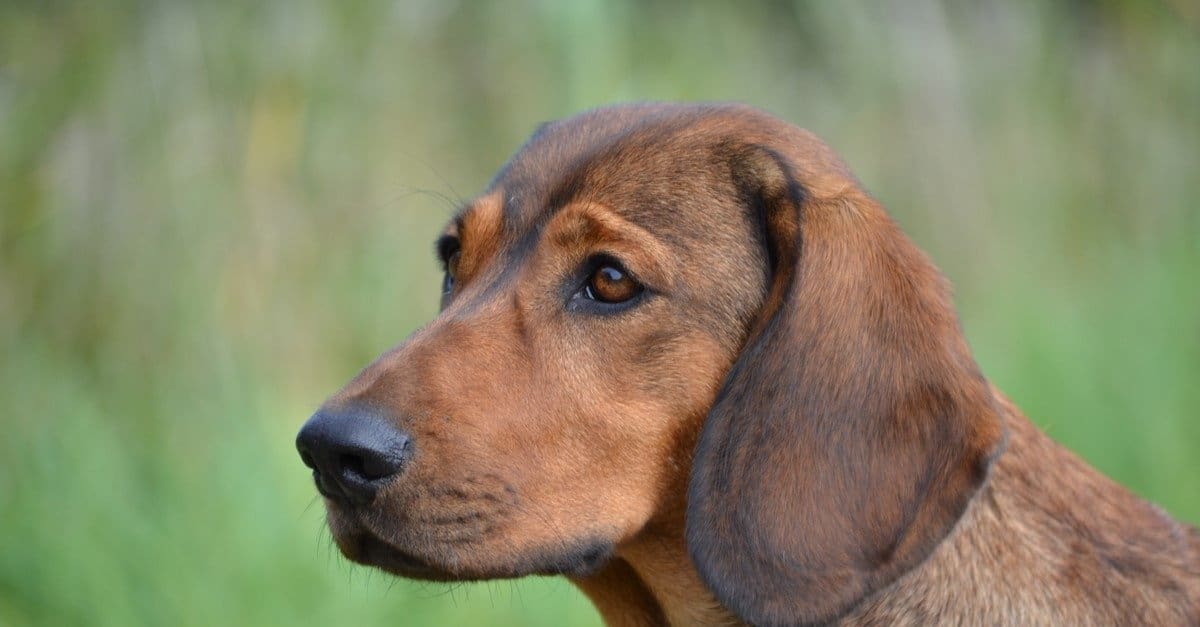
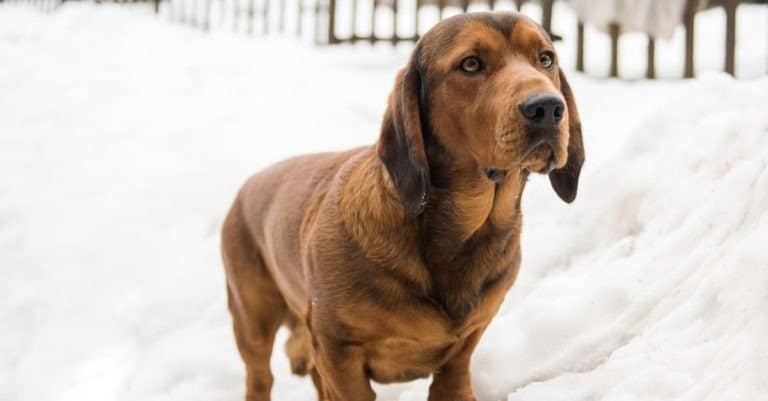
Alpine Dachsbracke close-up

At a Glance

Domesticated
Also Known As Alpenländische Dachsbracke, Alpine Bracke
Diet Omnivore
Activity Diurnal+
Lifespan 13 years
Weight 18 lbs
Status Not Evaluated
Did You Know?

The Fédération Cynologique Internationale (FCI) lists the breed's official English name as "Alpine Dachsbracke."

Scientific Classification

A short-legged Alpine scenthound developed for tracking and driving game (notably wounded deer) in mountainous terrain; a robust, low-slung hound sometimes described as a 'badger hound' type.

Kingdom
Animalia
Phylum
Chordata
Class
Mammalia
Order
Carnivora
Family
Canidae
Genus
Canis
Species
Canis lupus familiaris

Distinguishing Features

  • Short-legged, elongated but sturdy body suited to rough mountainous ground
  • Scenthound with strong tracking ability; traditionally used for blood tracking (wounded game)
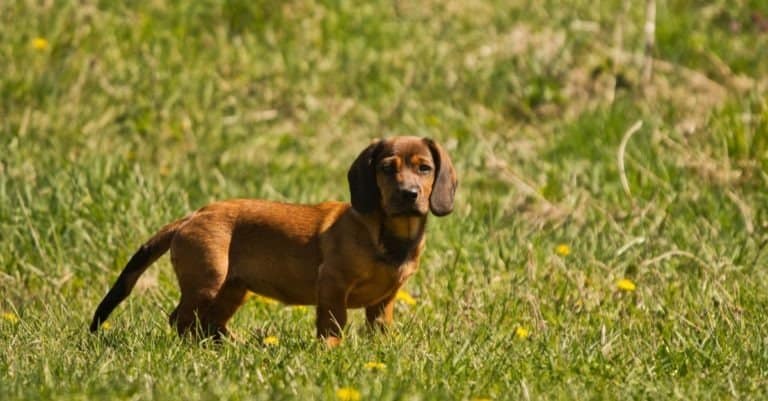
  • Typical coat colors include red (often with black overlay) or black-and-tan; dense coat for cool climates
  • Drop ears, strong chest, and a relatively long tail carried slightly raised

Physical Measurements

Males and females differ in size

Height
♂ 1 ft 4 in (1 ft 3 in – 1 ft 5 in)
♀ 1 ft 2 in (1 ft 1 in – 1 ft 4 in)
Length
♀ 2 ft 6 in (2 ft 3 in – 2 ft 9 in)
Weight
♂ 39 lbs (35 lbs – 42 lbs)
♀ 34 lbs (31 lbs – 37 lbs)
Tail Length
♂ 10 in (9 in – 11 in)
♀ 8 in (7 in – 9 in)
Top Speed
25 mph
Low top speed

Appearance

Primary Colors
Secondary Colors
Skin Type Alpine Dachsbracke has fairly tight, medium-thick skin under a dense double coat with a weather-resistant topcoat and undercoat for Alpine weather. Check under collars and ear folds often for irritation.
Distinctive Features
  • Low-slung, short-legged 'badger hound' build (longer body relative to height) developed to track/drive game in mountainous terrain; noticeably more robust and heavy-boned than many general domestic dogs of similar height.
  • Deep chest and strong forequarters for stamina on steep slopes; slightly elongated back increases leverage for scenting close to ground but also elevates back-care importance compared with the average dog.
  • Long, pendant ears typical of scenthounds-excellent for funneling scent but predisposed to ear canal moisture/debris; routine ear cleaning/drying is a key care requirement.
  • Broad, strong head with a pronounced stop and powerful nose; breed is intensely scent-driven with high tracking persistence-requires secure fencing/leash reliability and structured scent work to prevent roaming.
  • Dense, harsh outer coat with undercoat for cold/wet weather; sheds seasonally. Grooming needs are moderate (weekly brushing; more during seasonal shed).
  • Prone to intervertebral disc disease and back strain from long body and short legs. Keep weight down, avoid frequent jumping or steep stairs. Also watch for ear infections, obesity, patellar luxation, occasional hip dysplasia.
  • Does best with daily long walks and scent jobs like tracking and nose work. May not come back when on a scent; needs early training using treats and a long line in open areas.

Sexual Dimorphism

Moderate sexual dimorphism typical of many domestic scenthounds: males are generally larger and more heavily built, while females are slightly lighter and may appear more refined through the head and body.

♂
  • Heavier bone and more substantial head/neck; overall more robust, blocky outline.
  • Often slightly deeper chest and broader shoulders, reflecting traditional working selection.
♀
  • Slightly lighter frame with a more refined head; same low-slung proportions but less mass overall.
  • May mature a bit earlier in body condition; weight management remains important to protect the back and joints.

Did You Know?

The Fédération Cynologique Internationale (FCI) lists the breed's official English name as "Alpine Dachsbracke."

Developed in the Austrian Alps as a low-slung traditional scenthound type.

Renowned for tracking wounded red deer and other hoofed game by following cold, hours-old scent lines.

Its short legs and long body help it push through dense undergrowth and steep, rocky ground without losing the trail.

Typically works with a nose-down, steady pace-valued more for accuracy and persistence than speed.

Recognized internationally by the FCI as a distinct Austrian hunting breed (Standard No. 254).

Compared with many show-focused breeds, it remains primarily a working scenthound in its homeland.

Unique Adaptations

  • Short-legged, robust build suited to mountainous terrain and thick brush-distinct from the general domestic dog's wide range of body types.
  • Powerful scenting ability and trailing perseverance (a selected specialization within the domestic dog).
  • Weather-ready double coat (varies by individual/line) that helps in cold, damp Alpine conditions.
  • Strong feet, bone, and stamina designed for long days on uneven ground rather than sprint performance.
  • Temperament shaped for "follow the line" work: steady, persistent drive rather than quick switching between tasks.

Interesting Behaviors

  • Intense scent fixation: once on odor, it can "lock on" and ignore distractions-classic scenthound focus.
  • Methodical trailing: tends to work slowly and precisely rather than sprinting, conserving energy over long hunts.
  • Vocal communication: may give tongue (baying) while trailing or when excited, a traditional trait used by hunters to follow the dog's progress.
  • Independent problem-solving: often checks, circles, and re-finds the line when scent is lost, instead of looking to the handler immediately.
  • Pack-minded but handler-loyal: can work well with other hounds yet bonds strongly with its primary person when kept as a companion.
  • Ground-hugging movement: keeps head low and shoulders rolling slightly as it tracks, maximizing nose contact with scent-rich areas.

Cultural Significance

The Alpine Dachsbracke (Canis lupus familiaris) is part of Austrian and Alpine hunting culture. This scenthound tracks wounded deer, has a strong nose, keeps going, and barks while hunting. It is a working dog, not a show dog, used in mountain hunts.

Myths & Legends

In Alpine hunting tales, the Alpine Dachsbracke (Canis lupus familiaris), called the "badger hound," is said to slip into brush, stay on a trail, and have a nose that "won't let go."

Accounts from Austro-Hungarian highland hunting tradition tell of small, tough scenthounds accompanying noble hunters in rugged country, admired for recovering wounded stag when larger, faster dogs failed to hold the line.

In Central European scenthound hunting culture, Alpine Dachsbracke-type hounds are valued for their audible baying, which helps hunters keep track of the dog while it works in forests and steep mountain terrain.

Legends surrounding Saint Hubert, patron of hunters, helped elevate the cultural status of scent hounds across Europe; Alpine hunters often place their own local hounds within this long lineage of revered tracking dogs.

Regional tales sometimes credit low, sturdy hounds with an almost uncanny ability to "read" mountains-choosing safe traverses and returning home through passes in poor visibility, reinforcing their reputation as dependable partners in harsh terrain.

Conservation Status

NE Not Evaluated

Has not yet been evaluated against the criteria.

Population Stable

Life Cycle

Birth 4 pups
Lifespan 13 years

Lifespan

In the Wild
12–14 years
In Captivity
10–15 years

Reproduction

Mating System Polygynandry
Social Structure Managed Domestic
Breeding Pattern Serial
Fertilization Managed Selective
Birth Type Managed_selective

Alpine Dachsbracke (Canis lupus familiaris) dogs do not form long-term pairs. They can mate with many partners and have litters with more than one father. Humans usually plan and control matings, choosing healthy parents and timing breeding.

Behavior & Ecology

Social Pack Group: 4
Activity Diurnal, Crepuscular
Diet Omnivore Venison-based, meat-forward meals (highly palatable and aligned with its traditional deer-tracking role).

Temperament

Scent-driven, persistent tracker; compared with the base species context (general domestic dog), this breed is notably more single-minded on odor trails and less motivated by repetitive obedience without purpose
Even-tempered and sturdy; typically friendly with household members and familiar people
Can be reserved with strangers; benefits from early, broad socialization to prevent wary or overly vocal responses
High prey drive and strong trailing instinct; risk of roaming if off-leash in unsecured areas
Independent problem-solver with moderate-to-high trainability when training uses scent work, food rewards, and clear structure; can appear stubborn under distraction
Moderate dog sociability; may show resource guarding or competitive arousal in multi-dog contexts if under-exercised or poorly managed
Breed-specific care needs: substantial daily exercise plus "nose work" (tracking games, mantrailing-style tasks) to reduce frustration behaviors and nuisance baying
Obesity lowers stamina and strains joints; drop ears risk otitis, which can make them grumpy; long body and short legs raise back/IVDD risk—avoid high jumps, manage weight, and build core strength.

Communication

baying Breed-typical scenthound voice, especially when on scent or excited
barking Alerting and excitement barking; may increase with under-stimulation
howling Occasional, often in response to other dogs or isolation
whining Anticipation/frustration, especially before tracking or feeding
growling Boundary-setting/resource-related; usually context-dependent
scent marking Urine/fecal marking; heightened interest in odor communication compared with many non-scenthound breeds
intense ground-scenting and air-scenting posture changes (head down, tail carriage shifts) to signal trail engagement
body posture and facial signals Weight shift forward when tracking; soft/loose posture with family; stiffening under arousal
tail signaling Broad wag when affiliative; higher, more rigid carriage when highly aroused on scent
ear and head orientation Rapid scanning toward sound; sustained forward focus when trail-lock occurs
pawing/nudging and proximity seeking with bonded humans Soliciting interaction or access to outdoors

Habitat

Biomes:
Alpine Temperate Forest Boreal Forest (Taiga) Tundra Temperate Grassland Mediterranean Desert Hot Desert Cold Savanna Tropical Dry Forest Tropical Rainforest Wetland Freshwater +7
Terrain:
Mountainous Hilly Valley Rocky
Elevation: Up to 16404 ft 3 in

Ecological Role

Human-managed mesopredator/omnivorous domestic canid used as a specialized tracking and recovery hound for game management.

Improves recovery of wounded game, reducing animal suffering and waste Supports regulated hunting and wildlife management by locating/confirming downed animals Acts as a scent-detection tool that can reduce indiscriminate searching pressure on habitats In rural settings, can deter some nuisance wildlife around holdings when supervised (limited effect)

Diet Details

Other Foods:
Wild berries Fallen fruit Grasses and sedges Roots, tubers and plant matter Mushrooms

Human Interaction

Domestication Status

Domesticated

Alpine Dachsbracke (Canis lupus familiaris) is a fully domesticated Austrian scenthound from the Alps, made a breed in the late 1800s. Bred to track and drive wounded deer: low, short-legged, dense coat, strong nose, persistent and vocal. Used for hunting, as an active family pet and for scent work; watch for back and ear problems and give daily exercise.

Danger Level

Low
  • Low overall aggression typical of many well-socialized domestic dogs; most risk is situational (fear, pain, guarding).
  • May nip or bite if mishandled, cornered, or during resource guarding without training.
  • High prey drive can lead to chasing (risk of knocking over small children) and off-leash flight when following scent.
  • Outdoor/hunting lifestyle can increase parasite/tick exposure affecting humans indirectly.

As a Pet

Suitable as Pet

Legality: Generally legal to own as a domestic dog breed in most jurisdictions; may be subject to standard local dog licensing/leash laws and any region-specific hunting-dog or kennel regulations. Breed-specific bans are uncommon for this breed.

Care Level: Experienced

Purchase Cost: $800 - $2,500
Lifetime Cost: $15,000 - $35,000

Economic Value

Uses:
Working/hunting utility Companion animal market Breeding (rare-breed kennels) Canine sport/recreation services
Products:
  • Hunting and tracking services (game recovery/handler work)
  • Puppy sales and stud services (limited/rare in some regions)
  • Equipment and services tied to scent work (tracking lines, harnesses, training)

Relationships

Ecological Equivalents 8

Animals that fill a similar ecological role in their ecosystem

Westphalian Dachsbracke Canis lupus familiaris Closest functional counterpart: a short-legged German/Austrian-type scenthound used to track and drive game; has a similar dachsbracke build, voice, and working style in dense cover and uneven ground.
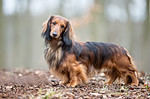
Dachshund
Dachshund Canis lupus familiaris Shares the 'badger hound' heritage and low-slung morphology but differs in primary job focus: the Dachshund is used for burrow work and vermin control, whereas the Alpine Dachsbracke emphasizes cold trailing of wounded hoofed game and driving.
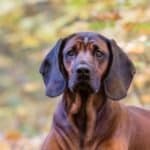
Bavarian Mountain Scent Hound
Bavarian Mountain Scent Hound Canis lupus familiaris Similar niche as a specialist leashed tracker (Schweißhund) for wounded deer in mountainous/forested terrain; the Alpine Dachsbracke is typically shorter-legged and more oriented toward drive and pack hunting.
Hanover Hound Canis lupus familiaris Another classic blood-trailing dog for wounded big game. Comparable scenting intensity and persistence to the Alpine Dachsbracke, but generally heavier and less compact.
Beagle
Beagle Canis lupus familiaris Comparable scenthound behavior: strong nose, vocal trailing, and pack tendencies. The Alpine Dachsbracke is typically more rugged and stocky for steep alpine terrain and is commonly used for deer tracking and drive work.
Basset Hound
Basset Hound Canis lupus familiaris Similar low stature and scent-hound specialization. The Alpine Dachsbracke is generally more athletic and field-practical for mountainous tracking, whereas the Basset Hound is slower and heavier and better suited to trailing.
Red fox
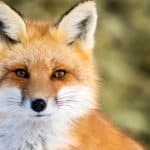
Red fox Vulpes vulpes Overlaps in habitat use and movement through mixed woodland and mountain-edge environments; included as an ecological comparator for scent-based ground travel and use of cover, though it is not domesticated and differs in diet and ecological role.
Domestic dog
Domestic dog Canis lupus familiaris Alpine Dachsbracke variety: a compact, short-legged scenthound built for endurance on steep, rocky ground and for cold tracking of wounded deer. Strong scent drive; persistent and steady. Requires regular exercise, weight and ear care, and back protection.

Take one look at the Alpine Dachsbracke and you may think you’re seeing a dachshund. This breed was developed by crossing Dachshunds with larger Austrian hounds, particularly the Austrian Black and Tan Hound.

It originated in Austria in the mid-nineteenth century. This breed was a favorite with the Austrian royal families. They were bred to track down wounded deer and boar, as well as track foxes and rabbits during a hunting trip. This breed belongs to the hound group.

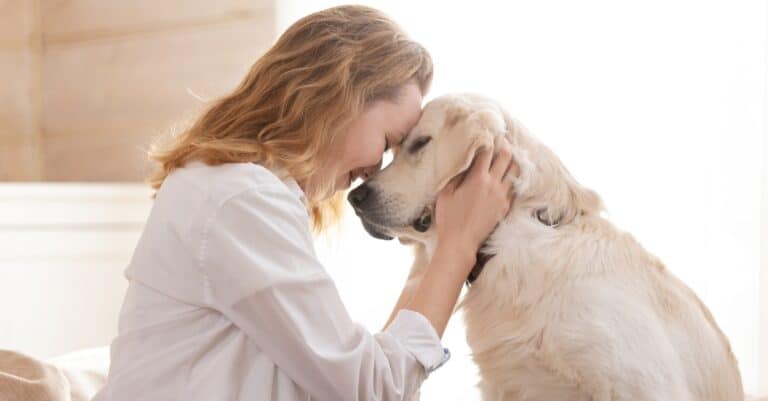
Loyal and affectionate, a properly socialized Alpine Dachsbracke is an excellent family dog. Though it’s short in stature, this dog has a lot of energy and determination, especially when it comes to following a scent.

3 Pros and Cons of Owning an Alpine Dachsbracke
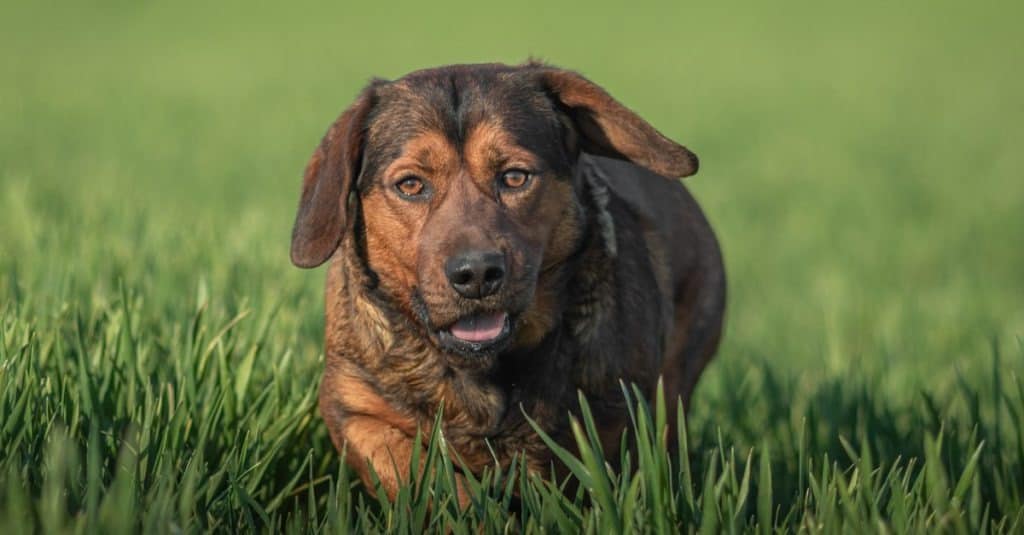
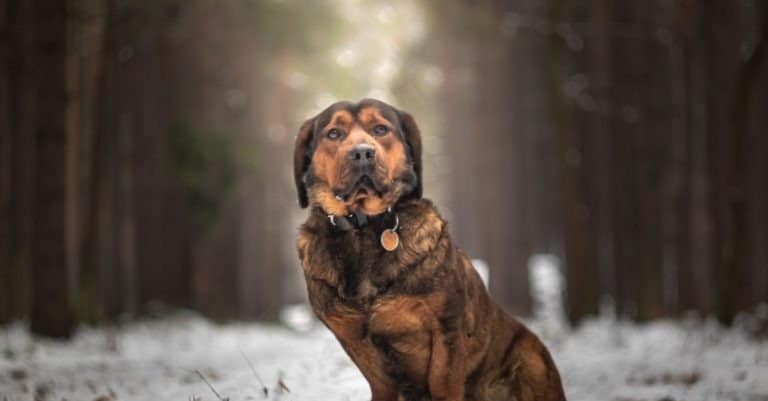
Alpine Dachsbracke in grass

This breed is known for its intelligence, making it easy to train.

ProsCons
Easy to train
This breed is known for its intelligence, making it easy to train.
Scent centered
This dog is a hound that can easily be distracted by an interesting scent.
A high degree of loyalty
These dogs have a loyal nature, which is part of why they are good family dogs.
Some back issues
Jumping from high surfaces puts this dog at risk for back injuries.
Good with kids
Alpine Dachsbrackes that are properly socialized from puppyhood are affectionate and good with children.
Regular exercise needed
This is a high-energy dog that requires a daily exercise of 30 minutes or more.

Size and Weight

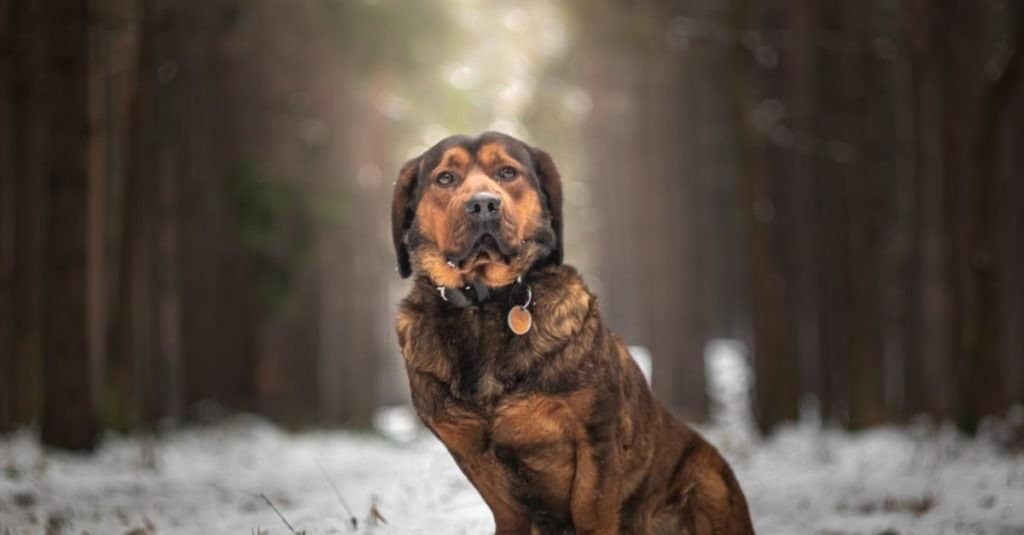
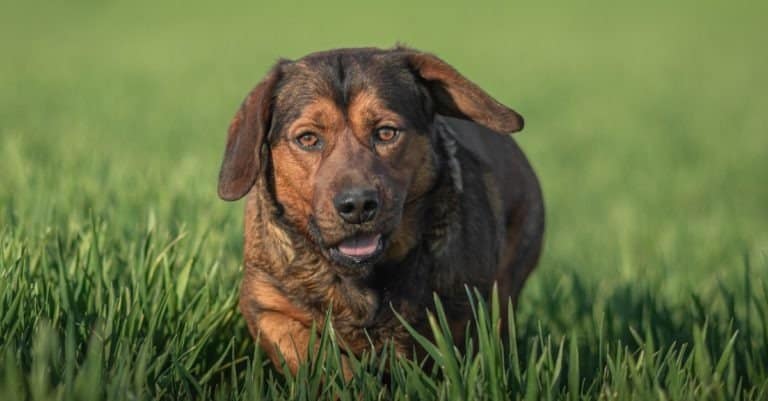
Alpine Dachsbracke portrait

An Alpine Dachsbracke is a medium-sized dog.

An Alpine Dachsbracke is a medium-sized dog that can grow to be 16 inches tall at its withers. Males and females weigh up to 40 pounds fully grown. Alpine Dachsbracke puppies weigh 9 pounds at 8 weeks old and are fully grown at 2 years old.

Evolution and Origins
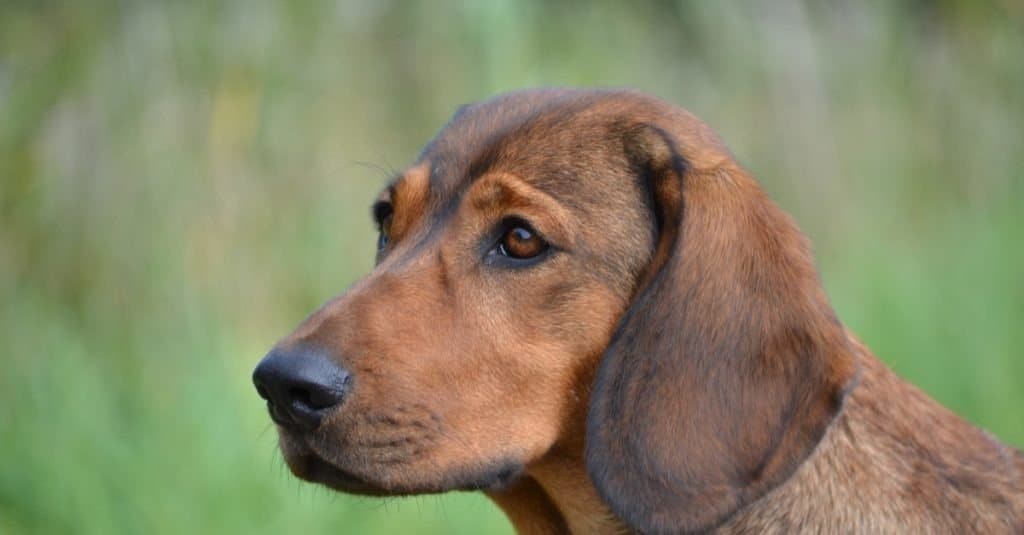
Alpine Dachsbracke close-up

The Alpine Dachsbracke is a small, sturdy hunting dog that was developed in the Alpine regions of Austria and Germany.

The Alpine Dachsbracke is a small, sturdy hunting dog that was developed in the Alpine regions of Austria.

The breed is believed to have originated from crosses between the Dachshund and various other European hunting breeds, such as the Basset Hound, the Hanoverian Scenthound, and the Leithund.

The Alpine Dachsbracke was used primarily for hunting small game, such as hares and foxes, and was known for its ability to track scents over rough terrain.

The breed was officially recognized by the Austrian Kennel Club in 1910 and by the German Kennel Club in 1911. The breed is considered a versatile hunting dog and a good companion.

Common Health Issues
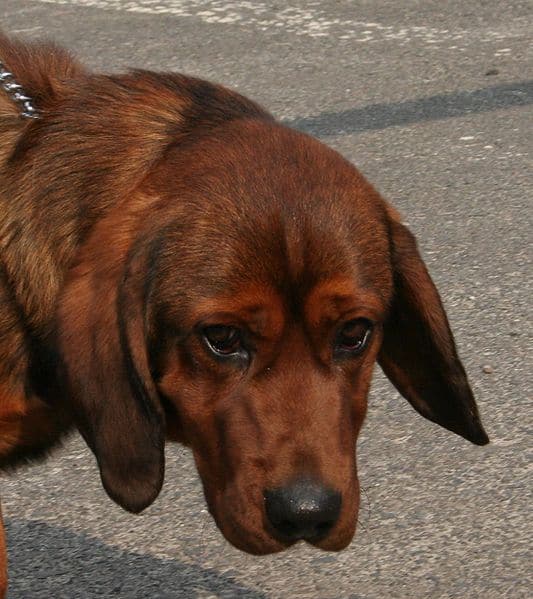
Alpine Dachsbracke during a dog show in Katowice, Poland.

As with other breeds, the Alpine Dachsbracke can suffer from certain health issues. One of those issues is hip dysplasia. Hip dysplasia is the dislocation of the hip joint. Limping and limited movement are both signs of this condition. A balanced diet and weight management can help prevent this condition.

Another health issue of this breed is obesity. This dog has a long body with very short legs. So, any extra weight is going to put excess pressure on the bones in its short legs as well as on its sensitive back. Monitoring the amount of dog food given to this breed is important for preventing obesity.

A third health issue of this breed is intervertebral disc disease. This occurs when the padding between vertebral bones starts to wear away. This is especially dangerous for dogs with long backs. Preventing obesity can certainly help prevent this condition.

Temperament

One of the most well-known traits of an Alpine Dachsbracke dog is its determination. This dog picks up a scent and won’t let it go until the end of the trail. In addition, this breed has a loyal personality, which makes it ideal as a family dog. As a note, an Alpine Dachsbracke needs to be socialized. A dog that isn’t socialized can become agitated at the unexpected behavior of very young children.

Their loyal temperament also makes them great watchdogs.

The behavior of this breed is influenced by its drive to track down a scent. Once again, socialization can help to prevent this dog from wandering while curiously following the scent of another animal.

How to Take Care of Alpine Dachsbrackes

Learning as much as possible about an Alpine Dachsbracke helps an owner to give it the proper care. Giving this pet a nutritional diet that prevents common health issues can extend its lifespan. Whether someone chooses a puppy or an adult dog, factoring in the specific diet, exercise, and grooming needs of this breed can only raise the quality of care.

The Best Dog Food for Alpine Dachsbrackes
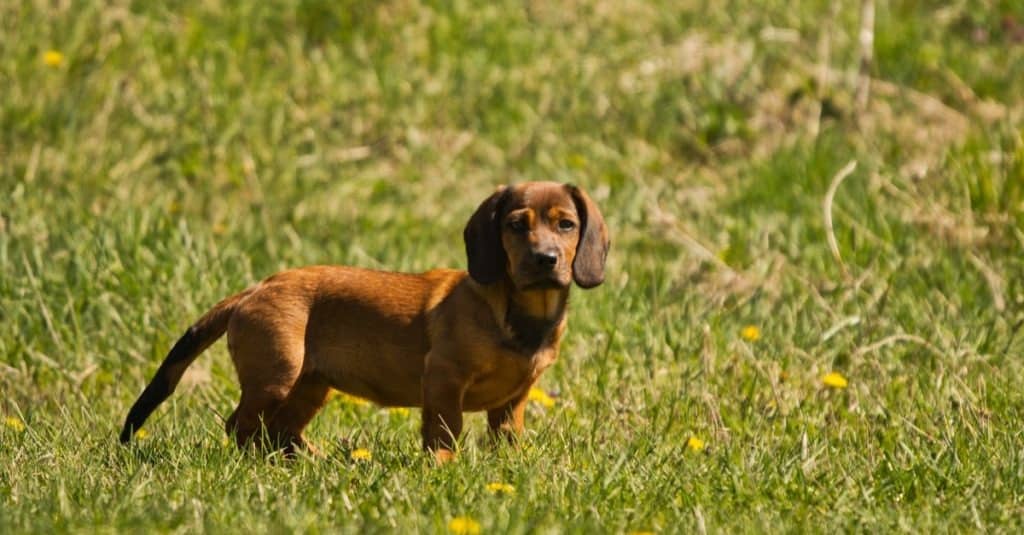
The Alpine Dachsbracke is a small breed of dog of the scent hound type originating in Austria.

Alpine Dachsbracke puppies and adult dogs need different amounts and types of nutrients in their diet.

Not surprisingly, Alpine Dachsbracke puppies and adult dogs need different amounts and types of nutrients in their diet. Feeding this dog the proper diet supports its overall health and fights against common issues such as hip dysplasia and obesity. Check out a few things to factor into this dog’s diet.

Alpine Dachsbracke puppy food: Calcium is an important nutrient in this puppy’s diet. This puppy needs to develop strong bones to support its long body. In addition, having strong bones can help prevent the development of hip dysplasia. A good balance of protein and fat is another essential in this puppy’s diet. Protein builds muscle, and fat is quickly burned by this high-energy canine. Omega-6 fatty acids contribute to a healthy coat. Giving a puppy a healthy diet and monitoring its weight can prevent obesity.

Alpine Dachsbracke adult dog food: Protein in an adult Alpine Dachsbracke’s diet contributes to healthy muscles. Omega-3s support an adult dog’s immune system. A limited amount of fat provides energy to this active breed. Calcium keeps a growing dog’s bones healthy. Also, fiber helps with the digestive process in adult dogs. Once again, monitoring the amount of food given to an adult Alpine Dachsbracke can certainly prevent obesity. Dog food with real turkey meat and vegetables such as spinach or broccoli is a healthy choice.

Maintenance and Grooming

How much does an Alpine Dachsbracke shed? This breed of dog has a coat with two layers, so it sheds an average amount of hair.

It requires weekly grooming to get rid of loose or dead hair. A brush with soft, boar’s hair bristles helps to remove loose hair. Also, a soft slicker brush is effective at loosening and removing hair located deep in the dog’s coat. Be sure to get a slicker brush with plastic covers on the bristles. These coverings protect the dog’s skin.

The best way to brush this dog is by beginning at its head and moving in the natural direction of its coat toward its tail.

Cleaning the underside of an Alpine Dachsbracke’s ears should be a part of its grooming routine. Use a cleaning solution designed for the underside of a dog’s ears as well as a soft cloth.

One of the advantages of establishing a weekly brushing routine is that an owner can readily spot any skin irritations or bald spots in a dog’s coat. These can be symptoms of an allergy.

Training

These dogs are fairly easy to train due to their intelligence and alert nature. As a note, this dog picks up on a scent very easily. So, it may become distracted when training near a field. It’s best to keep the training sessions short with lots of treats and words of praise.

Exercise

These dogs have a lot of energy and need 30 to 60 minutes of exercise per day to stay healthy. They love to run in the woods and in fields chasing different scents. So, it’s best to give them exercise off the leash in a safe place.

This breed is not a good choice for people who live in apartments. These dogs need lots of space to move around. An Alpine Dachsbracke is a good choice for a family with a large fenced-in yard or one that lives on a farm with plenty of fields to roam.

Puppies

Since this breed is prone to obesity, it’s important to feed Alpine Dachsbracke puppies a nutritional diet without fillers. These fillers add needless weight.
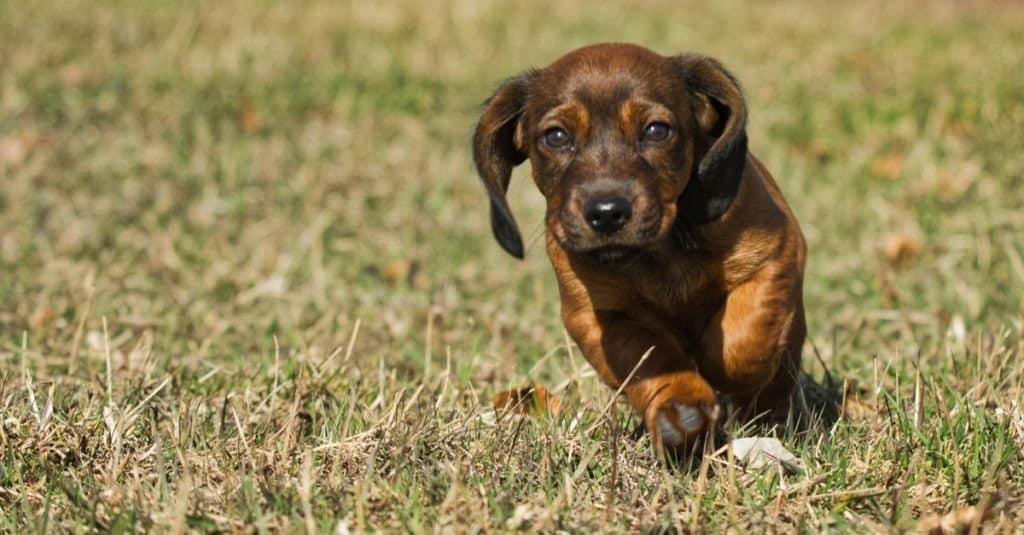
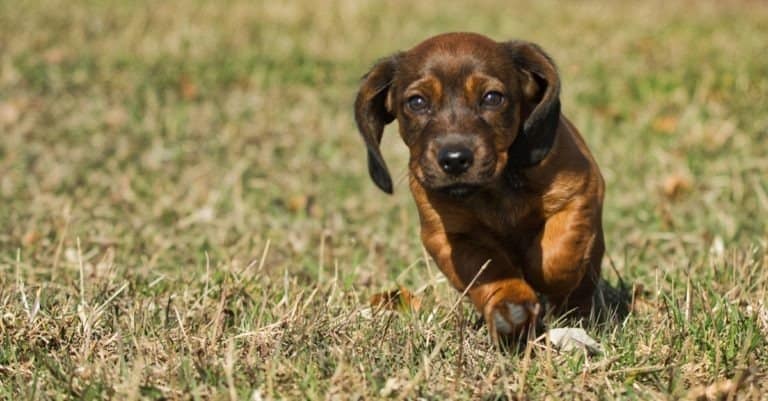
Alpine Dachsbracke puppy

Alpine Dachsbracke puppies need to be socialized early.

Alpine Dachsbracke and Children

These dogs are known to be good with children as long as it has been properly socialized. Sometimes, the unexpected moves and cries of very young children can be stressful for this dog.

Dogs Similar to Alpine Dachsbracke

Dog breeds similar to these dogs include dachshunds, American foxhounds, and Basenjis.

  • Dachshund: Dachshunds and Alpine Dachsbrackes have short legs and long bodies. They are loyal, intelligent, and have the same endearing floppy ears.
  • American foxhound: Both the Alpine Dachsbracke and the American foxhound are intelligent hounds with very sensitive noses. Plus, these dogs have a lifespan of up to 12 years old.
  • Basenji: Basenjis and Alpine Dachsbrackes are about the same height, though the Basenji weighs less. Both these breeds are loyal and make good watchdogs.

Famous Alpine Dachsbrackes

This breed was a favorite with royals throughout history.

In the 1880s, Crown Prince Rudolf of Habsburg, Austria, took a few Alpine Dachsbrackes with him on hunting trips to Egypt. In fact, these dogs show up in paintings that record these hunting trips made by the Prince.

View all 326 animals that start with A

Sources

  1. The Furry Critter Network / Accessed January 25, 2021
  2. Wikipedia / Accessed January 25, 2021
Rebecca Bales

About the Author

Rebecca Bales

Rebecca is an experienced Professional Freelancer with nearly a decade of expertise in writing SEO Content, Digital Illustrations, and Graphic Design. When not engrossed in her creative endeavors, Rebecca dedicates her time to cycling and filming her nature adventures. When not focused on her passion for creating and crafting optimized materials, she harbors a deep fascination and love for cats, jumping spiders, and pet rats.
Connect:

Thank you for reading! Have some feedback for us?


Alpine Dachsbracke FAQs (Frequently Asked Questions)

Alpine Dachsbrackes are good companions and hard-working!