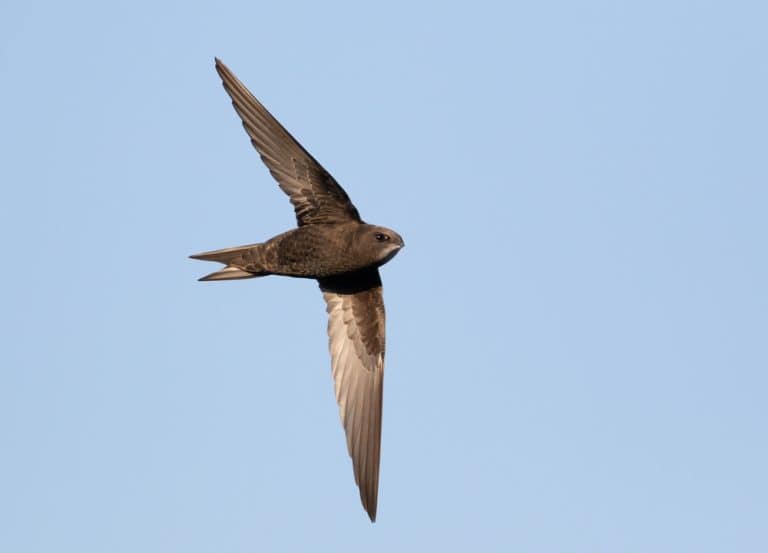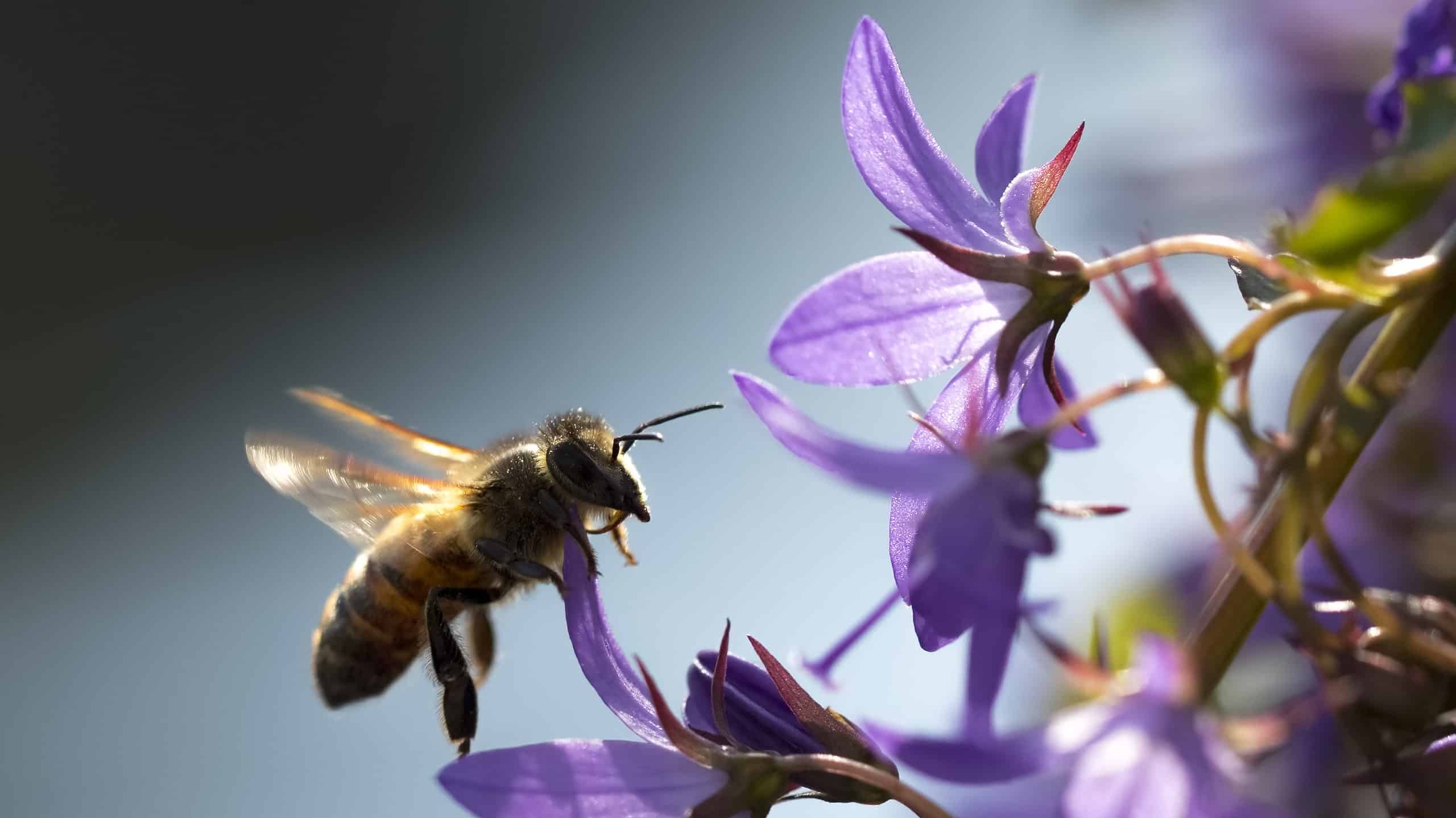

Insects are invertebrates from the Arthropoda phylum.
Summary of Insects
The word insect is derived from the Latin word “insectum,” which means divided or cut into body.
These creatures have roamed the earth for millions of years and belong to the largest phylum in the animal kingdom, Arthropoda. There are estimated to be around 900,000 species of insects on Earth, and each has its unique appearance, size, life cycle, and functions.
They inhabit every continent around the world, including Antarctica. They can inhabit terrestrial and aquatic environments, and each species has adapted to a specific climate and living condition. They are the only invertebrates capable of flight. All are invertebrates and lack bones and many other characteristic body structures of a vertebrate.
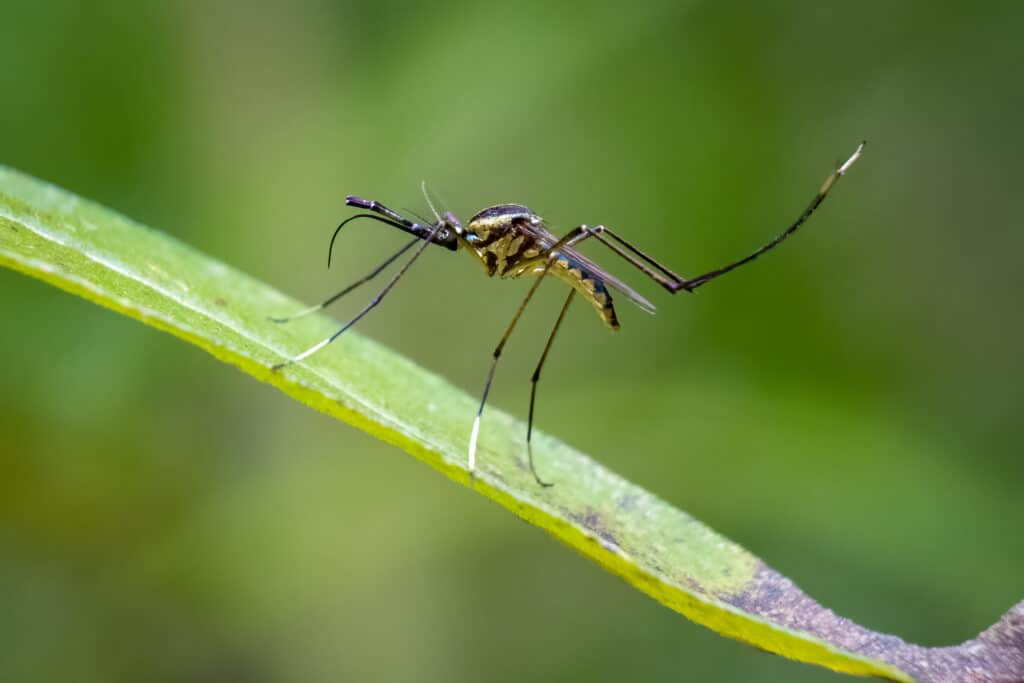
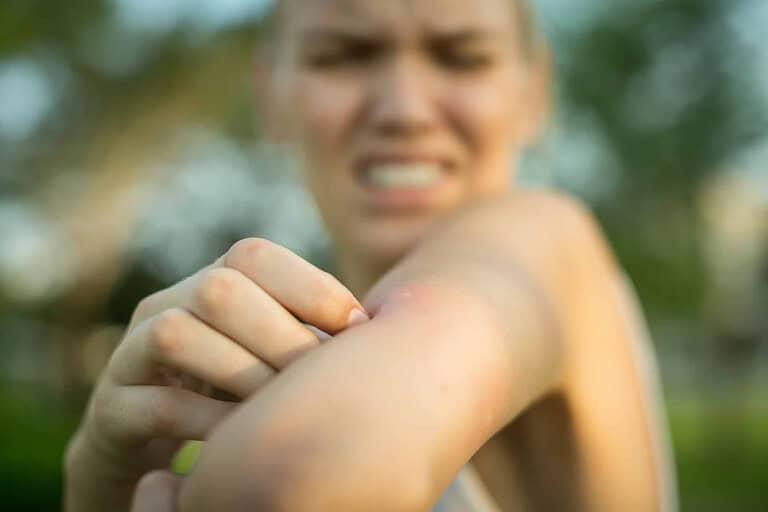
Mosquitoes are insects in the Diptera order.
©samray/Shutterstock.com
Classification and Taxonomy
Taxonomic Information
- Kingdom: Animalia
- Phylum: Arthropoda
- Subphylum: Hexapoda
- Class: Insecta
Insects are from the Animalia kingdom in the large Arthropoda phylum classed as Insecta. The subphylum Hexapoda is used to describe insects with six legs. The Insecta class is divided into smaller groups known as orders.
These orders include:
- Blattodea (cockroaches, termites)
- Collembola (springtails)
- Coleoptera (beetles, weevils)
- Dermaptera (earwigs)
- Diptera (flies, mosquitos)
- Ephemeroptera (mayflies)
- Embioptera (webspinners)
- Grylloblattodea (ice bugs)
- Hymenoptera (wasps, bees)
- Homoptera (aphids, cicadas)
- Isoptera (termites)
- Lepidoptera (butterflies, moths)
- Mantodea (mantises)
- Megaloptera (dobsonflies, alderfies)
- Microcoryphia (bristletails)
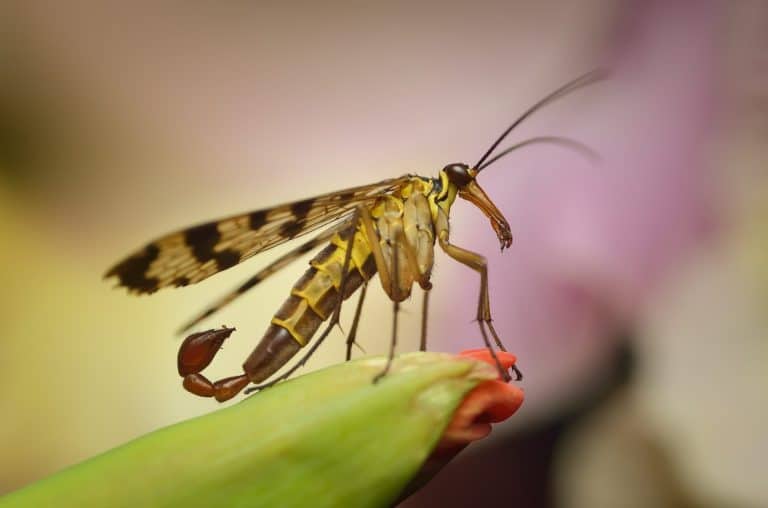
- Mecoptera (scorpionflies, hanging flies)
- Neuroptera (lacewings)
- Odonata (dragonflies, damselflies)
- Orthoptera (crickets, locusts)
- Phthiraptera (lice)
- Protura (coneheads)
- Piecoptera (stoneflies)
- Psocoptera (barklice)
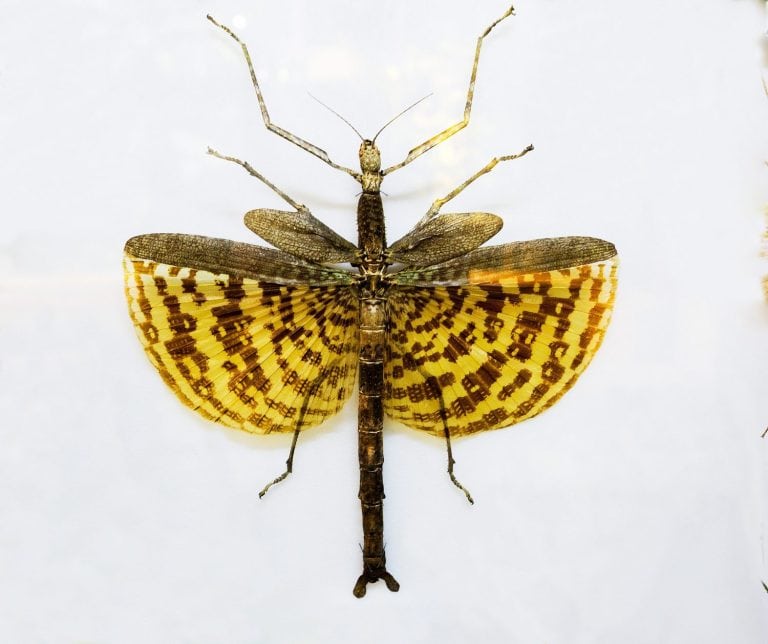
- Phasmatodea (stick bugs)
- Raphidoptera (snakeflies)
- Strepsiptera (parasites)
- Siphonaptera (fleas)
- Trichoptera (caddis fly)
- Thysanoptera (thrips)
- Zoraptera (angel insects)
The orders of Insecta can then be divided into a suborder. Each order of Insecta has different species of insects that are classified in that specific order. Their larvae are classed into the same order as mature insects, such as caterpillars, immature moths, or butterflies.
Identifying Insects
An insect’s body is divided into three body segments: 1) the head with the mouth, 2) the thorax, and 3) the abdomen. Each segment has a function.
The color, size, and ability to fly depend on the species.
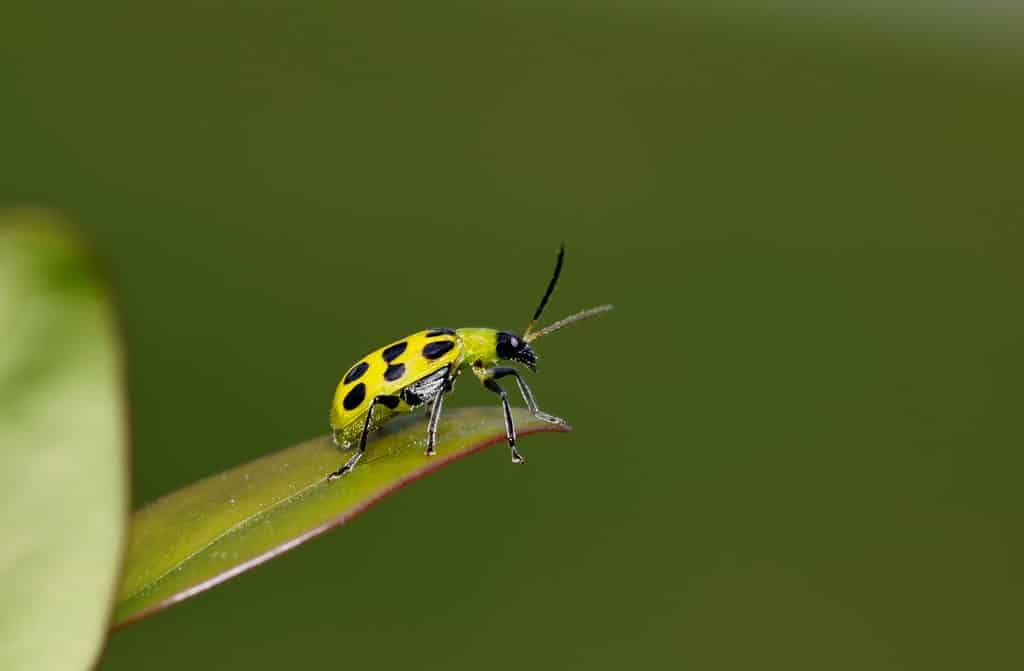
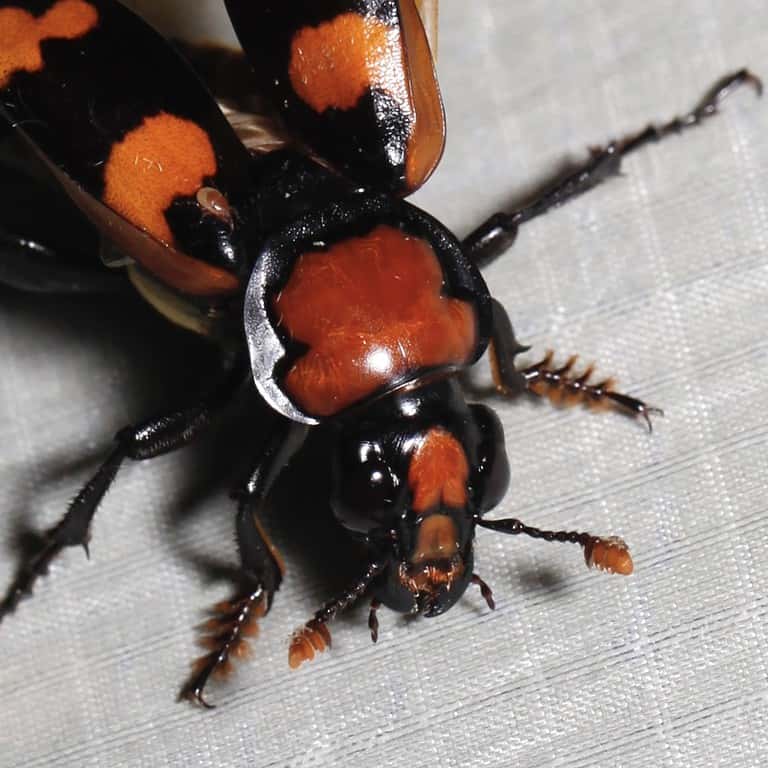
The typical mouth parts for a beetle include the labrum, mandibles, maxillae, labium, and hypopharynx.
©iStock.com/Brett_Hondow
1. The Head
The head has the insect’s mouth parts, eyes, and antennae. The mouth parts enable them to chew solid foods, and there can be adaptations. Such adaptations include a mouth part used for sucking, seen on mosquitos that feed off blood, and aphids that feed on a plant’s fluid.
The typical mouth parts for an insect that chews its food, such as a beetle, include:
- Labrum
- Mandibles
- Maxillae
- Labium
- Hypopharynx
For sucking insects, such as mosquitoes, the typical mouth parts include:
- Proboscis
- Stylet
For sponging insects, such as houseflies, the typical mouth parts include:
- Labellum
The antennas are usually located on the head segment and are responsible for sensing. The eyes can vary, and many insects have five compound eyes on their head. Ocelli, a group of simple eyes can also be found on some heads.
2. The Thorax
The thorax is the second part of an insect’s body, located between the head and the abdomen. The thorax holds the legs and wings, with most insects having six legs. A set of wings may be present in certain insects, and this part is known as the pteryothoracic segments.
The first section of a thorax is the prothorax, which connects the muscles from the head to the thorax and offers protection.
The second part is the mesothorax which contains a pair of legs and usually a pair of wings if they can fly. The last section is the metathorax which holds more legs and the last pair of wings.
3. The Abdomen
The abdomen is an important segment of the insect. An insect’s abdomen contains its reproductive, digestive organs, heart, and other necessary organs they need to stay alive. Most have a tubular heart that consists of heart chambers. The malpighian tubules are also located inside the abdomen. These tubules are responsible for removing waste from the insects’ organs.
In the case of bees, wasps, and other stinging insects, the stinger or barbed spear protrudes from the tip of the abdomen.
List of Common Insects
- Grasshopper
- Butterfly
- Bee
- Ant
- Snakefly
- Praying mantids
- Ladybug
- Cricket
- Beetle
- Tick
- Fly
- Flea
- Termite
- Cockroach
- Grub
- Moth
- Wasp
- Aphid
- Centipede
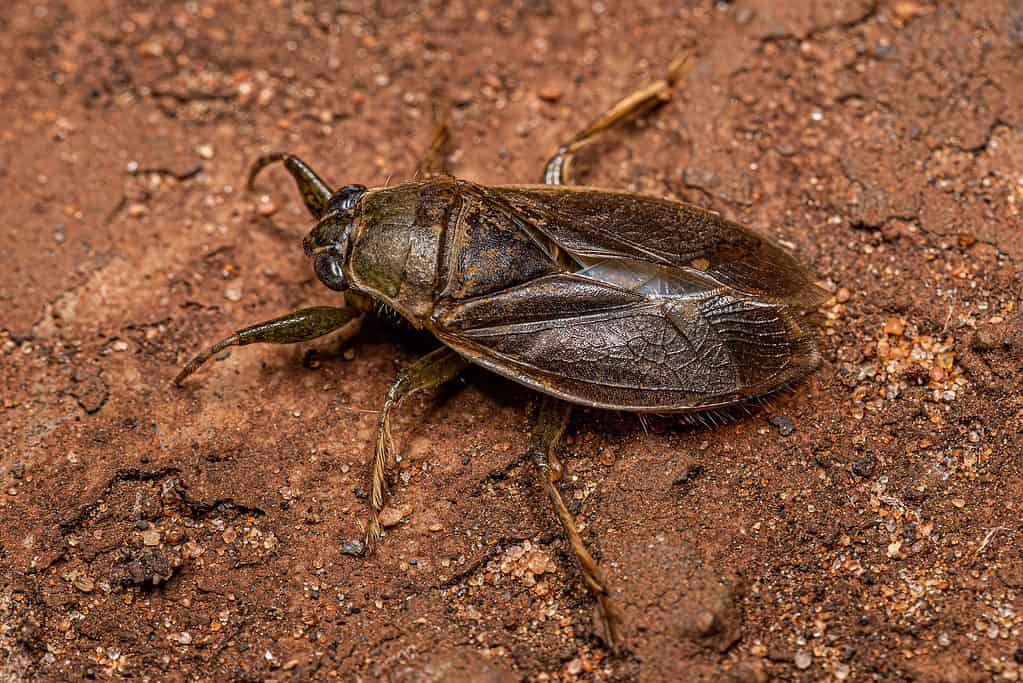
Giant water bugs are an example of an insect that can live in aquatic conditions.
©iStock.com/ViniSouza128
Role and Function
Insects have been on earth for over 400 million years and are believed to have evolved on land. They are believed to have evolved from crustaceans and have changed over the years.
They are incredibly beneficial to the Earth and are a primary food source for many other animals. Each has a biological role: pollinating flowers, producing products (such as honey or silk), being enemies to pests, being food sources, improving soil, and scavenging waste.
You can find insects occupying many areas of the earth, including land, water, and ice. Insects such as the Antarctic midge can survive in extremely cold conditions. The diving beetle, giant water bugs, and the water strider are examples that can live in aquatic conditions or complete a lifecycle in an aquatic environment. These insects and their larvae are food sources for amphibians and many fish species.
Even though insects lack bones and blood, they have a fluid similar to blood or lymph in other animals. Instead of blood, they have hemolymph, a fluid plasma that flows through the circulatory cavity (hemocoel).
They go through various life stages before becoming an adult. These life stages range from 2-4 different cycles. Metamorphosis is the biological process that allows many insects to grow and change form. Insects do not grow as humans do; instead, they undergo changes during each life stage until they mature. Some hatch as larvae, like mosquitoes, whereas others become caterpillars and later pupae before turning into a butterfly or moth.