

















Quick Take
- This dog's friendly, easygoing reputation hides a demanding side that catches many owners completely off guard. See the demanding side →
- Neither parent breed is actually Australian, and the history behind the name is stranger than you would expect. Explore the breed's origins →
- Training this highly intelligent dog the wrong way can backfire fast, and there is a specific approach that makes all the difference. Find the right approach →
- One overlooked health risk is the leading cause of death in this breed, and most new owners never see it coming. Discover the leading risk →
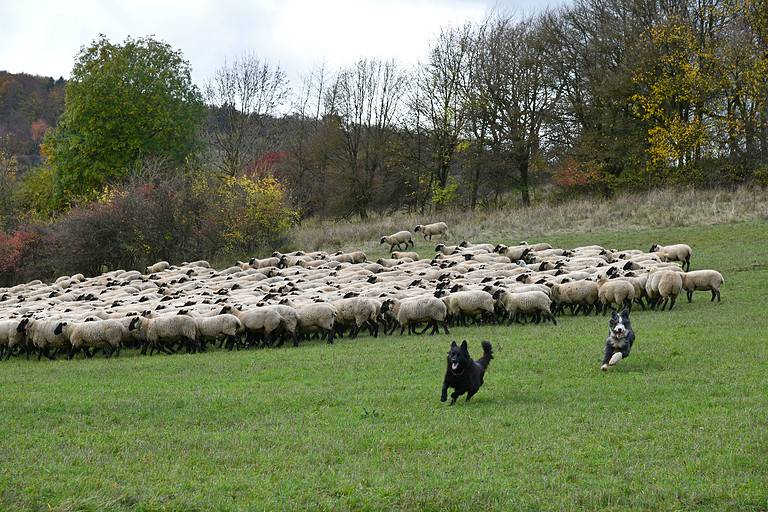
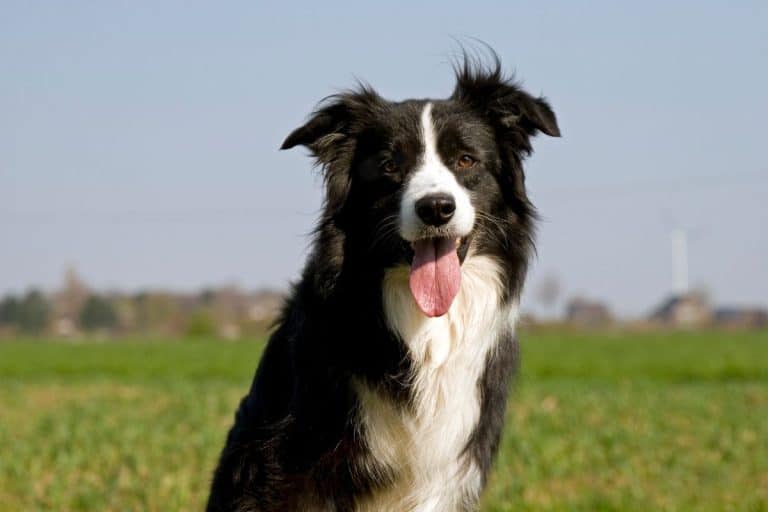
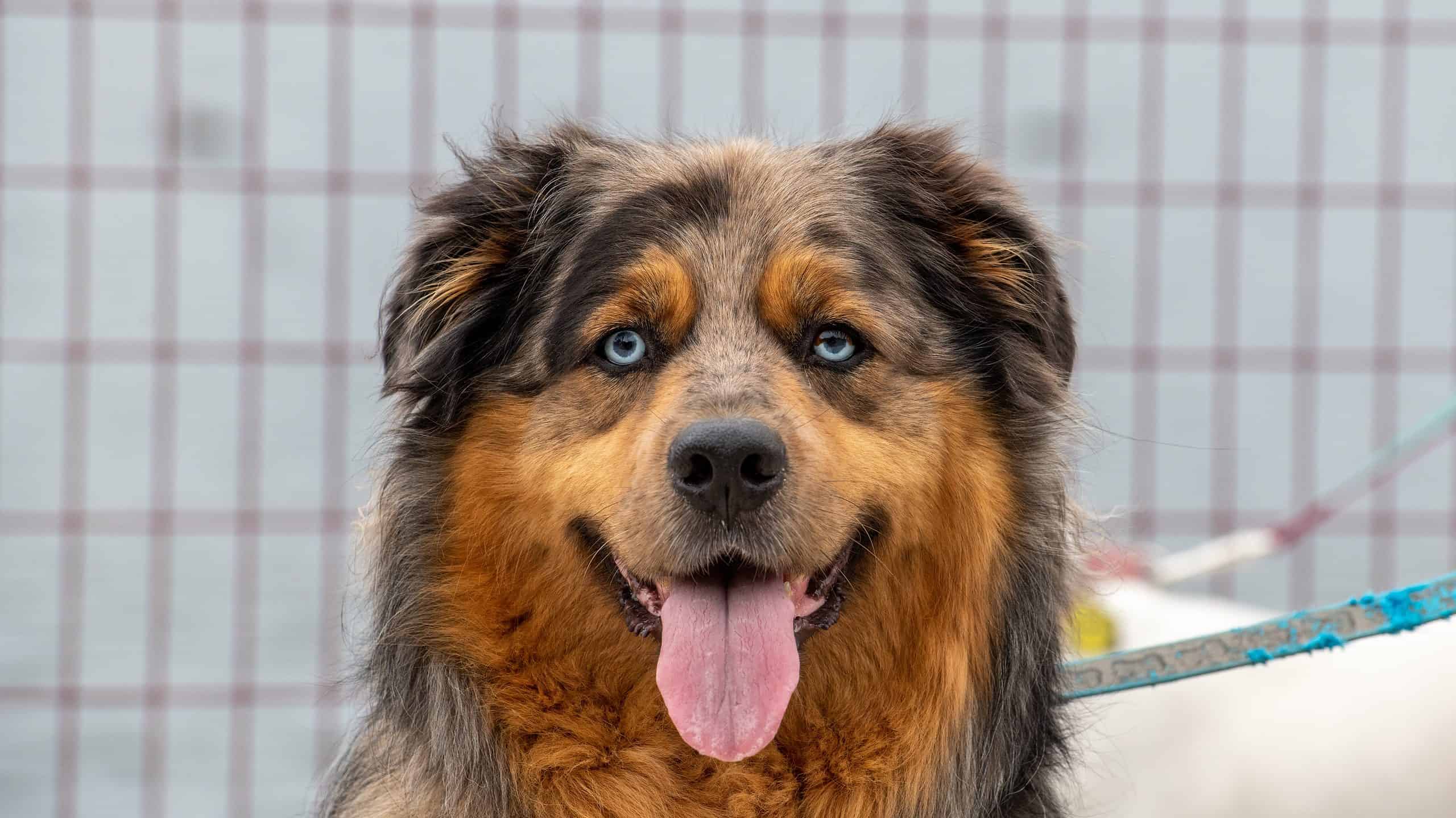
The Australian Retriever is a cross between two beloved and famous breeds of dogs: the Australian Shepherd and the Golden Retriever. Temperamentally, these breeds are quite similar to each other, even though they were bred for two different purposes. The Australian Shepherd is an athletic ranching and herding dog that (despite the name) was perfected and refined in the United States. The Golden Retriever is a strong worker and hunting/retrieving dog that originated from the Highlands of Scotland.
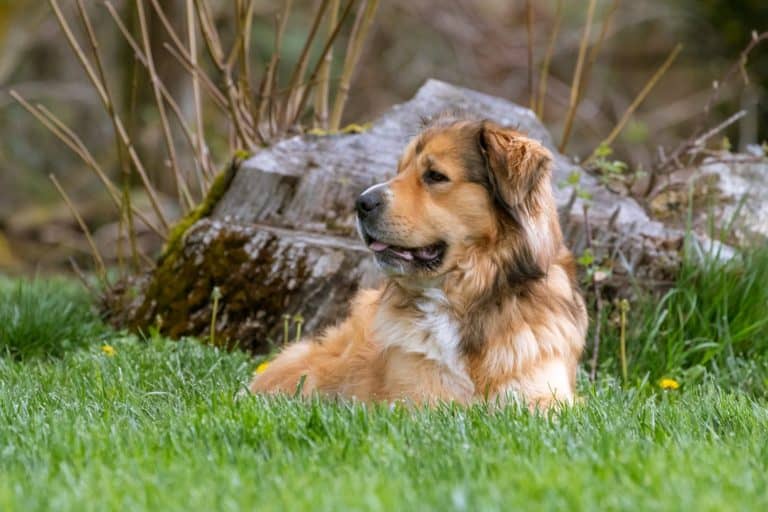
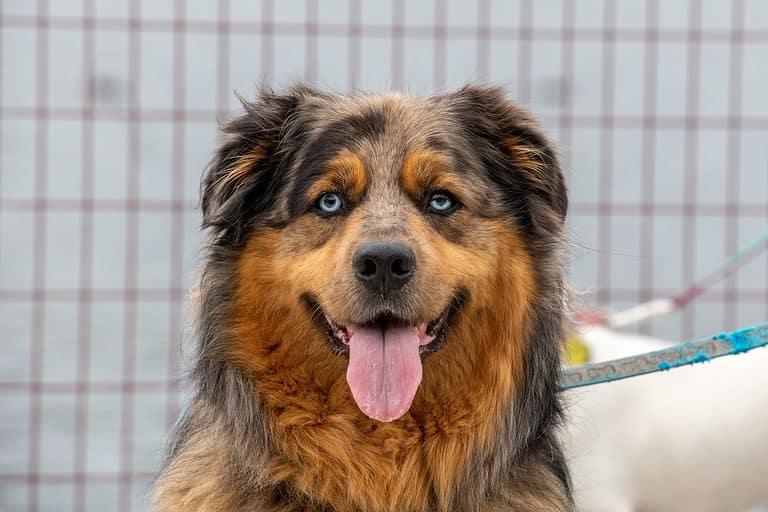
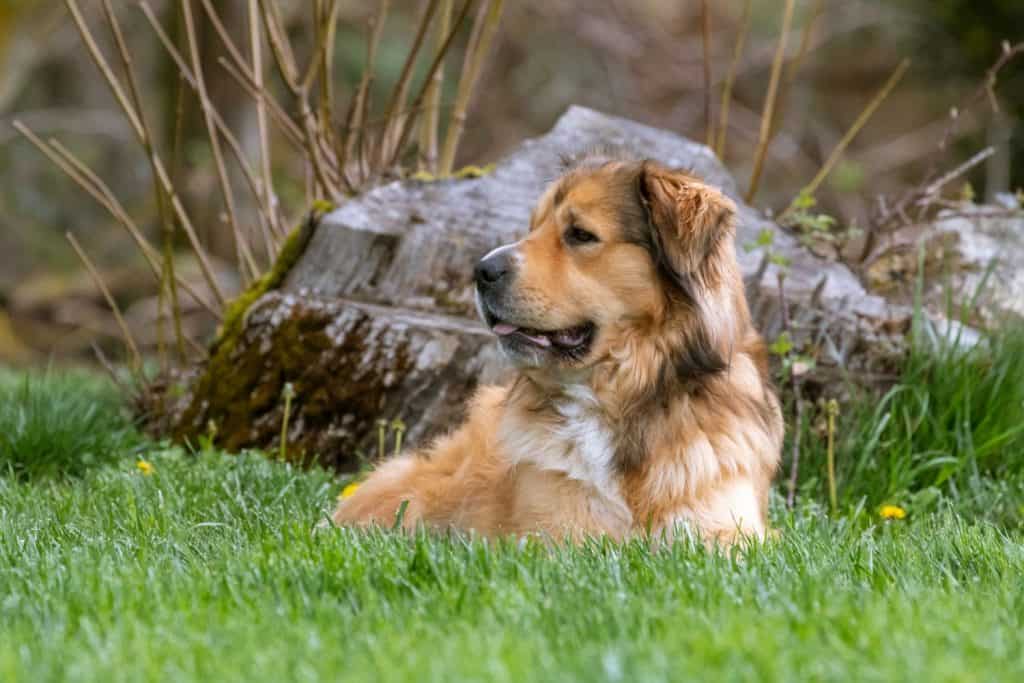
As a cross between two different breeds, the Australian Retriever comes in many different colors and appearances, but it is generally characterized by its large size, athletic frame, broad head, and small expressive eyes. The coarse coat of fur comes in various color combinations, including black, brown, brindle, merle, blonde, and gold. It can be either wavy or straight as well.

3 Pros And Cons Of Owning An Australian Retriever
| Pros! | Cons! |
|---|---|
| Energetic and High-Intensity The Australian Retriever should be well-suited for owners who want a very active and engaged dog. | Hyperactive The Australian Retriever seems to have a constant motor and may have trouble settling down. |
| Friendly and Outgoing This mix is an excellent companion and friend. | Possessive This crossbreed is very protective of even small objects like toys. |
| Intelligent and Trainable Many owners believe that the Australian Retriever is a real joy to train. It can learn lots of commands and tricks. | High Separation Anxiety This dog should not be left alone for very long without companionship from people or activities to do. |

Golden retriever and Australian shepherd are the parent breeds of the Australian Retriever.
©arfwag/Shutterstock.com
History Of The Breed
The Australian Retriever is a designer dog breed, mixed with the Australian Shepherd and the Golden Retriever, and is believed to have started sometime around 2007. Their parent breeds have a longer, more dated history. The Australian Shepherd, despite its name, originated in the United States in the 1840s for use as a working dog herding livestock. The Golden Retriever dates back to the late 1800s in Scotland, developed by Sir Dudley Marjoribanks (Baron Tweedmouth), and was bred to be a gun dog and water retriever to assist in bringing back fowl for hunters.
Size And Weight
The Australian Retriever has a medium to large athletic frame. The male tends to be slightly larger than the female.
| Height (Male) | 19 to 23 inches |
| Height (Female) | 19 to 23 inches |
| Weight (Male) | 30 to 60 pounds |
| Weight (Female) | 25 to 52 pounds |
Common Health Issues
The Australian Retriever is considered to be a very healthy hybrid dog, but it may inherit several conditions from its two parent breeds, including eye disorders, joint problems, bloating, epilepsy, skin conditions, and hip dysplasia (a developmental condition in which the hip joint can become partially or fully dislocated).
Cancer is also the leading cause of death in this type of dog. To minimize the chances that it develops any problems, you should always attempt to buy your dog from a high-quality breeder who screens for these issues; low-quality breeders or puppy mills may just lead to more health problems later down the line. It’s also a good idea to schedule regular appointments at the vet to catch problems as early as possible.
Temperament
The Australian Retriever has a friendly and upbeat personality; it will be an endless source of energy, fun, and companionship for the entire family. But don’t let its appealing qualities blind you from the challenge that comes with it. Possessive, needy, and high-intensity, this dog is a real handful to care for, which means it is not for everyone. The dog will do best with a highly engaged and creative owner who takes a very active interest in its life. If the Australian Retriever doesn’t receive enough attention and care, then it may begin to feel stressed out and anxious. This could lead to unnecessary, destructive behavior and chewing.
How To Take Care Of The Australian Retriever
The Australian Retriever requires plenty of time and attention from its owner. Do not buy this dog unless you can take care of all its needs. If you have any questions or concerns about your dog’s care, then you should talk with your vet.
The Best Dog Food For Australian Retrievers
The Australian Retriever will need about 3 cups of nutrient-rich dog food per day to support its highly active lifestyle. This should come in the form of dry dog pellets to keep the dog’s teeth clean and healthy. Of course, the exact amount of food will depend on your dog’s age and activity level. Some dogs may need to consume at least 30 calories of food per pound that they weigh, more than most dogs. If your pet suffers from bloating (a serious condition that can cause the stomach to expand rapidly), then you might want to divide up the food into multiple meals per day.
Maintenance And Grooming
The Australian Retriever has long hair that will shed a moderate amount. It should benefit from twice-weekly grooming and the occasional trimming to prevent the fur from matting. During these grooming sessions, it’s a good idea to clean out the ears, clip the nails, and brush the teeth with a dog-specific toothpaste. Bathing with a suitable shampoo is only necessary when the dog becomes particularly dirty.
Training
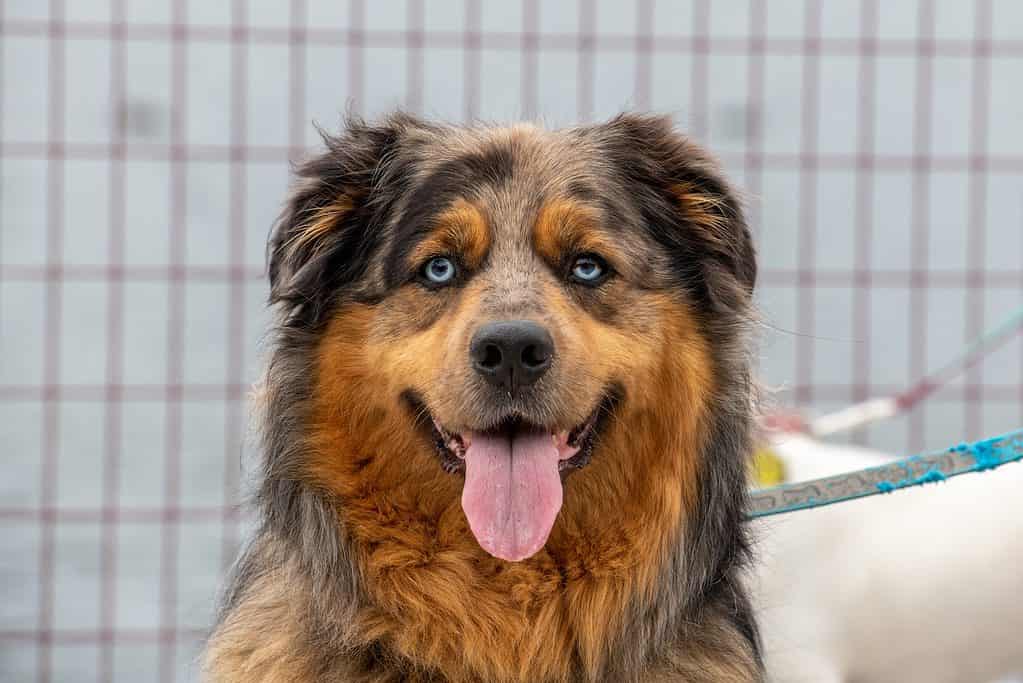
The Australian retriever is a cross between an Australian shepherd and a golden retriever.
©Dolores M. Harvey/Shutterstock.com
The Australian Retriever descends from two highly intelligent and trainable breeds. It’s capable of learning a huge range of different commands and tasks. These dogs should do best with positive reinforcement methods and reward-based training combined with a clicker or verbal commands. Since this dog has the tendency to lose focus after long periods of repetitious behavior, it’s a good idea to limit sessions to no more than 20 minutes at a time and try to change things up frequently.
Because of its strong herding and retrieving instinct, the Australian Retriever may have the tendency to run around, explore its surroundings, and attempt to herd people and animals. Training will help to overcome these instincts, but the owner can only do so much.
Exercise
This high-energy mix will probably need at least an hour of exercise per day. Owners and dogs can bond over long walks/runs, sports, games, fetches, and even swimming sessions. It also does very well with agility and herding competitions.
Puppies
Australian Retriever puppies will need to begin socialization and training within the first few months of their lives to adequately prepare them for adulthood. Classes and doggie daycare are excellent options for owners who lack the time and ability to take care of the puppies at all times by themselves. These dogs are generally good and quite easy to housetrain, but if you’re still struggling to break them of bad habits, then you might want to consider investing in a crate. Dogs seem to have a natural aversion to sullying their living quarters. In fact, a crate is a good option, in general, to give your dog a restful place and soothe its anxiety. However, owners should not treat the crate as a punishment or prison.
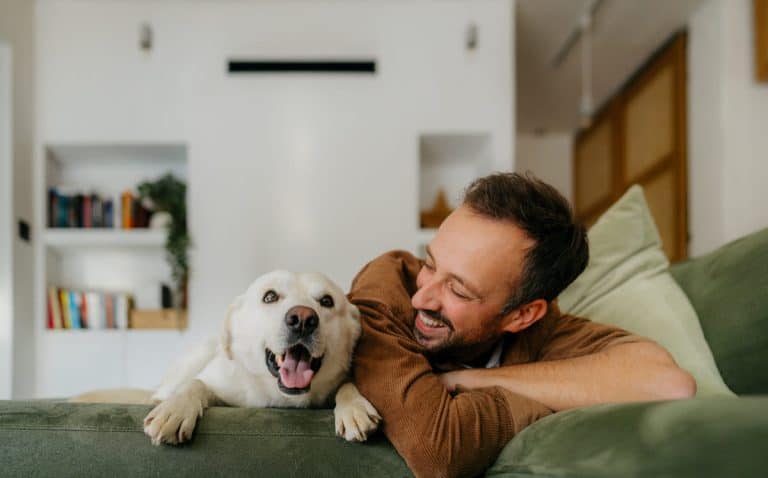
Australian Retrievers are excellent with children.
©Catherine Avilez/Shutterstock.com
Australian Retrievers And Children
The Australian Retriever should be an excellent and loyal companion for children of almost all ages. Every member of the family can take part in the dog’s care. But its hyperactive and excitable behavior might not be suitable for the youngest kids, since it may have a tendency to knock them over or crawl over them.
Dogs Similar To The Australian Retriever
The Australian Retriever combines different elements of herding and retrieving dogs. Besides its two parent breeds, these are the most similar breeds you can find:
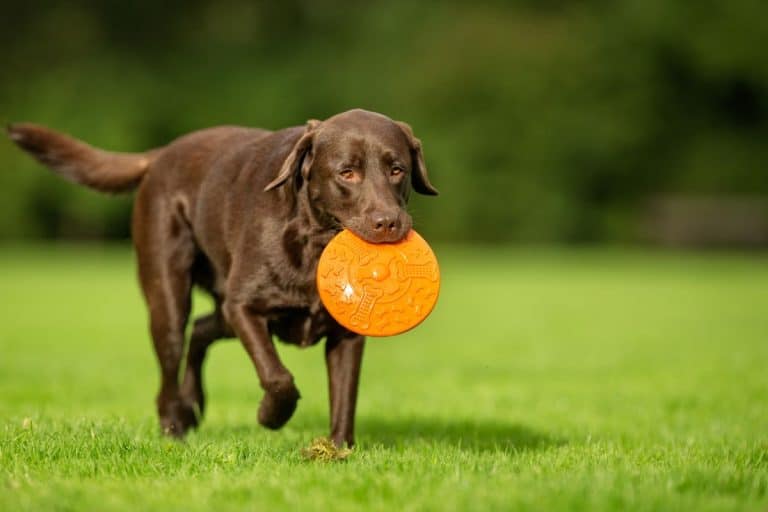
- Labrador Retriever: There’s a reason that the Labrador Retriever consistently ranks as one of the most popular dogs in the United States. Originally bred in Newfoundland as a duck retriever and fisherman’s companion, this dog’s sweet, good-natured, outgoing, and loyal personality infectiously endears it to people of all ages. It’s also an excellent athlete and exercise companion.
- Flat-Coated Retriever: Sporting a lustrous black or liver coat with featherings around the legs and tail, this self-confident, upbeat, and good-natured gundog is another friendly and loving companion with a high-intensity motor. People of all ages will love this dog.
- Collie: If a herding dog like the Australian Shepherd seems like your idea of an ideal companion, then the Collie may also appeal to you. This athletic and graceful dog comes in two different varieties: a rough or a smooth coat. They are noted for their loyalty and intelligence.
Australian Retriever Pictures
View all of our Australian Retriever pictures in the gallery.

Catherine Avilez/Shutterstock.com
Sources
- Wag Walking / Accessed May 19, 2021
- Doggie Designer / Accessed May 19, 2021