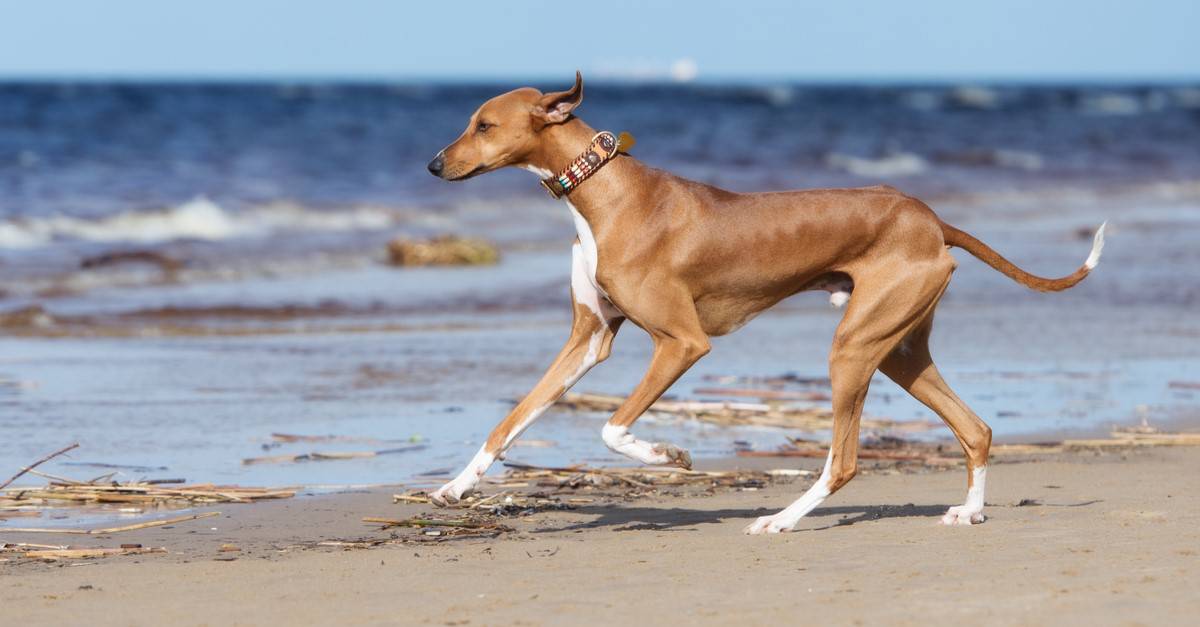
A
Species Profile

Azawakh

Canis lupus familiaris

Sahel speed, camp guardian heart
otsphoto/Shutterstock.com

Azawakh Distribution

Click a location to explore more animals from that region

Origin Location

This map shows the native origin of the Azawakh. As a domesticated species, they are now found worldwide.

Loading map...

Size Comparison

Human 5'8"
Azawakh 2 ft 2 in

Azawakh stands at 39% of average human height.

Most Expensive Dog Breeds: Azawakh

At a Glance

Domesticated
Also Known As Azawak, Tuareg hound, Tuareg sighthound, Sahelian sighthound, African sighthound
Diet Omnivore
Activity Crepuscular+
Lifespan 5 years
Weight 25 lbs
Status Not Evaluated
Did You Know?

Named for the Azawagh Valley/region in the Sahel-its homeland spans Niger-Mali-Burkina Faso.

Scientific Classification

The Azawakh is a domestic dog breed of sighthound developed by Sahelian peoples (notably Tuareg and related groups) for hunting and guarding in arid West African environments. It is known for extreme leanness, long legs, speed, and endurance.

Kingdom
Animalia
Phylum
Chordata
Class
Mammalia
Order
Carnivora
Family
Canidae
Genus
Canis
Species
Canis lupus familiaris

Distinguishing Features

  • Very tall, long-legged, and notably lean sighthound build adapted to heat
  • Short, fine coat; commonly fawn/sandy, red, brindle, parti-color with white markings (varies by standard)
  • Deep chest with pronounced abdominal tuck; visible musculature/bone structure compared to many breeds
  • Sighthound behavior: visually oriented pursuit, high speed, typically reserved with strangers and loyal to household

Physical Measurements

Males and females differ in size

Height
2 ft 3 in (2 ft 1 in – 2 ft 5 in)
2 ft 2 in (1 ft 12 in – 2 ft 4 in)
Length
3 ft 11 in (3 ft 5 in – 4 ft 5 in)
Weight
50 lbs (44 lbs – 55 lbs)
39 lbs (33 lbs – 44 lbs)
Tail Length
1 ft 6 in (1 ft 4 in – 1 ft 8 in)
Top Speed
37 mph
bred for fast running

Appearance

Primary Colors
Secondary Colors
Skin Type Very thin, tight skin with a short, fine, close-lying coat and minimal undercoat; adapted to hot, arid Sahel conditions but less insulated for cold climates.
Distinctive Features
  • Domestic dog (Canis lupus familiaris) breed specialized by Sahelian peoples (notably Tuareg and related groups) for both hunting and guarding; culturally valued as a companion, camp guardian, and coursing hound in West African environments.
  • Extreme sighthound morphology: very long legs, narrow frame, pronounced tuck-up, deep chest with a notably visible rib outline in fit adults; built for speed and endurance rather than bulk.
  • Heat and aridity adaptation: short coat, tight skin, efficient cooling; typically thrives in warm climates and may need protection (coats/blankets) in cold or damp weather.
  • Head and outline: long, narrow head with a refined muzzle; overall silhouette is more angular and 'dry' than many other sighthounds.
  • Movement: light, elastic, ground-covering stride suited to sustained running over open terrain; strong acceleration for coursing game.
  • Temperament: often reserved with strangers, highly bonded to family; can be aloof but very loyal; benefits from early, ongoing socialization to prevent excessive shyness or suspicion.
  • Guarding tendency is often stronger than in many sighthounds; alert, watchful, and may be territorial in the home setting.
  • Azawakh is more angular and extremely lean than the Sloughi, has less feathering than the Saluki, comes from Sahel/West Africa (not the Middle East), with a straight-lined outline and very tucked-up belly.
  • Care requirements: high daily exercise needs (structured runs, lure coursing, or safe off-leash sprinting in a secure area) plus mental engagement; strong prey drive means reliable recall is not guaranteed around moving animals.
  • Management needs: secure fencing (sighthound chase response), careful leash handling, and gradual conditioning to avoid soft-tissue injury; minimal grooming but regular nail/skin checks due to thin coat/skin.
  • Azawakh are sensitive to some anesthetics and drug doses because they are lean. Deep-chested dogs risk gastric dilatation-volvulus (bloat). Autoimmune/thyroid problems, seizures, and some heart issues occur; screening and vets who know sighthounds help.

Sexual Dimorphism

Males are typically taller and more robust through the shoulder and forechest, while females tend to be finer-boned and slightly more lightly muscled; both remain characteristically lean with a pronounced tuck-up.

  • Often visibly broader through the chest/shoulders while still narrow overall for a sighthound
  • Slightly heavier muscle definition along thighs and shoulder
  • Usually taller with a more imposing guard-dog presence
  • Typically finer head and bone with a more delicate overall outline
  • Often slightly lighter muscling while maintaining the same extreme 'dry' build
  • May appear more refined and narrow through the chest and waist

Did You Know?

Named for the Azawagh Valley/region in the Sahel-its homeland spans Niger-Mali-Burkina Faso.

Unlike many sighthounds bred mainly for sport, the Azawakh was shaped for both hunting and guarding camps and livestock.

Its extreme "tuck-up" (highly drawn abdomen) and long legs are classic sighthound traits tuned for speed and efficient cooling.

Often forms a deep bond with its family and can be notably reserved with strangers-more "one-clan" than "everybody's friend."

Common coat colors include sand, fawn, brindle, red, and parti-color, often with white markings on legs/feet and chest.

Historically traveled with nomadic Sahelian peoples, working in hot, dry conditions where endurance mattered as much as sprint speed.

Compared with Saluki (Middle East) and Sloughi (North Africa), the Azawakh is typically more angular/lean and is strongly associated with West Africa's Sahel.

Unique Adaptations

  • Heat and aridity tolerance: developed in the Sahel, with a short coat and lean build that helps shed heat and conserve water compared with heavier-bodied dogs.
  • Sighthound biomechanics: long limbs, flexible spine, deep chest for lung/heart capacity, and aerodynamic outline support sustained fast running.
  • Efficient thermoregulation: low body fat and large surface-area-to-mass ratio aid cooling in hot, dry climates (with the tradeoff of needing warmth in cold weather).
  • Endurance hunting suitability: bred for repeated pursuit in open terrain rather than only brief bursts; pairs speed with stamina.
  • Alert camp guardian role: selective reactivity and strong territorial awareness suit protecting encampments and livestock from intruders.

Interesting Behaviors

  • Sight-chasing: strongly triggered by fast-moving animals; may fixate and launch into a sprint with little warning.
  • Sentinel-style guarding: tends to "post up" in high-visibility spots, watching quietly and reacting quickly to unusual approach.
  • Selective sociability: can be aloof with strangers but affectionate and playful with trusted people; bonds intensely to household members.
  • High-speed play bursts ("zoomies") followed by calm lounging-typical sighthound energy pattern when needs are met.
  • Pack awareness: many Azawakhs do well with familiar dog companions but may be intolerant of rude canine greetings, especially on-leash.
  • Heat seeking: chooses sunny, warm resting areas; may appear "lazy" indoors but is conserving energy like many desert-adapted canids.
  • Soft sensitivity: responds best to calm, consistent handling; harsh corrections can increase wariness and reduce trust.

Cultural Significance

The Azawakh (Canis lupus familiaris) is tied to Sahelian nomadic people, especially the Tuareg. It hunted in open dry lands, guarded camps and herds, and was a working partner and symbol of West African sighthound heritage, unlike the Sloughi or Saluki.

Myths & Legends

Sahel stories call the Azawakh (Canis lupus familiaris) a gift of the desert, shaped by sun, wind, and long journeys; its speed and being alert helped families living far from towns.

Among nomadic camps, traditional anecdotes describe these dogs as night sentinels that "hear the quiet," alerting sleepers to approaching strangers or predators before humans notice-stories that reinforce their reputation for watchful guardianship.

Local stories link the Azawakh (Canis lupus familiaris) to the Azawagh/Azawak region, saying the dog's identity is tied to its dunes, thorn scrub, and long caravan routes, making the name a cultural origin marker.

Travelers and later dog writers made the Azawakh almost legendary in Europe as the rare 'Sahel greyhound,' known for being very thin and for desert endurance, adding mystery beyond its home region.

Conservation Status

NE Not Evaluated

Has not yet been evaluated against the criteria.

Population Stable

Life Cycle

Birth 5 pups
Lifespan 5 years

Lifespan

In the Wild
3–7 years
In Captivity
10–15 years

Reproduction

Mating System Polygynandry
Social Structure Managed Domestic
Breeding Pattern Transient
Fertilization Managed Selective
Birth Type Internal_fertilization

Azawakh (Canis lupus familiaris) are polygynandrous—many males and females can mate—but breeding is usually managed: people plan pairings around the female's estrus (1–2 times a year). No cooperative helpers; mother and humans mainly care for pups.

Behavior & Ecology

Social Pack Group: 3
Activity Crepuscular, Diurnal, Cathemeral
Diet Omnivore Lean red meat (e.g., goat or lamb)

Temperament

Selective bonding with strong loyalty to primary caretakers; can be aloof with strangers (breed-typical distinction from many domestic dogs)
High prey drive and chase instinct (sighthound trait): requires secure fencing/leash discipline; recall can be unreliable off-leash in open areas
Vigilant, territorial/guarding tendencies for home and family; alert demeanor often expressed through posture and watchfulness
Sensitive and responsive to handling; does best with calm, consistent training rather than harsh corrections
Athletic but 'sprinter + endurance' build: needs daily running opportunities and mental engagement, balanced with joint/soft-tissue injury prevention
Cold sensitivity due to extreme leanness/low body fat: may seek warmth, need coats in cool climates, and prefer soft bedding
Deep-chested Azawakh have bloat/GDV risk—manage feeding and avoid hard exercise after meals. They can be sensitive to some anesthetics/sedatives and may get thyroid disease or seizures; watch for tiredness, weight or coat change.

Communication

alert bark Often short, situational, tied to guarding
growl Boundary-setting/resource or stranger warning
whine/whimper Social solicitation, frustration, or separation-related signaling
howl Less common; can occur with excitement or environmental triggers
grumble/soft vocalizations with familiar family members
intense visual signaling: fixed stare/'sighthound lock-on' toward moving stimuli Prey drive
body posture for guarding: tall stance, forward weight shift, blocking/placing body between family and stranger
ear and tail carriage changes High/forward when alert; neutral/low when uncertain
contact-seeking with trusted people (leaning, following, resting nearby) contrasted with avoidance arcs around strangers
scent marking Urination/ground sniffing) and investigative pacing along boundaries (patrol behavior
play signals: restrained chase games and brief bursts rather than rough, prolonged wrestling; variation by individual and early socialization

Habitat

Biomes:
Savanna Desert Hot Tropical Dry Forest Temperate Grassland Temperate Forest Boreal Forest (Taiga) Tundra Alpine Wetland Freshwater +4
Terrain:
Plains Plateau Sandy
Elevation: Up to 17060 ft 5 in

Ecological Role

Human-associated sighthound and guardian; historically a hunting partner in Sahelian ecosystems and today primarily a companion/working sport dog.

Assisted subsistence hunting by pursuing small game in open/arid habitats Camp and livestock guarding (deterrence and early warning) Local control of nuisance wildlife/rodents where allowed and managed Cultural and economic value through pastoralist traditions and modern companionship/sport

Diet Details

Main Prey:
Hare Small antelope/gazelle Ground-dwelling birds Rodents Hares and rabbits
Other Foods:
cooked grains Legumes Vegetables Fruits Plant fiber

Human Interaction

Domestication Status

Domesticated

The Azawakh (Canis lupus familiaris) is a West African Sahelian sighthound developed by Tuareg people for hunting hares and gazelle-like game and for camp and livestock guarding. Very lean with long legs and heat endurance, it is aloof with strangers, bonded to family, independent, high in prey drive, and used for sport, shows, and companionship.

Danger Level

Moderate
  • Protective/territorial responses: may be wary with strangers and can escalate to snapping/biting if poorly socialized or if boundaries are ignored.
  • High prey drive: strong chase behavior can cause accidental injury to people during sudden lunges; greatest risk is to small pets rather than humans.
  • Handling sensitivity: some individuals dislike rough restraint; forceful methods increase bite risk-low-stress handling is recommended.
  • Health/care notes relevant to human interaction: thin coat/low body fat can increase cold sensitivity (needs coats in cold climates) and may affect anesthesia management; athletic build increases risk of sprains/cuts during high-speed runs; typical deep-chested-dog risks (e.g., gastric dilatation-volvulus) warrant owner education.

As a Pet

Suitable as Pet

Legality: Azawakh are usually legal as pets in most places and not often banned. Must follow local dog laws: license, rabies shot, leash rules, and sometimes sighthound event rules. Good socialization, safe containment, and bite prevention are important.

Care Level: Experienced

Purchase Cost: $800 - $4,000
Lifetime Cost: $20,000 - $55,000

Economic Value

Uses:
Companionship Working (hunting/coursing) Property/camp guarding (alert/territorial deterrence) Sport/performance (lure coursing, racing, endurance activities) Conformation/show and ethical breeding
Products:
  • puppy sales/adoption fees and breed-club registrations
  • stud services and breeding program income (where practiced ethically)
  • training/behavior services (socialization, recall alternatives, leash skills)
  • sport entry fees and related services (lure coursing clubs, conditioning)
  • pet supplies tailored to sighthounds (martingale collars, coats for cold sensitivity, secure fencing solutions)
  • veterinary services (routine care plus breed-relevant screening)

Relationships

Predators 5

Spotted hyena Crocuta crocuta
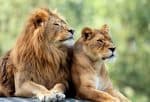
Lion
Lion Panthera leo
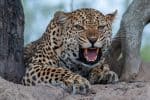
Leopard
Leopard Panthera pardus
African golden wolf Canis lupaster
Nile crocodile
Nile crocodile Crocodylus niloticus

The Azawakh is a slender, elegant, large breed dog developed by the nomadic tribes of several western Saharan countries, but is still uncommon in Europe and North America. They are sighthounds, bred as guard dogs and hunting dogs, and able to run up to 40 mph in pursuit of gazelles and hares. In temperament, they have been compared to cats because of their independent nature and shyness around strangers. They are best suited to experienced dog owners without children who can provide consistent training and opportunities for frequent vigorous exercise.

3 Pros and Cons of Owning Azawakhs

ProsCons
Do not need grooming. Azawakhs have short-haired coats of red, black, blue, brindle, brown, golden, gray, or white. They shed moderately, but their coats do not require anything beyond a weekly brushing. They do not smell and do not need frequent bathing.Require a lot of exercise. These are highly energetic dogs that need frequent vigorous exercise. They are not suitable for apartments or families with a sedentary lifestyle. They also will not run around to exercise themselves without another dog or human in their presence.
A rare, exotic breed. Azawakhs are still relatively unknown in Europe and North America. Their elegance and grace and their origin in the Sahara are likely to inspire a great deal of attention and conversation.Need careful training. Azawakhs are independent-minded dogs that can be difficult to train. Patient, intentional training is essential; otherwise, they may not get along well with children and other pets.
Intelligent and dignified. The manner of an Azawakh is self-assured, alert, and dignified. They are highly intelligent. They can be reserved with strangers. These characteristics have led some to describe them as “cat-like.”Variable temperaments. The temperament of this breed is not consistent across individuals. The aggression level of these dogs can vary considerably depending on their genetics and training.

The Best Dog Food For Azawakhs

Azawakhs should have a balanced diet of high-quality dog food fortified with essential vitamins, minerals, and trace elements. It’s important to monitor their weight under a veterinarian’s supervision to make sure they do not get overweight. Remember, these dogs have thin skin that shows their frames and musculature. At a healthy weight, you should be able to see their ribs.

Azawakhs are an energetic breed, so make sure the food you choose has a high meat content to satisfy their protein needs. They can eat a high-quality wet or dry dog food as well as fresh meat in moderation. Meat broth can also be added to dry food to make it tastier.

Size and Weight

The Azawakh is a tall, slender dog with a height ranging from 25 to 29 inches tall at the shoulder for males and 23.5 to 27.5 inches tall for females. Males weigh anywhere from 44 to 55 pounds at maturity, while females are smaller, at 33 to 44 pounds.

Common Health Issues

This is a generally healthy breed, but they should be screened for possible issues with hypothyroidism, seizures, cardiac problems, and autoimmune diseases. Owners should be aware that at a healthy weight, an adult Azawakh will appear very slender, with its bone and muscle structure visible through thin skin. Owners unfamiliar with the breed may overfeed them.

Temperament and Behavior

Some of the positive personality traits associated with Azawakhs are independence, loyalty, and deep affection. There can be a wide variation in their personality depending upon their genetics, training, and socialization. With proper training, they can be good with children and other pets, but they can be difficult to train because of their independent-mindedness.

They also require a great deal of exercise with personal interaction with their owner or other humans or pets. This is a behavior that will appeal to active pet owners but be a difficult trait for those who do not have the time or energy to devote daily attention to their pet.

How To Take Care of Azawakhs
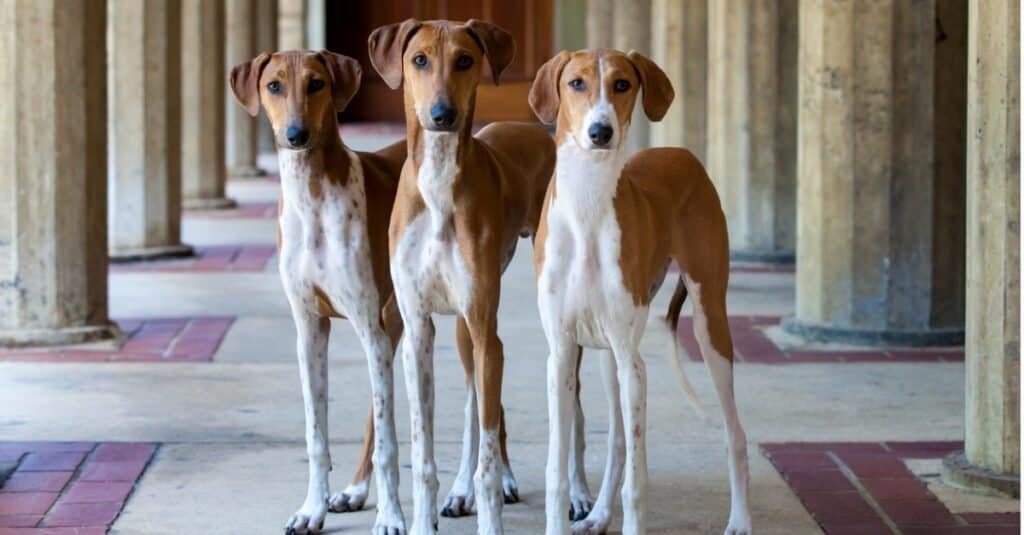
Rare breeds of dogs - Azawakh

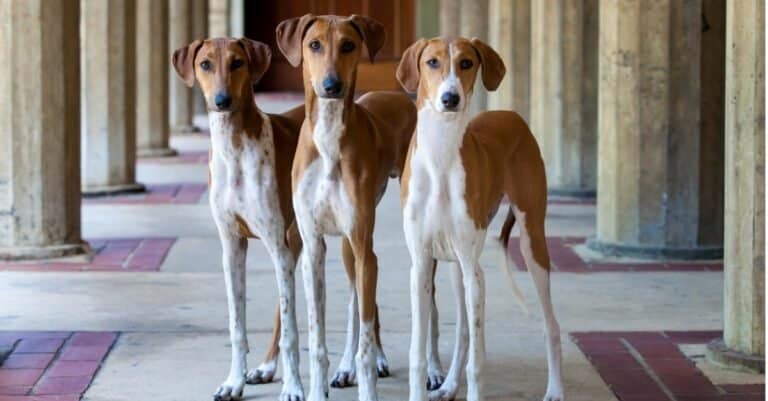
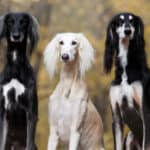
Three young Azawakh (African Sighthounds) standing together amongst the stone columns of a historic building. This rare breed of dogs emerged from Africa 8,000 years ago.

Maintenance and Grooming

Azawakhs have a short coat that does not shed very much and requires minimal grooming. It’s enough to brush them once a week with a soft-bristle brush or grooming mitt. They do not smell and do not require frequent baths. Even when they get muddy, it is often sufficient to allow the mud to dry and then brush it out of their coats. As with all breeds, they should receive regular nail-trimming and tooth-brushing to remain healthy.

Training

This breed requires patient training from early in its life, ideally from an experienced trainer who uses positive, reward-based techniques. As an intelligent and independent-minded breed, they do not respond well to harsh or punitive training methods. They can be more challenging to train than similar breeds, but with a knowledgeable and caring owner, their energy and intelligence can be directed in constructive ways.

Exercise

Azawakhs need daily vigorous exercise, running or playing in a fenced yard or park. They hunt in packs in their natural environment. This means if left outside without humans or other dogs, they will not self-exercise. They will enjoy any kind of tasks that require agility, hunting, and problem-solving.

Azawakhs and Children

Azawakhs may not be the best option for families with children. Their temperaments differ from one dog to the next, from gentle, affectionate lapdogs to fiercely overprotective guard dogs. Raising them with children from puppyhood, with careful training and socialization, can help them be better pets for families. Puppies showing dominant traits should not be in families with children or other pets.

Dogs similar to Azawakhs

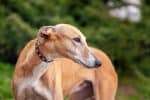
  • Greyhound: Greyhounds are quite similar in appearance to the Azawakh. Although they are known as the fastest dog breed, surprisingly, they do not require more than a 20-30 minute walk a day.
  • Whippet: This breed was developed in Victorian England for rabbit hunting. It is a fast-running sighthound like the Azawakh. This breed is more established and predictable as a family pet.
  • Saluki: The Saluki is a sighthound like the Azawakh, but it is native to the Middle East. It is similar in size and body structure but has long fur on its ears, tail, and the backs of its legs.

      View all 328 animals that start with A

      Sources

      1. Wikipedia.com / Accessed November 11, 2022
      2. Petplan / Accessed November 11, 2022
      3. Dog Breed Info / Accessed November 11, 2022
      4. American Kennel Club / Accessed November 11, 2022
      5. Pet Net ID / Accessed November 11, 2022
      Drew Wood

      About the Author

      Drew Wood

      Drew is a college professor and freelance writer who graduated from the University of Virginia. His travels have taken him to 25 countries and 44 states, where he has enjoyed learning about wildlife in a wide range of environments. In addition to his love of animals, he enjoys scary movies, landscaping, strategy games, and philosophical discussions over a cup of coffee. He is also an emotional support human to a neurotic Spanish Water Dog and a hyperactive Chihuahua mix.

      Thank you for reading! Have some feedback for us?


      Azawakh FAQs (Frequently Asked Questions)

      An Azawakh puppy can cost $600-$800 on average. For typical costs of food, veterinary care, vaccinations, pet insurance and supplies, owners should budget $650 a year.