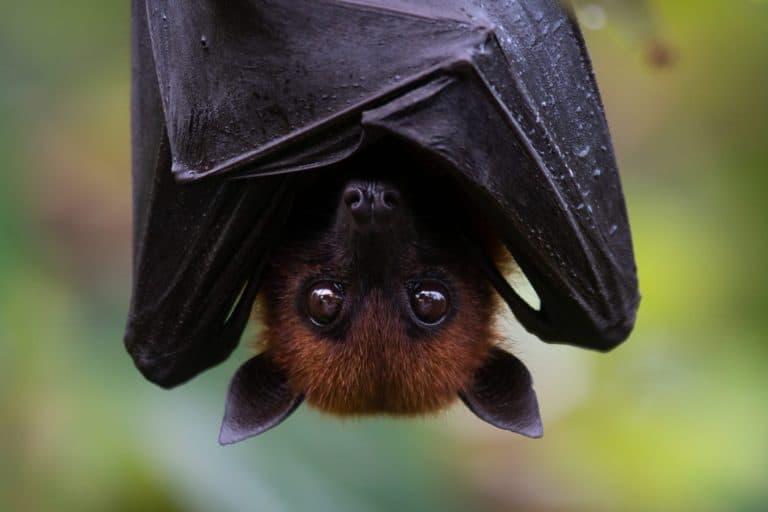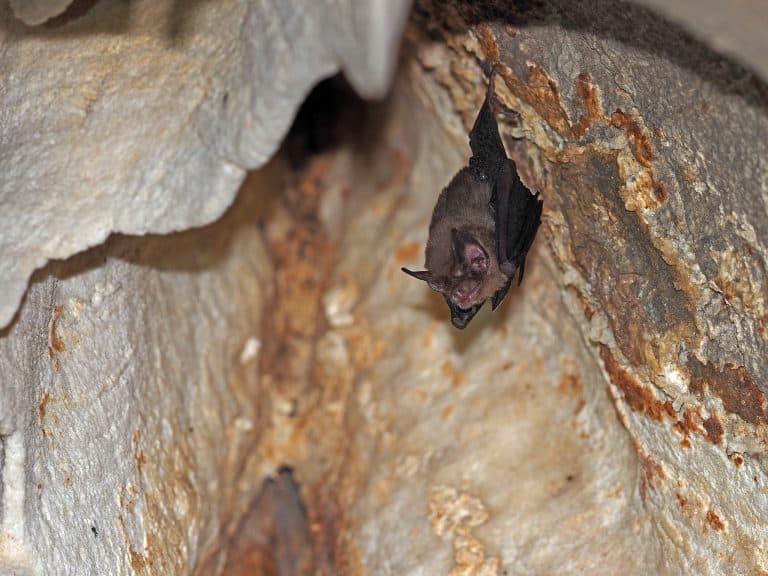

The only flying mammal on Earth is the iconic bat. Though present in many areas of the world, they are absent from poles, deserts, and some islands. Bats are social mammals that live in groups and are primarily nocturnal (though some species are crepuscular or even partly diurnal). While not as loud as crows, bats can be noisy. Many species emit audible squeaks, screeches, or social calls that are noticeable to humans, especially in roosts.
This cute yet mischievous animal is often associated with spooks and Halloween. Many people assume bats are blind, but in reality, their sensitive vision is generally adapted to low-light conditions. Echolocation, not sight, is what allows them to navigate in true darkness.
While these mammals are typically quiet, they do sometimes make recognizable sounds. Here are three distinct sounds bats make and what they mean.
This post was updated on September 24, 2025 to clarify habitat range, potential noise level, ability to see in the dark, number of bat species, echolocation frequency range, and how bats communicate with each other.
1. Flutters
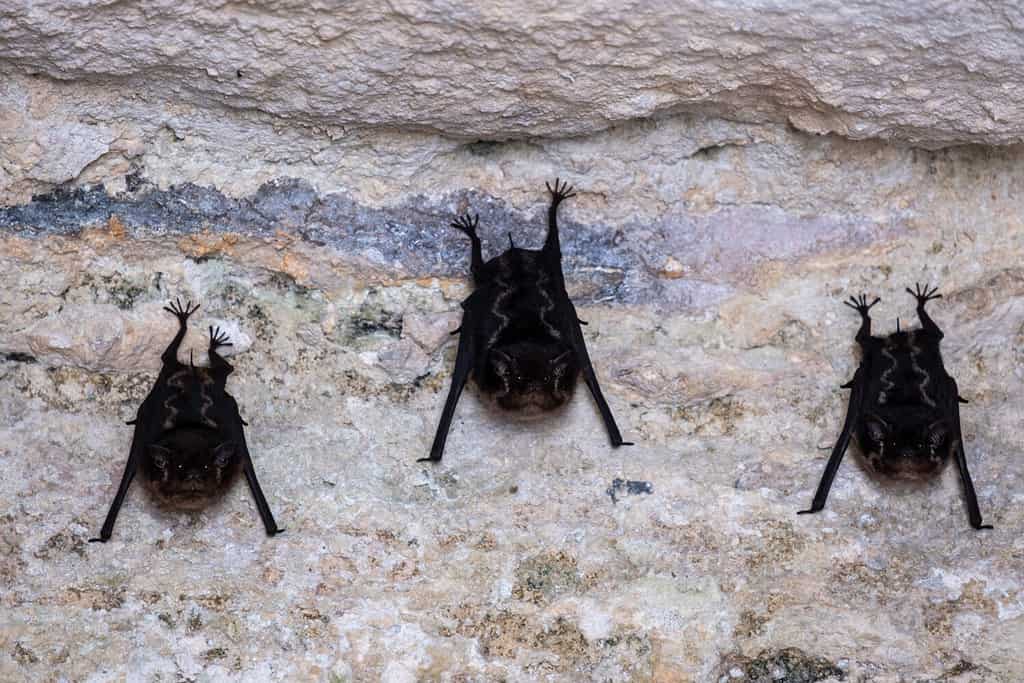
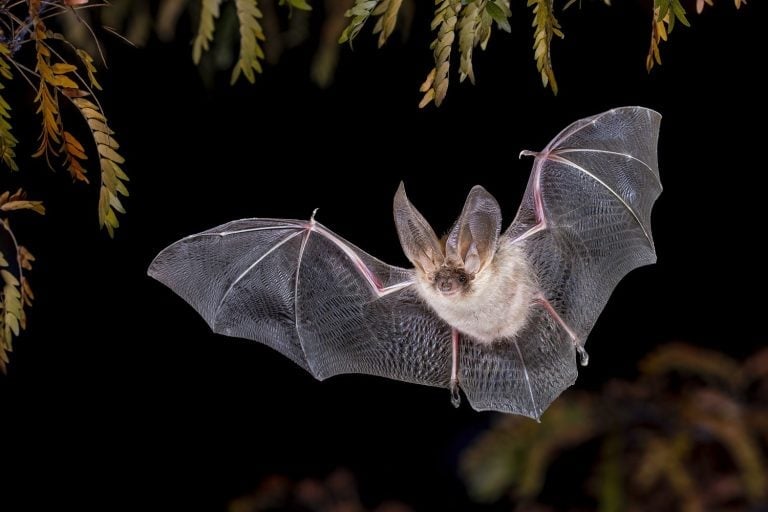
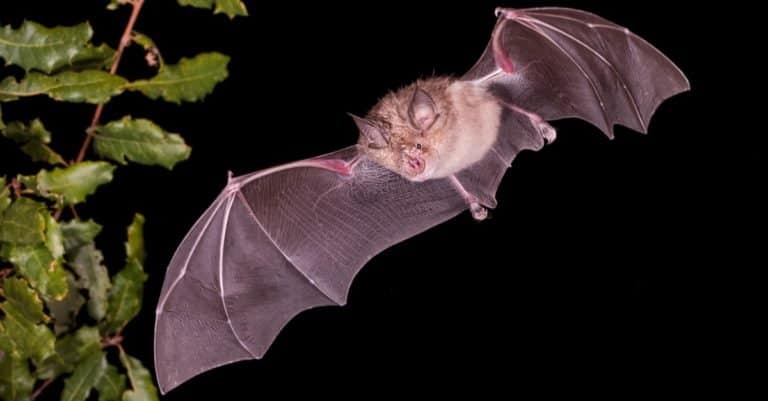
There are over 1,450 bat species.
©LP Production/Shutterstock.com
A typical bat sound you might hear is fluttering. Bats will flutter their wings when attempting to move through the air or gain height. When bats fly through the air, their wings often cause a fluttering sound that humans can hear within proximity. In fact, many homeowners will hear fluttering in their walls or attics if they have a bat infestation.
2. Chirps or “Clicks”
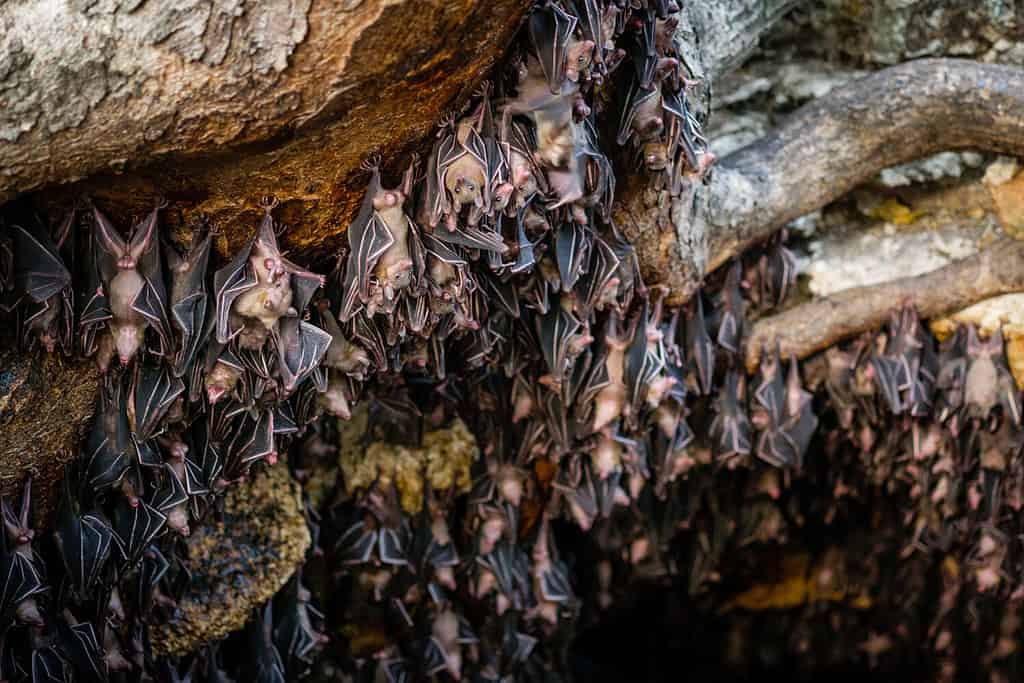
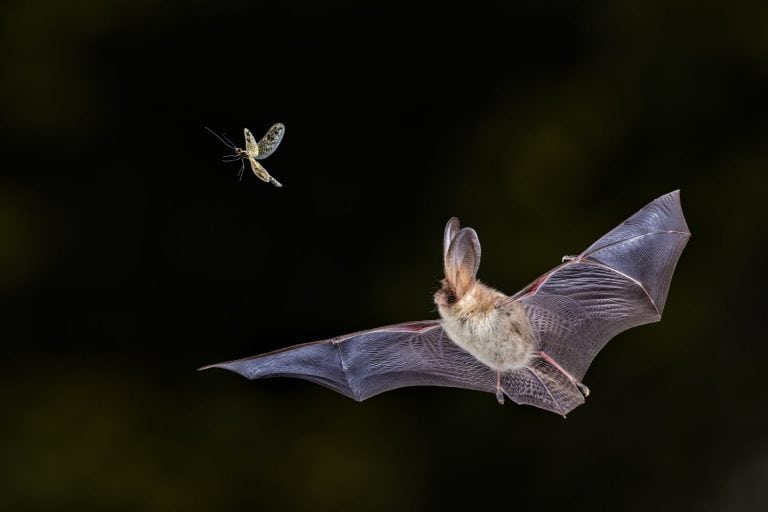
Most bats feed on moths, beetles, flies, and other insects.
©MilletStudio/Shutterstock.com
Bats make an ultrasonic noise that’s often hard to hear by humans. This squeaking or chirping sound, which might resemble more of a clicking noise, is actually a form of echolocation. Echolocation is primarily for navigation and hunting. (Bats also produce audible social calls, but these are distinct from echolocation clicks).
A bat’s echolocation produces sound waves that vibrate at frequencies above human hearing — between 20–200 kHz (ultrasonic). However, when humans pick up on these chirps, they typically sound more like small clicks.
3. Scratches

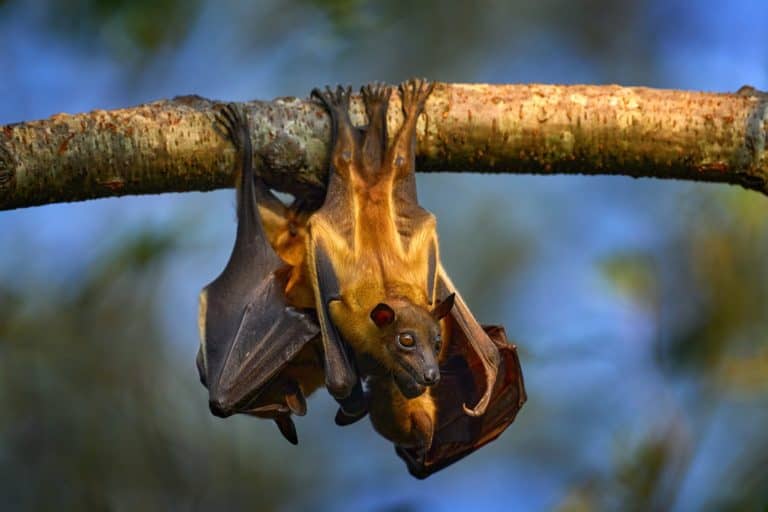
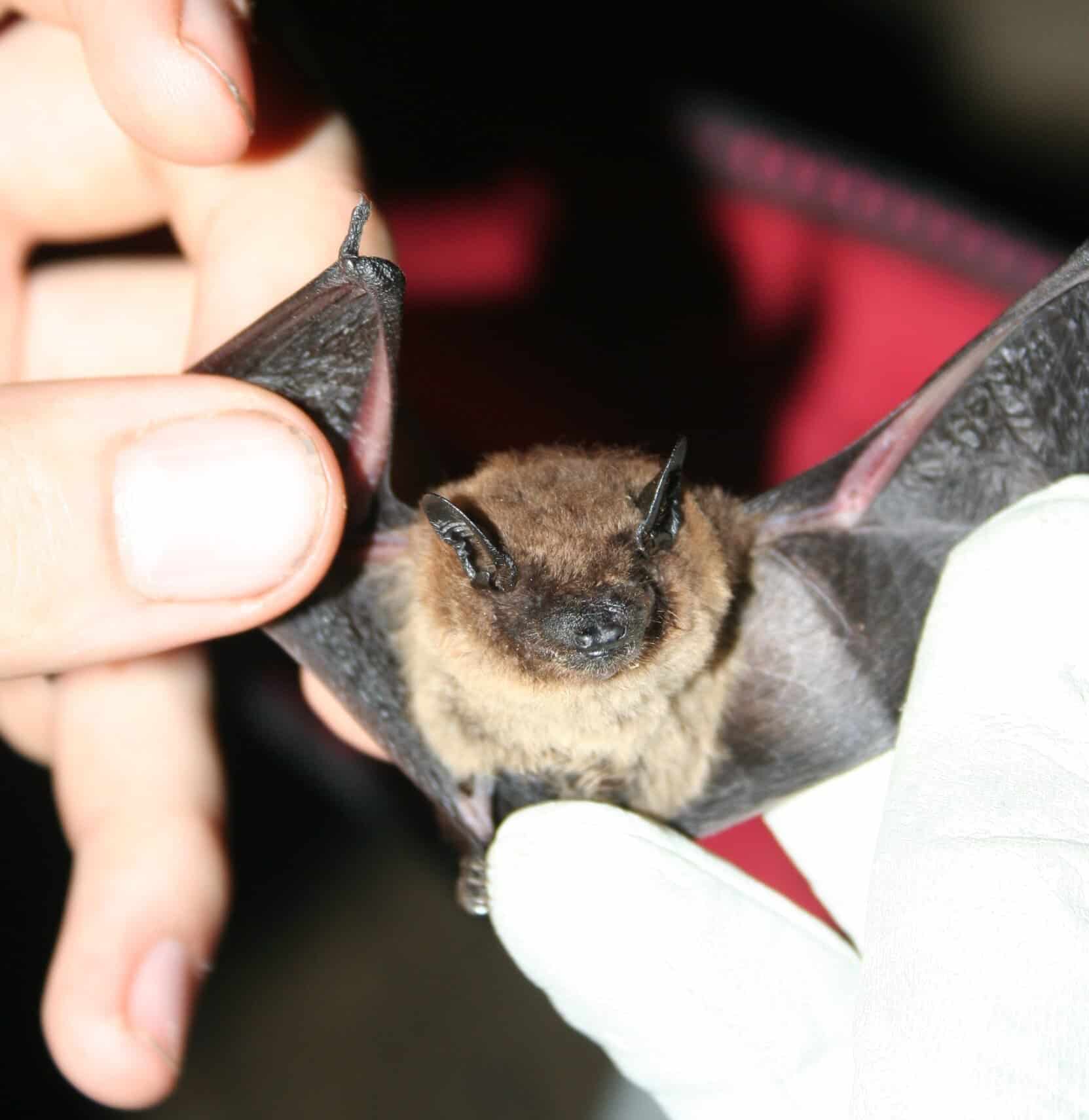
Bats are the only mammals that can fly.
©Sarun T/Shutterstock.com
If a bat is trapped in your walls or attic, you might mistake them for mice. They tend to make small scratching sounds when they use their wings or hands to climb and crawl about. These sounds might be quiet and soft, but if they’re especially active — like during nighttime — they could become quite pesky.