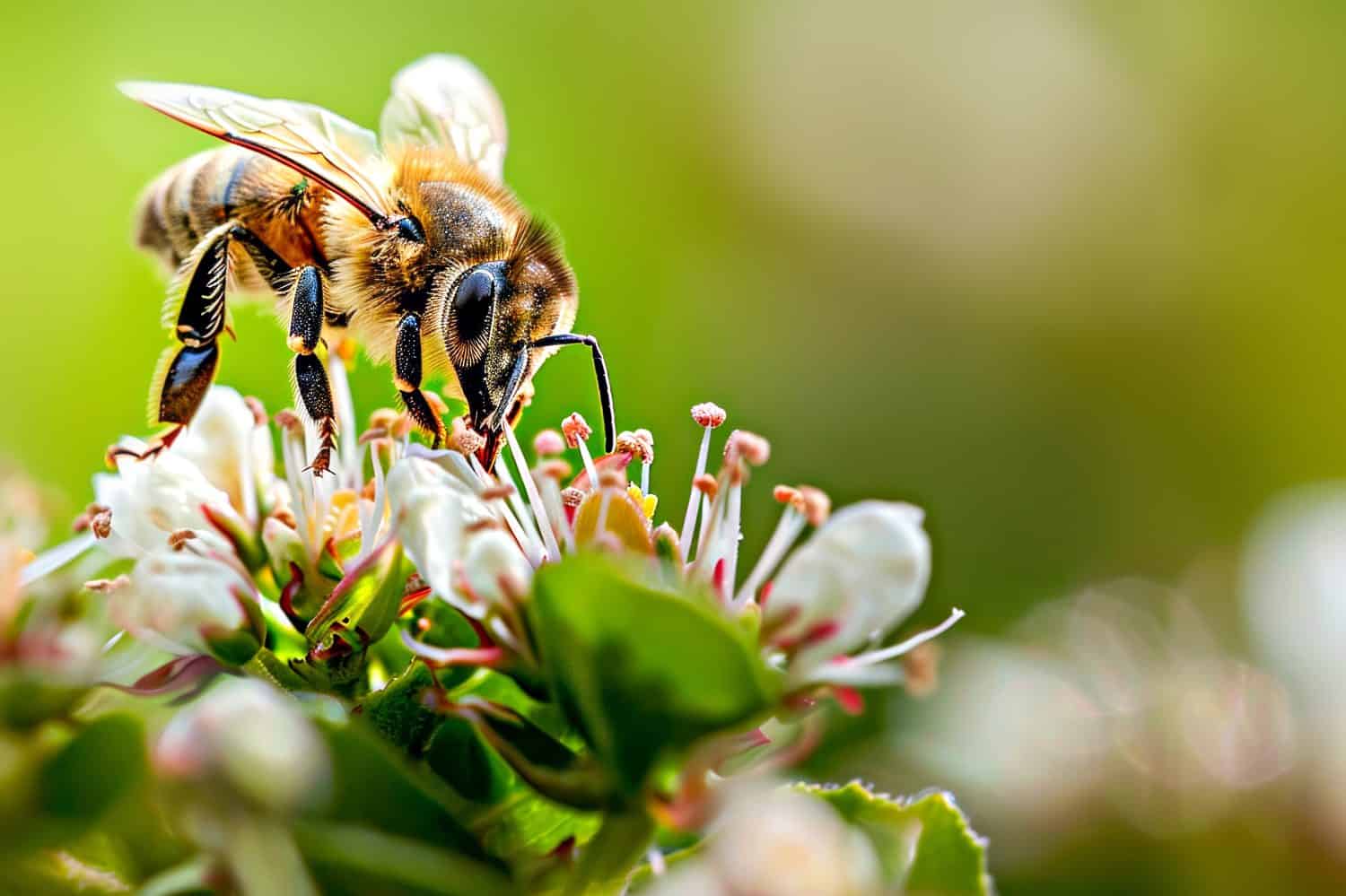

Bumblebees and honeybees both play essential roles in pollination, but their differences are as striking as their similarities. While honeybees are small, domesticated, and widely known for producing large quantities of honey, much-larger bumblebees are celebrated for their loud buzz, fuzzy bodies, and unmatched efficiency as pollinators. Each species has adapted unique behaviors and physical traits to thrive in their respective environments, from nesting habits to seasonal routines.
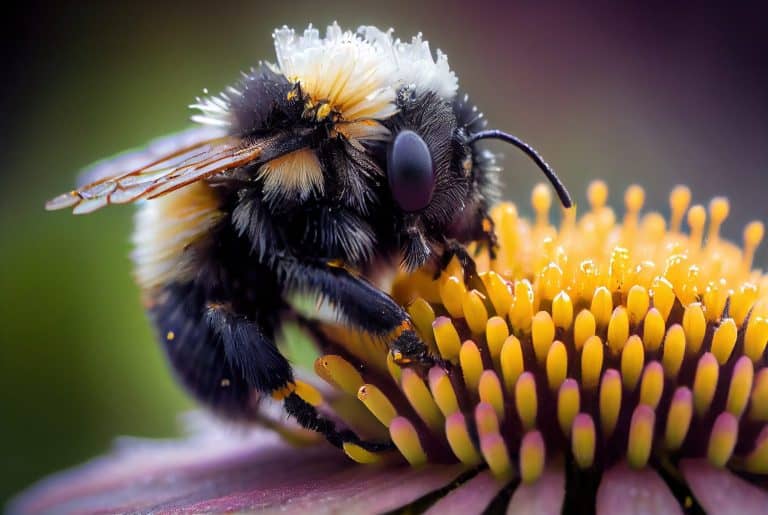
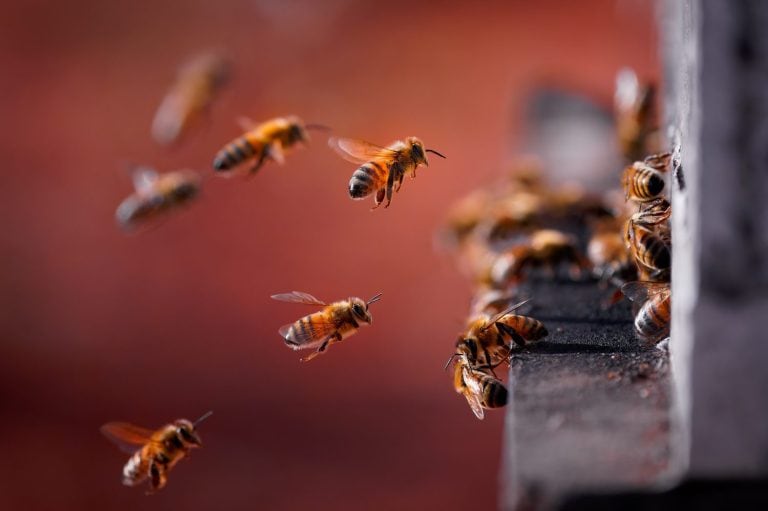
Determining whether a pollinator is a honeybee or a bumblebee is easy to do visually. Bumblebees are bigger, rounder, and covered in more hair, giving them an almost-cuddly look, while honeybees are slimmer, more streamlined, and have less fuzz. Their lifestyles are also very different. Honeybees live in large, cooperative colonies that can number in the tens of thousands and continue for years under the same queen. Bumblebees, in contrast, are less tied to a single colony and more independent; each spring, new queens strike out to establish their own fresh nests for the season.
These differences extend beyond looks and social behavior to practical matters like honey production , stinging capabilities , and pollination patterns. Honeybees are masters of producing surplus honey and tend to focus on specific , high-yield areas for gathering nectar. Bumblebees , meanwhile, spread their pollination efforts across a wider variety of plants , making them critical contributors to biodiversity. Both species are indispensable to ecosystems and understanding their distinct differences can help us better protect them.
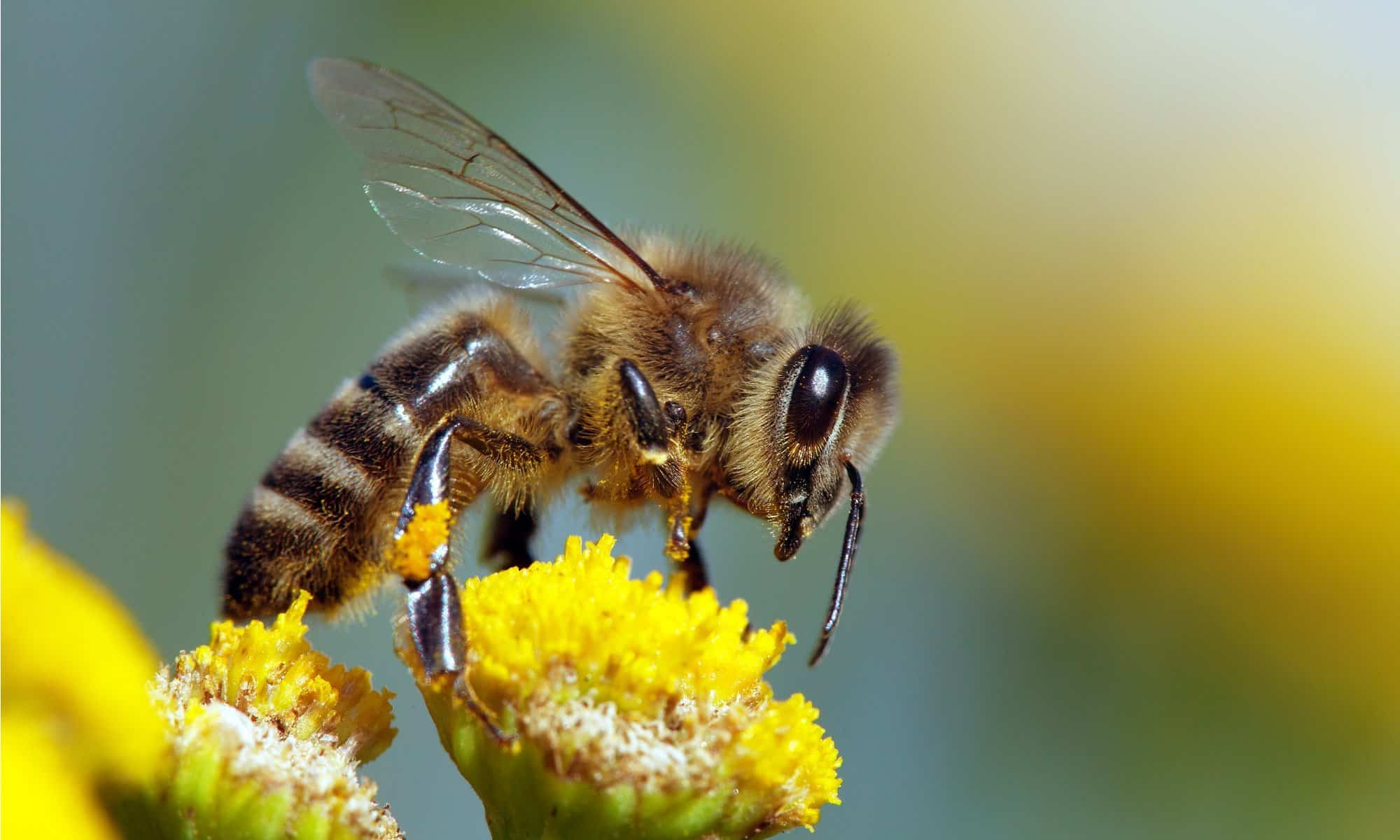
Appearance: Honeybee
©Daniel Prudek/Shutterstock.com
- Size – small and slender
- Body Shape – elongated with visible segmentation between head and body
- Hair/Fuzz – sparse, short hair
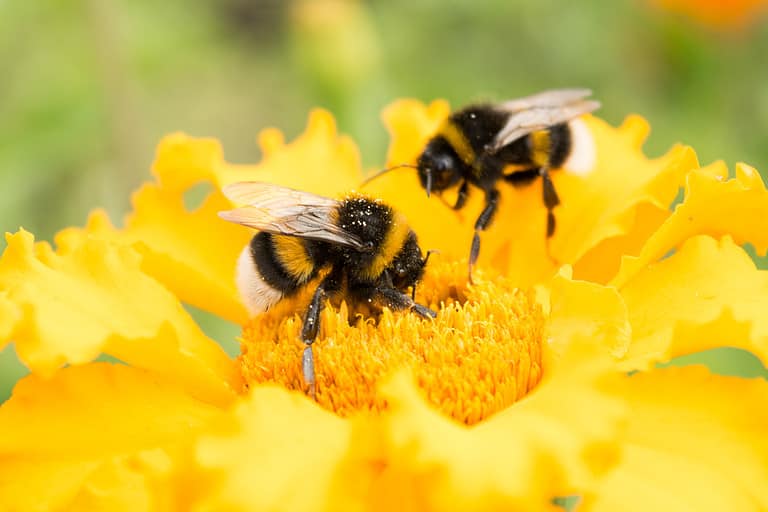
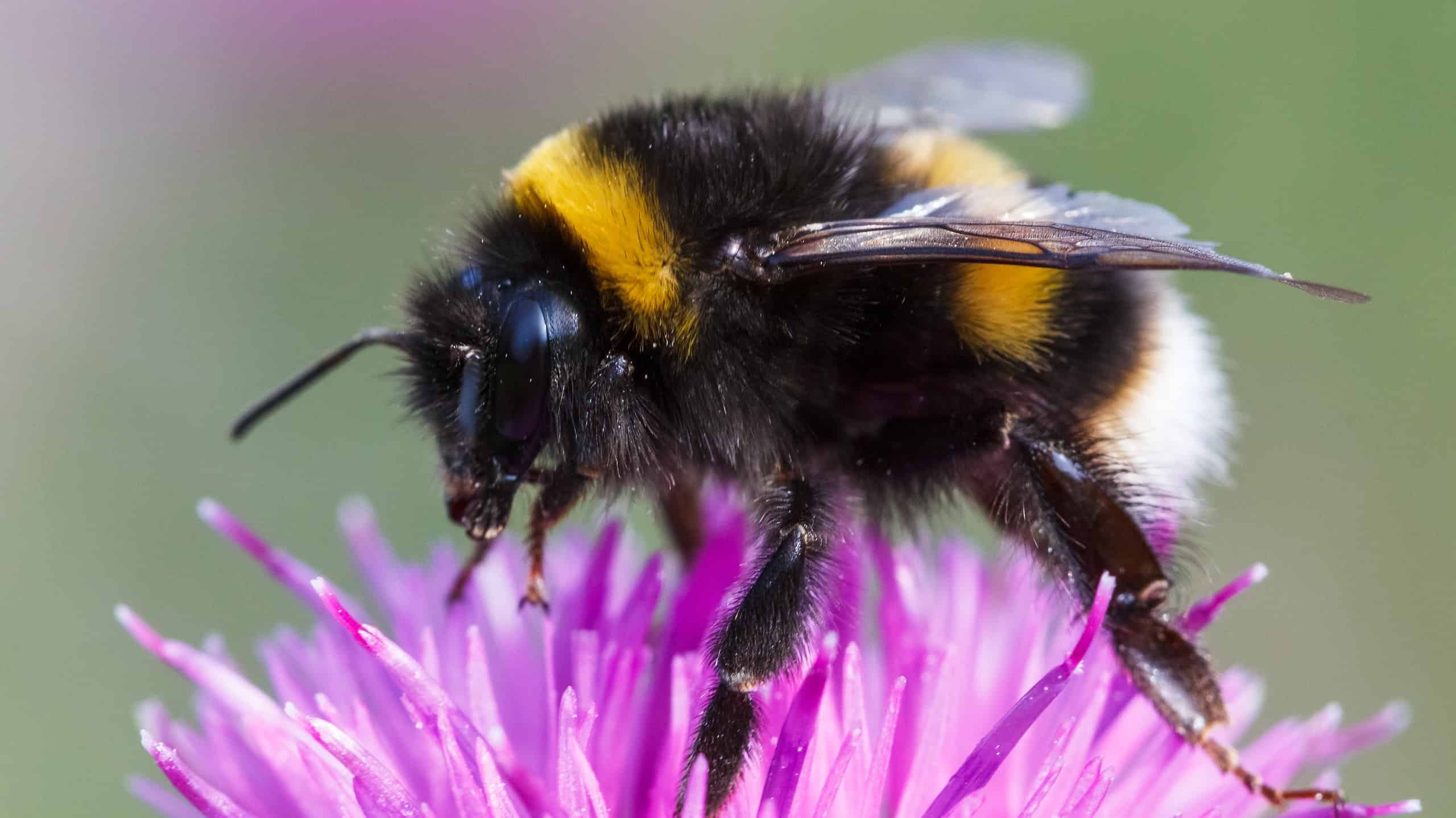
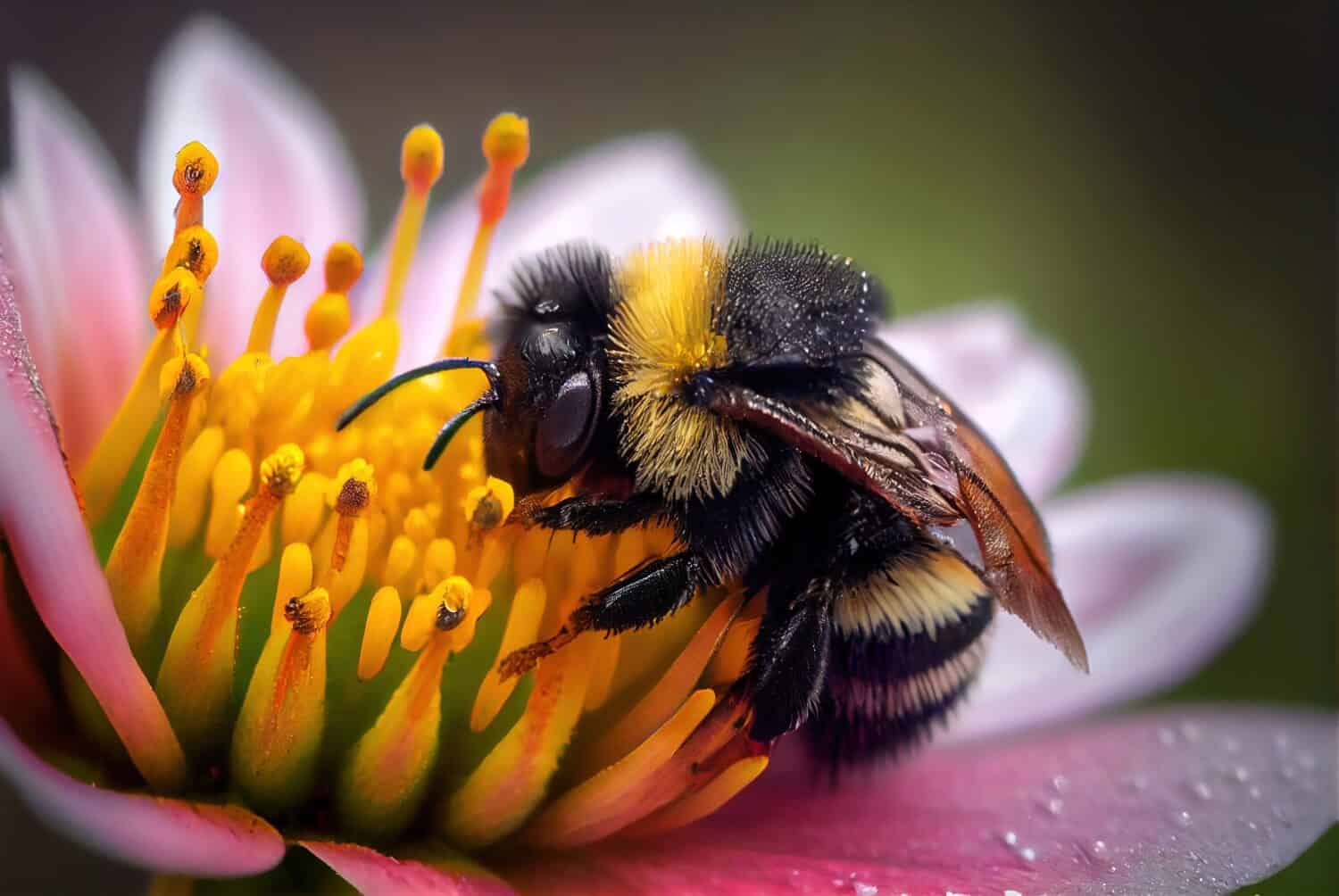
Appearance: Bumblebee
©Ant Cooper/Shutterstock.com
- Size – larger and bulkier
- Body Shape – round and robust; no segmentation between head and body
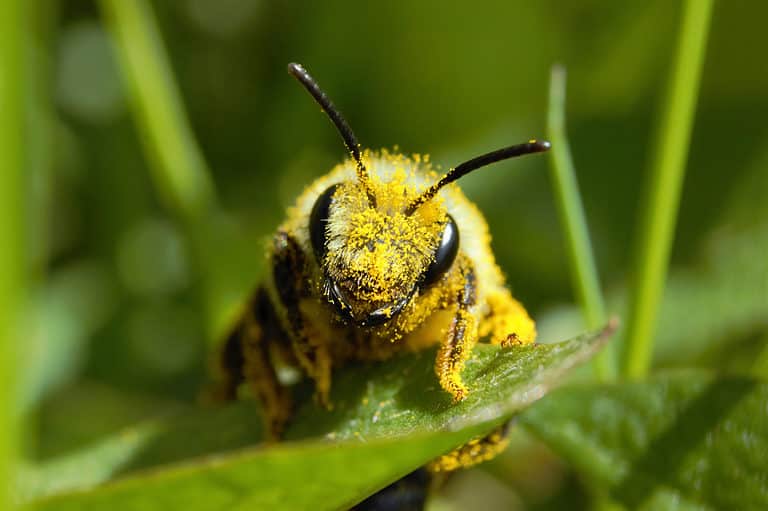
- Hair/Fuzz – furry look; dense, soft hair covering most of their bodies
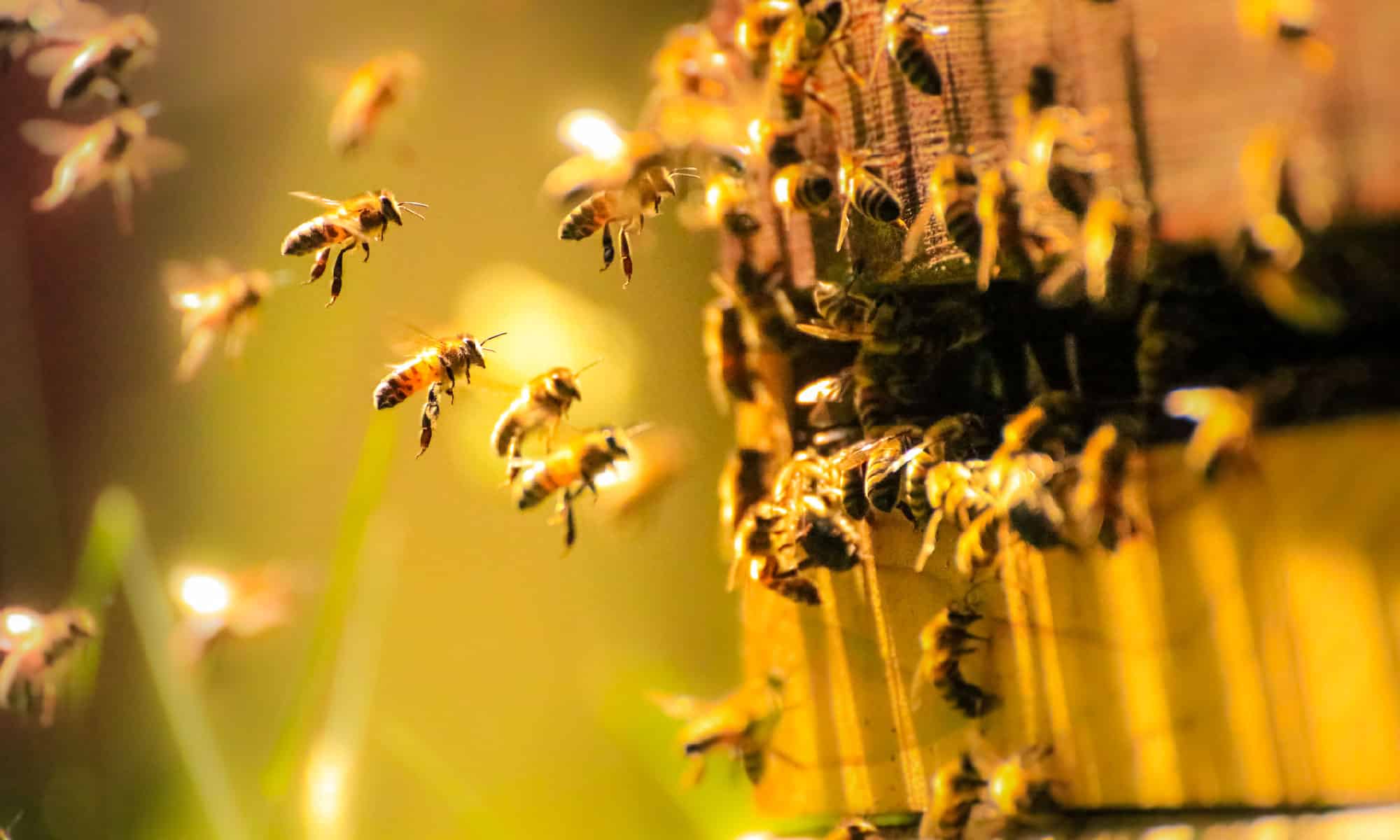
Social Behavior Differences
©iStock.com/William Jones-Warner
- Honeybees are more cooperative, communicating about pollen sources and working together to keep warm.
- Bumblebees are more independent, with new queens starting fresh colonies each year.
- Neither species is particularly aggressive, but honeybees may be more docile due to domestication.
Nesting Habits

©iStock.com/nayneung1
- Bumblebees usually nest underground in burrows.
- Honeybees build above-ground nests, often in elevated spots to deter predators.
- Domesticated honeybees are housed in man-made hives for honey production.
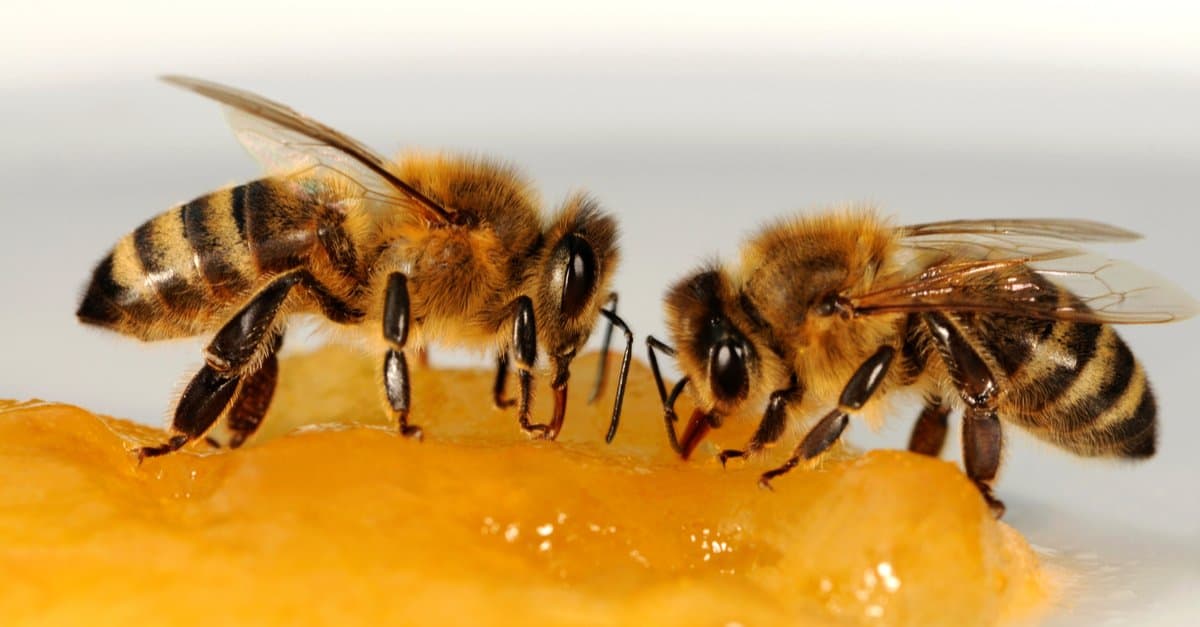
Honey Production
©schubbel/Shutterstock.com
- Honeybees produce large quantities of honey, making them valuable to humans.
- Bumblebees produce small amounts of honey, just enough for survival.
- Humans domesticate honeybees for their surplus honey stores.
Lifespan
©ArtEvent ET/Shutterstock.com
- Honeybee queens can live over 3 years due to cooperative winter survival.
- Bumblebee queens typically live only one year.
- Worker lifespans are shorter for both species.
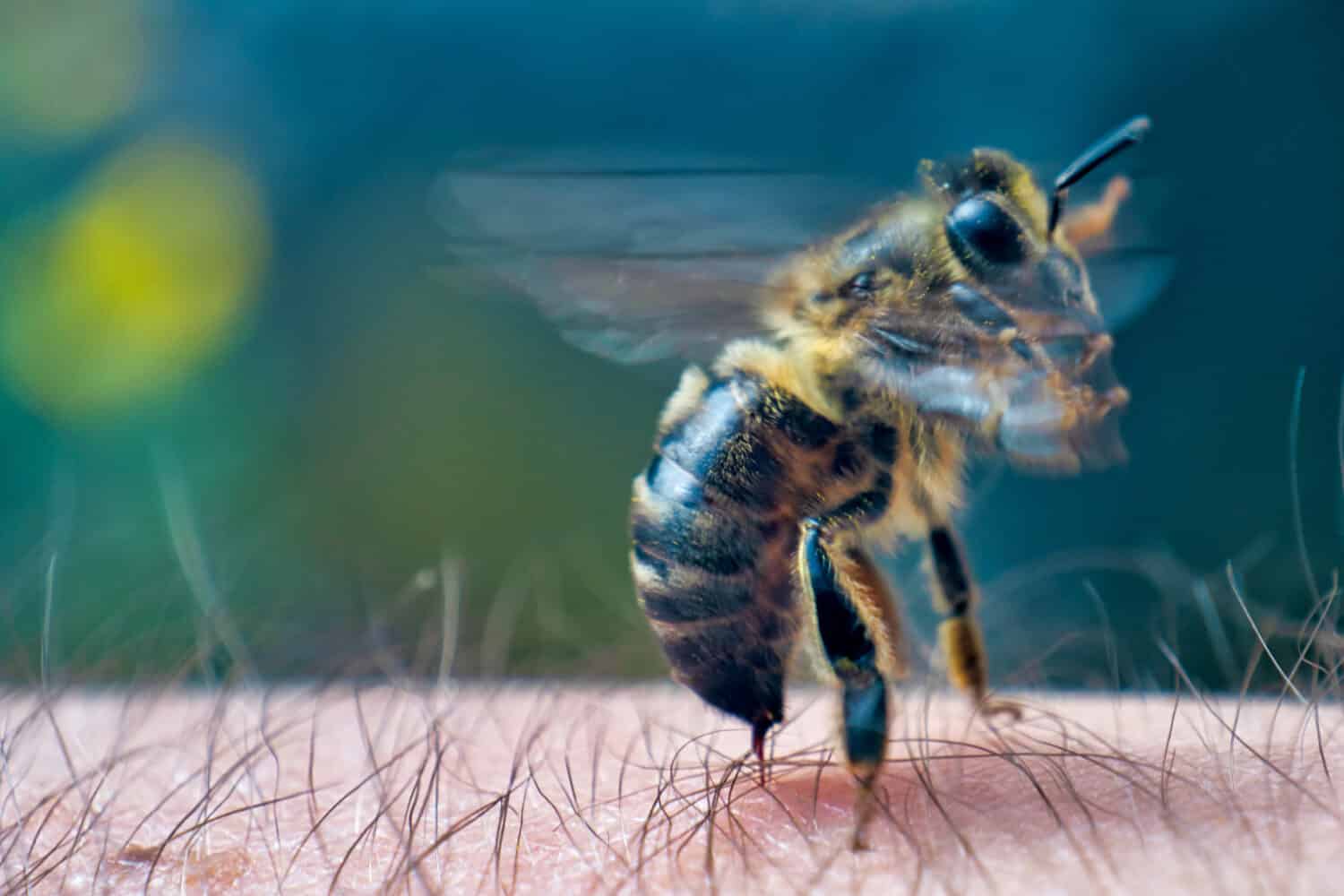
Stinging Ability
©IHOR SULYATYTSKYY/Shutterstock.com
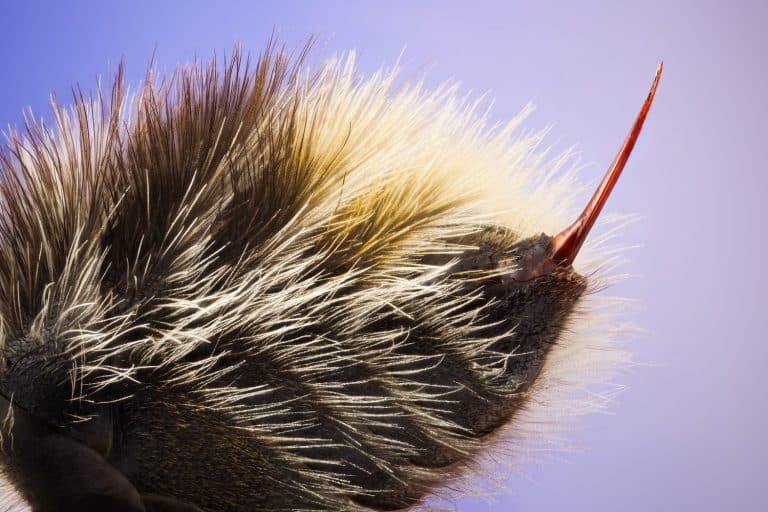
- Bumblebees can sting multiple times without dying .
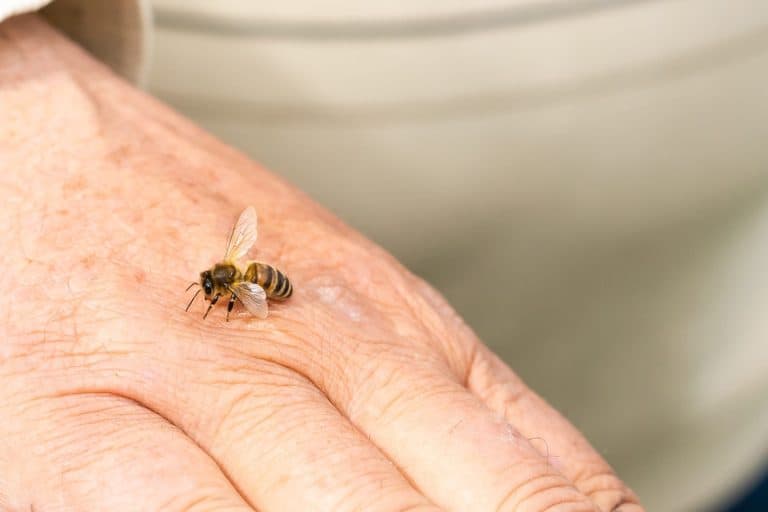
- Honeybees can sting only once , after which they die.
- Bumblebees are less likely to swarm and attack than honeybees .
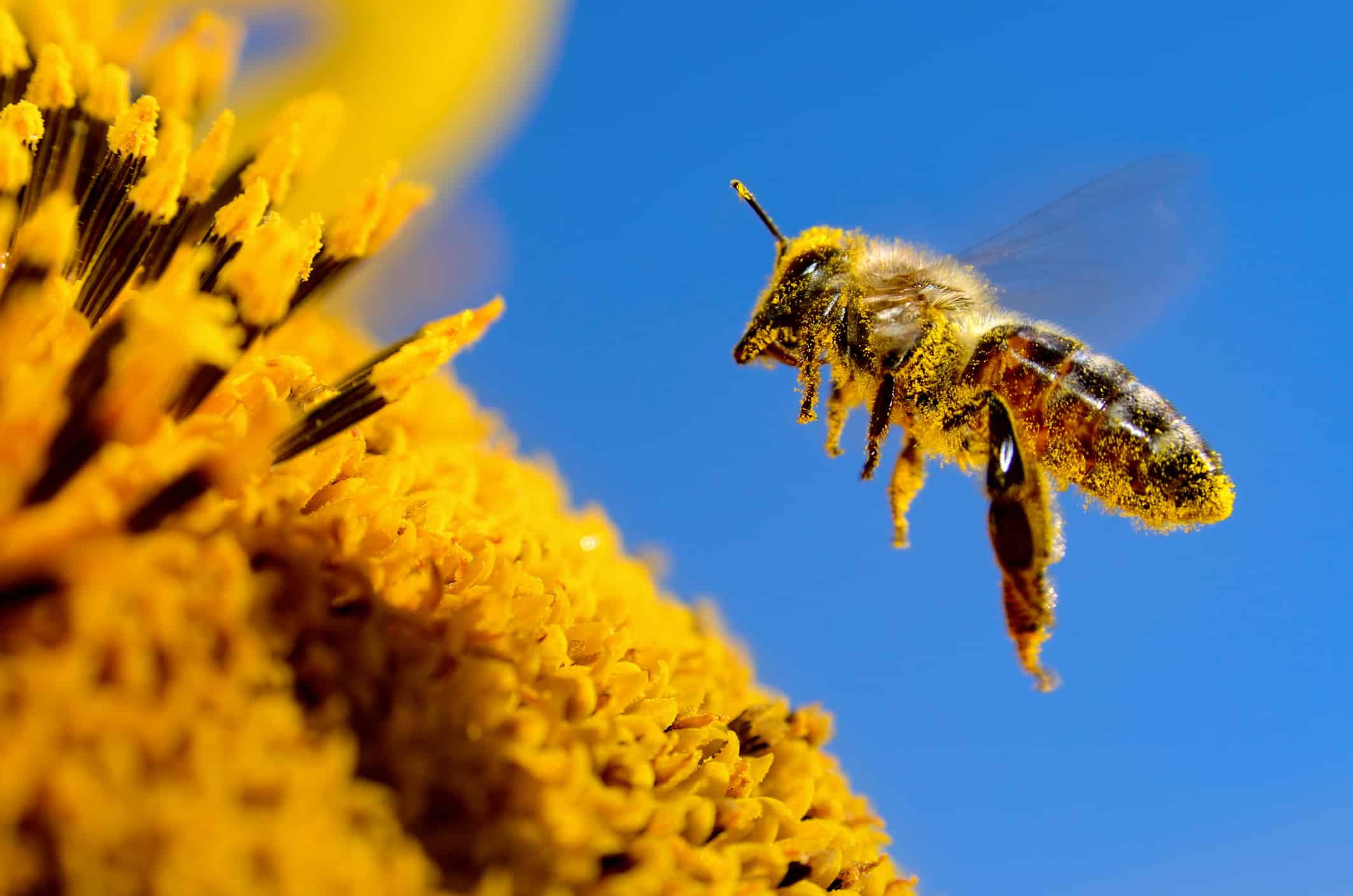
Pollination Effectiveness
©Alexandrum79/iStock via Getty Images
- Bumblebees pollinate a wider variety of flowers , covering a great area .
- Honeybees focus on concentrated pollen sources for efficiency in honey-making .
- Bumblebees can carry more pollen due to their larger size , along with their abundance of fur