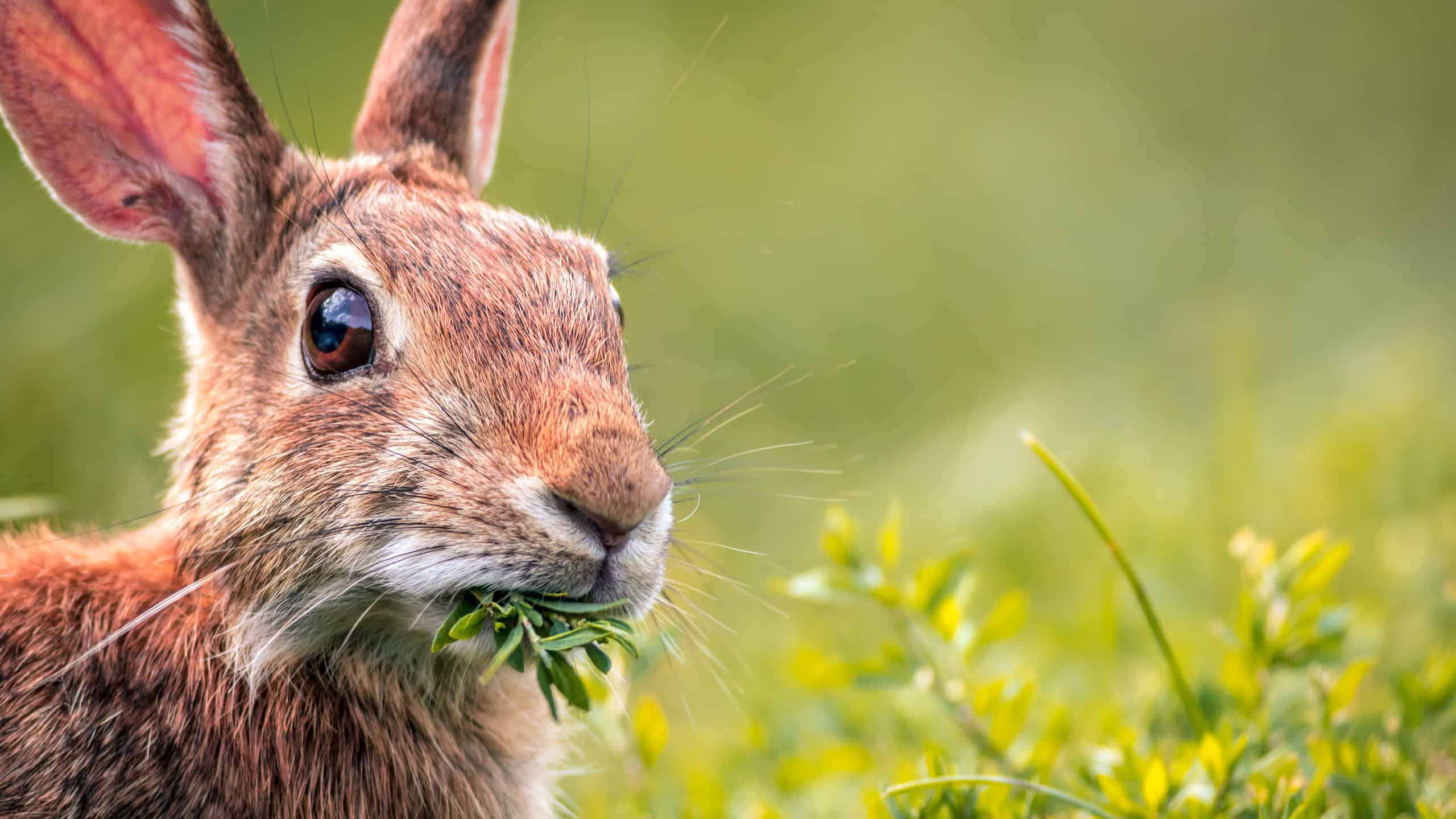

Wild rabbits in Colorado and a few other U.S. states have recently been spotted with odd “horn-like” growths sprouting from their heads. Multiple individuals have reported observing the strange sight. Despite the nationwide concern, it turns out rabbits aren’t suddenly morphing into antlered creatures; instead, the growths are caused by the cottontail rabbit papillomavirus. The condition has drawn attention from both locals and wildlife experts, particularly after multiple sightings in Colorado. According to Colorado Parks and Wildlife, the black nodules grow on the skin, generally somewhere on the head. They can become elongated, giving them the appearance of small horns or quills.
Although the horned rabbits look alarming, experts say the virus rarely poses a serious threat to wild populations unless the growths interfere with eating or drinking. In most cases, infected rabbits recover, and the protrusions eventually fall off on their own. The virus is specific to rabbits, so it cannot be transmitted to humans or other animal species. However, it can spread to domestic rabbits, where it may cause more severe symptoms.
Wildlife officials advise against touching infected animals and recommend minimizing contact between domestic and wild rabbits to prevent spread. Though the condition is generally not fatal in the wild, domestic rabbits may need treatment to recover. By understanding the disease and its symptoms, pet owners and those who work in wildlife can take steps to protect rabbit health while avoiding unnecessary harm to affected animals.
Strange Horn-Like Growths on Wild Rabbits

- Some wild rabbits in Colorado have been seen with horn-like growths caused by a virus.
- The growths are caused by the cottontail rabbit papillomavirus.
- Sightings have been reported by Colorado residents.
What Causes the Growths?
©Rabbitti/Shutterstock.com
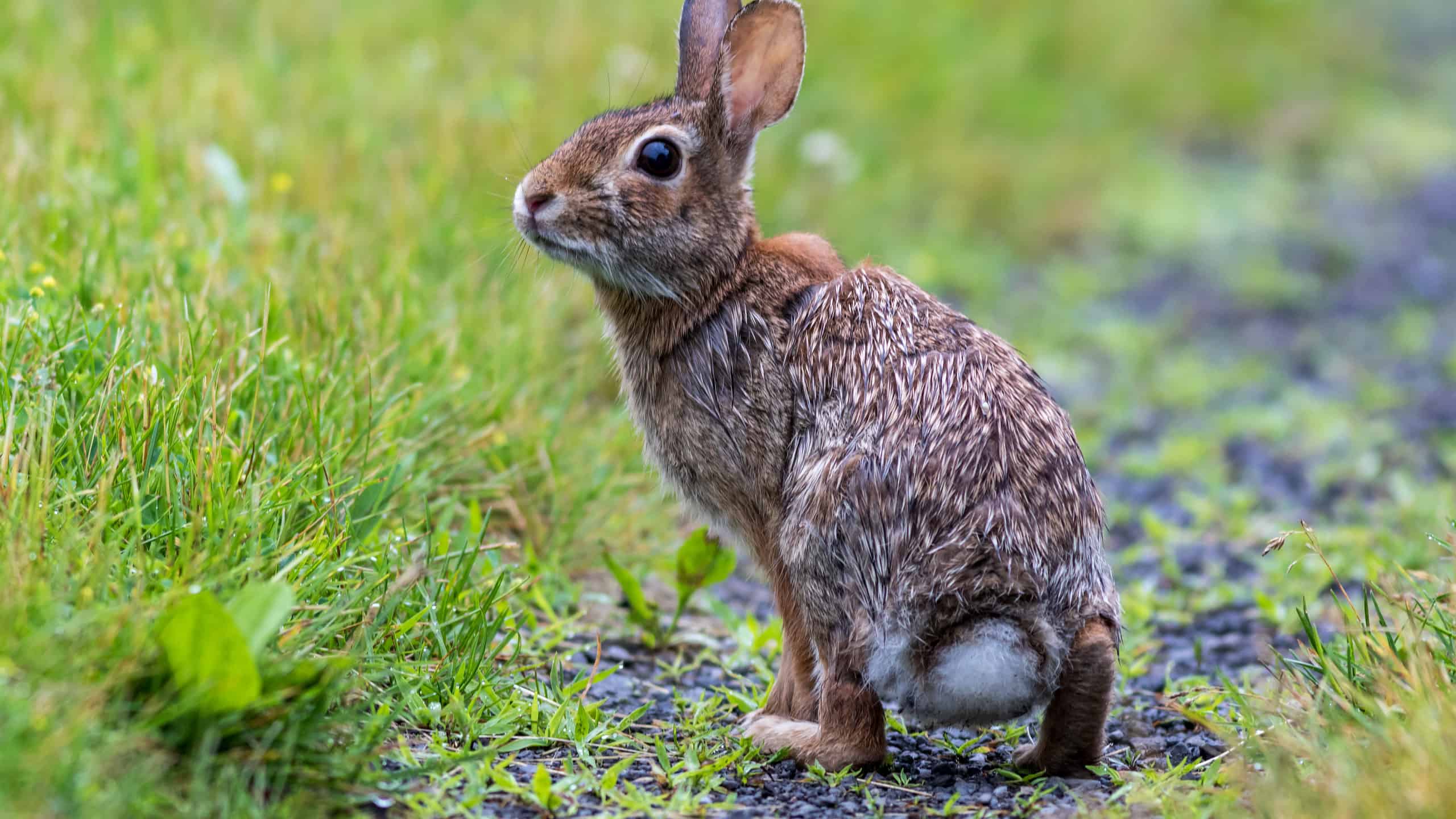
- The virus causes black nodules to appear on the rabbit’s skin, usually around the head.
- These nodules can become elongated and resemble horns.
- The condition is known as rabbit papillomas.
Impact on the Rabbits
©oyvindpe/Shutterstock.com
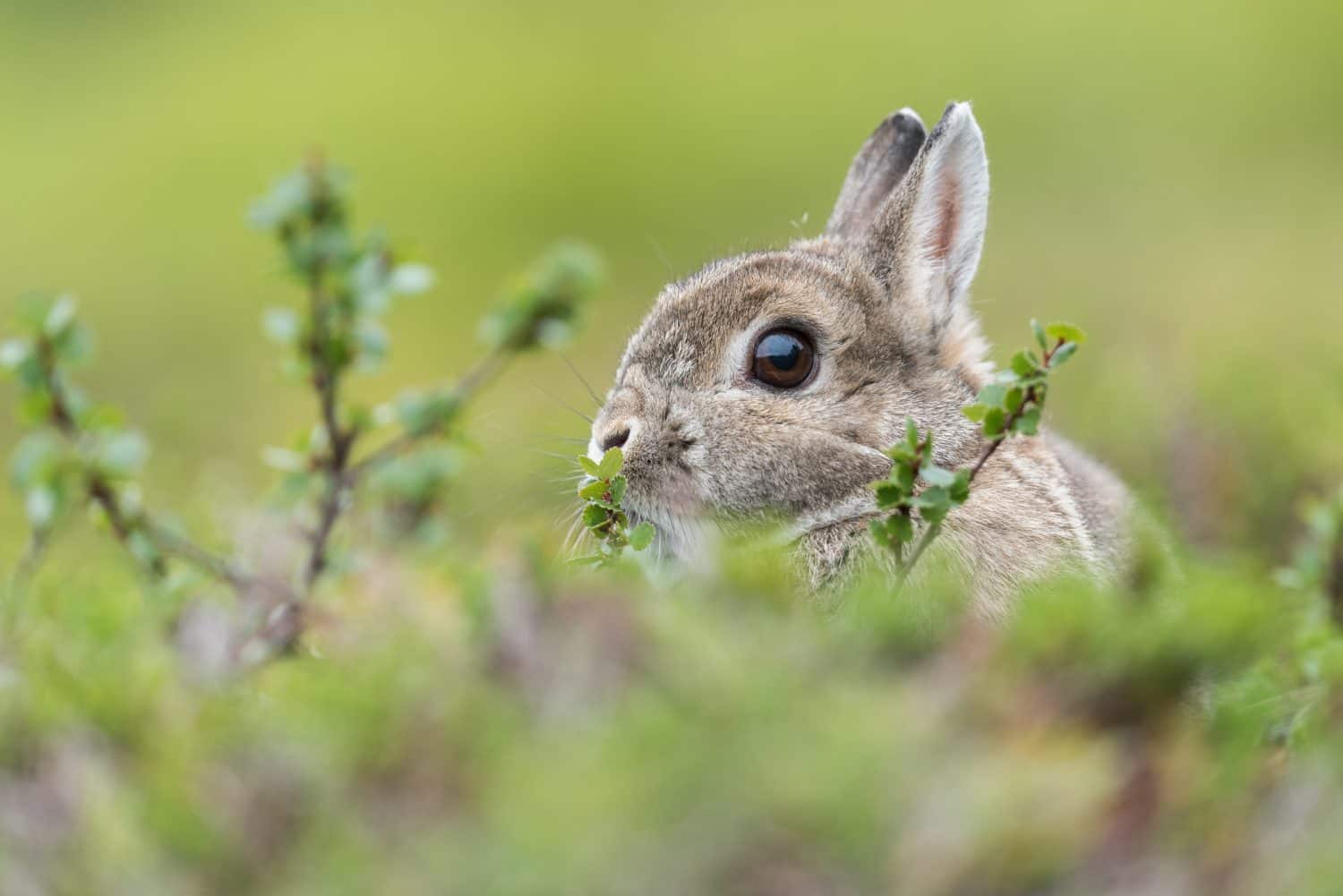
- The growths generally do not harm the rabbits unless they interfere with eating or drinking.
- Most infected rabbits can survive the infection and recover.
- The growths eventually fall off after the virus runs its course.
Not Dangerous to Humans
©Robert Adamec/Shutterstock.com
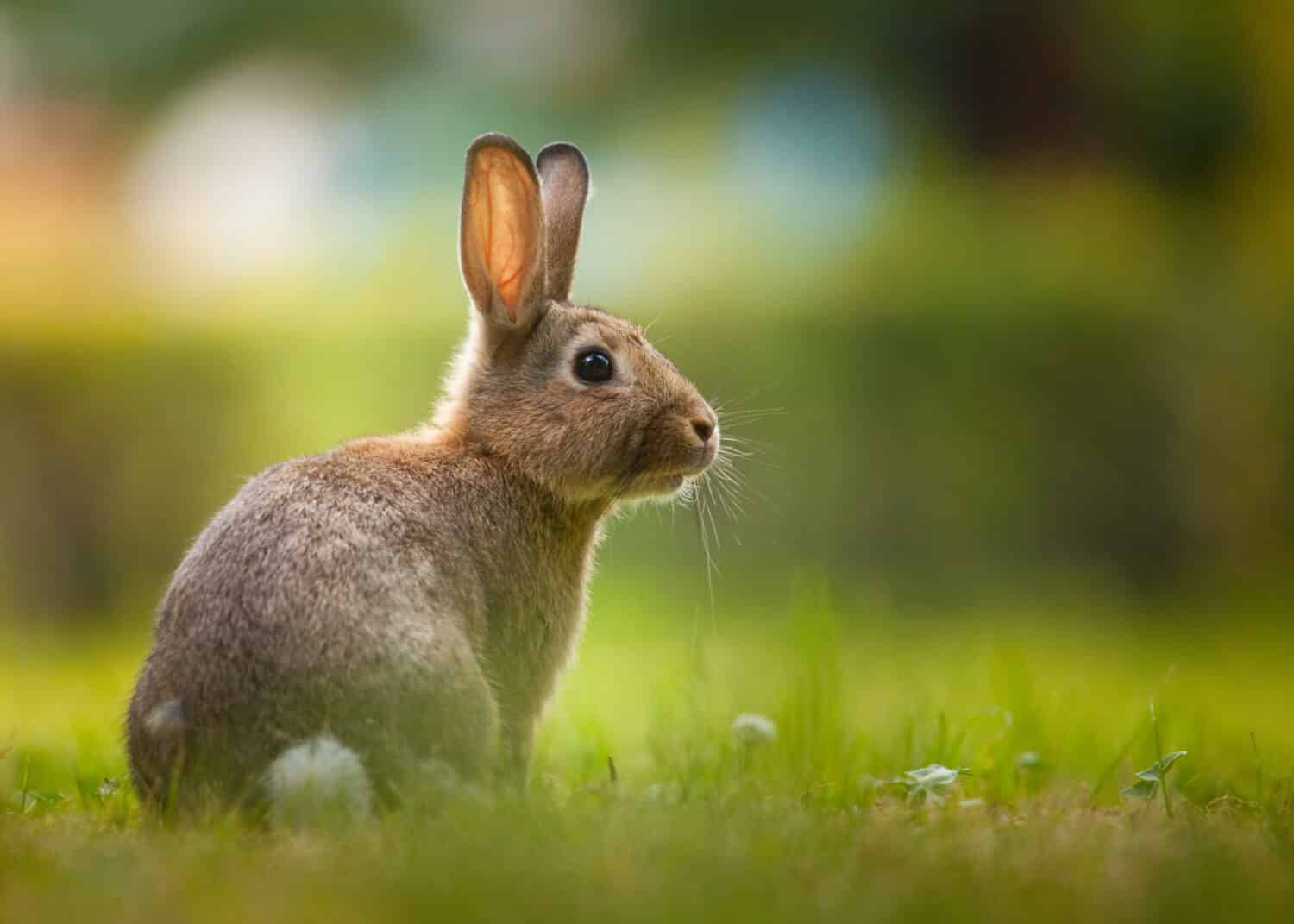
- The virus is specific to rabbits and cannot be transmitted to humans or other species.
- Domestic rabbits can be infected if they come into contact with wild rabbits or biting insects.
- The disease is more severe in domestic rabbits and should be treated by a veterinarian.
Advice to the Public
©Wirestock Creators/Shutterstock.com
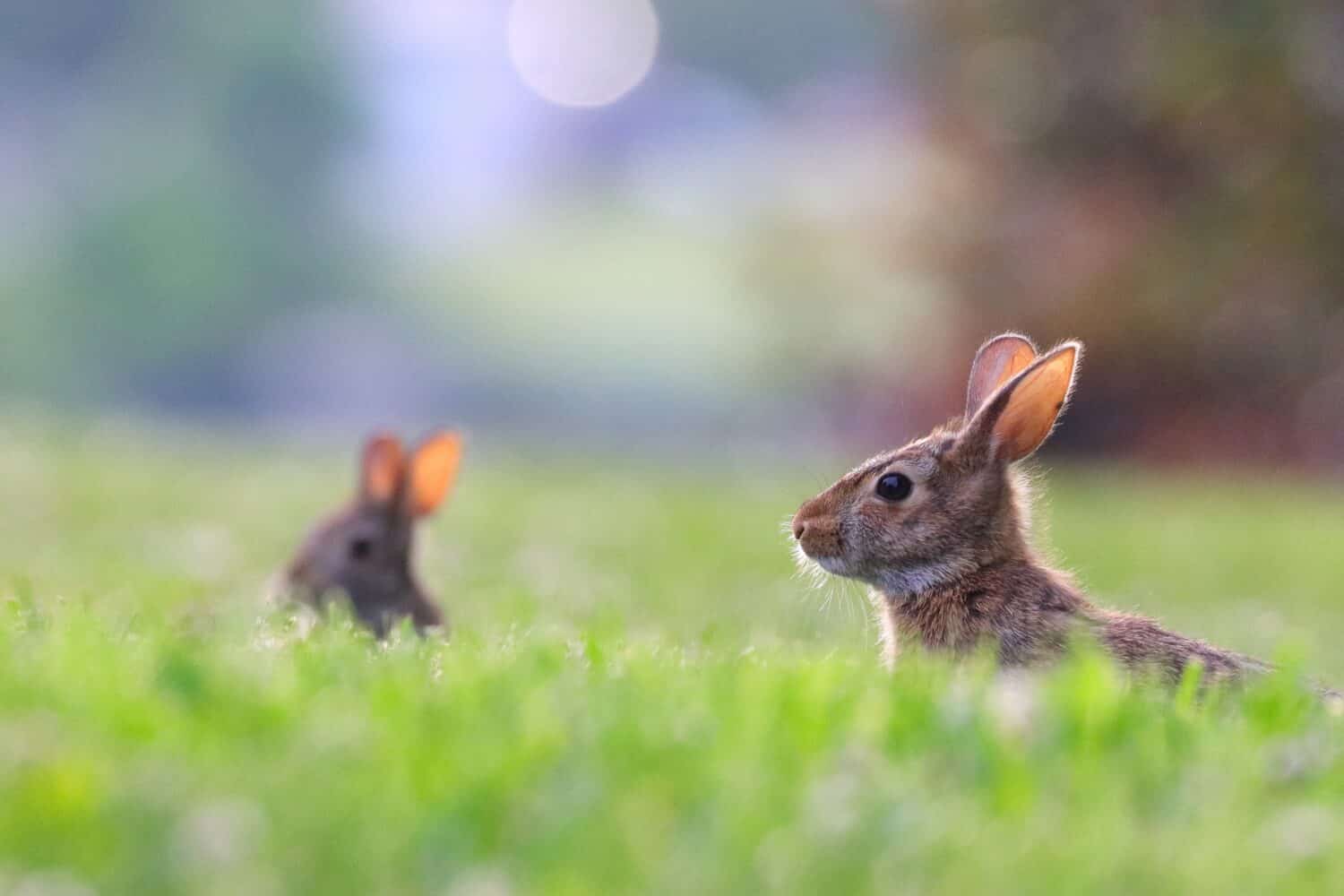
- Colorado Parks and Wildlife advises against touching infected rabbits.
- People should observe the animals from a distance.
- Infected rabbits should not be euthanized unless they are unable to eat or drink.
Possible Risk to Domestic Rabbits

© leaf/ via Getty Images
- Domestic rabbits kept outdoors are at higher risk of infection.
- Infected domestic rabbits may experience more severe symptoms than wild rabbits.
- Owners should seek veterinary care if their pet rabbits develop similar growths.
Recovery and Survival
©ArCaLu/Shutterstock.com
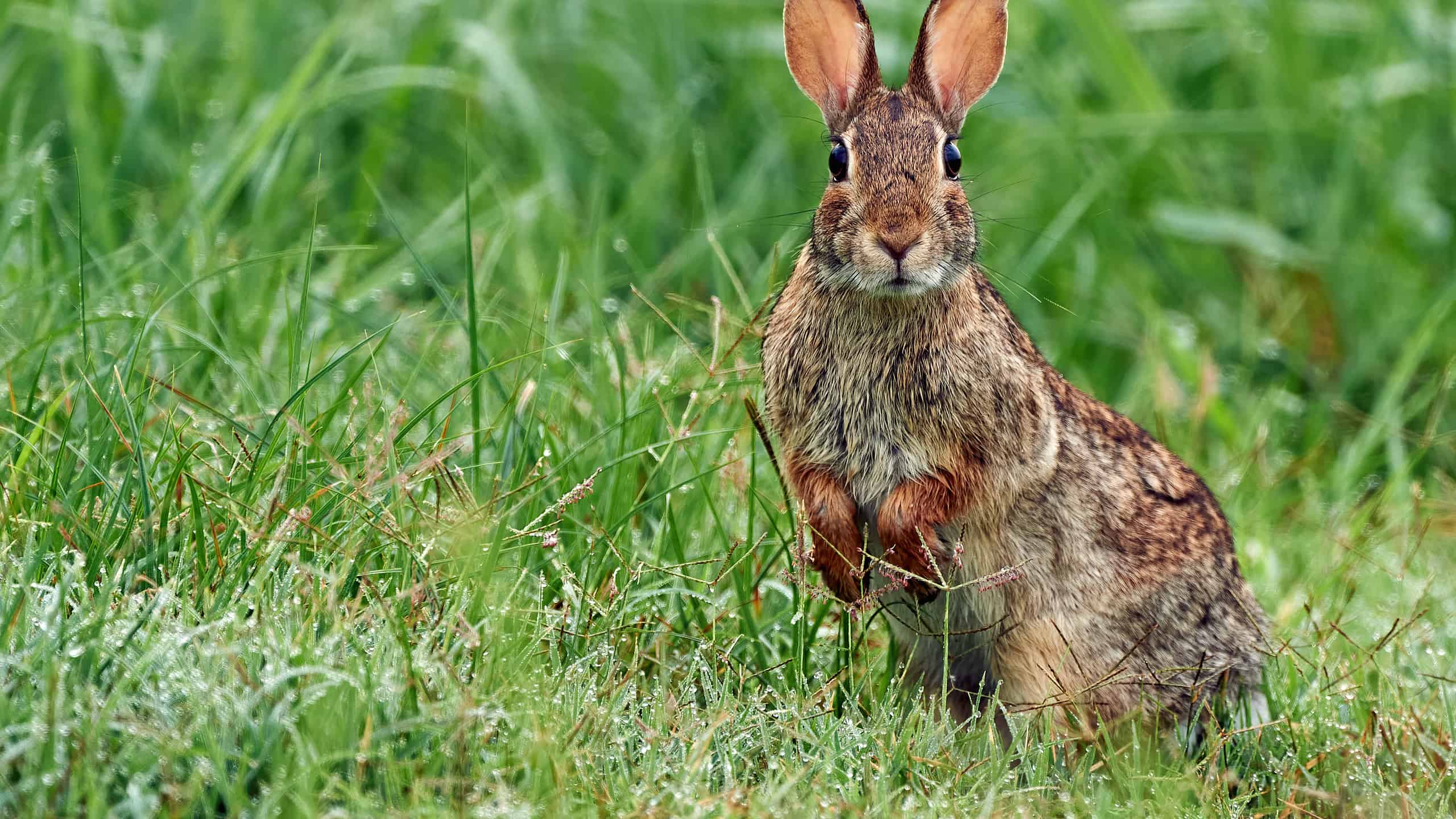
- Most wild cottontail rabbits survive the infection.
- Once recovered, the growths disappear and the animal returns to normal health.
- The virus is a natural occurrence in wild rabbit populations.